A couple of years ago, when I was doing book talks on the “ideological foundations of Qing taxation,” a common line of skepticism I encountered was whether large groups of very highly educated people could, in fact, engage in significant acts of collective delusion and then reinforce that delusion by punishing dissenters. “It’s possible for the masses but not for us” seemed to be the knee jerk reaction from many academics. Well, after the entire Jason Arday affair, I hope I never have to deal with that line of argument ever again…
One thing I always love about the SOAS Taiwan Summer Schools is the roundtables. Here Ming-Yeh T Rawnsley writes in Taipei Times about her reflections on our Roundtable on Bringing Taiwan to Wider Audiences.
https://t.co/GgjfAdBuDI
Fisherman A: you’re sure he wouldn’t mind me saying hello? I heard the Emperor likes his privacy
Fisherman B: I am 💯 certain he’ll be chuffed with the big Mullet and Lobster
Fisherman A: You’re probably definitely right. What’s the worst that could happen?!
It’s hard to overemphasize how much influence theorists like Mackinder, Spykman, and Mahan have in Chinese writings on geopolitical/maritime theory and grand strategy. If we have largely ignored them in the last few decades, they have certainly not.
🎂@HKFP is 11 today! A growing membership base, a shrinking deficit, and more awards.
But as HKFP enters its 11th year, the majority of our staff have now faced scrutiny from the tax office.
https://t.co/vedxgauuWg
Become a member today, and champion the survival of Hong Kong’s only independent English-language newsroom.
Guys, it's happening – if you loved and have missed Chinese Whispers the podcast, I'm delighted to announce that I am rebooting it today!
The first episode is all about the regional stereotypes that Chinese people have for each other. So tune in to hear about Beijing bikinis (picture inset) and Shanghai snobbery, and more besides, with my wonderful guest @yaling_jiang
Because air conditioners work, the Tokyo government will give you 80,000 yen (~$500) worth of points to buy an air conditioner if you are over the age of 65.
Older people tend to be suspicious of costly air-con, so the public broadcaster these days practically begs people to run it as much as possible on hot days.
There was a small protest in Chongqing last week, which has largely gone under the radar in the West. It wasn't about human rights, but animal rights
Hundreds camped out for a few days in the residential compound of a man discovered to be a serial dog abuser, until they were violently dispersed by the police. China is one of the only countries in the world without a nationwide anti-cruelty law, so the authorities initially said that the man hadn't done anything wrong. He has since been detained to appease crowd anger
In my latest @thetimes column I consider the rise in salience of these 'luxury beliefs'. Caring about non-human things, whether animals or, say, the environment, is a privilege afforded to societies that aren't just merely surviving. Back when China was much poorer, anything that wasn't about putting food on the table was a secondary concern
Today, better material circumstances allow these issues more space to breathe. Just as the environment has become more important to Chinese citizens in recent years, so too has animal welfare
Beijing and Pyongyang are good at strategic coordination (and coordinated strategic deception) and it's worked very well (North Korea has nukes, SK and Japan don't and no one is angry at China for it)
Hong Kong People. 1980s and 1990s.
From “HK:PM” and “City of Darkness Revisited” (and some unpublished). Back in print! Signed on request. Shipping worldwide.
Books available via link in bio.
https://t.co/fcCHtVXXRf
1. Well-dressed man shopping in Wanchai market, 1983.
2. Highschool students, Kwuntong breakwater, 1985.
3. Central, lunchtime crowd. 1992.
4. Man in street, Wanchai. 1983.
China isn't the only country to massacre peaceful protesters. S Korea had the Gwangju Uprising, Taiwan had the 228 Massacre, Thailand had the Thammasat Massacres...
What sets Tiananmen apart is the effort to completely extinguish its memory & the lack of any historical reckoning.
Earlier generations of Chinese leaders struck a notably different tone. Mao Zedong took a pragmatic approach to Japan, renouncing war reparations in the 1972 normalization with Tokyo.
Deng Xiaoping went further, arguing that historical grievances should not dominate contemporary policy. In 1978, he proposed shelving the contentious issue of the Senkaku Islands for future generations to resolve. Development, not historical reckoning, was his priority.
Today's rhetoric from Beijing signals a shift away from such pragmatism.
ACT MP Laura McLure “said she was briefed by officials from the Ministry of Foreign Affairs and Trade (MFAT) that this is the first time China has dished out such a punishment to a group of MPs for visiting Taiwan.”
Spot on. Let’s be clear: new militarism captures the PRC’s endeavour under Xi nicely; a process of defence empowerment - which is the reintegration of defence in the tools of state is what Japan is doing, of which Koizumi-San’s is the most apt face. Call, quiet, firm.
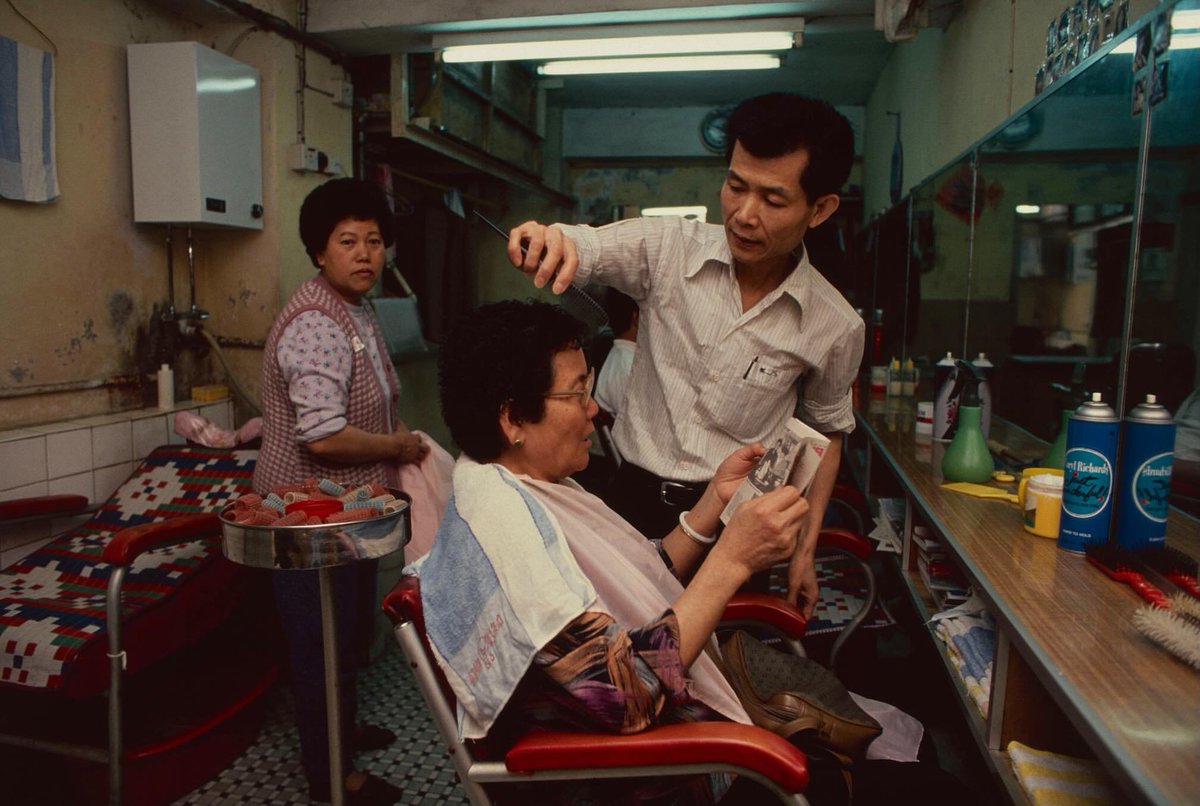
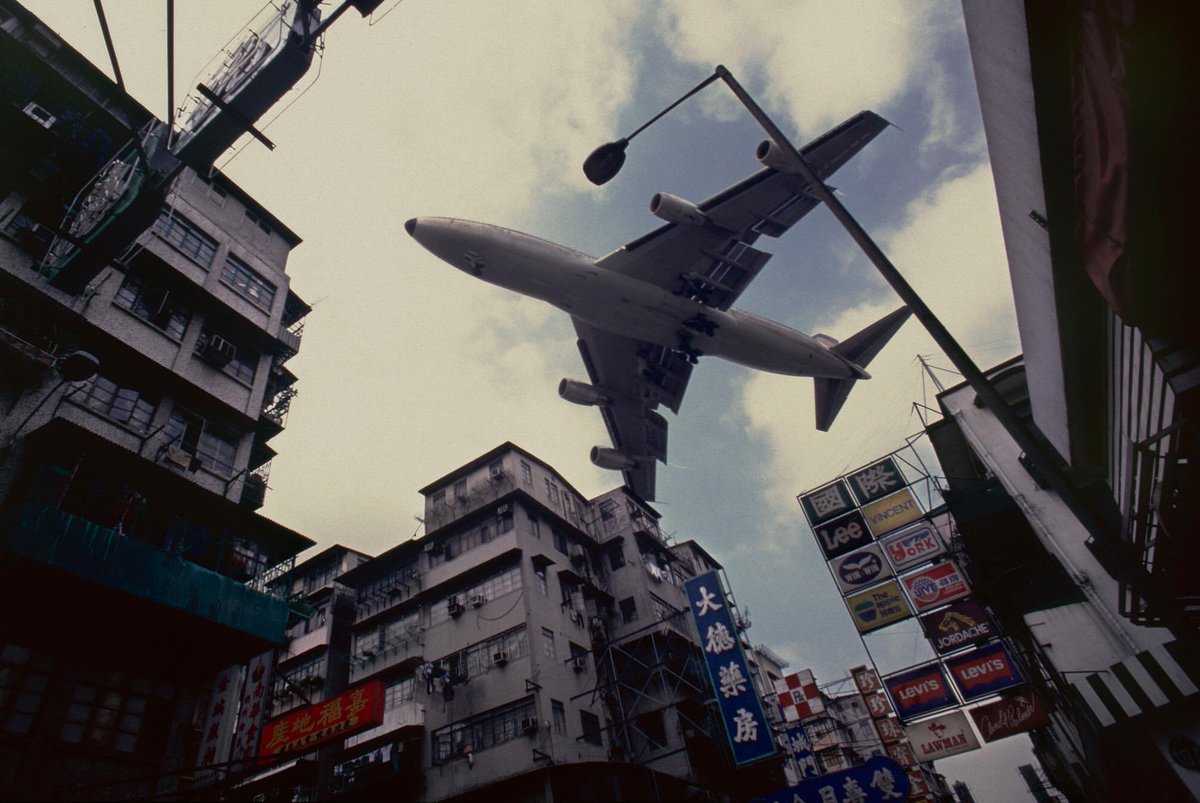
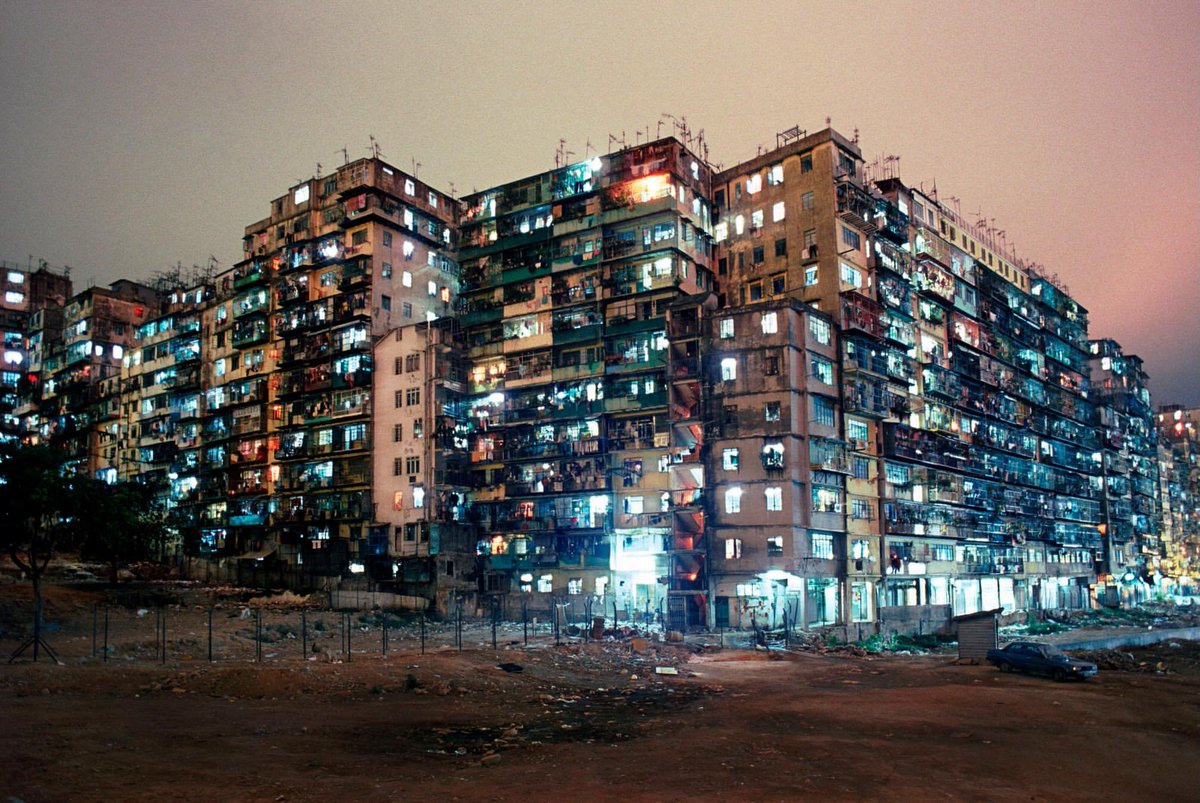
Unpublished Kai Tak airport and Kowloon Walled City pictures (except for the last one). Was looking for something else today and came across these. Hong Kong 1987-1990.
Link to “City of Darkness Revisited” and “HK:PM” in bio.
https://t.co/fcCHtVXXRf
1. Lufthansa 747 low over Kowloon City rooftops, on final into Kai Tak.
2. Hair salon, Kowloon Walled City.
3. Single room apartment, Walled City.
4. Walled City evening view.