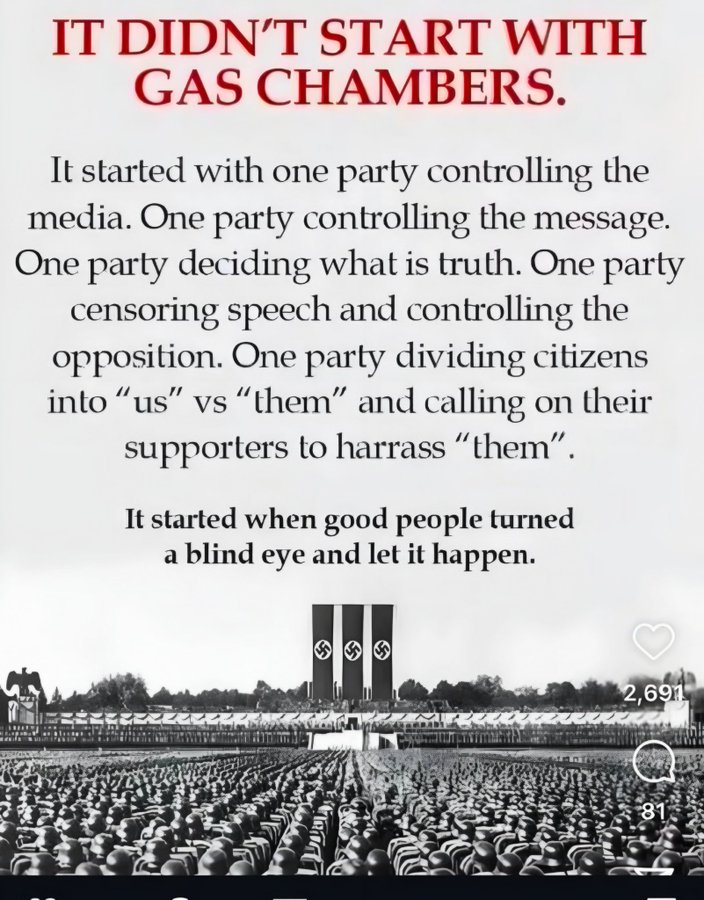
Covid-19 (twice-ventilated) Survivor. I am a Miracle! 💪🏼I woke up after 4 weeks in ICU to a whole new world. Was in rehab when Jan 6 came on my TV! 😨😢😡
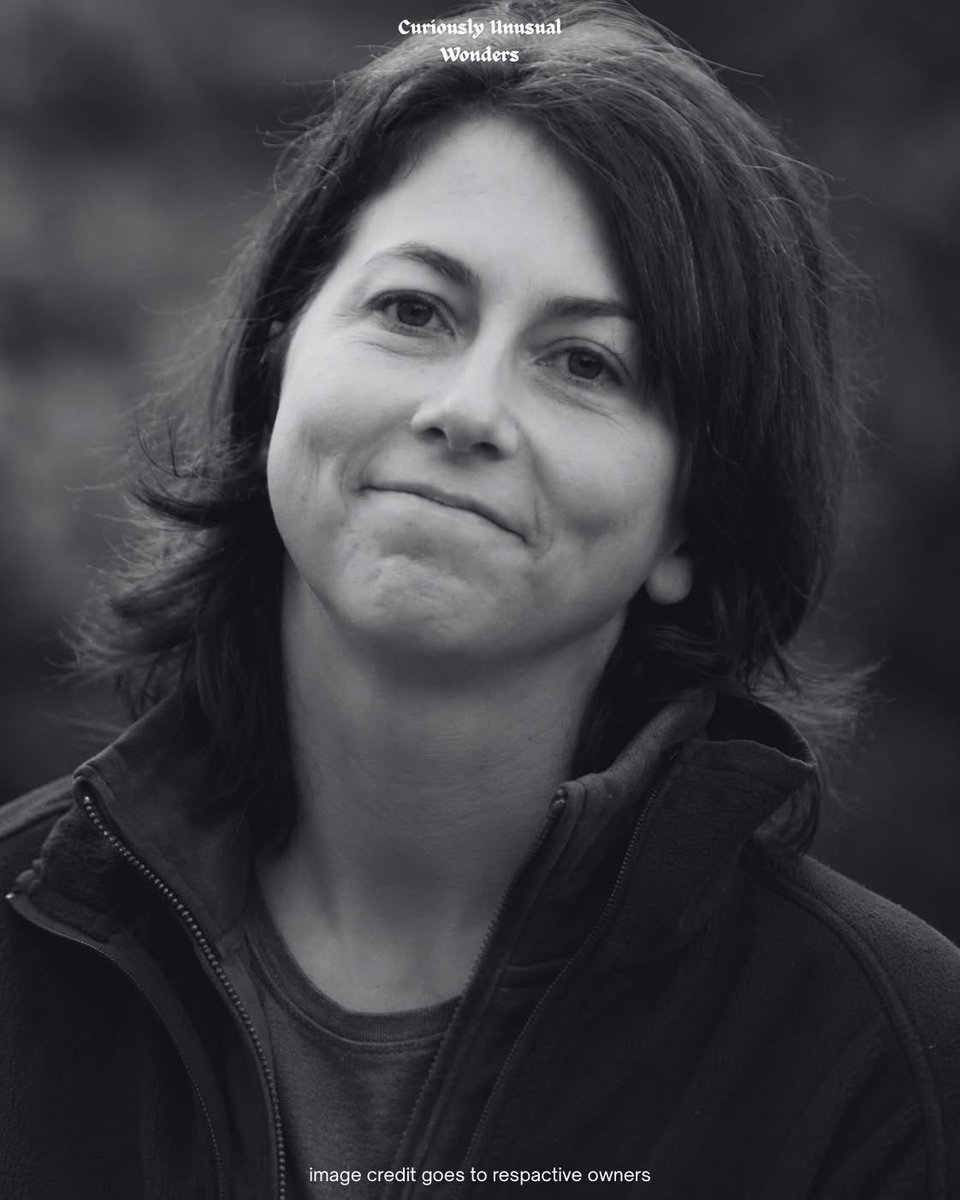
A young woman named MacKenzie Tuttle graduated from Princeton in 1992 with a degree in English. One of her professors was Toni Morrison, who later described her as one of the finest creative writing students she had ever taught.
After graduation, MacKenzie took a job at the New York investment firm D. E. Shaw. There she met a colleague named Jeff Bezos, who had an ambitious idea: selling books on the internet.
She didn’t laugh at the idea.
They married in 1993, and the following year drove across the country to the Seattle area to build what would become Amazon.
In the beginning, there was no global empire.
There was a garage.
MacKenzie handled accounting, wrote business materials, answered customer emails and phone calls, and packed orders alongside Jeff. Like many startups, everyone did whatever needed to be done.
As Amazon grew, MacKenzie stepped away from day-to-day operations to raise their four children while continuing to pursue her own passion for writing.
Her debut novel, The Testing of Luther Albright, won the American Book Award. She later published a second novel and quietly built a respected literary career.
Meanwhile, the story of Amazon became one of the most famous business stories ever told.
Jeff Bezos became one of the world’s most recognizable entrepreneurs.
MacKenzie’s role was rarely part of the public narrative.
She never seemed interested in changing that.
What many people don’t know is that she also knew financial hardship.
Her family filed for bankruptcy while she was still a student, and she has spoken about the kindness of people who helped her through difficult times—acts of generosity she never forgot.
In 2019, after her divorce, MacKenzie Scott received approximately 4% of Amazon’s shares.
Almost immediately, she made a decision that surprised the world.
She signed the Giving Pledge, promising to donate the majority of her wealth during her lifetime.
Then she did something even more unusual.
Instead of building a massive public foundation or attaching her name to buildings, she began giving away billions of dollars through large, unrestricted grants.
Universities.
Food banks.
Housing organizations.
Rural communities.
Women’s health initiatives.
Tribal colleges.
Climate organizations.
Small nonprofits that had never imagined receiving gifts of that size.
Many recipients reportedly thought the phone calls were scams.
They weren’t.
Since 2019, MacKenzie Scott has donated tens of billions of dollars to thousands of organizations, making her one of the most significant philanthropists of the modern era.
Despite giving away enormous sums, her fortune has remained substantial because of Amazon’s continued growth.
The woman who once packed Amazon’s first orders is now helping fund opportunities for millions of people she will probably never meet.
She never asked for buildings in her name.
She never demanded headlines.
Sometimes the greatest legacy isn’t the company you help build.
It’s what you choose to do with the success that follows.
Hope isn’t blind optimism — it arises in the face of uncertainty. If you look at our history, we’ve gone through some rough patches. But we tend to come out on the other side of them stronger than before.
Woe to those who manipulate religion and the very name of God for their own military, economic, and political gain, dragging that which is sacred into darkness and filth. #ApostolicJourney#Cameroon https://t.co/bKteFZ3iWE
Important words to remember amidst Donald Trump’s costly, chaotic unilateral decision to bring our country into war.
From Jimmy Carter’s Nobel Prize acceptance speech.
Dear MAGA,
You voted for this. All 77 million of you.
Gas prices UP
Food prices UP
America at WAR
Widespread corruption across the Trump administration
Americans terrorized on American streets
Children separated from families
Incompetent fools at every level of Trump cabinet.
The most important Oscar speech tonight wasn’t about film.
The director of “Mr. Nobody Against Putin” just said this from the stage:
“You lose your country through countless small acts of complicity. When we act complicit when a government murders people on the streets. When oligarchs take over the media and control how we produce and consume it. We all face a moral choice. But even a nobody is more powerful than you think.”
He was talking about Russia.
The audience knew he was talking about America too.
Elon Musk owns the platform you’re reading this on.
David Ellison is buying CNN — Pete Hegseth said it will be “far better” when he does.
The DOGE deposition videos were removed from YouTube.
The Epstein files are sealed.
The Pentagon won’t release a casualty count.
Countless small acts of complicity.
That’s how you lose it.
A nobody is more powerful than you think.
Never stop connecting the dots.
This isn’t leadership. This is blackmail.
The Department of Justice has now told Minnesota officials that they will remove ICE if they hand over their voter rolls - this is not how the law works.
We are about to piss away 80 years of the most effective alliance in world history because of the petulant child in the White House and the stoneless members of Congress unwilling to check him.
130 schools said no.
He led the losingest program in college football history to a national championship anyway.
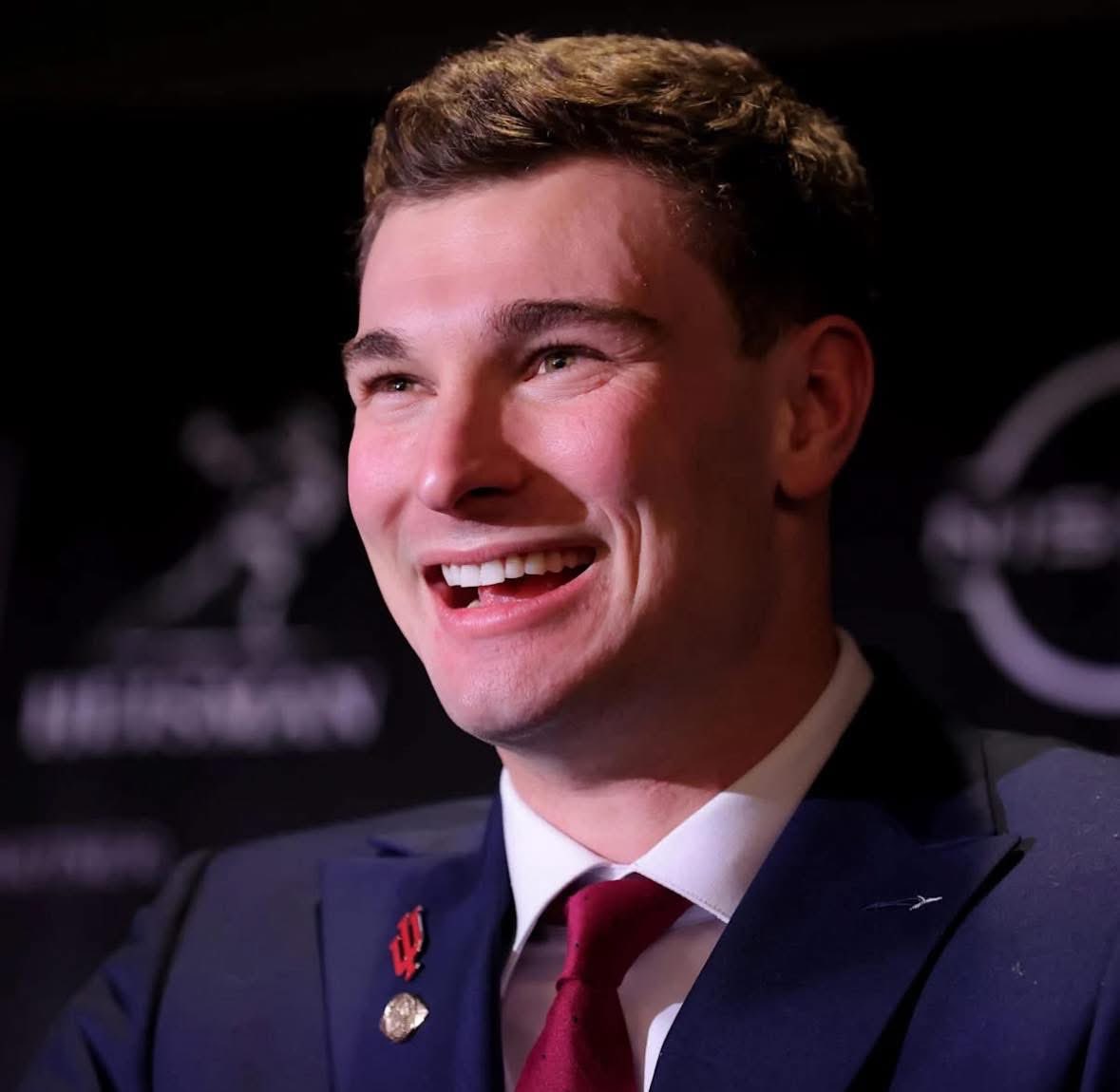
Fernando Mendoza was a 2-star recruit from Miami.
He tried to walk on at his hometown school. They passed.
So did FIU.
So did FAU.
So did everyone else.
At 17, he was sitting in his bedroom, crying over a silent recruiting inbox—after driving to 18 camps with his dad and sending highlights to more than 100 programs.
Not one FBS offer.
His only option? Yale. No scholarship. No NFL path.
Everyone told him to be “realistic.”
“Know your place.”
“Be grateful.”
He didn’t listen.
Because Mendoza understood something most people miss:
The worst outcome isn’t failing.
It’s never getting the chance to try.
Two weeks before signing day in 2022, his phone rang.
Cal needed a body. One offer. Out of 134 schools.
He took it.
He arrived as the third-string quarterback.
Spent a year on the scout team.
Lost his first four starts.
Got sacked 41 times behind a broken offensive line.
Still got up. Every time.
Then Cal brought in a transfer instead of building around him.
So Mendoza left the only school that had ever said yes.
He transferred to Indiana—the losingest program in college football history.
People laughed.
“Career suicide.”
“Graveyard program.”
“Nobody wins there.”
One coach told him something different:
“I’m going to make you the best Fernando Mendoza possible.”
That was enough.
Mendoza wasn’t just playing for football.
His mother has battled multiple sclerosis for 18 years.
Before every snap, he thought of her.
“My mother is my why.”
Indiana went 16–0.
Beat six Top-10 teams.
Won their first Big Ten title since 1945.
Mendoza threw 41 touchdowns.
Won the Heisman—first in school history.
First Cuban-American to ever do it.
Then came the title game.
Miami. Near his hometown.
Fourth-and-4. Season on the line.
Quarterback draw.
The kid 134 schools rejected spun through defenders and dove into the end zone.
Game over.
Indiana—national champions.
The losingest program became the best team in America.
All because a 17-year-old refused to believe “no” was the end.
Rankings don’t decide your ceiling.
Gatekeepers don’t write your ending.
Being overlooked isn’t a verdict—it’s a starting point.
Sometimes all you need is one shot…
and the courage to bet on yourself when nobody else will.
Don’t quit.
Credit: Barclay Mullins
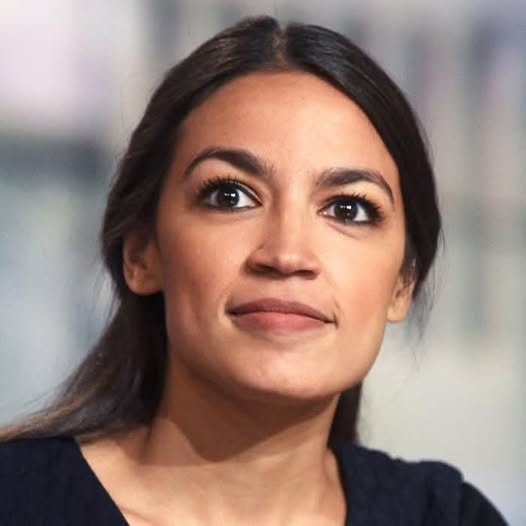
Chris Cuomo asked Alexandria Ocasio-Cortez how we pay for Medicare for All, tuition free college, and the green new deal. It gives people sticker shock. Her answer:
“People talk about the sticker shock of Medicare for All, but they do not talk about the sticker shock of our existing system. In a Koch brothers funded study, it shows that Medicare for All is actually much cheaper than the current system.
Let's not forget that the Supreme Court upheld the Affordable Care Act because they ruled that each of these monthly payments that everyday Americans make is a tax. We pay it every single month. (Or we pay at tax season if we don't buy plans off of the exchange.)
Americans have the sticker shock of healthcare as it is. Why aren't we incorporating the cost of funeral expenses of those who die because they can't afford access to healthcare? That is part of the cost of our system. Or the cost of reduced productivity because of people who need to go on disability or are not able to participate in our economy because they don't have access to the healthcare that they need?
At the end of the day, we see that this is not a pipe dream. Every other developed nation in the world has this. Why can't America? And that is the question we need to ask.
We write blank checks for war. We just wrote a $2 trillion check for the GOP tax cut. And nobody asks how are we going to pay for it.
So my question is why are our pockets only empty when it comes to education and healthcare for our kids? Why are our pockets only empty when we talk about 100% renewable energy that is going to save this planet and allow our children to thrive?
We only have empty pockets when it comes to the morally right things to do. But when it comes to tax cuts for billionaires or unlimited war, we seem to be able to invent that money very easily. To me it belies a lack of moral priorities that people have right now, especially the Republican Party.”