🌱 Ya están abiertas las inscripciones para el curso virtual Semillas de conocimiento: Agroecología básica aplicada al cultivo de plátano verde.
Una formación asincrónica para aprender sobre principios agroecológicos, multiplicación de plantas, elaboración de abonos orgánicos, manejo de bioinsumos y medidas de bioseguridad frente a Moko y Fusarium.
✅ 40 horas certificadas
✅ Acceso de por vida al material educativo
✅ Valor de inscripción: $20
✅ Precio especial por pronto pago: $10 hasta el 4 de mayo
Inscríbete aquí: https://t.co/yKrUKwlyII
The one brain structure that literally grows when you do things you HATE doing — and shrinks the moment you get comfortable.
Stanford neuroscientist Andrew Huberman dropped what he calls “one of the most important discoveries in the history of neuroscience” in a conversation with David Goggins.
It’s called the anterior mid-cingulate cortex (aMCC).
Recent human studies (not mice) show:
- It’s smaller in people with obesity → grows when they successfully diet
- Super-athletes have an unusually large aMCC
- People who live the longest keep this area big their entire life
- It enlarges every single time you force yourself to do something you genuinely do NOT want to do
- It shrinks almost immediately if you stop or if the same task becomes enjoyable
Huberman: “This isn’t the seat of intelligence or memory. This might actually be the seat of the WILL TO LIVE.”
The rule is brutal but simple:
If you love your ice bath → no growth
If you’re terrified of cold water but get in anyway → aMCC gets bigger
Skip a day or start liking it → it shrinks again tomorrow
Huberman waited years to tell David Goggins about this because Goggins has been unconsciously training his aMCC harder than almost anyone alive.
Watch the full clip below — it will permanently change how you think about discomfort, willpower, and longevity.
What’s one thing you really don’t want to do today… that you’re going to do anyway?
Drop it in the comments. Let’s build that aMCC together.
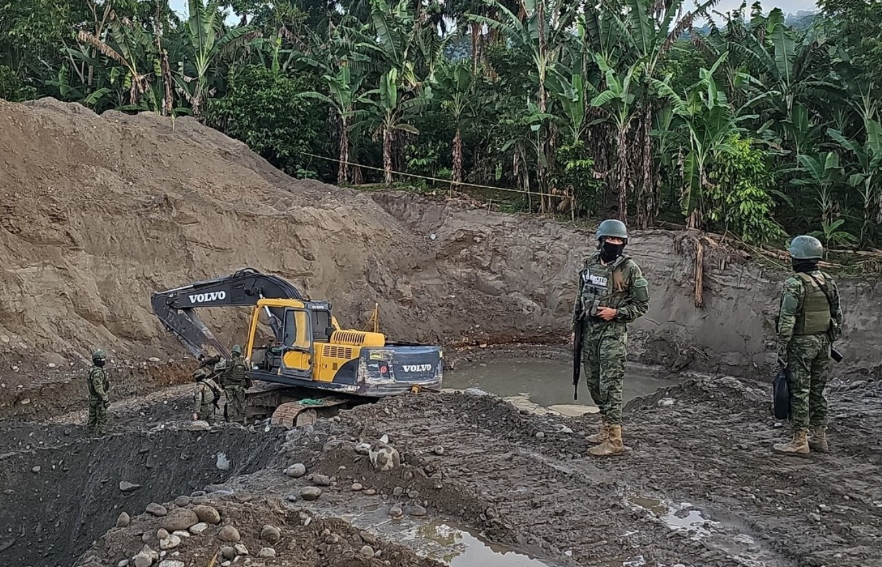
presidente @DanielNoboaOk los operadores mineros avanzan a pasos agigantados hacia las áreas protegidas, Reserva Colonso Chalupas y el Parque Nacional Llanganates en el Cantón Tena y Carlos Julio Arosemena Tola. Dejando sin agua segura a las comunidades de le Parroquia Talag.
Australia acaba de hacer lo impensable: desde diciembre de 2025, los menores de 16 años no podrán usar redes sociales.
No es un debate. No es una recomendación. Es ley.
En el mundo hay chocolates buenos…
y luego está el del Ecuador.
Si nunca has probado uno, no tienes idea de lo que es un chocolate de verdad.
Este hilo es una lección de sabor e historia.
🧵 🍫 🇪🇨
This is not a comprehensive list, but I want you to know what pathogens to look out for if you are oral microbiome testing.
Having about 5% of your microbial make-up being “pathogenic” can be normal, and they may not act negatively in those ratios. It’s when the “bad guy” % creeps up to unhealthy levels that we grow more concerned.
Disruption or overgrowth of specific oral pathogens has been linked to chronic inflammation, neurodegeneration, cardiovascular disease, adverse pregnancy outcomes, and even certain cancers. These microbes don’t just stay in the mouth, they enter circulation, leading to inflammation and immune responses, and can influence the gut-brain axis.
1.Porphyromonas gingivalis: Keystone pathogen in periodontitis; produces gingipains that degrade immune proteins and may breach the blood-brain barrier (linked to Alzheimer’s)
2.Tannerella forsythia: Expresses virulence factors that disrupt epithelial barriers; correlated with increased atherosclerotic risk
3.Treponema denticola: Spirochete that synergizes with P. gingivalis; promotes collagen breakdown and neuroinflammation
4.Fusobacterium nucleatum: Adheres to epithelial cells, coaggregates with other pathogens; associated with colorectal tumor progression
5.Aggregatibacter actinomycetemcomitans: Produces leukotoxin A; causes aggressive periodontitis and systemic leukocyte dysfunction
6.Candida albicans : Opportunistic fungal pathogen; biofilm-former; linked to oral candidiasis, leaky gut, and SIBO. Top cause of cavities in kids.
7.Prevotella intermedia: Produces proteolytic enzymes and LPS; elevated in dysbiotic oral environments and linked to preterm labor
8.Streptococcus mutans: Acidogenic and aciduric; drives enamel demineralization and cariogenic biofilms
9.Eikenella corrodens: Facultative anaerobe; implicated in mixed infections, including infective endocarditis and head/neck abscesses
10.Actinomyces spp.: Early colonizers in plaque; associated with root surface caries, chronic low-grade inflammation
@bristlehealth is my favorite test and what I use with my patients and myself (I test annually as part of my routine labs).
🤍Doctor Staci
A pesar de los esfuerzos de la @PoliciaEcuador los manifestantes vuelven a cerrar la vía antes de la Y de Tabacundo.
Es inaceptable que bajo el pretexto de reclamar derechos paralicen y afecten los servicios; así como, el derecho al trabajo de todos.
Actos como esto solo demuestran la violencia con la que actúan y la falta de propuestas de sus dirigentes.
#NoALaViolencia
Miguel Uribe habló en múltiples ocasiones sobre la seguridad en Colombia.
Hoy, sus palabras vuelven a ser noticia tras conocerse su fallecimiento. #CruzaElDato