when i was little, i didn’t understand why china would would want to see random people. eventually, i realised they weren’t airing it on tv like a reality show, so i figured they must just be making the cameras or something.
@cave__witch i studied about a bit about the egyptian economy in 2014 focusing on capitalism needing women in the workplace clashing with rest of the ideology of the people pushing aggressive neoliberalism at the time.
a egyptian once told me capitalism works so well in egypt bc every egyptian thinks they’re the only smart egyptian and should be allowed to profit off of the other idiots. idk if that checks out lol
ai slop??
kelp has been part the sheep & cattle diet in orkney since the neolithic era. kelp was plentiful in winter and supplemented their diets when grass was scarce. the north ronaldsay sheep is unique for ONLY eating kelp year round. other feed could kill them.
A Scottish laird threw his sheep onto a beach in 1832 and left them to starve. They are still down there, still eating, and they have since evolved so far into the job that a green field would now poison them.
North Ronaldsay is the last island in Orkney before there is nothing. Three miles long, flat as a table, and windier than is strictly reasonable. The laird wanted the middle of it for cattle and crops, so out went the natives to the shore, which is a decision that reads perfectly well in an estate office and looks somewhat different when you are standing on shingle in February.
To keep them there, the islanders built a drystone dyke round the entire circumference of the island. Thirteen miles, six feet high, laid by hand, no mortar, still standing. It is a Grade A listed structure, so a wall put up to inconvenience sheep now enjoys the same legal protection as Edinburgh Castle.
Nobody expected the flock to make old bones.
They took up kelp.
There are two land mammals on this planet that live on seaweed. One is the marine iguana of the Galápagos, which has never been more than about nine feet from a film crew. The other is a small brown sheep in Orkney that nobody has heard of, working a beach in the dark.
And they did not just get by. They reorganised their entire lives around the tide. They sleep through high water and rise for the ebb, which is two hundred years of tide table written into an animal with no clock and no reason to care. Winter storms tear the kelp off the seabed and dump it up the shore, so while every other flock in Britain is going backwards on hay, the beach sheep are gaining condition in January on a crop nobody planted, watered, ploughed, sprayed or paid a penny for.
Seaweed carries almost no copper. So they evolved to hoover up every atom of it going, and that machinery has no off switch. Put one on ordinary pasture and it keeps taking copper on board at beach rates until the liver packs in. They are the most copper-sensitive mammals known to science, and a field of good Orkney grass is, to a North Ronaldsay, a slow poisoning with a lovely view.
Which leaves the arrangement completely inside out.
The wall was built to keep the sheep off the good ground.
The wall is the only thing keeping them alive.
About 2,500 of them, owned communally by a dozen or so islanders, descended from animals that were on that shore before the Vikings arrived and formed opinions about it. Every winter knocks a few more sections of dyke down. Every summer a handful of people put a few back up. Only one of those lines is heading the right way.
The kelp industry the wall was built to replace collapsed and is gone. The laird is gone. The crops are gone. Most of the islanders are gone.
The sheep he sentenced to death are out there tonight, waiting on the tide, farming the only ground in Britain that gets delivered twice a day by the sea.
part of the adaptation to the kelp diet is that they’ve gotten super specific about how much of different minerals they absorb. they’re now to good at copper absorption to only eat grass. eventually, they’d they’d get copper toxicity and could die. they’re like better koalas.
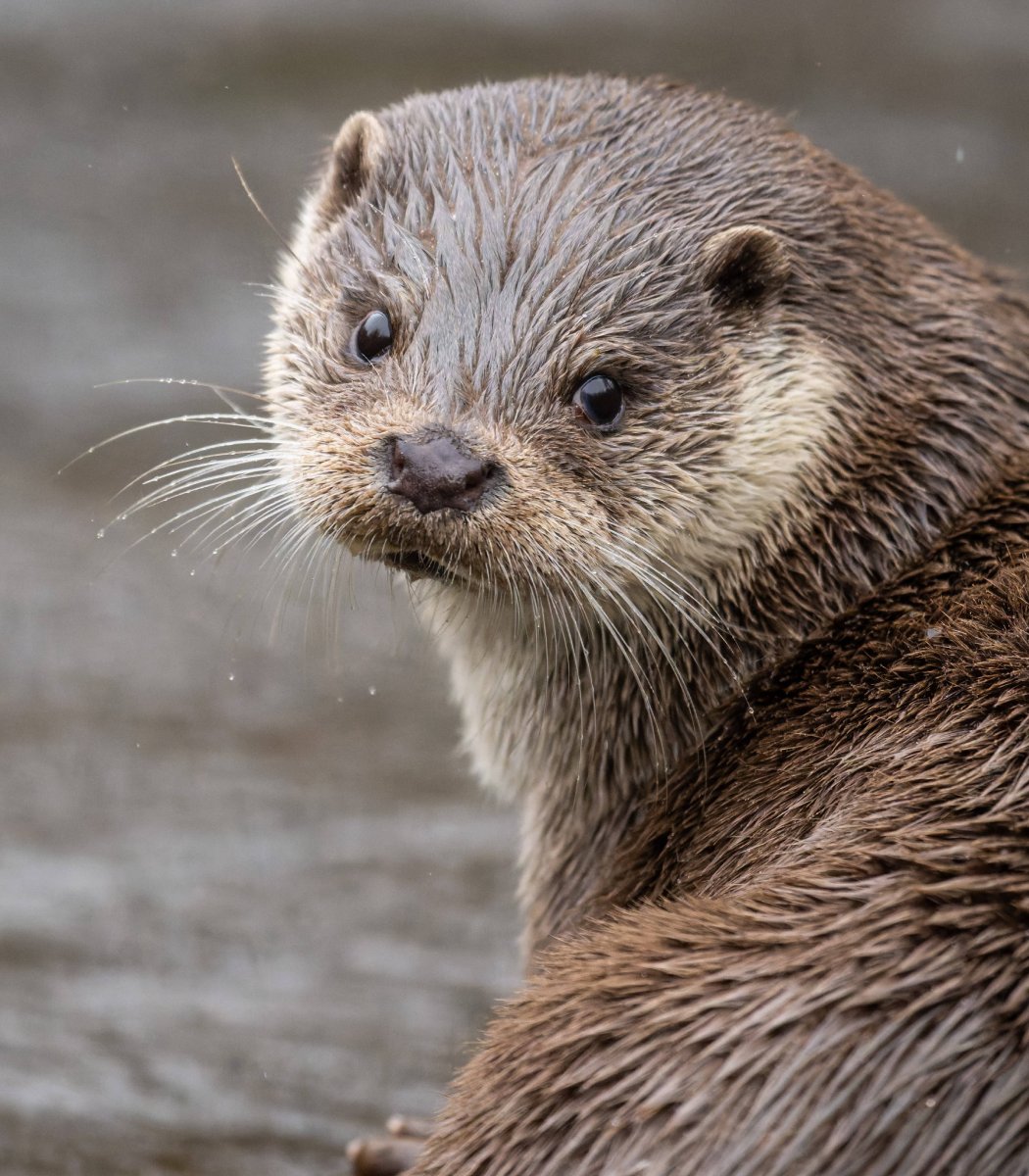
An otter has been spotted in the Bronx River for the first time in more than 100 years.
Experts say it's an encouraging sign that New York’s previously befouled waterways are recovering some of their ecological health.
@Connor134159 too bad you’re also retweeting accounts who stoke racial hatred under the guise of just news. hope you lock in on your studies and figure out how not to fall for obvious bait that’ll have you obsessed with migrants while the country is sold off by people with actual power
after this, anyone who starts with the “businesses wouldn’t kill their customers bc of the market” or whatever should be put down. or become a another host for the rfk jr brain worm.