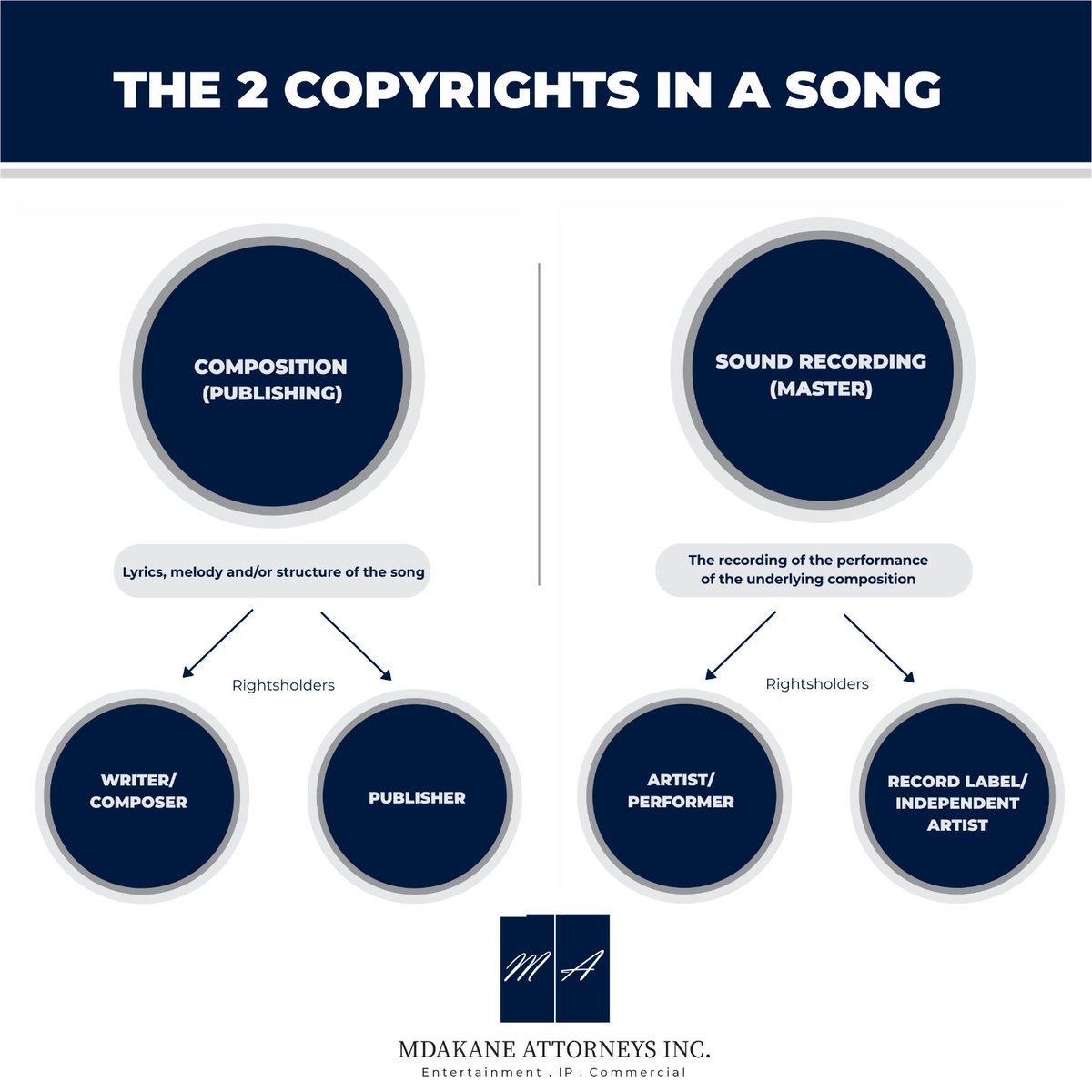
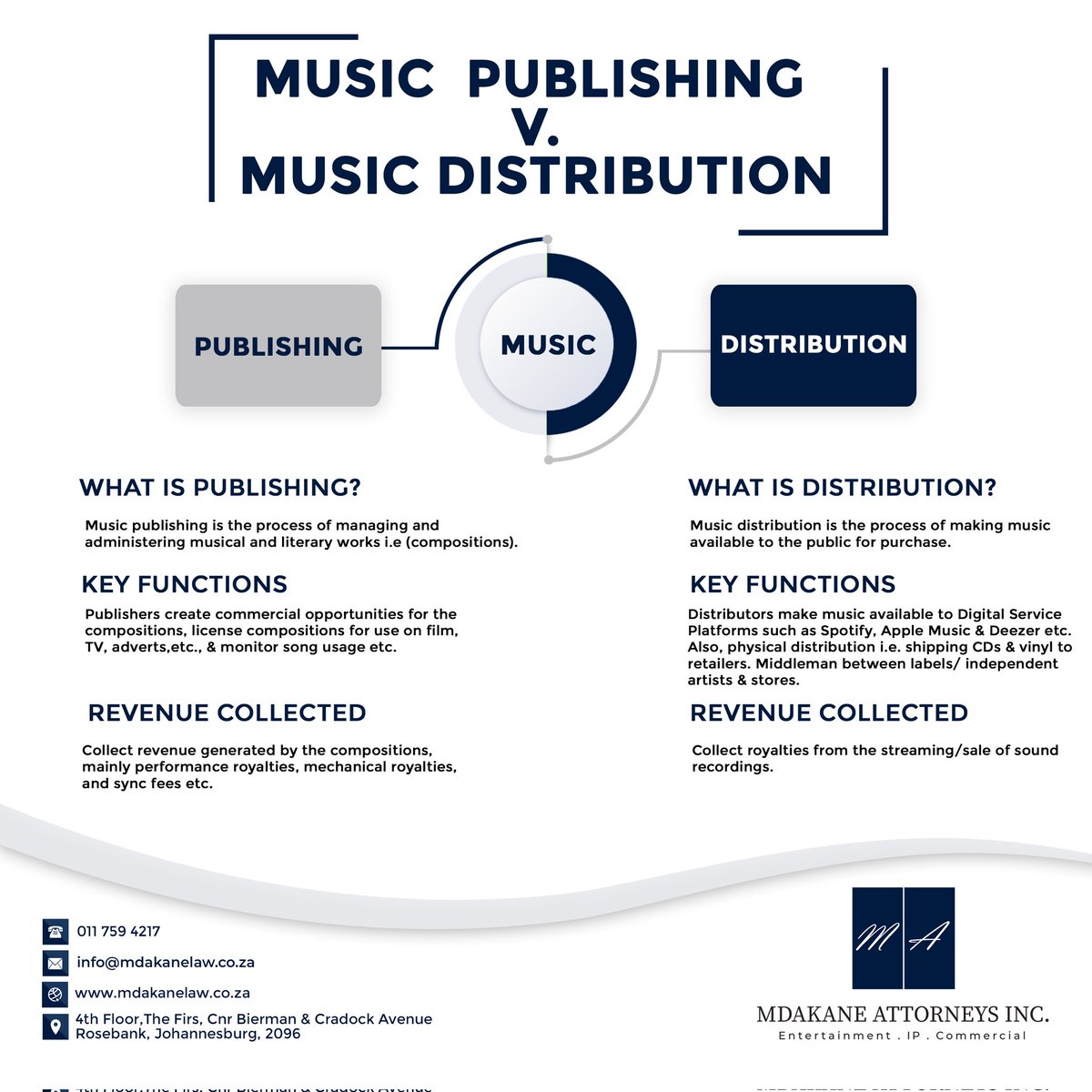
In order to understand the flow of money in the music business, it is absolutely crucial that you understand the below infograph. #musiclaw#entertainmentlaw
FEATURED ARTIST AGREEMENTS: 6 KEY POINTS
Artist collaboration disputes have gained increasing attention in South Africa. Many big songs are plagued by disagreements over ownership, royalties and credits. Featured Artist Agreements are designed to minimise such disputes.
Here are 6 key points to look out for in a Featured Artist Agreement:
1. MASTER OWNERSHIP
Typically, the primary artist or the record label will own the copyright in the sound recording (also known as the (“master”). This is because the primary artist or the label would have paid for the making of the sound recording. It’s not uncommon, however, for parties to agree to jointly own the sound recording.
2. COMPENSATION
The primary artist and featured artist should set out their desired compensation structure. The featured artist may receive a flat fee or percentage from the sales and streaming of the sound recording or a combination of both.
Additionally, accounting periods should be clearly stipulated i.e. how often the featured artist will receive financial reports and payment. There seems to be a tendency of artists to conclude agreements that only specify their respective shares in the song without addressing the timing of payments and other aspects. This is a recipe for disaster.
3. PERSONALITY RIGHTS
A clause addressing how the featured artist’s name, likeness and personal attributes are to be used is very important in a Featured Artist Agreement. To prevent unwanted associations or endorsements, featured artists should ensure that the agreement confines the usage of their name, likeness and personal attributes solely to the promotion of the song.
4. MARKETING AND PROMOTION
The primary artist or the record label will usually take the responsibility of promoting the song. However, a big part of collaboration is to leverage the featured artist’s involvement. As such, the primary artist may want to clearly define the featured artist’s participation in promotional activities such as the shooting of a music video, public appearances, interviews or social media posts related to the song. Can you imagine incurring the cost of a music video and the featured artist doesn’t show up?
5. CREDIT
Attribution is one of the most important aspects of collaboration. The agreement should detail how and where the featured artist will be credited. Crediting artists not only enhances reputation and visibility but may affect the payment of royalties. For instance, the South African Music Performance Rights Association (“SAMPRA”) will want to satisfy itself of the featured artist’s participation as a performer on the sound recording prior to allocating needletime royalties.
6. COMPOSITION ROYALTIES/ PUBLISHING
The agreement should set out the featured artist's ownership share in the copyright in the composition if the featured artist made a songwriting contribution. If not, the agreement should still clearly identify the writers and their respective shares in the composition.
NOTE: The points outlined above are not exhaustive and should not be considered hard and fast rules. Every agreement is unique and should be tailored to fit the specific needs and circumstances of the parties involved. It is always advisable to seek legal advice.
Traditionally, a producer was seen as the overarching creative and technical supervisor of a recording project, while a beatmaker focused on creating the instrumental tracks, or “beats.” In recent years, the roles of producers and beatmaker have increasingly overlapped, to the point where they are often considered the same.
The rise of popular music genres such as Amapiano, House and Hip Hop has brought with it, disputes over royalties, credit, and ownership. Many of these disputes often involve producers.
These issues highlight the need for producers and artists/labels to enter into clear and comprehensive Producer Agreements to reduce disputes.
Here are 6 KEY POINTS to consider in a Producer Agreement:
1. MASTER OWNERSHIP
Generally, the artist or label will fund the recording and as such, will want to own the copyright in the sound recording (also known as the “Master”). The Producer Agreement will usually contain language requiring the Producer to transfer any rights he/she may have in the Master to the artist or label.
2. COMPOSITION ROYALTIES/PUBLISHING
If the producer made a contribution to the songwriting, (this includes making the beat and/or melody) the Producer is entitled to a share in the copyright in the musical work (also known as the “Composition”). A Producer Agreement should specify the composition ownership splits alternatively it should cross reference a split sheet.
3. PRODUCER POINTS
While a producer will typically not own the Master, the producer can participate in the revenue flowing from the sales and streaming of the Master. producer points are a percentage of the sales and streaming of the Master that the producer is entitled to. One point represents one percent.
The typical rate for a producer working with an artist signed to a major label is 3-4% of the artist’s royalty rate. Yes, the producer points are usually deducted from the artist’s royalty rate. In a traditional major label deal, an artist generally earns 16-20% of the sales and streaming revenue.
However, a producer working with an independent artist should be able to negotiate 15-20% of sales and streaming revenue. Big-name producers may be able to negotiate an even higher percentage.
4. UPFRONT FEE
The Producer may request an upfront fee for their participation in the project. The Producer Agreement should clearly outline when the fee is payable and the remedies available to the producer should the fee not be paid.
Some labels may want to recoup this fee before the producer earns from sales and streaming. As with everything else, this is negotiable.
5. CREDIT
Naturally, a producer should be credited as such. A producer will also be credited as a co-writer (where applicable). In addition, some producers may want to be credited as a Featured Artist e.g. ‘Artist XYZ Feat. Kelvin Momo’. This usually happens with big-name producers who release their own music as the primary artist.
Credit is crucial as attributing producers to their work is a promotional tool that opens up future opportunities. Similarly, an artist may want to benefit from being listed alongside a big-name producer. The parties should negotiate their preferred credit specifications.
6. ACCOUNTING & AUDITING
A Producer Agreement should include provisions for regular accounting statements and the right to audit the artist or label’s records. This helps producers verify their earnings and address discrepancies.
NOTE: The points outlined above are not exhaustive and should not be considered hard and fast rules. Every agreement is unique and should be tailored to fit the specific needs and circumstances of the parties involved. It is always advisable to seek legal advice to ensure that all relevant aspects are adequately addressed and that the agreement reflects the true intent of the collaboration.
In his book, ‘South African Music Law, Contracts & Business’ Advocate Nick Matzukis likens a band agreement to an antenuptial agreement. This is a very useful way to view it and yes, it is absolutely THAT serious.
MEMBERS OF THE MUSIC DUO THE NEPTUNES INVOLVED IN LEGAL DISPUTE OVER “THE NEPTUNES” TRADE MARK
Another dispute involving the rights to a band/group name has been reported. This time, the dispute involves the well-known songwriting and production duo, The Neptunes.
To avoid chaos, artists are encouraged, from the onset, to enter into a comprehensive band agreement that addresses, amongst other things, trade mark ownership portions, the use of the band name by former members, administration, licensing, and compensation.
Music Distribution and Music Publishing are two very important processes in the music business value chain. While the two processes are instrumental (pun intended) in getting music to the ears of the consumer, they are vastly different and should never be confused.
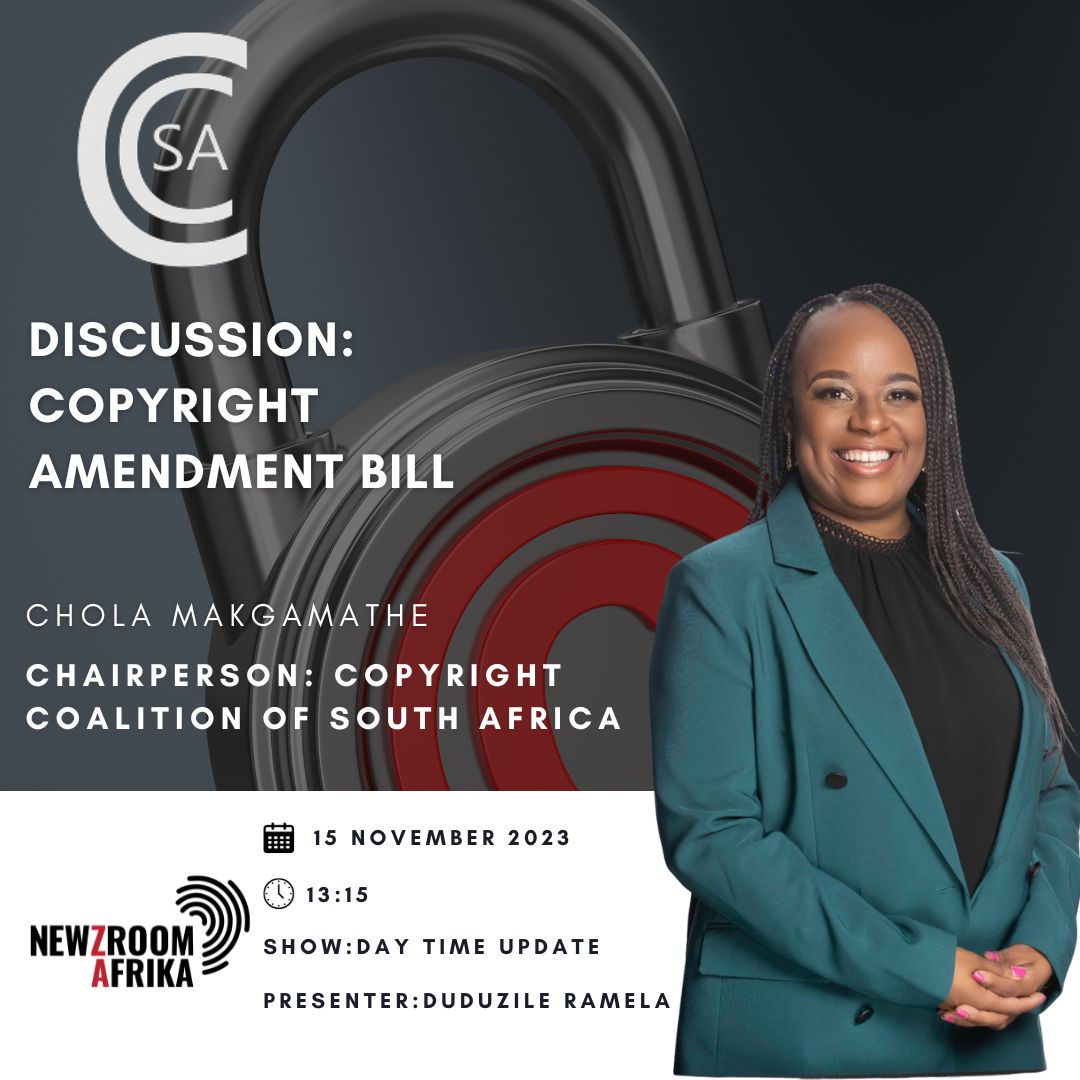
Join us this afternoon for an engaging discussion with Chola Makgamathe, Chairperson of the @CCSA_Official, as she explores the details of the Copyright Amendment Bill with Duduzile Ramela on Newzroom Afrika. Don't miss out on this informative discussion.