After 21 years at my dream job, I’m very sad to announce my early retirement from the National Institutes of Health. My life’s work has been to scientifically study how our food environment affects what we eat, and how what we eat affects our physiology. Lately, I’ve focused on unravelling the reasons why diets high in ultra-processed food are linked to epidemic proportions of chronic diseases such as diabetes and obesity. Our research leads the world on this topic.
Given recent bipartisan goals to prevent diet-related chronic diseases, and new agency leadership professing to prioritize scientific investigation of ultra-processed foods, I had hoped to expand our research program with ambitious plans to more rapidly and efficiently determine how our food is likely making Americans chronically sick.
Unfortunately, recent events have made me question whether NIH continues to be a place where I can freely conduct unbiased science. Specifically, I experienced censorship in the reporting of our research because of agency concerns that it did not appear to fully support preconceived narratives of my agency’s leadership about ultra-processed food addiction.
I was hoping this was an aberration. So, weeks ago I wrote to my agency’s leadership expressing my concerns and requested time to discuss these issues, but I never received a response. Without any reassurance there wouldn’t be continued censorship or meddling in our research, I felt compelled to accept early retirement to preserve health insurance for my family. (Resigning later in protest of any future meddling or censorship would result in losing that benefit.) Due to very tight deadlines to make this decision, I don’t yet have plans for my future career.
The NIH has been a wonderful place because it allows scientists to take risks, form unique collaborations, and do studies difficult to conduct elsewhere. I’m proud of what we’ve accomplished and I’m fortunate to have had such wonderful colleagues and scientific collaborators. I hope to someday return to government service and lead a research program that will continue to provide gold-standard science to make Americans healthy.
Down over 60%. That’s how far federal research funding has fallen compared to this time last year. Every delay in funding is a delay in delivering for the health of American people.
About a month after Donald Trump took office, almost all grant-review meetings remain suspended at the US National Institutes of Health, preventing the world’s largest public funder of biomedical research from spending much of its US$47 billion annual budget.
https://t.co/DoVvF0MIsK
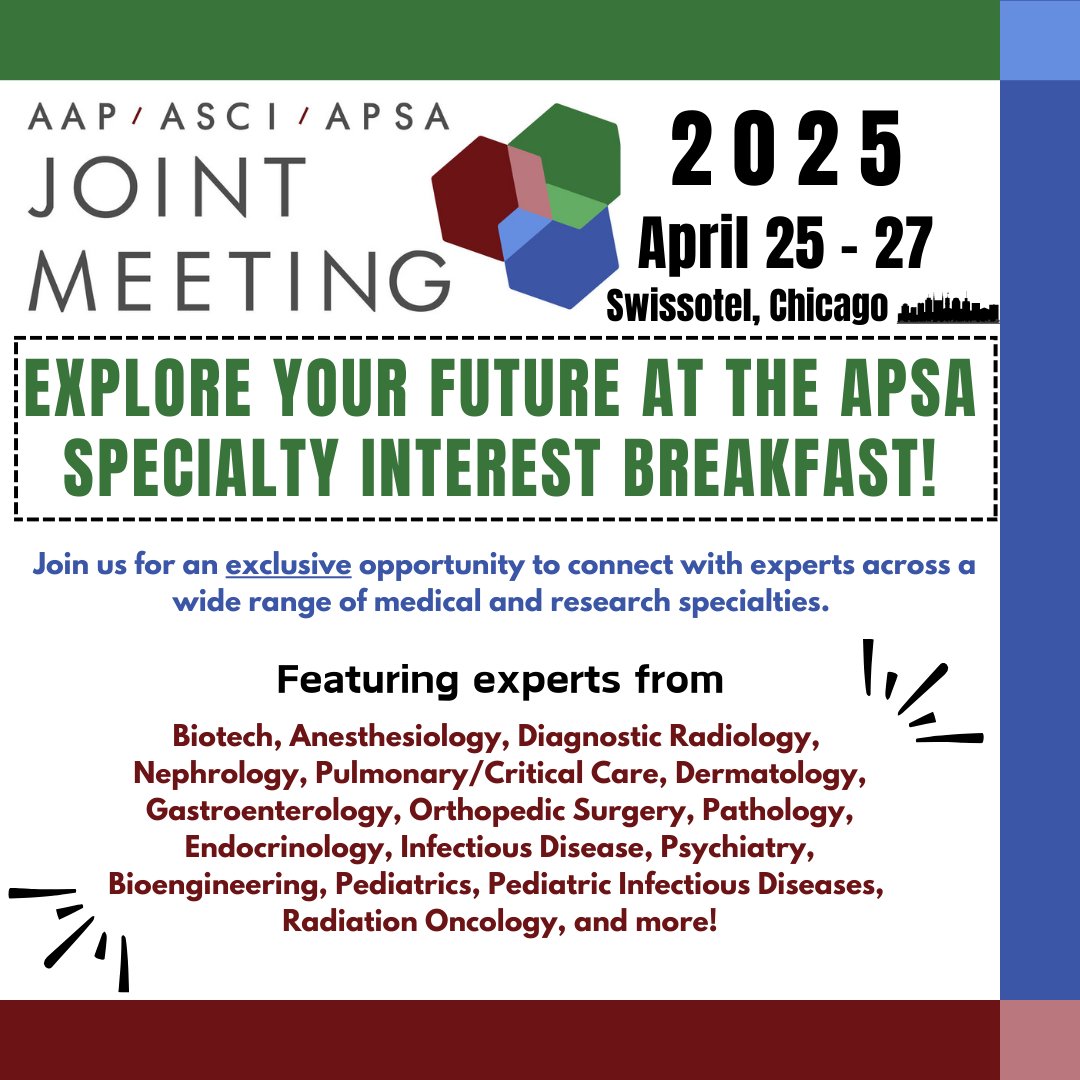
🥞 Explore Your Future at the APSA Specialty Interest Breakfast! ☕🍳
Join #JointMeeting2025 to connect with experts across biotech, surgery, pediatrics, psych, ID & more! 🌟 More specialties coming soon—don’t see yours? Let us know!
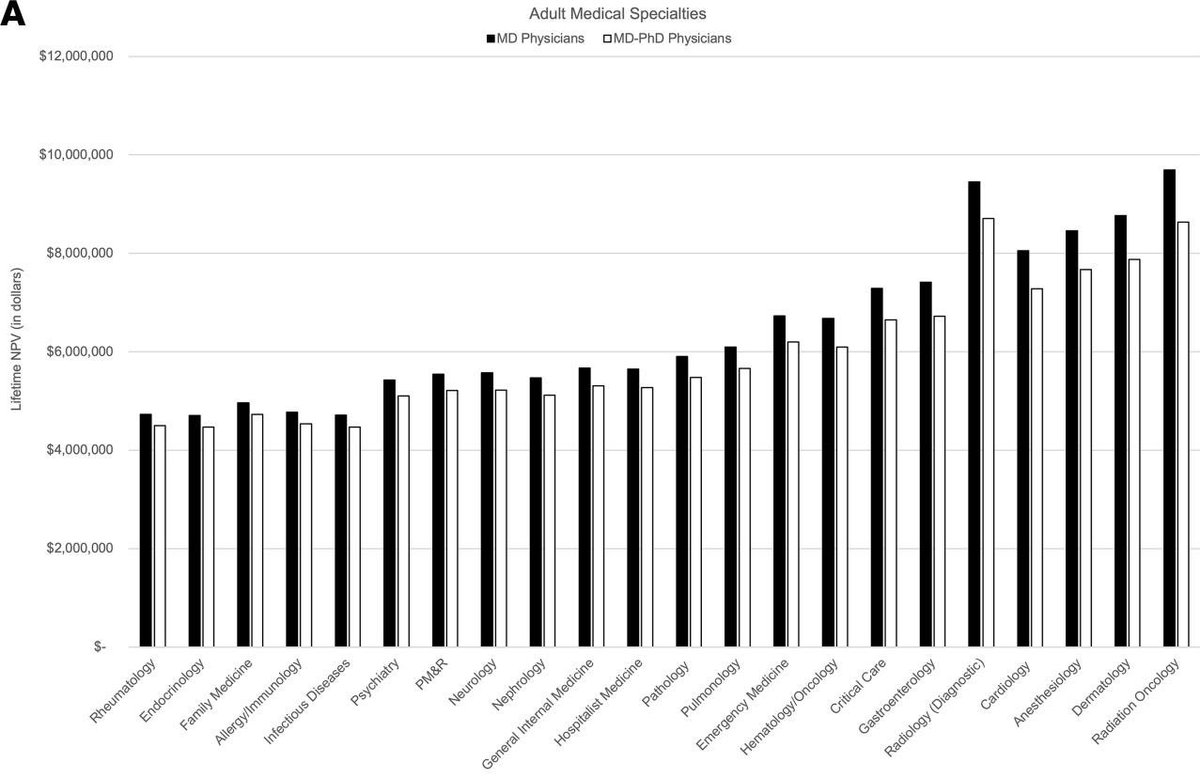
🔹MD-PhDs had a lower lifetime earning potential than MDs
��Inverse relationship between earning potential and research effort
🔹MD-PhDs in high-earning specialties tending to spend less time on research @jclinicalinvest
https://t.co/wuDVKkXwy8
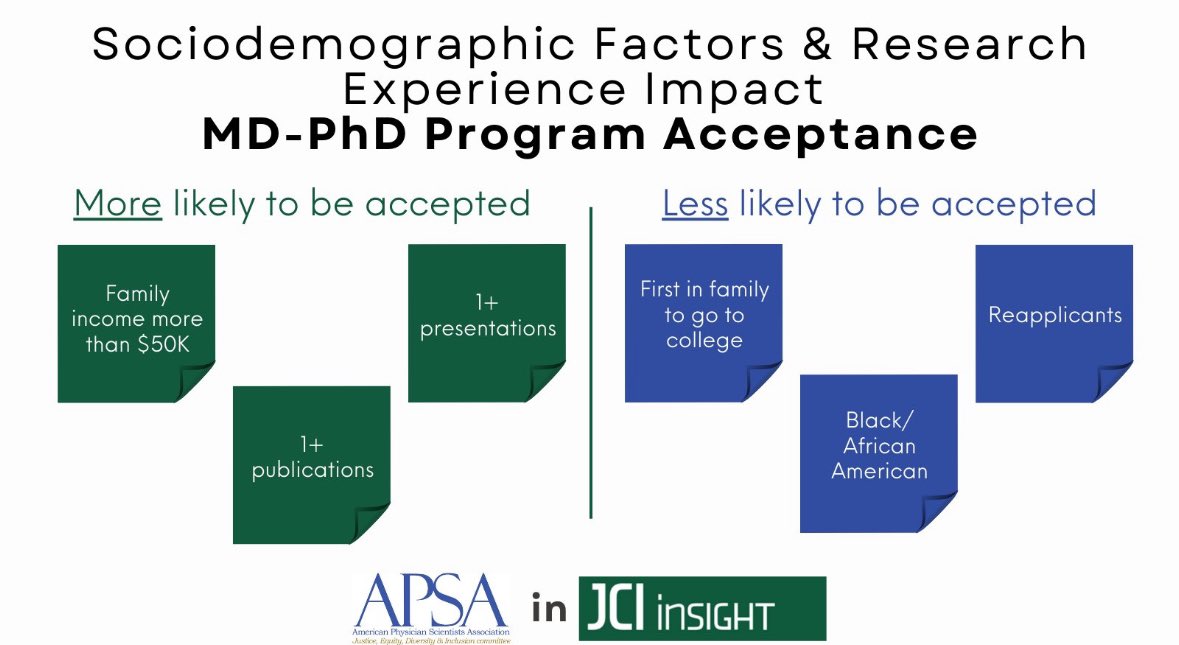
Yesterday, @JCI_insight pubbed our study examining MD-PhD program acceptance & how it varies by demographics & research experience.
1st-gen, Black or reapplying applicants were less likely to be accepted, regardless of research experience & publications.
https://t.co/xzvlAppdN8
Never too late
There are people who had jaundice, ascites, encephalopathy, and variceal bleeding 2-3 years ago who are, today, loving life, working, and having ultrasounds read as "normal" with no red whatsoever in their lab panels
All because they stopped drinking alcohol
A patient who was intubated and sedated told me today that he heard a lot of conversations during that time. And wishes people still greeted him when entering his #ICU room. Even though he could not show a response, he wanted to be included.
#MedTwitter#ICURehab#CriticalCare
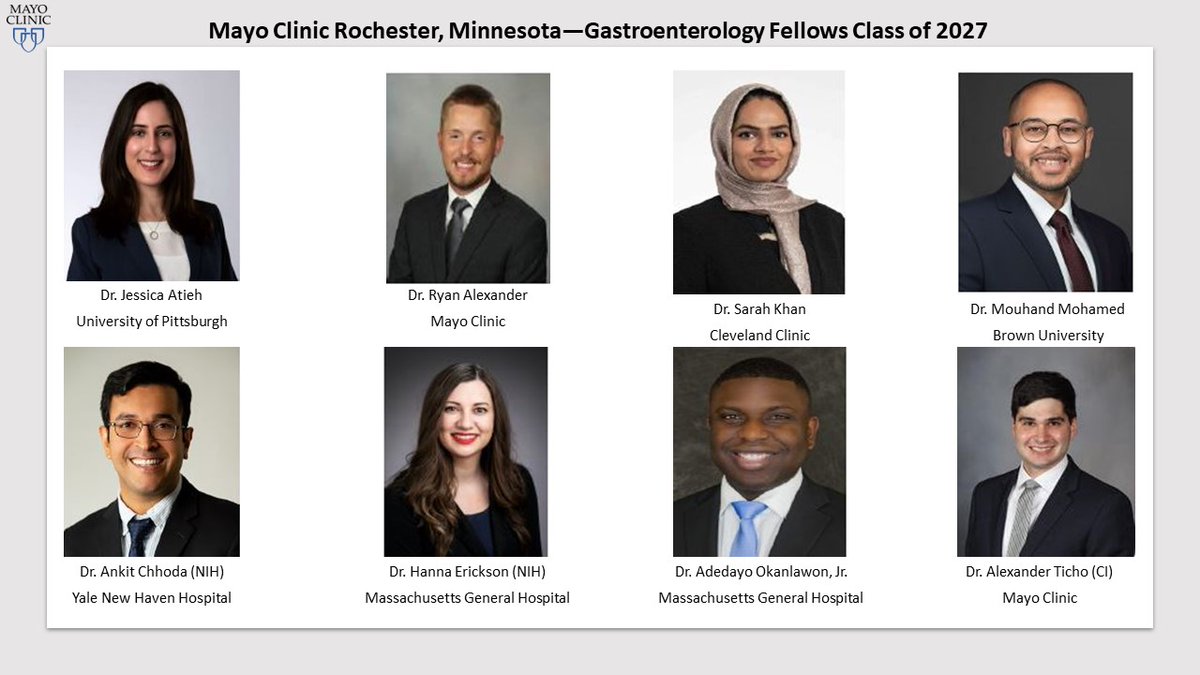
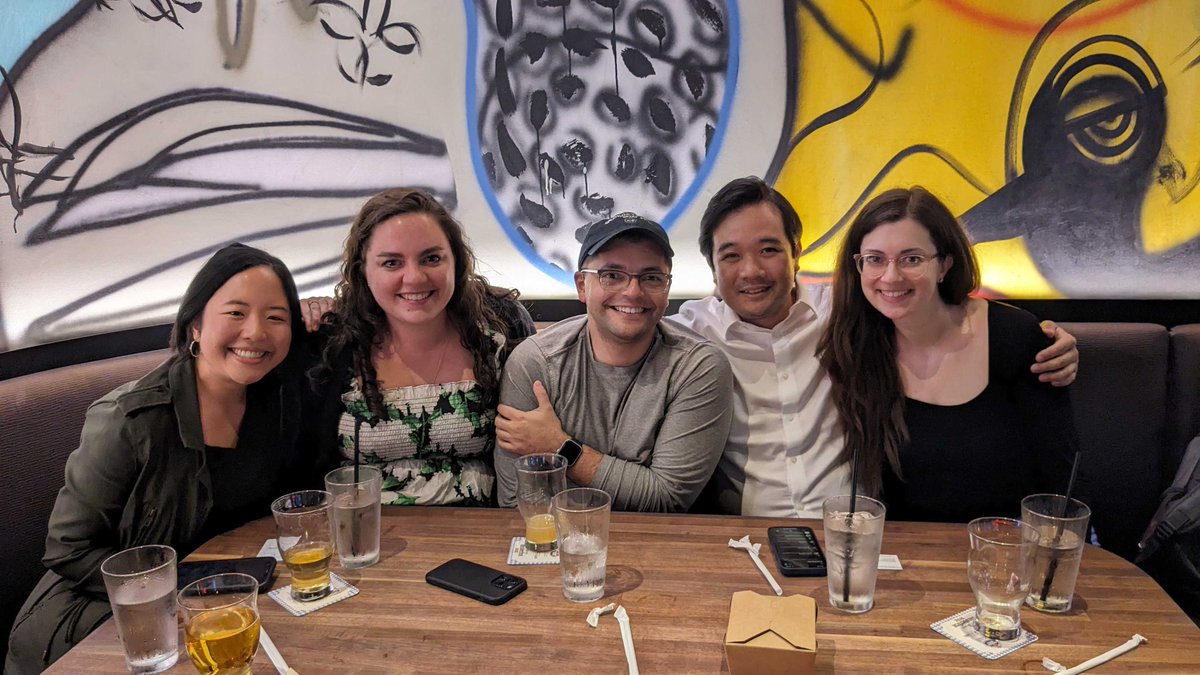
APSA Past-President, Jose Rodrigues, President-Elect, Cynthia Tang, and Treasurer, Carey Jansen, are in Boston this week for the National Resident Matching Program Conference and caught up with APSA Founder/Past-President, Freddy Nguyen and Past-Vice President, Hannah Erickson!
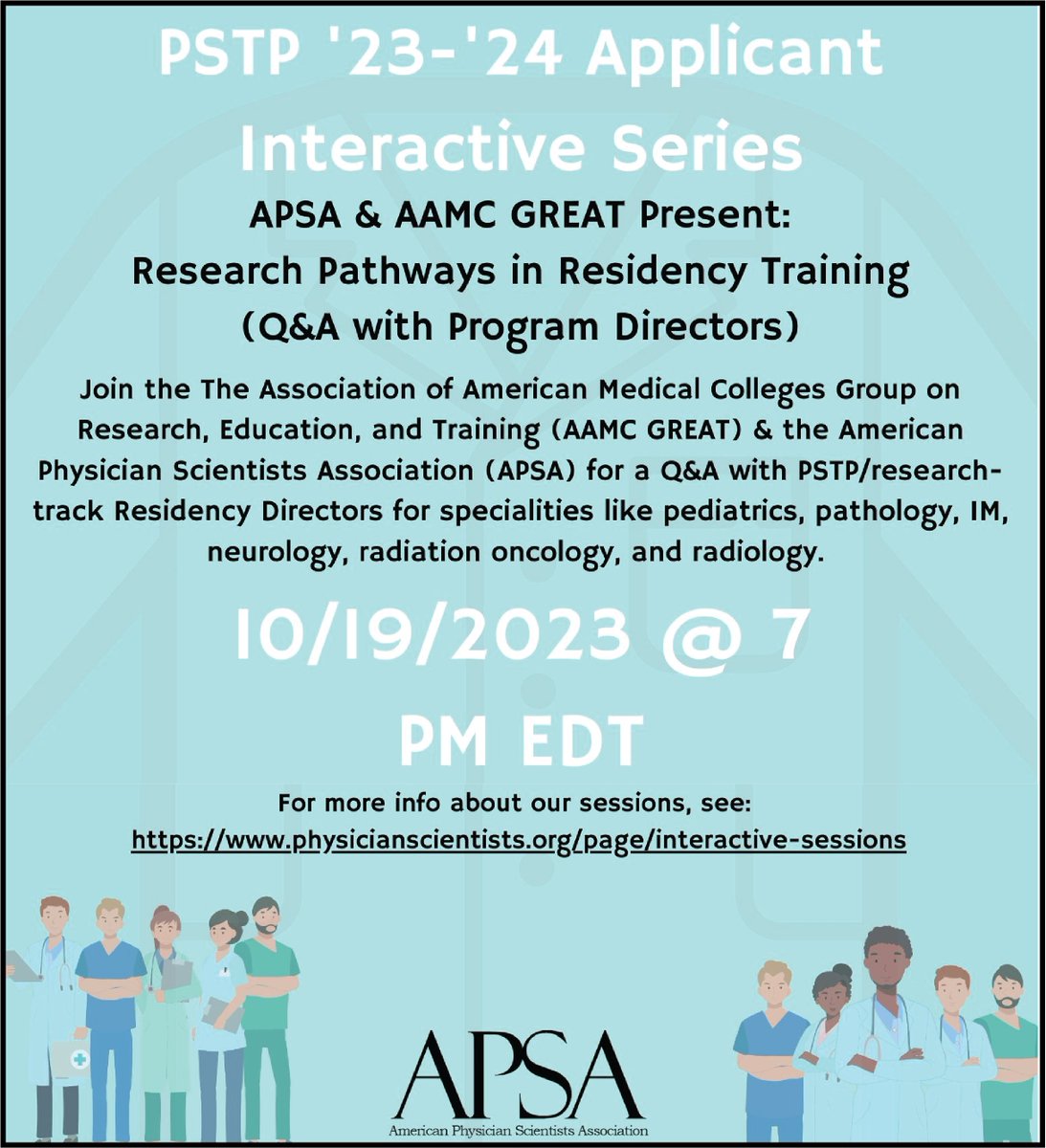
Glad to participate in this panel on PSTP applications and share some thoughts!
As shameless plug, I do have some posts on my website related to this topic (linked below) #DoubleDocs
The personal statement, as an open-ended prompt, is often something that is the most stressful part of the application. I share my personal statement and a bit about my approach: https://t.co/nQwZRD6lLj