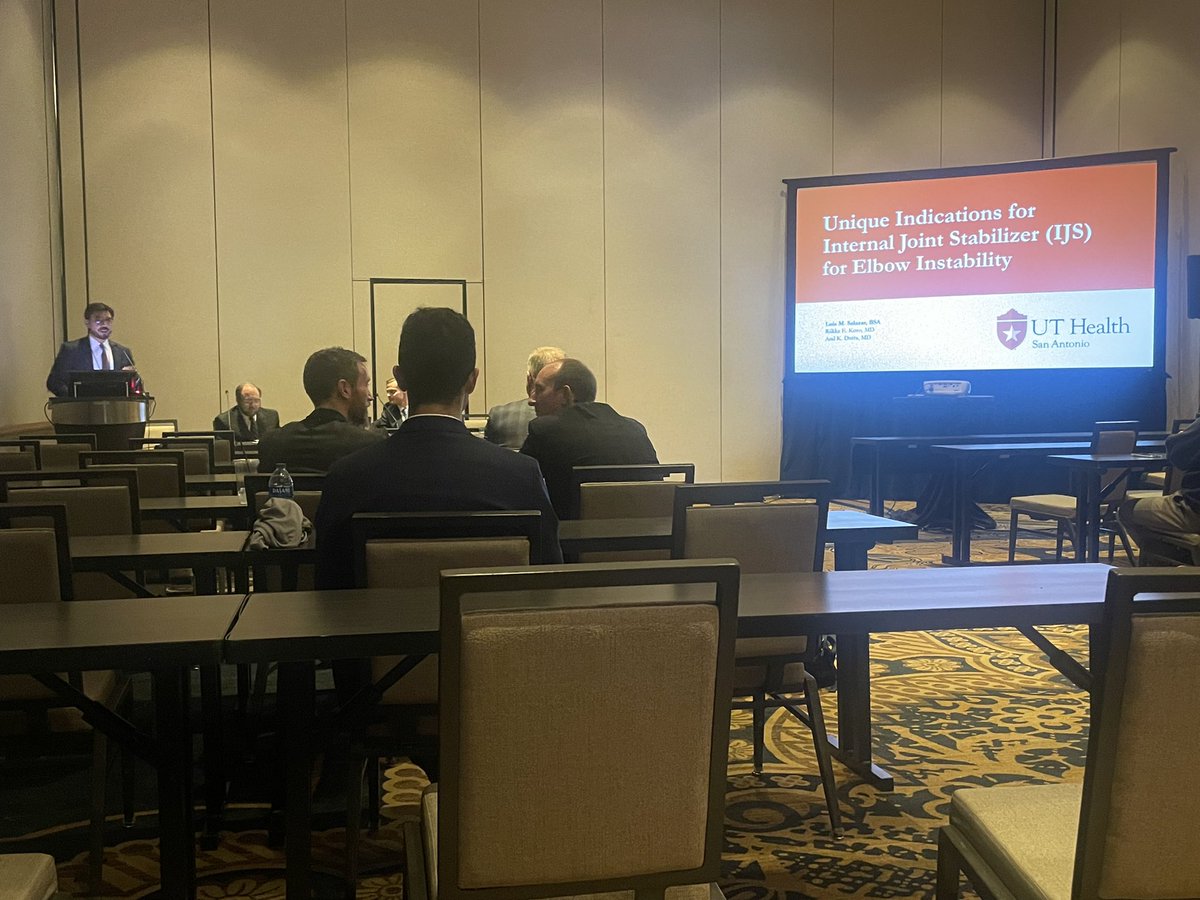
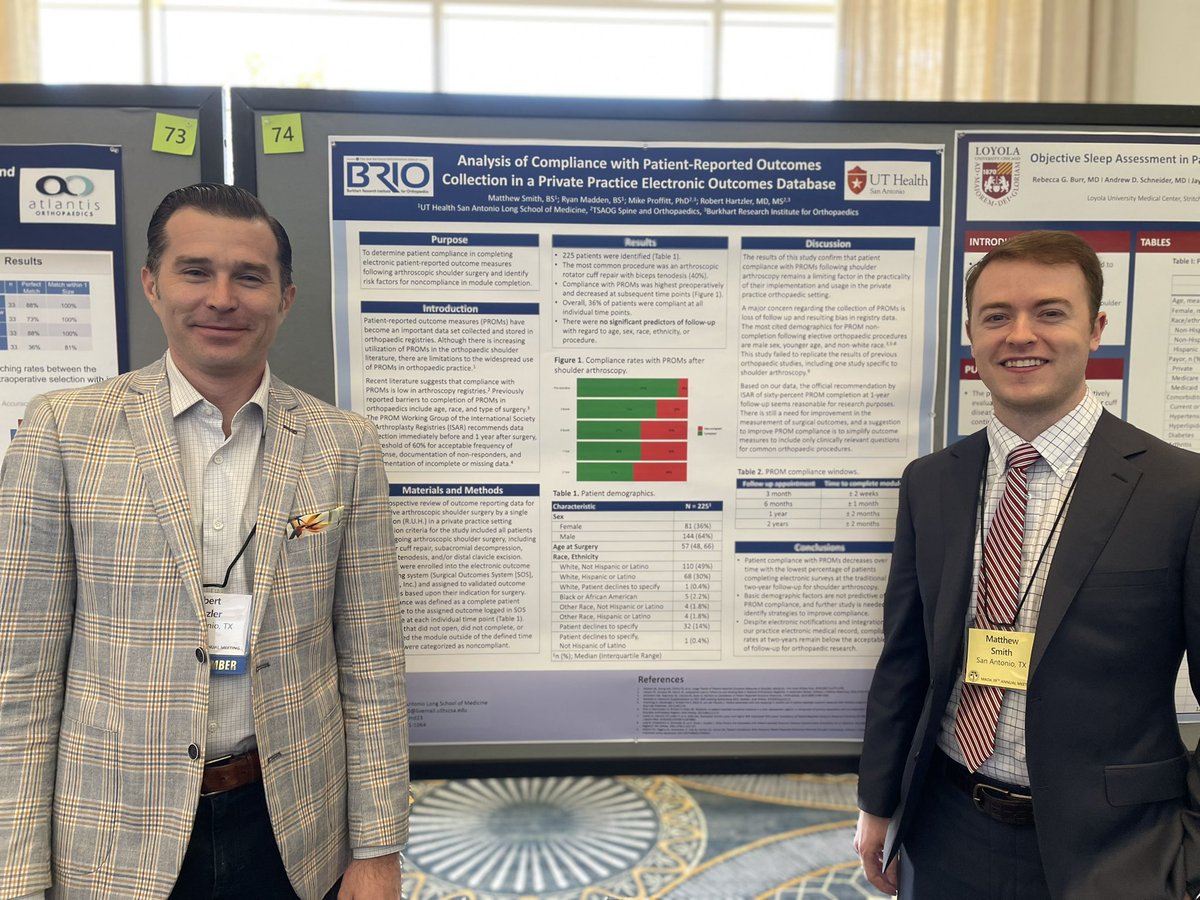
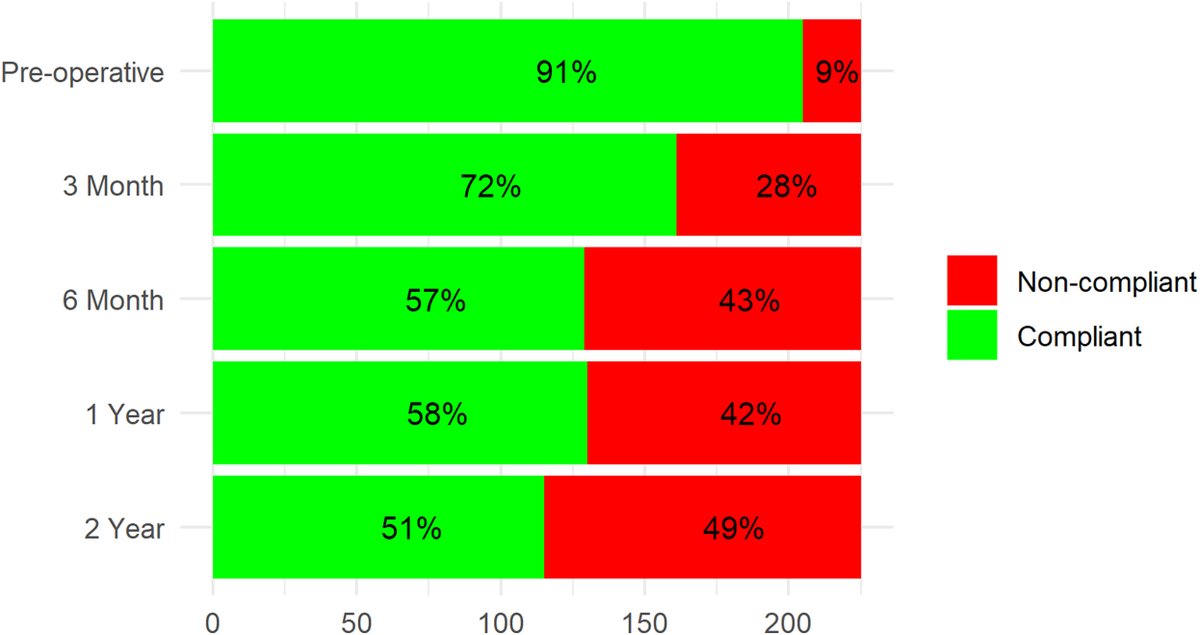
Great work by @mds_md23 and @RyanMadden__ Challenges of patient reported outcomes collection in a private practice...https://t.co/MRYCFWpGIF @TSAOG_Ortho@Arthrex@BRIO_Research
This would be interesting if correlated with test scores. I would think it’s more likely just student preference. Most NBME questions are relatively short and can be answered in ~60 seconds.
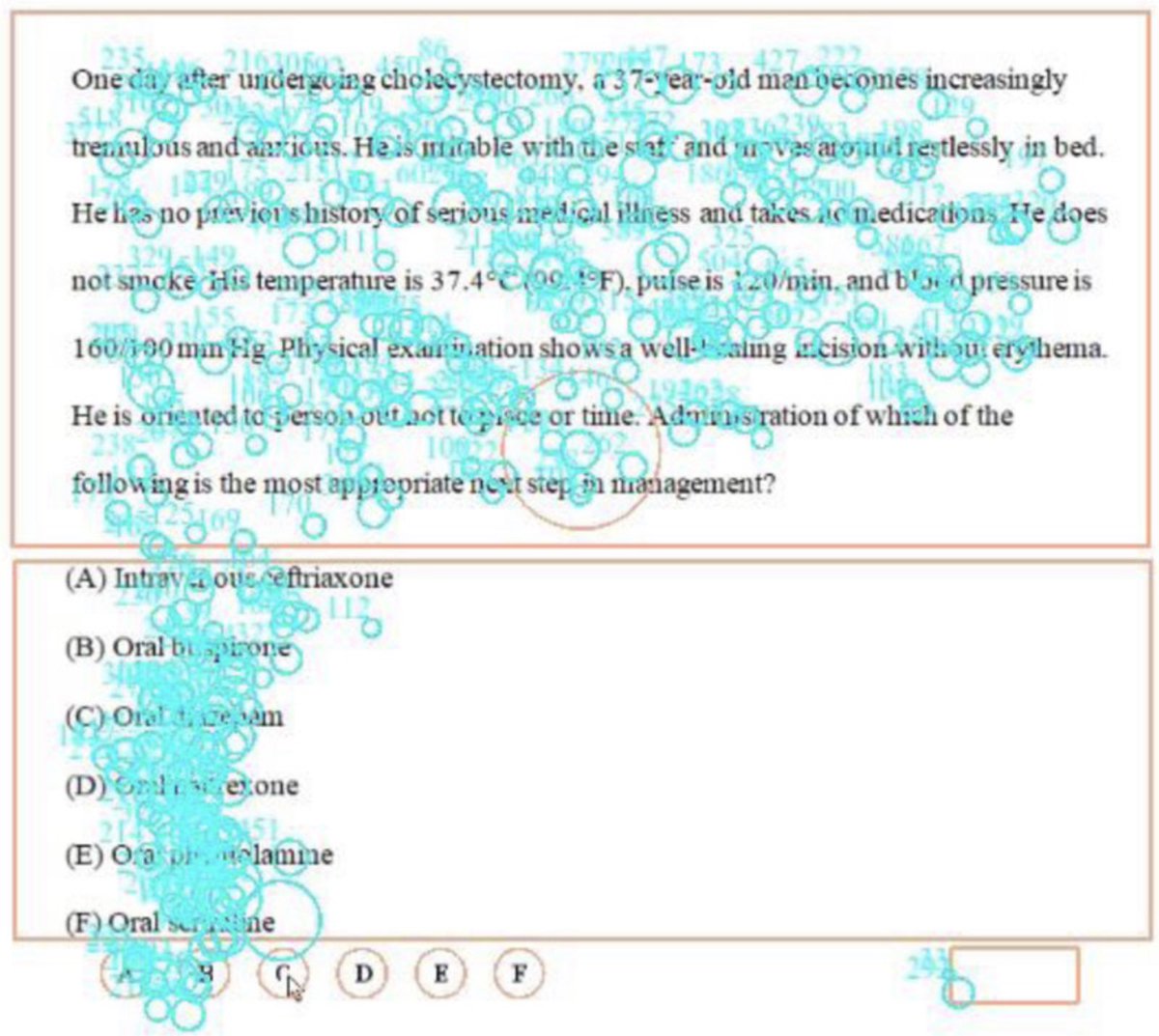
This graphic is from an NBME eye-tracking study.
The blue circles demonstrate the location and duration of eye gaze while answering a multiple-choice question.
Turns out most examinees read questions from the beginning to the end (i.e., they don’t look at answer choices first).
@EricSecrist@JolissaintMD Appreciate the input! I think an application cap, as well as the return of away rotations and in-person interviews will greatly benefit many applicants
This is the reason @tae15adams is one of the best in his profession. Great reminder for us to not just show up, but to actively learn from our patients and colleagues
Davante Adams explains the effort he gives with the media 🙌
“I try to get the most out of everything I do. … Don’t go through the motions."
(h/t @mattschneidman, via @packers)
@BostonFootAnkle@BillLevineMD Dr. Miller - this site (if updated) lists information about residents at different programs. I’m curious what would be the most useful categories for future applicants. We already know Step 1/2 averages for ortho based on NRMP data
https://t.co/GsRZTBKBh6
Medical students applying to orthopedics submit roughly 96 applications, costing about $2,200. With nearly 1,000 MD applicants in 2021, this accounts for well over $2mil in application fees.
MD applicants in dermatology, otolaryngology, urology, and neurosurgery now submit a mean of around 80 applications or more - and the average MD applicant in orthopedics submits nearly 100 applications.