On October 6, 2025, Bitcoin ($BTC) traded at $126,198.07. People were buying it because they believed they were investing in an asset that would protect their wealth. Today, nine months later, it is struggling to remain above $63,000 per Bitcoin.
That is not protection against inflation. It is a reminder that speculation can produce gains, but it can also erase wealth just as quickly. An asset that can lose around half its value in nine months cannot credibly be described as a reliable hedge against inflation.
RAMI
cc. @cz_binance
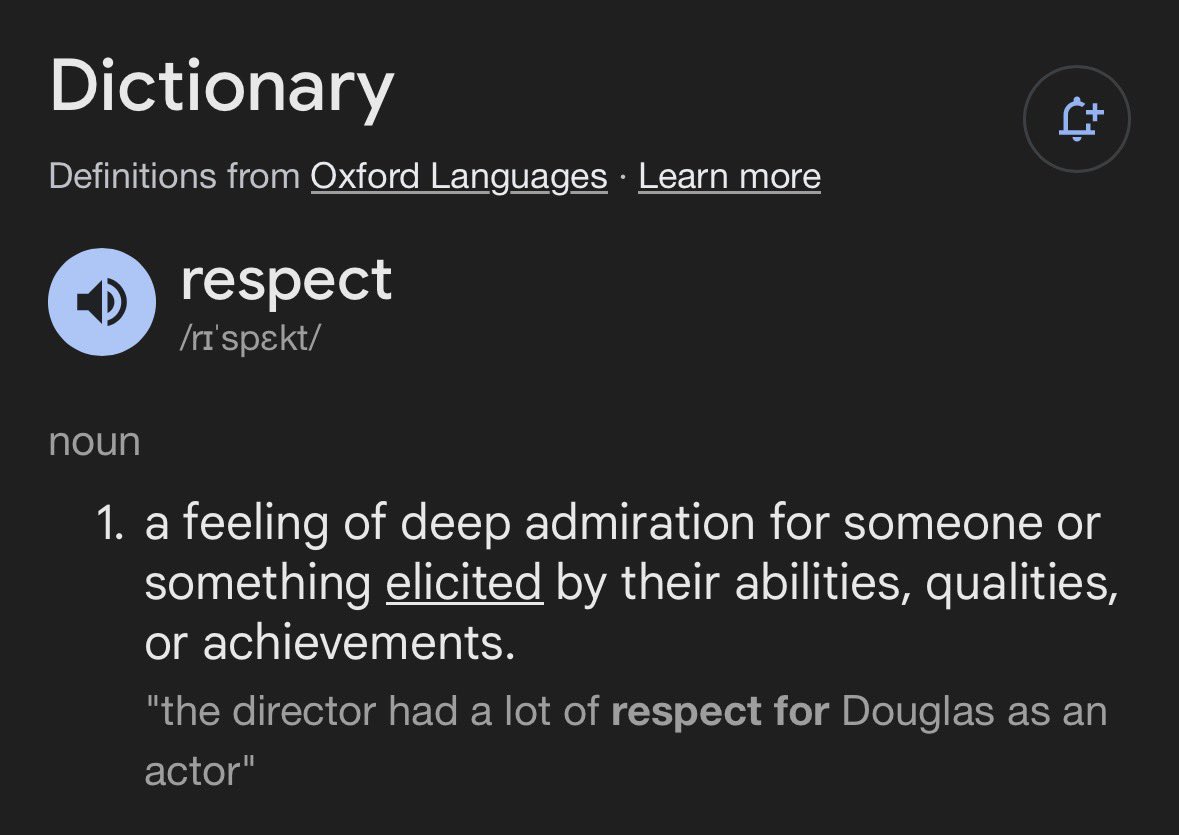
The word respect has a primary meaning of deep admiration for others, elicited by their abilities and achievements. I think what the @chiefrabbi means is consideration. I rarely admire other people’s achievements, and tend to focus on my own behaviour—but I often act considerately towards others.
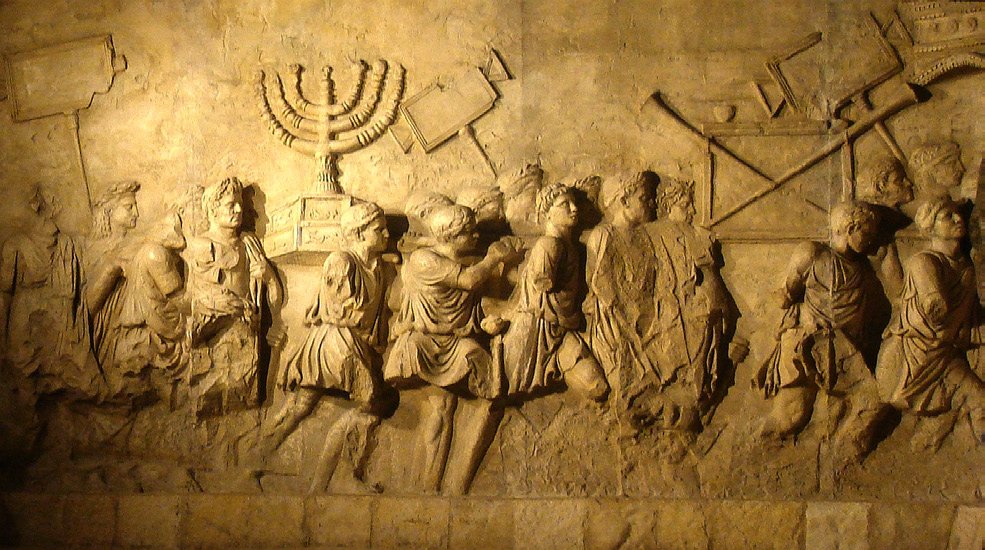
The distinction is necessary because many people within our community have lost sight of the teachings of our Sages and admire the Nations as examples of behaviour—encouraging so-called “interfaith”, among other things, as though such behaviour is not explicitly prohibited in the Torah.
רםי בן זאב
Better to Be Right Than First
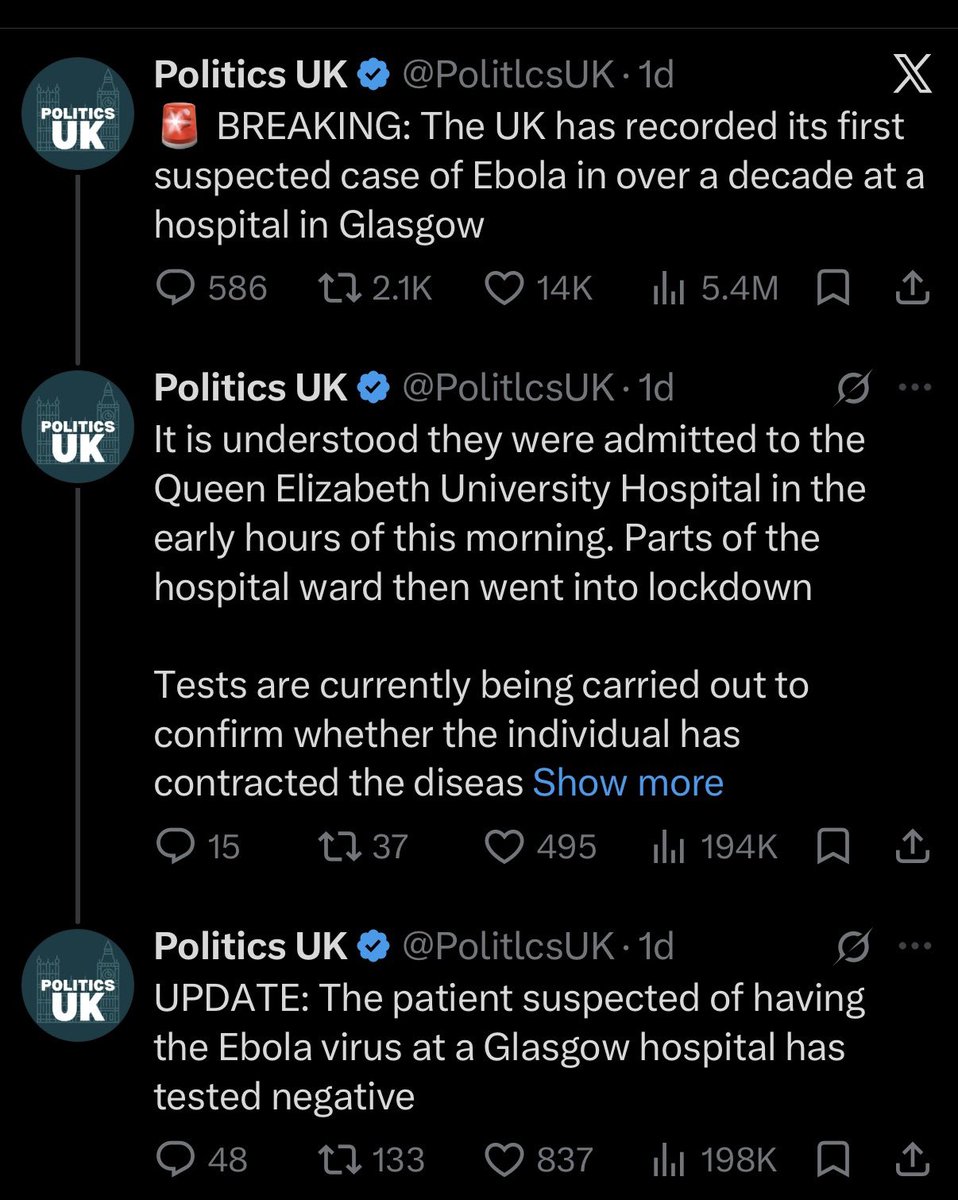
In today’s race for clicks, shares, and engagement, many media outlets have come to believe that being first is more important than being right. Breaking news is published within moments, often before the facts have been fully verified. While this may generate traffic, it can come at a significant cost.
When inaccurate or incomplete information is released, the damage is immediate. Fear spreads rapidly, rumours take on a life of their own, and thousands of people may share a story that later proves to be false. Even when a correction is issued, it rarely reaches the same audience as the original report. For many readers, the first impression becomes the lasting impression.
Journalism is built upon trust. Every story that is published without sufficient verification chips away at that trust. Readers begin to wonder whether they are being informed or merely being updated in real time as events unfold, regardless of whether those updates are accurate.
The role of the press is not simply to be first—it is to report the truth. Sometimes that requires patience. Waiting a few extra minutes, or even a few hours, to verify the facts is not a failure of journalism; it is one of its highest responsibilities.
Credibility takes years to earn and only moments to lose. In the long run, readers will always value a publication that is consistently accurate over one that is merely consistently first.
רםי בן זאב
Your actions made his hatred worse. Our Sages teach us not to focus on hatred. Rather, it should be met with indifference. Do not allow it to occupy your time or become a focal point of any kind. It is a well-known principle that Esau hates Jacob.
Yet you decided that the most effective use of your voice was not to share something positive. Instead, you chose to amplify the hatred, giving it a wider audience and energising those who support such views. Indeed, your actions have even put money in his pocket, with one of his supporters launching a fundraising campaign on his behalf.
— רםי בן זאב
The Poll That Changed Nothing
Every day, thousands, maybe tens of thousands of polls appear on X.
“What do you think about this politician?”
“Which product is best?”
“Should this happen?”
“Vote below.”
Some are posted by people with a hundred followers. Others are posted by people with a hundred million. The scale changes, but the exercise remains the same. Up to four carefully selected options. A button to click. A fleeting sense that one’s opinion has been recorded somewhere in the digital universe.
And people respond.
They debate. They argue. They campaign for one option over another. They return hours later to check the results. Some celebrate when their preferred answer wins. Others complain when it loses.
Yet nothing has actually happened.
No law has changed. No problem has been solved. No hungry person has been fed. No family has been strengthened. No business has been built. No lasting wisdom has been gained.
The poll exists largely to create interaction. Interaction creates attention. Attention creates visibility. Visibility feeds the algorithms. The algorithms feed the ego. And the cycle begins again.
For a brief moment, participants feel involved in something important. But most of these polls disappear into history within hours, forgotten by the people who created them and ignored by the world they supposedly measured.
There is a strange irony in it all. Human beings possess the ability to build, create, teach, learn, pray, help others, and leave a genuine mark upon the world. Yet millions of hours are spent pressing buttons on questions that will be forgotten before the next sunrise.
The greatest changes in history have never come from polls. They have come from conviction, action, sacrifice, and responsibility. A vote on a social media platform may generate clicks, impressions, and perhaps a little income for some users, but it rarely generates anything of lasting value.
When the screen is switched off, the poll remains exactly what it always was: a collection of opinions floating through cyberspace, briefly noticed, quickly replaced, and ultimately changing nothing at all.
רםי בן זאב