What is the one competitive advantage your competitors can't copy?
It isn't your strategy. It's your people.
The strongest teams move businesses forward in ways that are difficult to replicate. That's why hiring the right people matters.
https://t.co/7AYg01rrpO
Collecting more data and wishing for better insights?
The answer often comes down to who's participating. A larger sample can't compensate for the wrong participants.
That's why recruiting the right participants is fundamental to reliable research.
https://t.co/rNCpGQVhxR
A slower hiring market doesn't mean growth is on hold.
Smart companies are still investing in the people who can make an impact.
We help companies find talent that drives results.
https://t.co/7AYg01rrpO
Every extra step in a process creates another opportunity for people to leave.
Experiences that feel complicated, confusing, or exhausting often lose people long before the finish line.
Thoughtful design keep people moving naturally.
https://t.co/g8kJTbOzXt
💡 Did You Know?
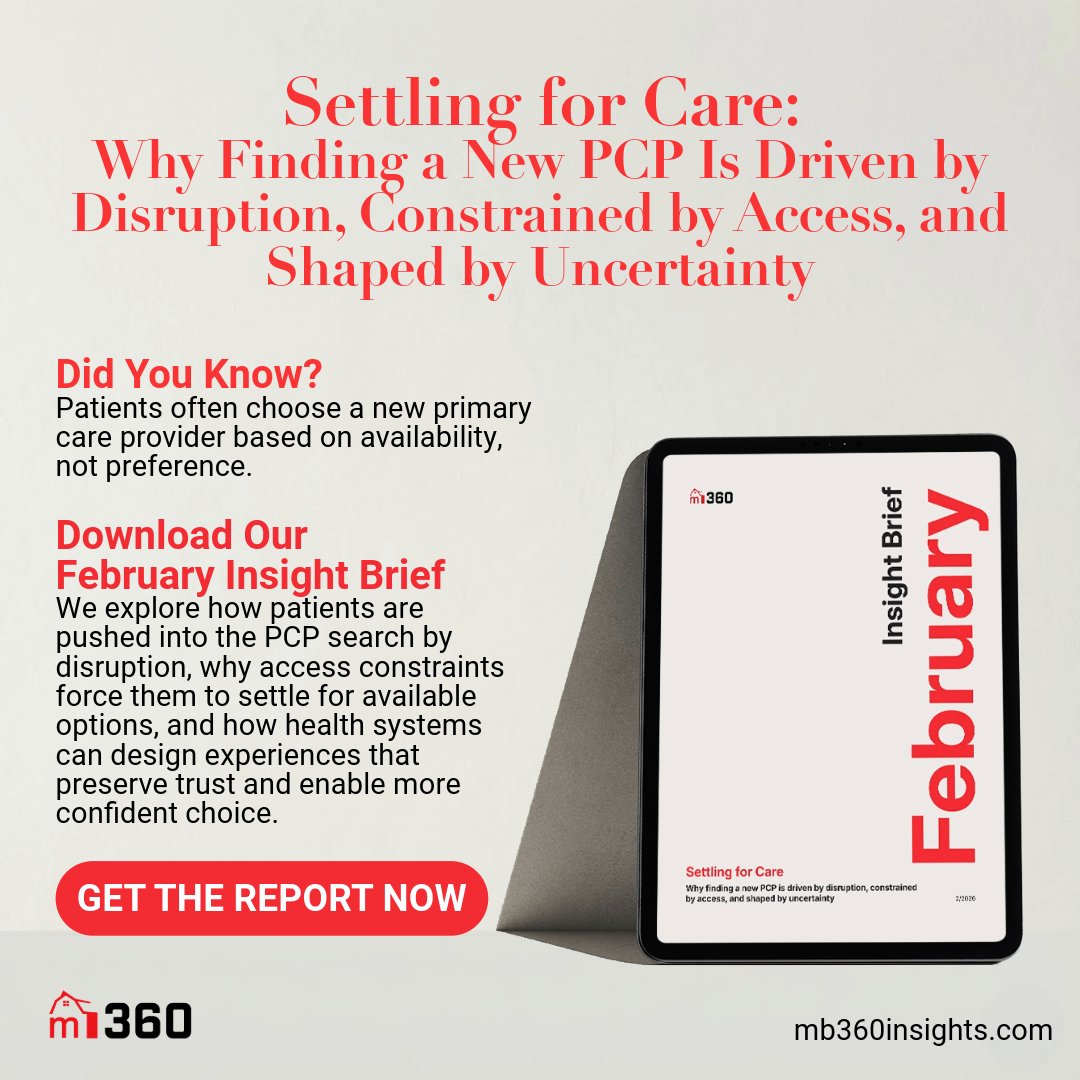
Patients often choose a new PCP based on availability, not preference.
Our February Insight Brief explores how disruption and limited access shape the PCP search and what health systems can do to support more confident patient choice.
https://t.co/rNjatbiYoV
What people say and what people do aren’t always the same thing.
That’s why understanding human behavior requires more than surface-level responses. We uncover the motivations, habits, emotions, and behaviors behind decision-making.
https://t.co/rNCpGQVhxR
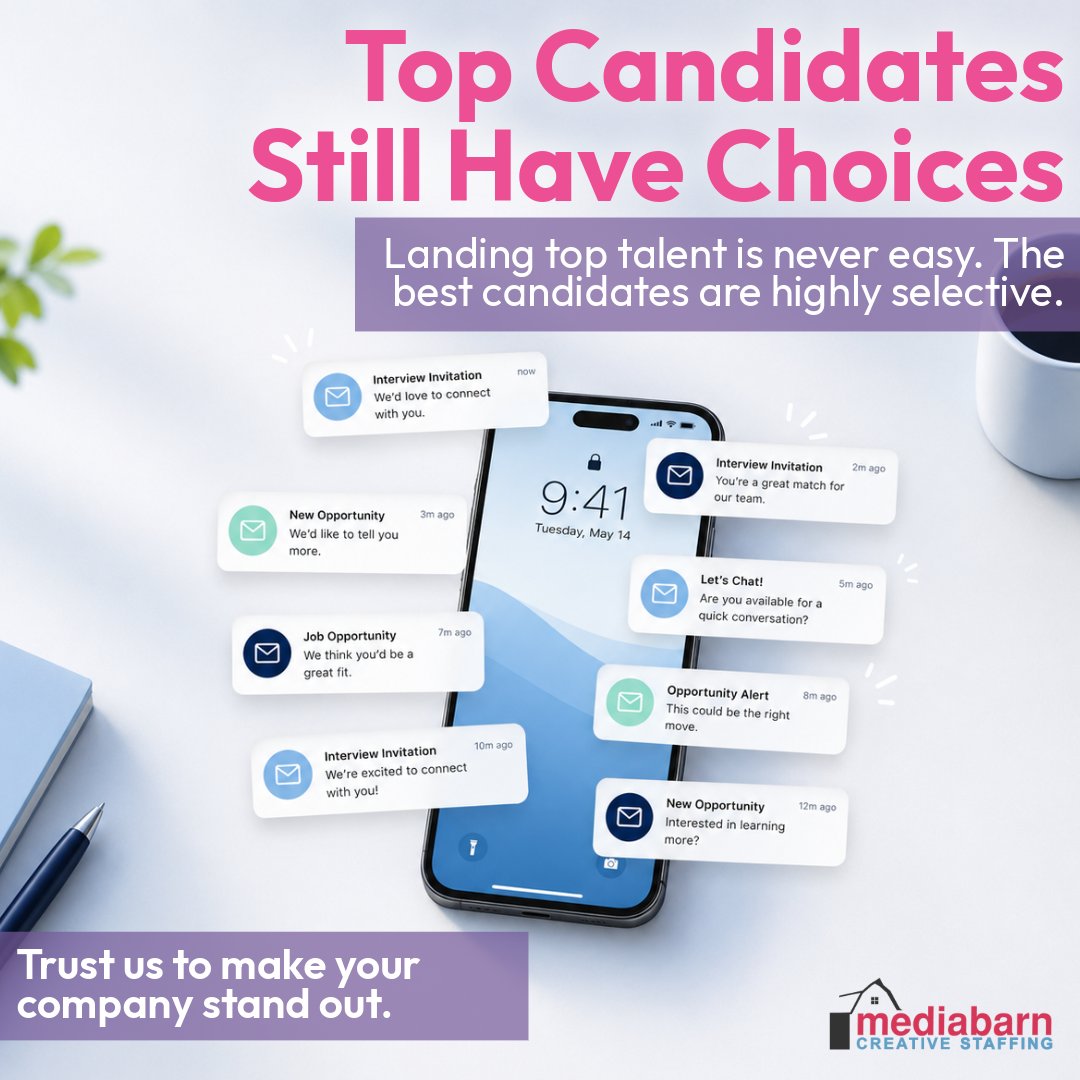
Top candidates still have choices.
The strongest talent is selective about where they work, who they work with, and what opportunities are worth pursuing.
That’s why we take the time to understand both sides of the hiring process.
https://t.co/7AYg01rrpO
People don’t remember every screen or interaction. They remember how the experience made them feel.
Confusion creates stress and frustration. Seamless experiences create confidence and trust.
That’s why human-centered UX matters.
https://t.co/g8kJTbOzXt
AI-generated respondents are becoming part of the research conversation.
These tools can help teams move faster and explore ideas early, but research is ultimately about understanding real human behavior and emotions.
You need humans to study humans.
https://t.co/rNCpGQVhxR
Employers are receiving more applications than ever, but volume doesn’t identify fit. That takes time, and the strongest candidates aren’t always the loudest or the fastest to apply.
That’s where the right specialized staffing partner makes a difference.
https://t.co/7AYg01rrpO
Our Q1 Insight Report explores how fragmented systems, disconnected tools, and communication gaps are shaping the patient journey across healthcare.
Discover what it takes to create seamless, human-centered patient journeys.
GET THE REPORT: https://t.co/rNjatbiYoV 🔗
When something doesn’t feel clear, people don’t stick around to figure it out. They leave and don’t come back.
At Mediabarn Experience Design, we help teams catch those moments early and design experiences that make sense from the start.
https://t.co/g8kJTbOzXt
AI can find people for your study.
But look a little closer… something’s off.
We rely on human recruiters to find people who actually fit.
https://t.co/rNCpGQVhxR
💡 Did You Know?
58% of patients say rising medical costs impact whether they seek care.
Our March Insight Brief explores how cost and transparency shape patient decisions and what health systems can do to build trust and improve access.
Read more at https://t.co/rNjatbiYoV
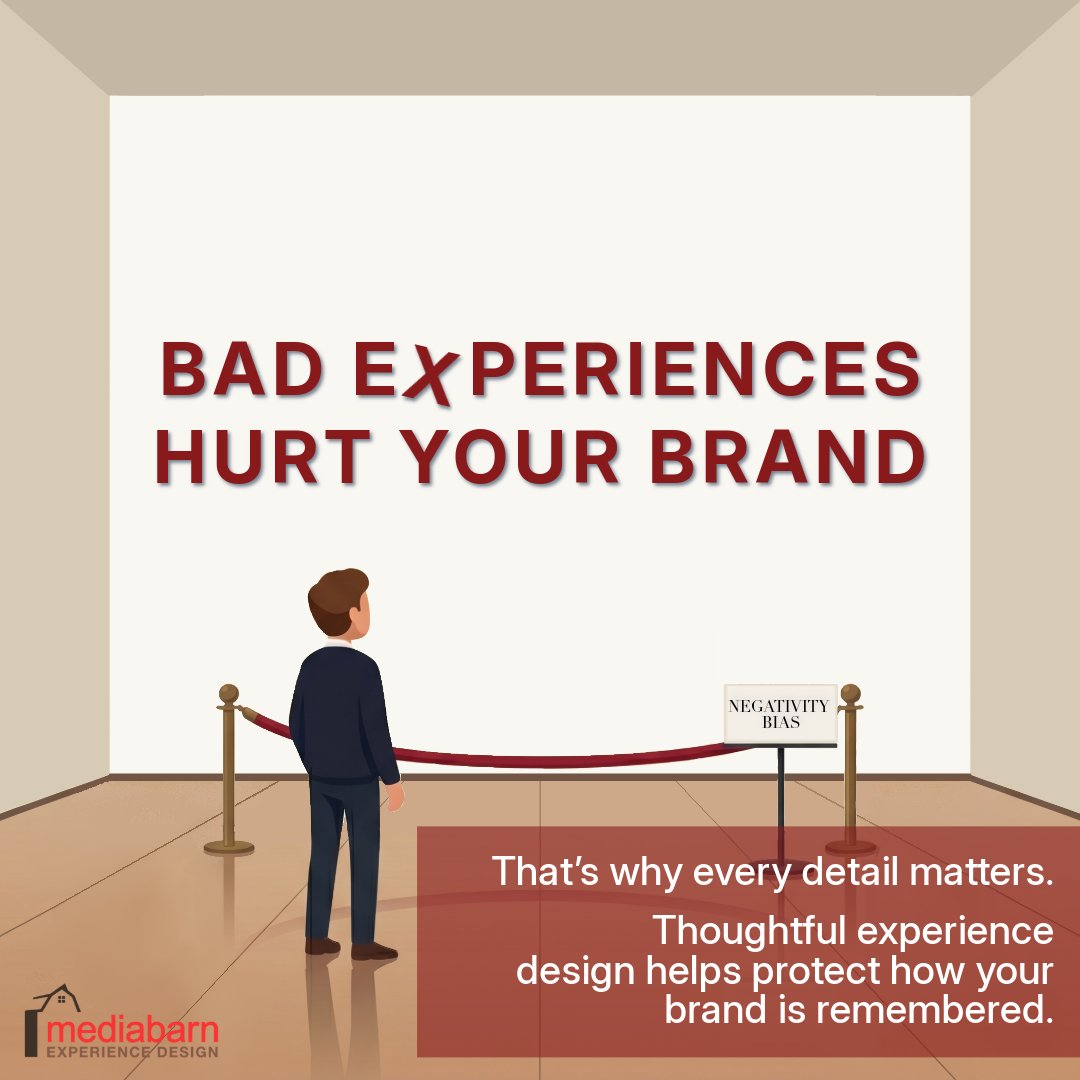
Bad experiences don’t just frustrate. They shape brand perception.
Research shows people remember negative experiences more vividly than positive ones.
That’s why we design thoughtful experiences that help reduce friction and shape positive impressions.
https://t.co/g8kJTbOzXt
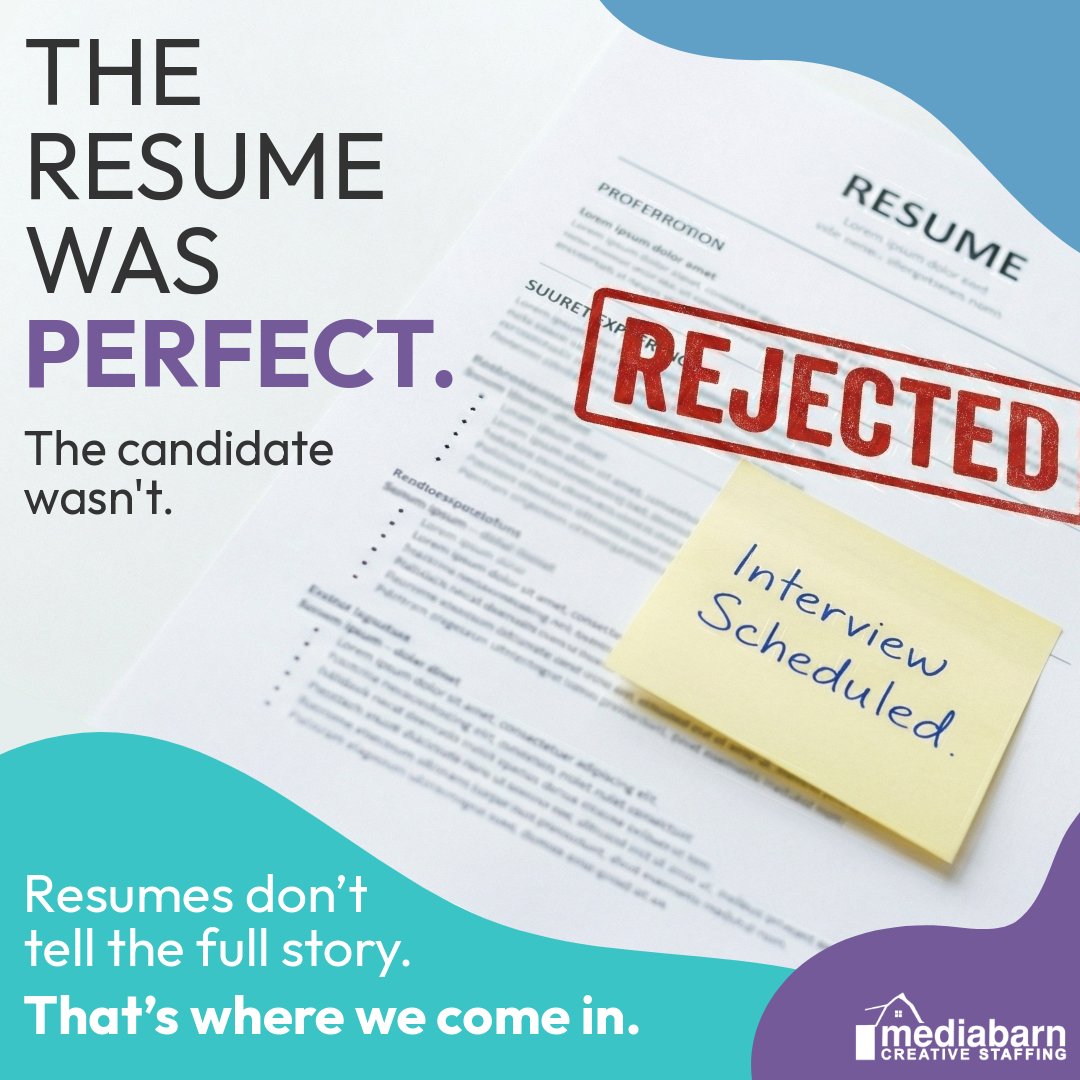
Ever wasted an interview on someone who looked perfect on paper, but something was off?
You’re not alone. Resumes highlight strengths. They don’t reveal how someone works in real life.
We ensure the candidates you interview are a perfect fit for the job.
https://t.co/7AYg01rrpO
💡Did You Know?
Patients often choose a new PCP based on availability, not preference.
Our February Insight Brief explores how disruption and limited access shape the PCP search and how health systems can support more confident choice.
Read more at https://t.co/rNjatbiYoV
Too many options. No clear direction.
When everything feels equally important, users pause.
They compare, rethink, and delay.
That hesitation is friction.
Fewer options mean easier decisions.
https://t.co/g8kJTbOzXt