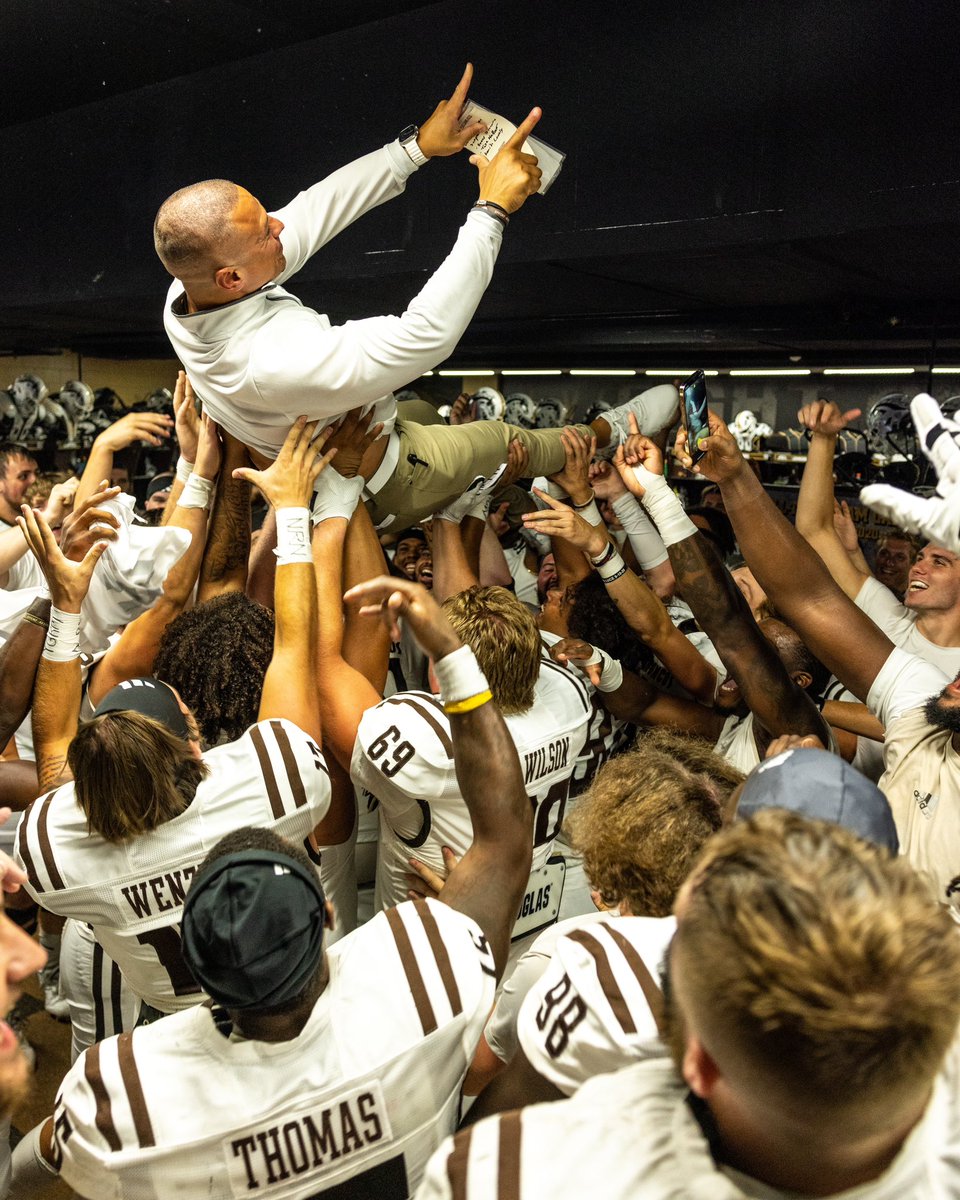
Western Michigan linebacker Boone Bonnema (@BooneBonnema) on the fake FG:
“I actually ran that exact same play in the NCAA video game. And Palmer’s not slow in the game. If NCAA’s watching this interview, you need to up his speed because he can run.”
𝐊𝐀𝐑𝐀 𝐋𝐀𝐖𝐒𝐎𝐍 𝐎𝐍 𝐂𝐎𝐍𝐅𝐈𝐃𝐄𝐍𝐂𝐄
Confidence comes from within.
“Don’t give me the power to affect your self esteem and who you are as a person.”
“Don’t let me control whether you’re going to have a good day or not.”
(🎥 via @DukeWBB)
Tom Izzo said, "A player-coached team is better than a coach-coached team."
The best teams have player-leaders.
These leaders set the standard and embody the standard.
They enable, build, and sustain the culture.
Player-led teams outperform coach-led teams because they lead the process, own the process, and hold themselves accountable.
✅They are more adaptable.
✅They are more effective.
✅They are more collaborative.
They lead through their behaviors.
5 Ways to Implement Player-Led Leadership:
1. Lead by example and model the behavior - Model the behavior that you want to see in your team. Lead by example, avoid blaming others, and take responsibility for successes and failures.
Share stories or examples where taking ownership led to positive outcomes, either from your own experience or other contexts. By doing this, you are building a culture of leadership, accountability, and respect.
2. Delegate ownership and hold people accountable - Ensure every team member knows their role and what they are accountable for. Give them the authority and resources they need to make decisions and own the process. Delegate where they need to lead. Then hold them accountable throughout the process.
By doing this, you are empowering your team to take initiative, make decisions with confidence, and develop a sense of responsibility for their contributions.
3. Communicate clearly and concisely - Clearly articulate goals, strategies, and expectations. Communicate where you expect people to lead. Avoid ambiguity. Have consistent cadences and ways of communicating with your team.
Ensure everyone understands their roles and what success looks like. By doing this, you are effectively communicating what you expect, increasing transparency, and improving alignment.
4. Give feedback consistently - Encourage team members to give and receive feedback. Acknowledge and celebrate successes where team members demonstrate positive behaviors. Give feedback on where people can improve their leadership or performance.
By doing this, you are building trust and reinforcing positive behavior. You're creating a culture of mutual respect and continuous improvement.
5. Look for process improvements - Regularly review processes and procedures. Emphasize improvement and growth. Set time aside to gather feedback on where the team can improve. Encourage everyone to make suggestions on where the team can improve.
This will create a culture of continuous improvement, collaboration, and open communication, ensuring that the team remains dynamic and adaptable to change.
"Extreme Ownership. Leaders must own everything in their world. There is no one else to blame." - Jocko Willink
- - -
Follow @coachajkings for more content like this and sign up for the free newsletter! Today's post is on how to develop leaders.
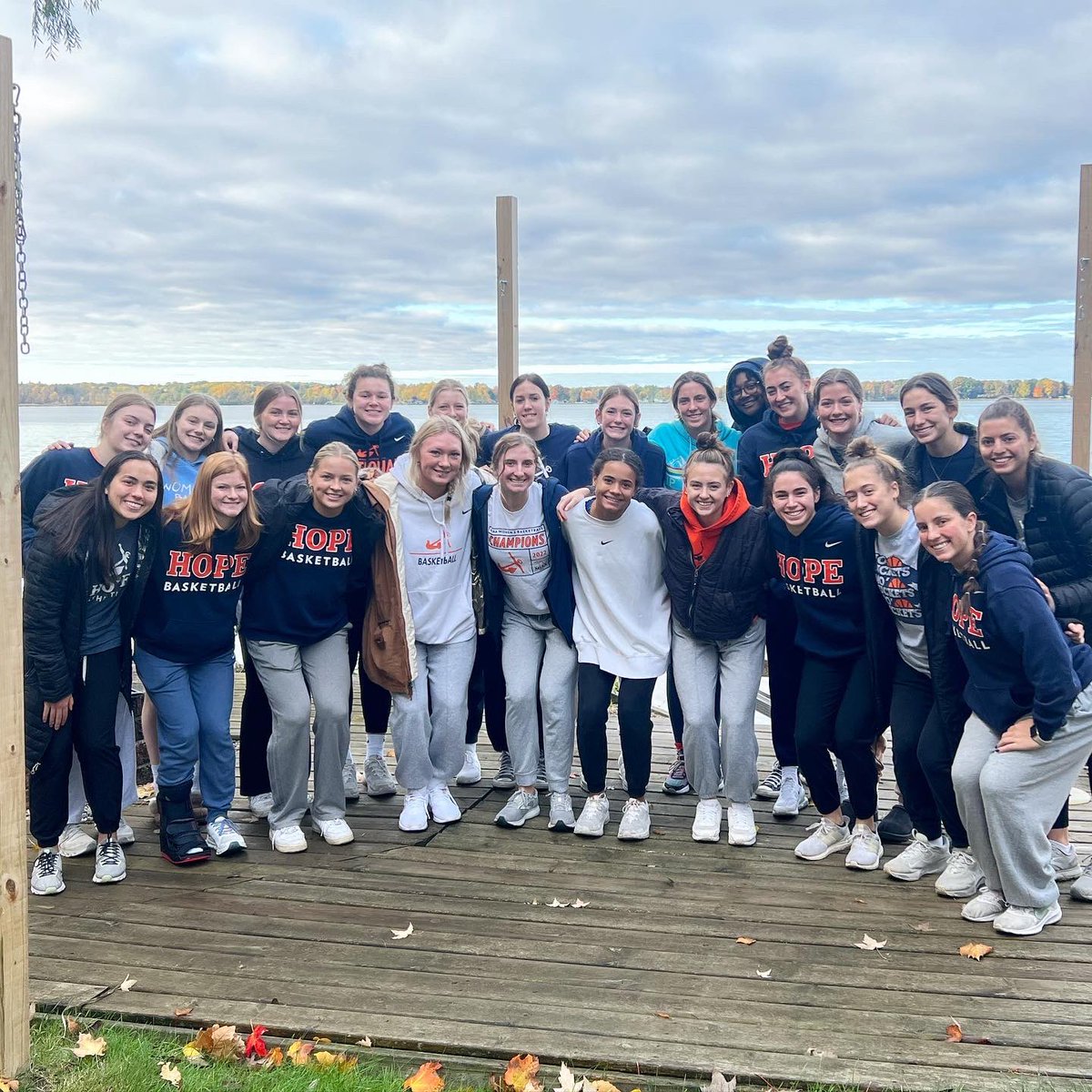
BIGGIE’S 2023. 🍁🏀🧃
We had an amazing time with our whole program up in Fremont, MI this weekend! A fun weekend of games, blindfolded dodgeball, good food, great conversation and lots of team bonding! We brought the JUICE! 🧃 Fired up for this season!
#GoHope | #WE
FUMBLE!!! Tate Hallock puts helmet on ball and Boone Bonnema recovers it!!! And a personal foul penalty on Toledo pushes the ball into their territory!
. @BooneBonnema is the perfect student-athlete to represent WMU Football for this award.
Congratulations on making the @WuerffelTrophy
Watch List!
https://t.co/Ta7RfyKslm