🇫🇷 Le magnifique discours du streamer Amine à l’occasion du #ElevenAllStars : "Je suis fier d’être Français, je suis fier de représenter la France, je suis un jeune Français d’origine algérienne, musulman, je sais que dans ce stade il y a plein de Français juifs, musulmans, chrétiens, athées. Les gars, soyez fiers de ce que vous êtes, vous représentez ce que vous êtes, c’est votre identité. La France est un pays incroyable".
Do not stop talking about Epstein.
Do not stop talking about Epstein.
Do not stop talking about Epstein.
Do not stop talking about Epstein.
Do not stop talking about Epstein.
Do not stop talking about Epstein.
Do not stop talking about Epstein.
Pendant la grossesse, des cellules du bébé traversent le placenta et s’installent dans le corps de la mère, son sang, ses os, son cœur, son cerveau. Elles y restent des décennies, même après une perte.
Et une piste fascinante : elles(ces cellules du bébé) semblent migrer vers les tissus abîmés de la maman pour aider à les réparer.
Une mère porte une trace vivante de chaque enfant qu’elle a conçu.
Pendant qu’ils se réfugient dans des abris, un détail m’a frappé : la séparation entre femmes et hommes.
Mais lorsque les musulmans font la même chose, les hypocrites détracteurs de l’islam s’indignent et déversent leur haine en parlant de « soumission des femmes en islam ».
Le truc """marrant""" c'est qu'avec la nouvelle loi qui lie antisionisme/critique d'Israel à l'antisémitisme c'est que du coup bah là ça serait antisemite de la part de ces jeunes israéliens mdr.
I was on a train and a pregnant woman was asking for a seat. I offered mine, but she said she couldn’t sit there because it was in the center and she was already feeling nauseous and suffocated. So she asked a guy at the corner. He said, “You can sit on my lap.” Before anyone could react, a grandma behind him tapped his shoulder and said, “Then I’ll sit on YOUR lap.” She sat on his lap, the pregnant woman took the grandma’s seat, and the entire train witnessed instant justice delivered by a 70-year-old legend.
One night I asked my mom how she knew my dad was “the one.” She didn’t say butterflies. She didn’t say grand gestures.
She said, “There was a year I wasn’t okay.”
She told me after I was born, she felt overwhelmed all the time. She stopped talking as much. Stopped laughing as loudly. She said she felt guilty for not being her usual self.
And my dad didn’t demand the “old her” back.
He just started doing small things.
He would wake up earlier to pack her lunch.
He’d fold the laundry without announcing it.
He’d sit beside her on the couch and just hold her hand without asking a single question.
She said one night she finally cried and told him she felt like she was failing at everything.
He didn’t interrupt.
Didn’t give a motivational speech.
Didn’t say “but you have so much to be grateful for.”
He just listened.
And the next week?
He didn’t treat her like she was fragile.
Didn’t bring it up during arguments.
Didn’t use it as proof that she was “too emotional.”
He loved her the same. Calm. Steady. Normal.
My mom looked at me and said,
“That’s when I knew. Love isn’t the loud days. It’s who stays gentle on the quiet ones.”
And suddenly their 20+ years together made sense.
Real love doesn’t panic when you’re not at your best.
It adjusts.
It waits.
It stays.
Fun fact: After childbirth, a woman’s hormones don’t just “drop”... they plummet. Within the first 24–72 hours after delivery, estrogen and progesterone fall dramatically from their peak pregnancy levels to near pre-pregnancy levels. It’s one of the most abrupt hormonal shifts the human body goes through.
During pregnancy, estrogen and progesterone are extremely elevated. Once the placenta is delivered, those hormones decline rapidly, signaling the body to stop sustaining pregnancy and begin milk production. At the same time, prolactin rises to support lactation, oxytocin surges to help the uterus contract, and the uterus begins shrinking back to its original size... a process that takes weeks. Postpartum bleeding (lochia) can last 4–6 weeks as the body heals.
This intense hormonal shift is one major reason many women experience mood swings, tearfulness, irritability, or the “baby blues” in the first days after birth. For some, the changes can contribute to postpartum depression or anxiety.
All of this happens while she’s recovering physically, often sleep-deprived, and caring for a newborn around the clock. So yes... if she doesn’t feel like herself right away, that’s not weakness. That’s biology.
Des enfants ont été kidnappés, violés, torturés, assassinés dans le plus grand scandale sexuel de notre siècle et il ne s'est quasiment rien passé. Pas d'arrestations massives, pas d'inculpations. Pas de révolte populaire. Rien. On préfère nous distraire avec l'extrême gauche.
Tonight at Walmart, I watched a 5 year old boy ask a little girl if he could hug her because he liked her sweater.
She said, "No."
He smiled, "Okay! I like your sweater. Bye!" and ran back to his dad.
To his dad, he proudly said:
"I didn't hug her because she said no... but I told her I liked her sweater!"
His dad replied, "Cool, buddy!" ...and they went on shopping.
If a 5-year-old boy can understand consent and respect a "No," then so can every adult.
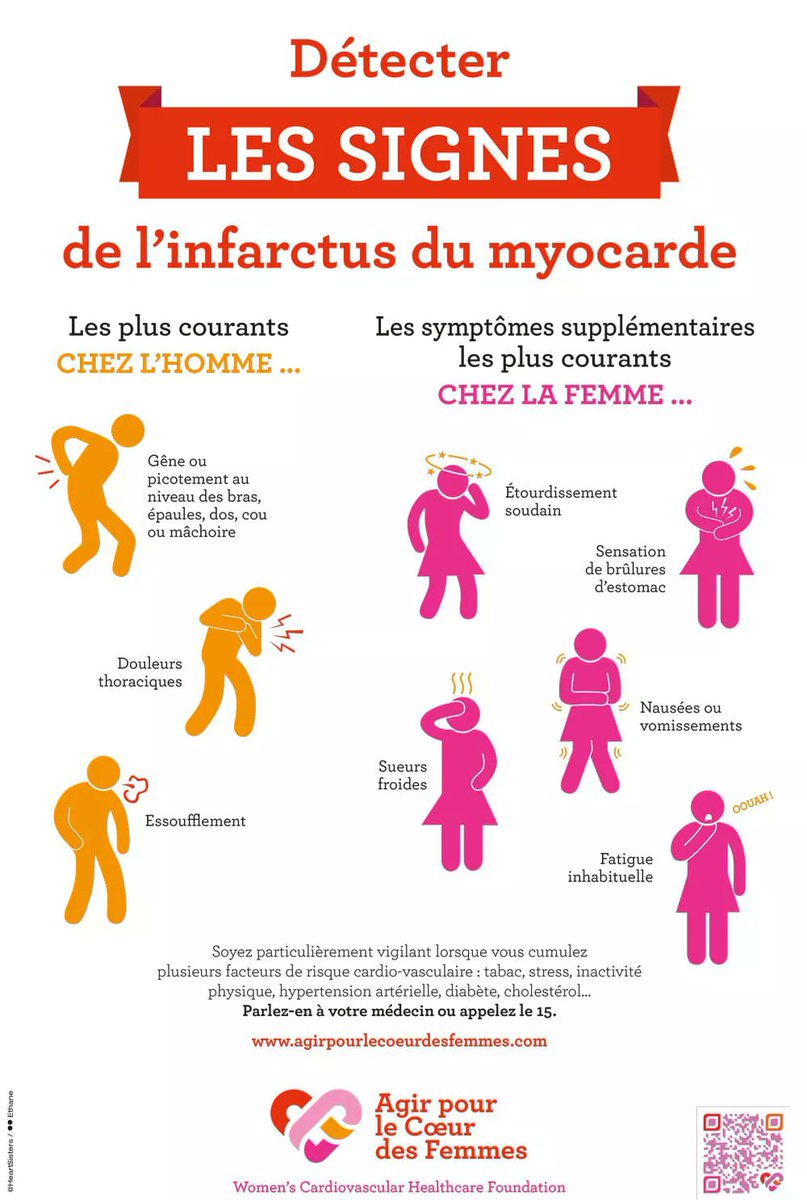
Des gens rigolent mais ma grand mère est décédée d’un AVC à 52 ans et quand elle a appelé les secours ils lui ont dit qu’elle avait une gastro et que « c’est bon madame ça va passer ». Oui c’est passé, elle est décédée dans les heures qui ont suivies