Today is International Day Of Persons w/ Disabilities. I see it as a day as an opportunity to break down barriers to accessibility, and demystify and counter ableism - but it’s also important to keep connecting with this work all year round. #IDPWD
In Ontario, there will be an estimated 2.5 million *more* caregivers by 2030 - we’re looking at 6.5 million. So many people are looking for support in various systems throughout our country - we need to do better for caregivers in Canada. #ActOnCare
Caregivers are the backbone of our health system but they’re unpaid, unsupported, and unseen. It's time for Canada to step up for caregivers. Join us in calling for the new government to #ActOnCare: https://t.co/YWLRi6FUfN @MediaPlanetCA#CdnCaregiving
Care providers are essential to our care economy but are underpaid and overworked. A living wage of at least $25/hour would enable care providers to do their much-needed work + allow more Canadians to receive the care they need. Learn more: https://t.co/tMO9iec8Ka
#CdnCaregiving
🔊 This week, the CCCE launched a national campaign: Act on Care, which is YOUR opportunity to make caregiving a national priority.
.
By visiting https://t.co/HBxQblXLqs, you can send a letter to the federal Minister of Seniors, your local MP and all federal candidates.
CCCE's National Caregiving Strategy was released just yesterday. In the last episode of Who Cares, we're digging deep into the details of what makes a successful strategy and the transformative impact it could have for Canadians. Listen now: https://t.co/wK05gnt5RQ
#CdnCaregiving
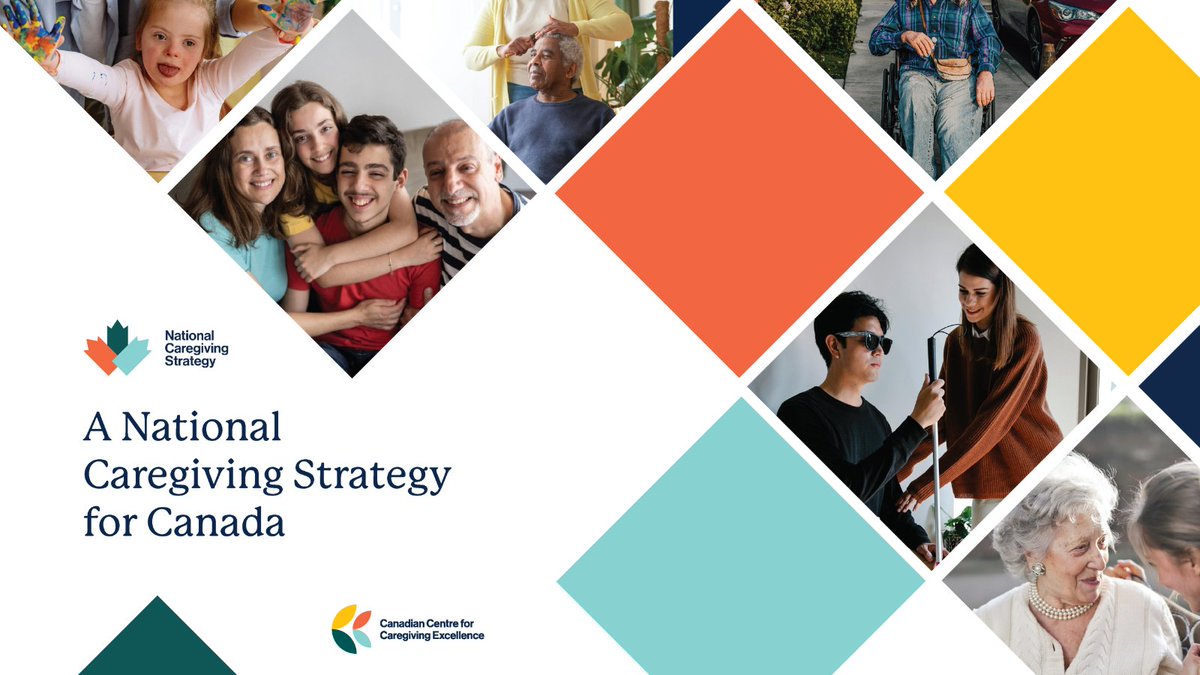
A National Caregiving Strategy for Canada is your strategy. Co-designed with thousands of Canadians from coast to coast to coast, the policy recommendations offer clear solutions for a brighter future of care. https://t.co/tMO9iec8Ka
#CdnCaregiving
We are preparing to launch our winter virtual mindfulness programs for caregivers and care providers. Informed by over 10 years of research in this space - Free program - registration info below. Please spread the word
@LouiseKinross@CdnCaregiving@SibSupportProj Nah not TMI! I love having real talk ❤️! I think there is value in creating the space to be vulnerable with your family members even if it is hard, even if it’s a different thought than what you had thought before. It’s still ok to ask, do you want to be involved? And if so, how?
@LouiseKinross@CdnCaregiving@SibSupportProj It reinforces the incredible importance of involving the patient + family members (who would like to be involved, and with consent from patients) in care decisions, and meet them where they’re at.
@LouiseKinross@CdnCaregiving@SibSupportProj Of course, and also it’s not parents’ faults for doing what they thought was right!
I think this just reveals too, how healthcare can perpetuate so much power imbalance, where people feel that we must defer solely to medical expertise, instead of the patient and their circle
As a kid, whenever I would come across another sibling caregiver, I used to think it was like meeting a unicorn, because it was so rare that I could find someone who understood my experience. 🦄
I consider myself lucky, because there are many unicorns in this week’s episode ✨
🎙️In ep. 3 of Who Cares, we’re diving into the world of sibling caregiving through the stories of those who live it every day, and those who created the resources they desperately needed but couldn’t find for others navigating the same path. https://t.co/wK05gnt5RQ #CdnCaregiving
Love this. But there's a sense in ep.3 that parents don't prepare their kids to care for a disabled sib. That's because professionals have advised parents to assure sibs that this won't be their role. That was the message I always received in workshops. @melissango@CdnCaregiving
@LouiseKinross@yonalunsky@CdnCaregiving 100%, there are so many different levels of involvement in sibling relationships, and families with only one child with care needs too. There are also sibs who want to be involved but can’t for health reasons. We need policy + systemic changes to support families as a whole imo
@LouiseKinross@CdnCaregiving I think, the best way to figure out how to support us, is to simply ask if and how we want to be involved, at many points in time because things can change. Although there may be anxiety, some of us really want to be involved in planning for the future! ❤️
@LouiseKinross@CdnCaregiving I wonder the same, what professionals are saying, about us - especially since young carers are left out of the conversation so much! I suppose I can say that as a sibling, and from hearing from other siblings, we all have many different views and levels of comfort.
@LouiseKinross@CdnCaregiving I just heard a presentation by @drkokrainec and @IsabelleCaven who shared their RISE UP toolkit for young carers, which highlights how providers can better support youth in caregiving roles - this can help us change the language & messaging in healthcare: https://t.co/ff1YOtxZwI
Who cares? Best part of my weekend was listening to the first 2 episodes of this podcast on caregiving - with caregivers and care providers together, hosted by @melissango , sister, advocate, & podcaster! - Loved the linchpin analogy & and all of the interviews - links below