🩻Contrast-induced AKI:
one of the biggest myths still shaping clinical decisions
For decades we were taught:
👉 “Contrast damages the kidneys”
👉 “Avoid CT with contrast in CKD”
👉 “Hydrate, protect, delay imaging if needed”
But what if… most of this is wrong?🤔
->The uncomfortable reality
Modern evidence shows:
👉 Low-osmolar contrast rarely causes true nephrotoxicity
👉 Even in CKD, AKI, and ICU patients
👉 The risk is often overestimated—or nonexistent
So where did the fear come from?
📍 1950s high-osmolar contrast (actually toxic)
📍 Poorly controlled observational studies
📍 “Creatinine rise = contrast injury” assumption
👉 Correlation became causation
👉 And the dogma stayed
⚠️What recent data tells us
✔ No difference in AKI rates with vs without contrast
✔ No benefit from bicarbonate, NAC, or aggressive hydration
✔ Even ICU and AKI patients show no worsening outcomes
->Translation to real life
👉 The patient was going to develop AKI anyway...Not because of contrast!!
->The real problem: “Renalism”
👉 Avoiding necessary imaging
👉 Delaying diagnosis
👉 Choosing inferior tests
And that leads to:
❌ Missed PE
❌ Delayed sepsis source control
❌ Worse outcomes
->Clinical mindset shift
Instead of asking:
👉 “Will contrast harm the kidneys?”
We should ask:
👉 “Will NOT doing the scan harm the patient?”
->Who still deserves caution?
✔ eGFR <30
✔ Severe hemodynamic instability
✔ Multiple nephrotoxins
Even then:
👉 Optimize volume
👉 Minimize dose
👉 Don’t delay critical imaging
🤓Bottom line
✔ Contrast nephrotoxicity exists… but is rare
✔ The fear is bigger than the risk
✔ The harm of NOT imaging is often greater
In critical care
👉 We don’t treat creatinine
👉 We treat patients
And sometimes…
👉 The most dangerous thing is NOT the contrast
👉 It’s hesitation.
📃Reference
Florens N, Demiselle J.
Kidney360 7: 445–449, 2026. doi: https://t.co/CWzi7WC9Wx
Guarda este post! ✅
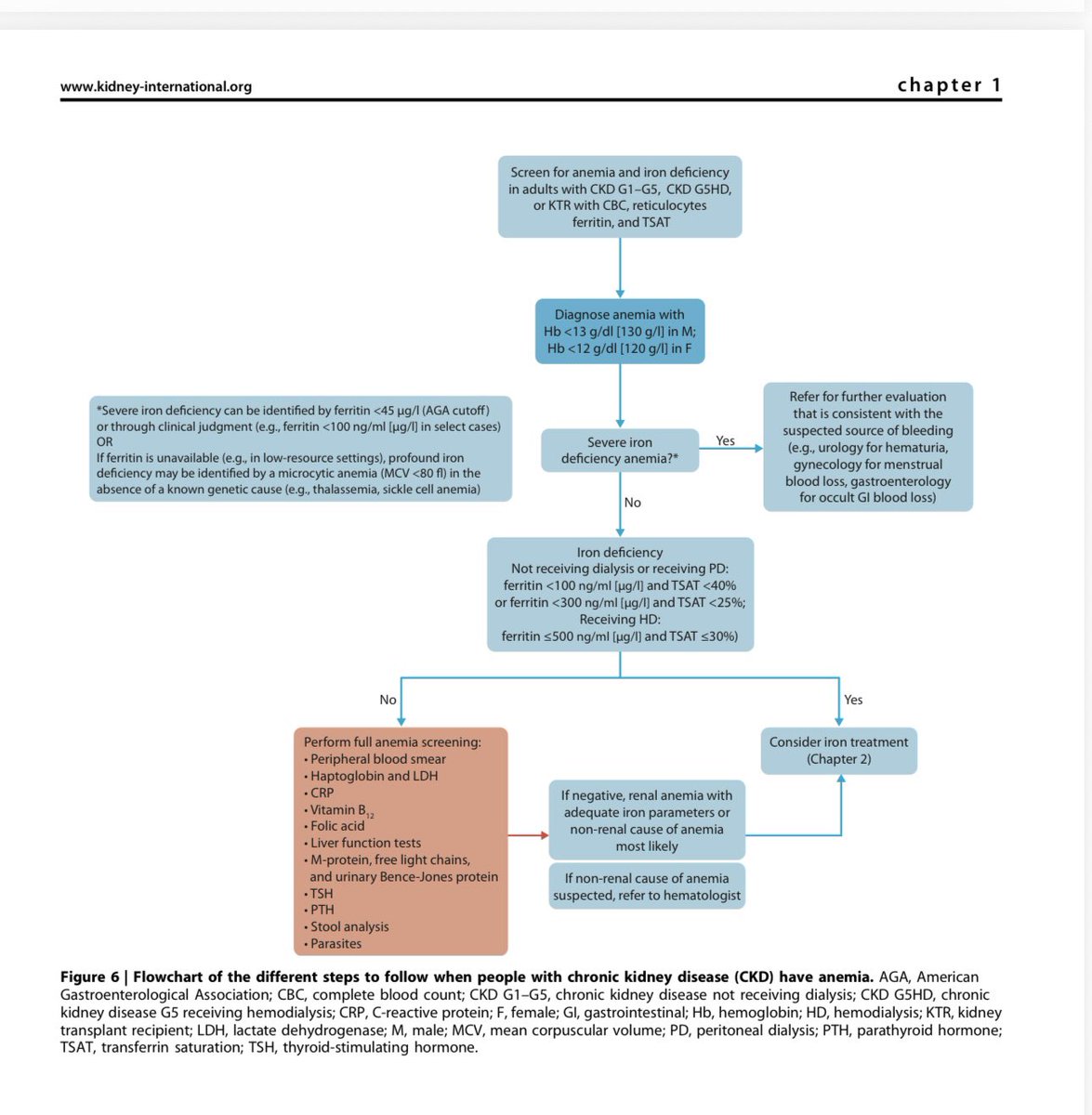
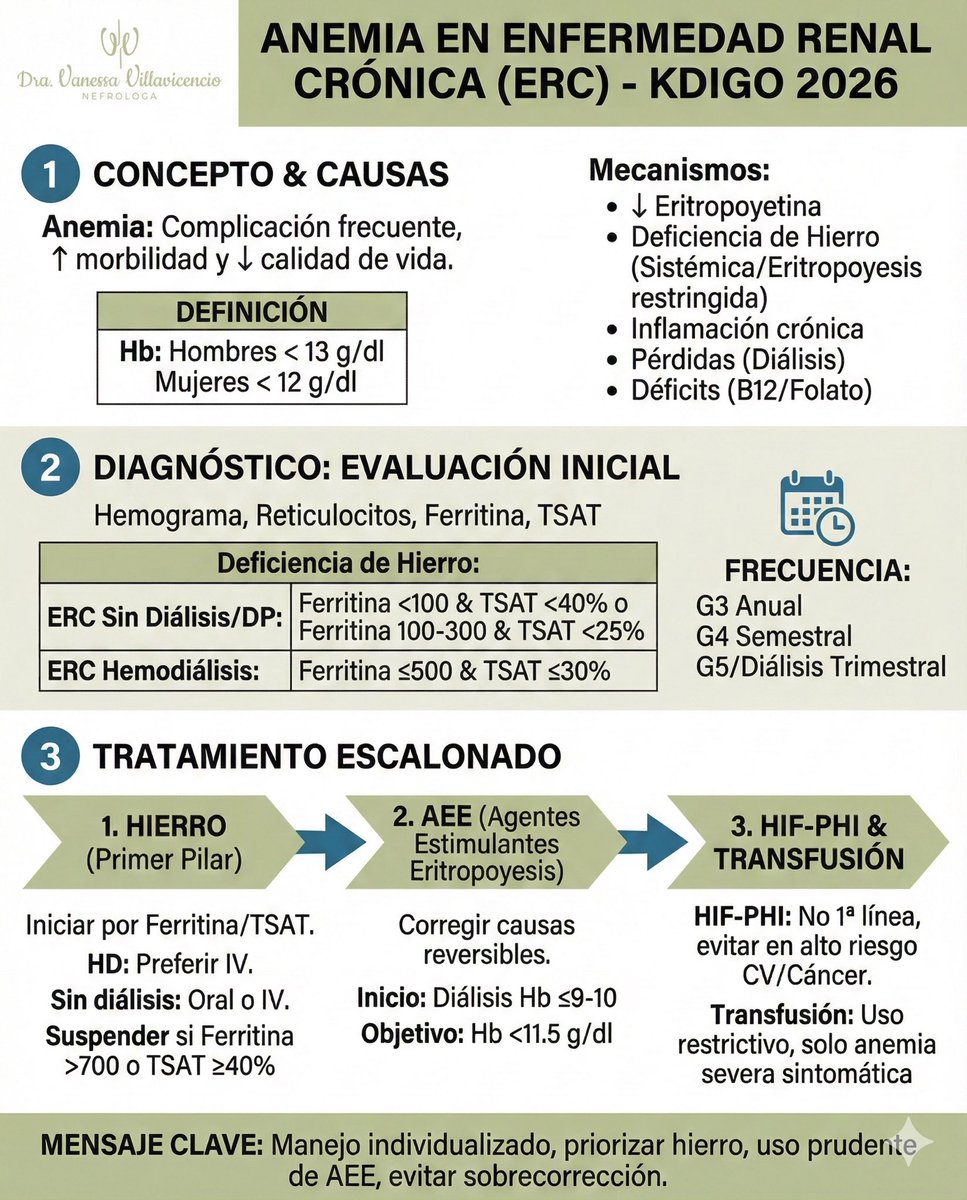
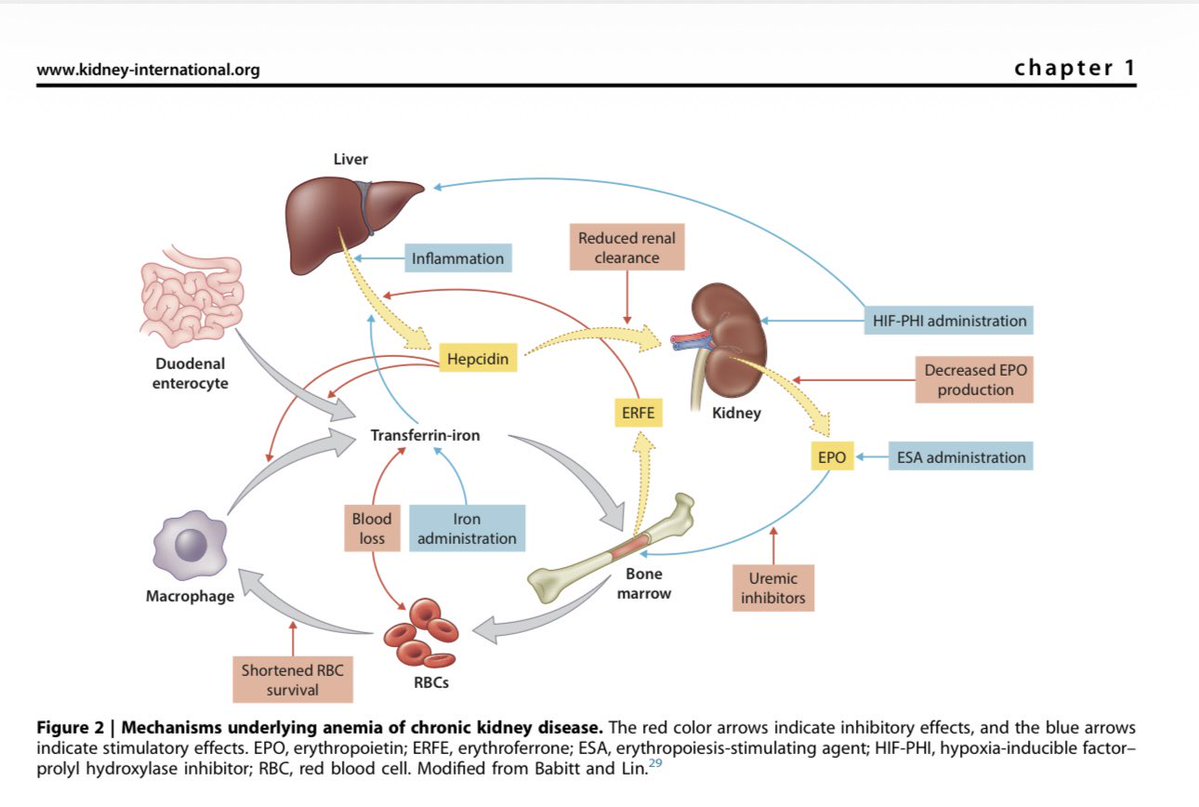
💾 Resumen clave sobre el manejo de la Anemia en Enfermedad Renal Crónica (ERC) basado en las guías KDIGO 2026. 👇
📌ANEMIA y ENFERMEDAD RENAL
🩸 1. ¿QUÉ ES Y POR QUÉ IMPORTA?
Es una complicación frecuente que aumenta la mortalidad y reduce la calidad de vida.
📉 Definición (Hb):
👨🏻 Hombres: < 13 g/dl
👩🏻 Mujeres: < 12 g/dl
💡 Causas principales: ↓ EPO, deficiencia de hierro (sistémica o eritropoyesis restringida), inflamación y déficits nutricionales.
🔍 2. DIAGNÓSTICO: ¿QUÉ PEDIR?
Todo paciente con ERC debe evaluarse al diagnóstico y seguimiento con:
✅ Hemograma + Reticulocitos
✅ Ferritina sérica
✅ Saturación de transferrina (TSAT)
🗓️ Frecuencia de control:
🔹 ERC G3: Anual
🔹 ERC G4: Semestral
🔹 ERC G5/Diálisis: Trimestral
🚨 Criterios de Deficiencia de Hierro:
• Sin diálisis/DP: Ferritina <100 y TSAT <40% (o Ferritina 100-300 y TSAT <25%).
• Hemodiálisis: Ferritina ≤500 y TSAT ≤30%.
💊 3. TRATAMIENTO ESCALONADO
1️⃣ HIERRO (El primer pilar 🧱)
• HD: Preferir IV 💉.
• Sin diálisis/DP: Oral o IV según tolerancia/severidad.
• ⛔ STOP si Ferritina >700 o TSAT ≥40%.
2️⃣ AEE (Estimulantes de Eritropoyesis)
• Corregir causas reversibles antes de iniciar.
• 🎯 Objetivo: Mantener Hb < 11.5 g/dl (Evitar sobrecorrección).
• ⚖️ Individualizar por riesgo CV y trombótico.
3️⃣ Nuevos fármacos (HIF-PHI)
• ⚠️ No son primera línea. Evitar en cáncer activo o riesgo CV alto.
4️⃣ Transfusión 🩸
• Uso restrictivo. Solo en anemia severa sintomática o urgencia.
🌟 Para no Olvidar ✍️
El tratamiento debe ser individualizado, priorizando el hierro y usando prudentemente los AEE para evitar riesgos.
💬 ¿Te resultó útil este resumen?
Comenta “SI” y compártelo con tus colegas : https://t.co/qfhCzsYszD
#Nefrologia #ERC #Anemia #Riñones #kdigo
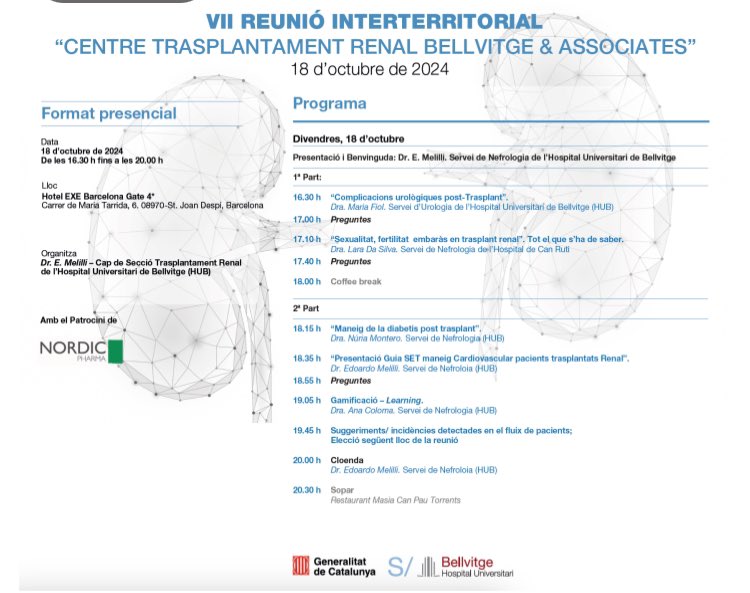
🗣️ La malaltia renal: Una malaltia silenciosa. Claus per a la cura dels teus ronyons.
A càrrec: Álex Andújar i Pablo Mora, infermers de la Unitat de Diàlisi Domiciliària i Marblava Buades, infermera de la Unitat de Malaltia Renal crònica.
📅 27 de febrer
⌚ 18:30h
📍Biblioteca Josep Janés. Hospitalet de Llobregat (Collblanc)
#SocialmentResponsables @LHAjuntament
We are looking for a predoctoral researcher who is interested in investigating the causes of kidney transplant failure and discovering new treatments @idibell_cat@Nephrobellvitge https://t.co/aDP02iC0ym
💉Un estudi multicèntric internacional en el qual han participat l’#hbellvitge i l’@idibell_cat ha demostrat que el fàrmac semaglutida, dissenyat per tractar la diabetis i l’obesitat, protegeix el ronyó en pacients obesos no diabètics amb malaltia renal crònica.
El treball, presentat recentment al Congrés Kidney Week 2024 de la Societat Americana de Nefrologia i publicat simultàniament a @NatureMedicine, té entre els seus autors principals el Dr. Josep M. Cruzado, cap del Servei de Nefrologia de l’HUB i cap del grup de recerca en Nefrologia i Trasplantament Renal de l’IDIBELL.👌👌
ℹ️https://t.co/cwcMdoMNRL
@ASNKidney@crz_garrit #BellvitgeInvestiga #orgullbellvitge
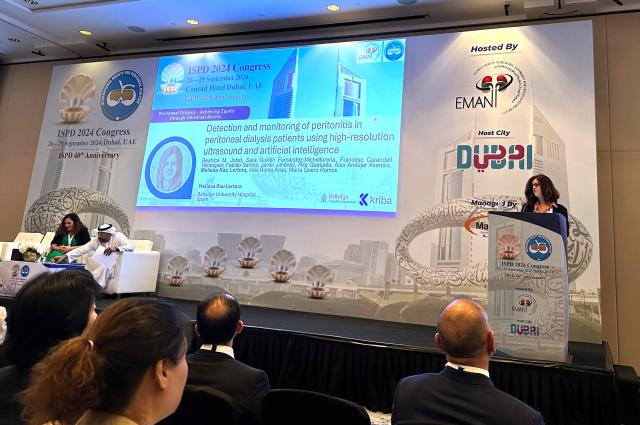
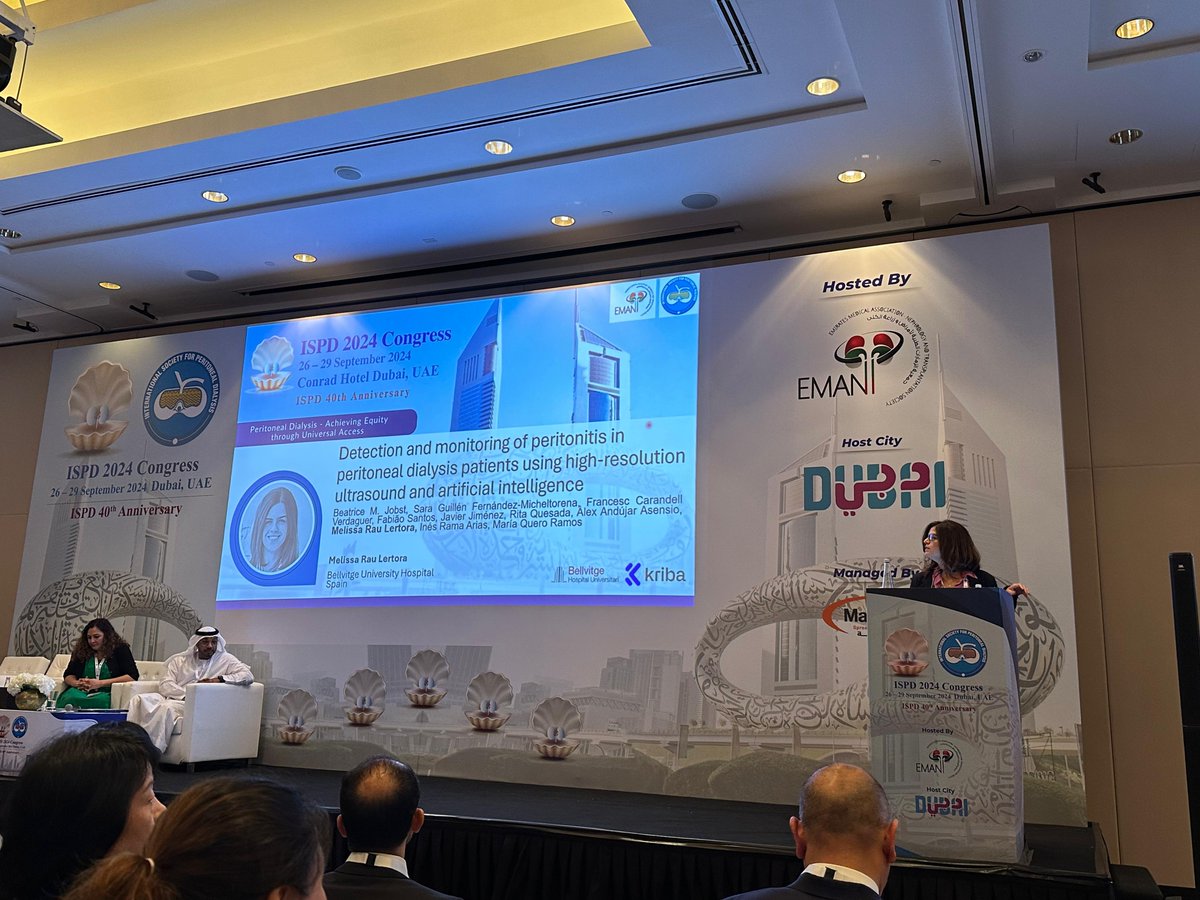
🌟 La Dra. Melissa Rau de l’Hospital Universitari de Bellvitge presenta a Dubai el projecte UNITED-Dialysis, que utilitza IA i ultrasons per detectar precoçment la peritonitis en pacients de diàlisi peritoneal🌍🩺 #Salut#Innovació#Intel·ligènciaArtificial#DiàlisiPeritoneal #EquipHUB
ℹ https://t.co/Z6fitzD7h7
What an amazing turnout for Dr. Melissa Rau's (@melivallejo25 ) presentation at #ISPD24 this morning! Huge thanks to the #ISPD24 attendees for their interest and support. Don’t forget to stop by our booth on Level 2 to share perspectives and thoughts!