And here's the full background of how it happened, including Pep committing 13 months ago, JJ Jansen eating Luke's entree, the white lies, and the emotional call from an absent friend.
https://t.co/hmGLTPHeFF
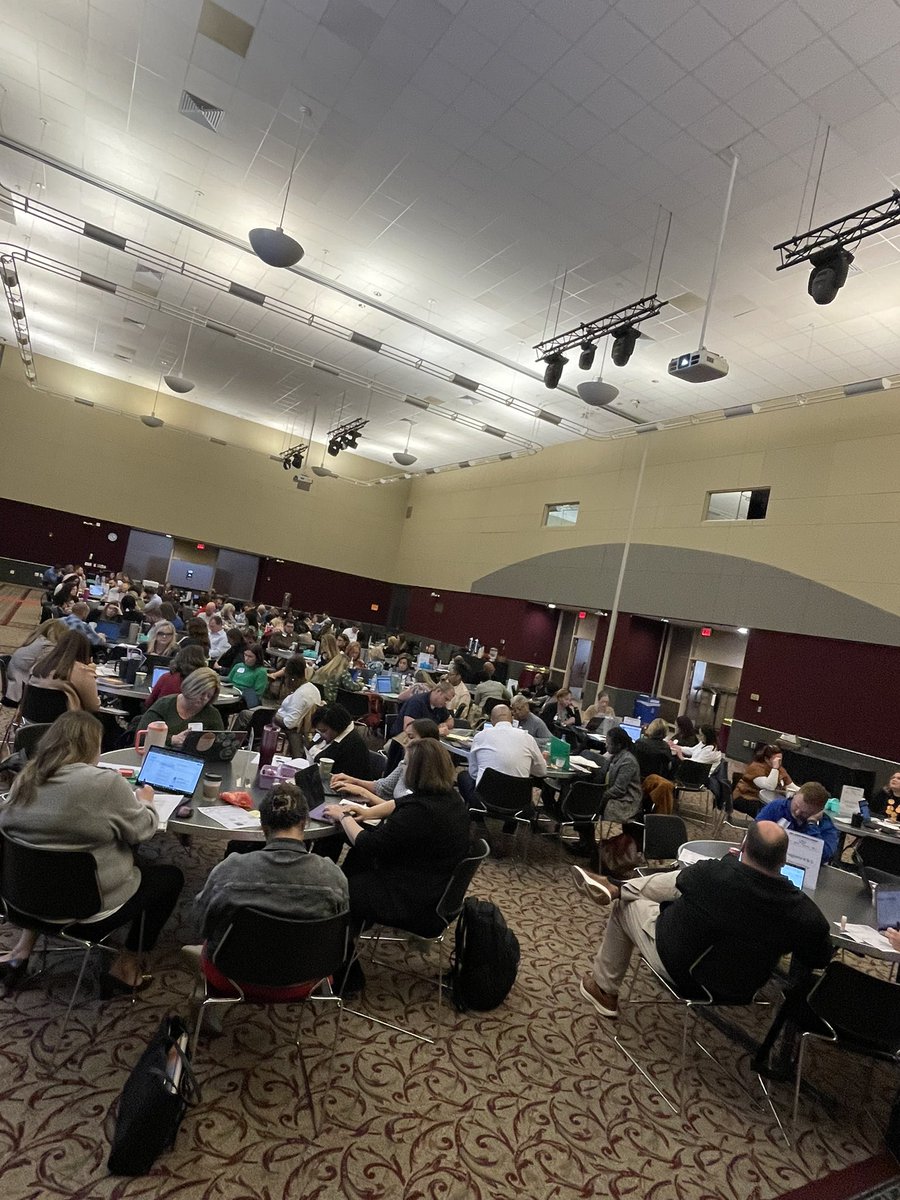
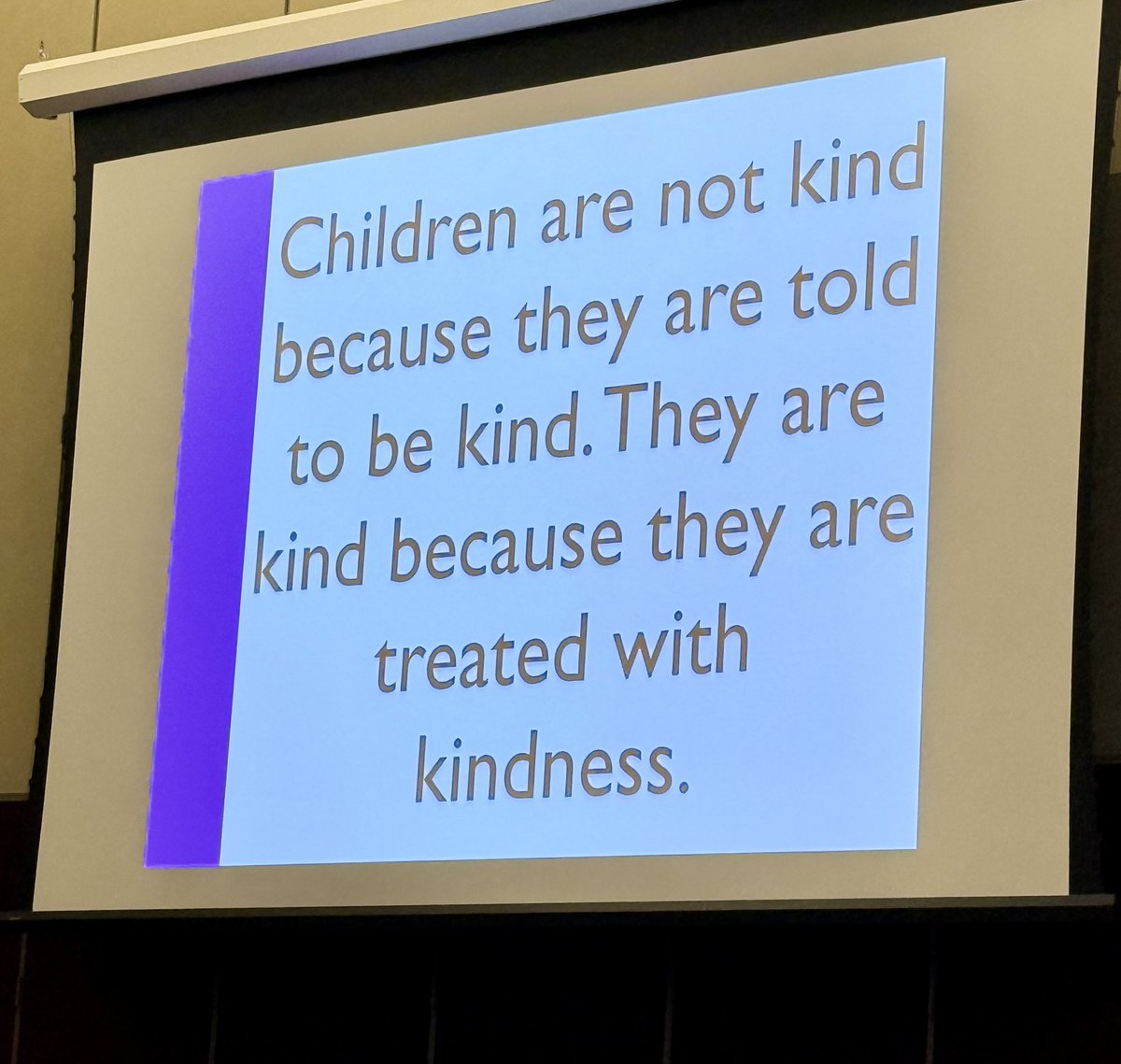
It was such a pleasure to spend the day with the Early Career Principals Academy in Raleigh, North Carolina. Such an impressive group with leaders like these NC schools and students are in great hands! Thank you @NCPrincipals for the opportunity. It was an honor.
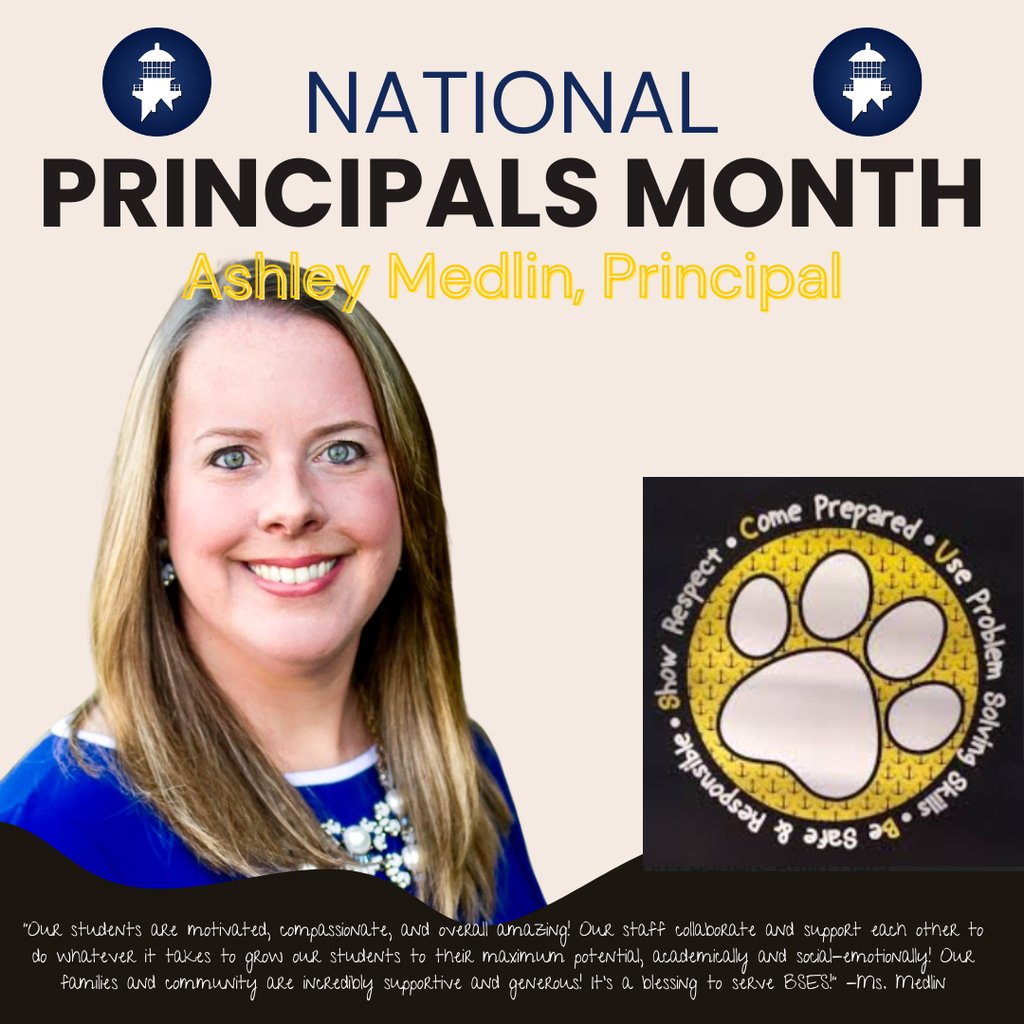
Today, we celebrate Ashley Medlin, principal at Bogue Sound Elementary School! 💙✨ Her dedication, leadership, and passion for student success make a lasting impact every day.
Thank you, Ms. Medlin, for all you do to inspire students, staff, and our community! 🙌
10 ways to make your school/classroom more aligned to “Maslow Before Bloom Then Gardner, Jung & Goleman”:
1. Create a Safe and Predictable Environment (Maslow)
Why it matters: Students can’t thrive academically if they don’t feel physically and emotionally safe.
How to implement:
•Set clear, consistent routines and expectations.
•Use calm, regulated adult behavior to de-escalate situations.
•Avoid yelling or public shaming.
•Establish safe spaces or calming corners in classrooms.
⸻
2. Foster Strong Relationships and Belonging (Maslow & Goleman)
Why it matters: Connection is a foundation for trust, motivation, and learning.
How to implement:
•Greet students by name and check in daily.
•Use restorative circles or class meetings.
•Encourage cooperative learning and peer mentoring.
•Notice when students are isolated and help bridge connections.
⸻
3. Recognize and Support Individual Strengths (Gardner)
Why it matters: Every student learns and shows intelligence differently.
How to implement:
•Offer choices in how students show mastery (e.g., art, music, movement, technology).
•Use interest inventories and learning style surveys.
•Highlight and celebrate “non-academic” intelligences (musical, kinesthetic, interpersonal, etc.).
⸻
4. Help Students Understand Themselves (Jung)
Why it matters: Self-awareness fuels self-direction, purpose, and confidence.
How to implement:
•Use journals, reflections, or identity-based projects.
•Discuss values, personality traits, and inner motivations.
•Encourage students to explore who they are beyond grades.
⸻
5. Teach Emotional Intelligence (Goleman)
Why it matters: Emotional regulation, empathy, and social awareness are essential life skills.
How to implement:
•Embed SEL (social-emotional learning) into daily routines.
•Use “name it to tame it” strategies to help students label emotions.
•Model emotional vocabulary and healthy expression.
⸻
6. Prioritize Student Voice and Choice
Why it matters: Autonomy boosts engagement, confidence, and motivation.
How to implement:
•Let students co-create classroom norms.
•Give options for assignments and projects.
•Allow space for student-led discussions and decisions.
⸻
7. Address Trauma and Emotional Dysregulation with Compassion
Why it matters: Students often communicate their needs through behavior.
How to implement:
•View misbehavior as a signal, not a personal attack.
•Use logical and natural consequences instead of punitive ones.
•Incorporate trauma-informed training and practices for staff.
⸻
8. Celebrate Small Wins and Growth (Maslow & Goleman)
Why it matters: Motivation grows when progress is noticed and effort is affirmed.
How to implement:
•Recognize effort, improvement, and acts of kindness.
•Use growth mindset language.
•Celebrate “character wins” as much as academic achievements.
⸻
9. Integrate Purpose, Meaning, and Reflection (Jung & Gardner)
Why it matters: Students want to know why learning matters and how it connects to their lives.
How to implement:
•Tie lessons to real-world problems or community needs.
•Encourage students to reflect on how learning connects to who they are or want to become.
•Incorporate service learning, passion projects, or legacy assignments.
⸻
10. Support Staff Wellness and Modeling
Why it matters: A dysregulated adult cannot regulate a dysregulated child.
How to implement:
•Prioritize adult SEL, wellness time, and reflection.
•Model vulnerability, balance, and boundaries.
•Encourage staff to also explore their strengths, triggers, and values.
Join the discussion at the “Maslow Before Bloom” Facebook group: https://t.co/015cLKjJ1m.
24-25 accountability results are in! We are super proud of the hard work of our amazing staff and students which is evident in our data!!🎉 I’m BLESSED to work with the BEST @BogueSoundCubs 💛🖤 It’s always a great day to be a Cougar Cub!! #education#nced#elementaryschool
The most important thing to get ready in your room…IS YOU! Kids are going to walk in and see their name and know if they are supposed to be in that room. Then they’ll look at you…and know if THEY BELONG. Just got to take care of each other. #LeadFromWhereYouAre#1minwalk2work
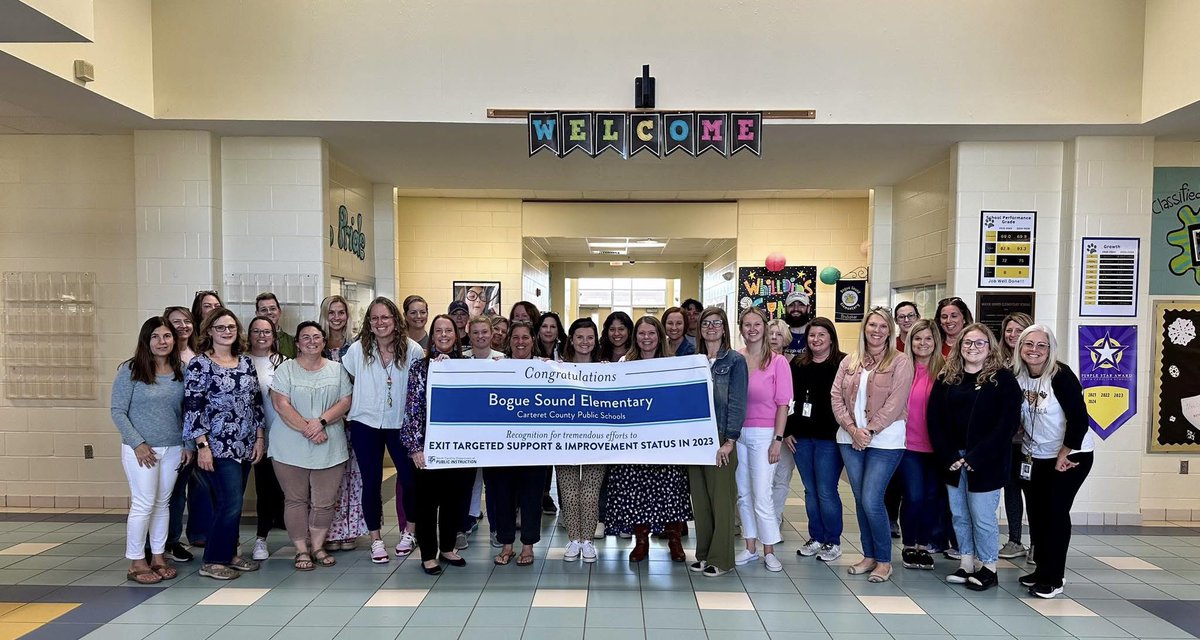
Staff celebrated together after being recognized by NC DPI and at the @CarteretK12 principals meeting this month for exiting Targeted Support and Improvement (TSI) status!!! 💛🎉🖤 Great things are happening at @BogueSoundCubs 🐾 #education#BetterTogether
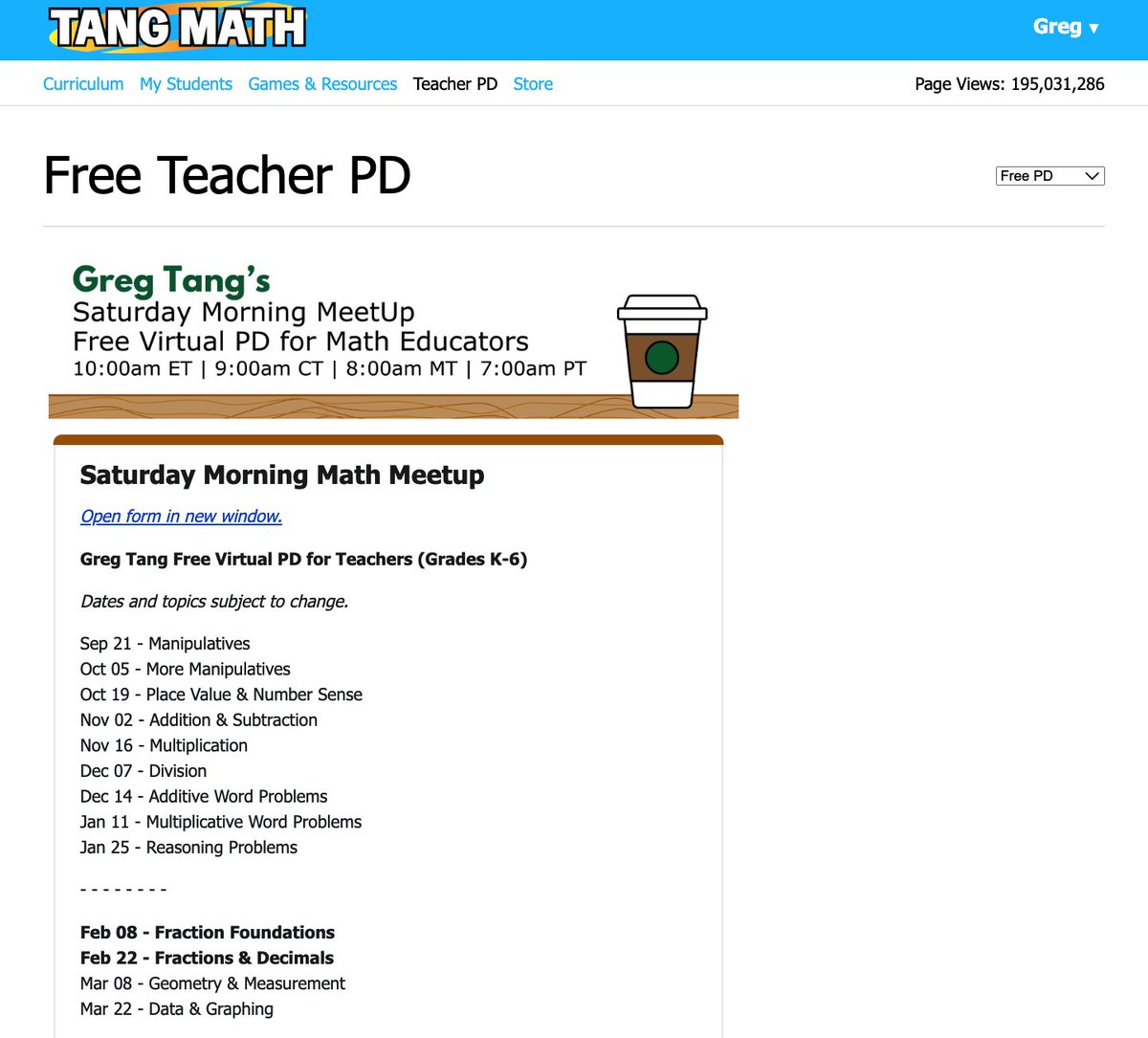
It's Fraction February!
Fractions are the most intuitive topic kids struggle with later. It's not the concepts – fractions are actually easy.
Maybe it's the way they are taught? Join us as we make sense of fractions. Your satis-fraction is guaranteed!
https://t.co/6I2mCUiWmV
Looking for a user-friendly lesson planning or coplanning tool to support English learners #ELs/ #MLLs with research-based teaching practices?
Check out this SIOP® 1-pager created by Dr. Katie Toppel:
�� https://t.co/nSgIpYNFat...
#K12 #Educhat #Edchat #SIOP #CoTeachat
"What should we look for in powerful classrooms?"
5 factors that contribute to teaching for robust understanding, via leader Alan Schoenfeld:
#MTBoS#WeLeadEd
https://t.co/b7uIrH85li
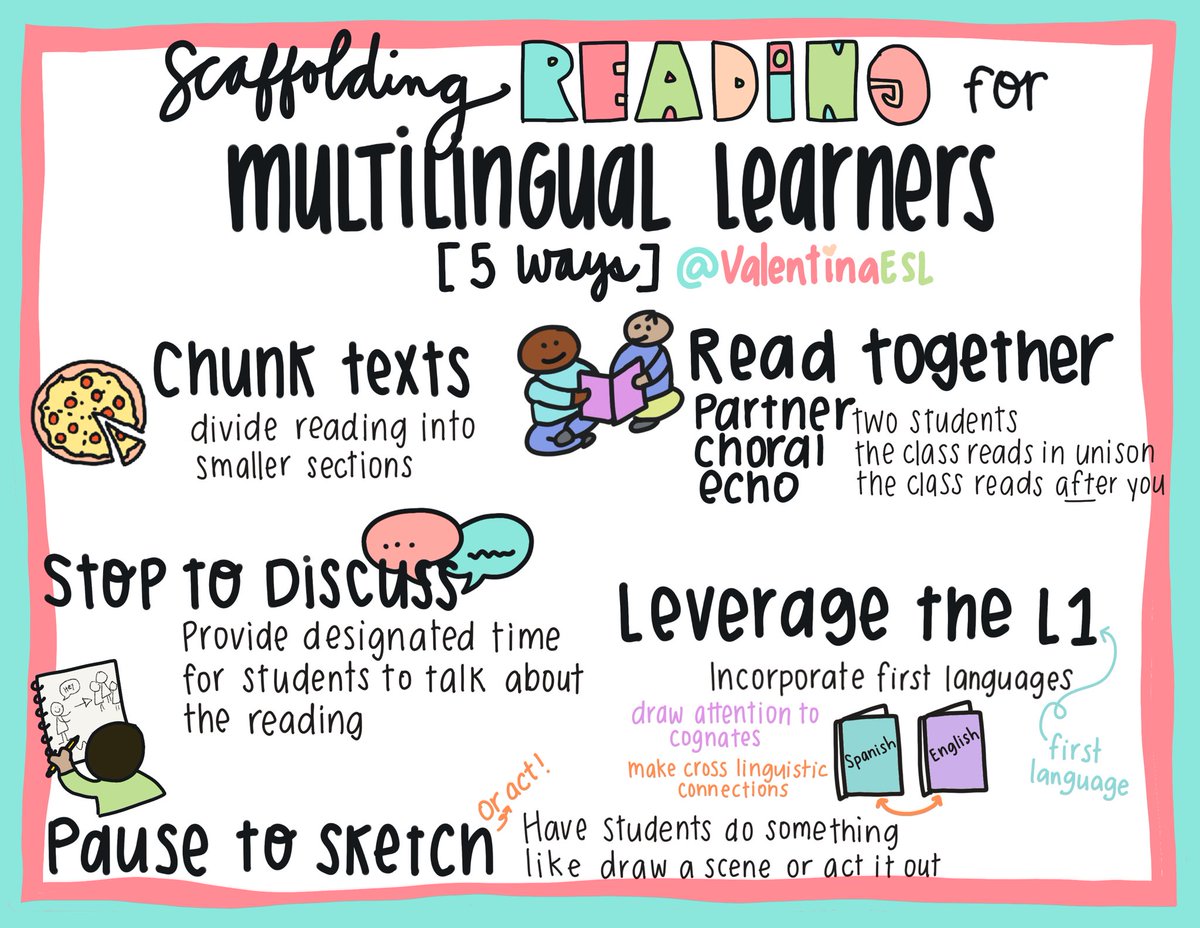
Students who are reading in a language they are still learning may benefit from additional scaffolding to support comprehension.
1. Chunk — Divide the reading into manageable portions.
2. Stop for discussion — Give students frequent opportunities to discuss the reading with their peers.
3. Pause for drawing — Have students do something with the reading such as draw or act out a scene.
4. Read together — Pair students to read with a buddy, read together as a class, or have the class echo read.
5. Use L1 — Leverage students” full linguistic resources including their first language.
What would you add?
#teaching #teachingenglish #teachingideas #teachingresources #teachingkids #ESOL #bilingual