If you use Win11, and virtual desktops, I built a thing to help me switch faster between them. My desktops are organized spatially now, according to the numeric keypad, just CTRL+WIN+7 and I'm there. Projects are looking much better organized these days.
https://t.co/9FnShgrcLx
My new hobby. I took one of my favorite books, which has a very specific scene. I asked Opus 4.8 to create a prompt to describe the scene in detail, and Gemini to create the image. If you've read it, you know this scene...
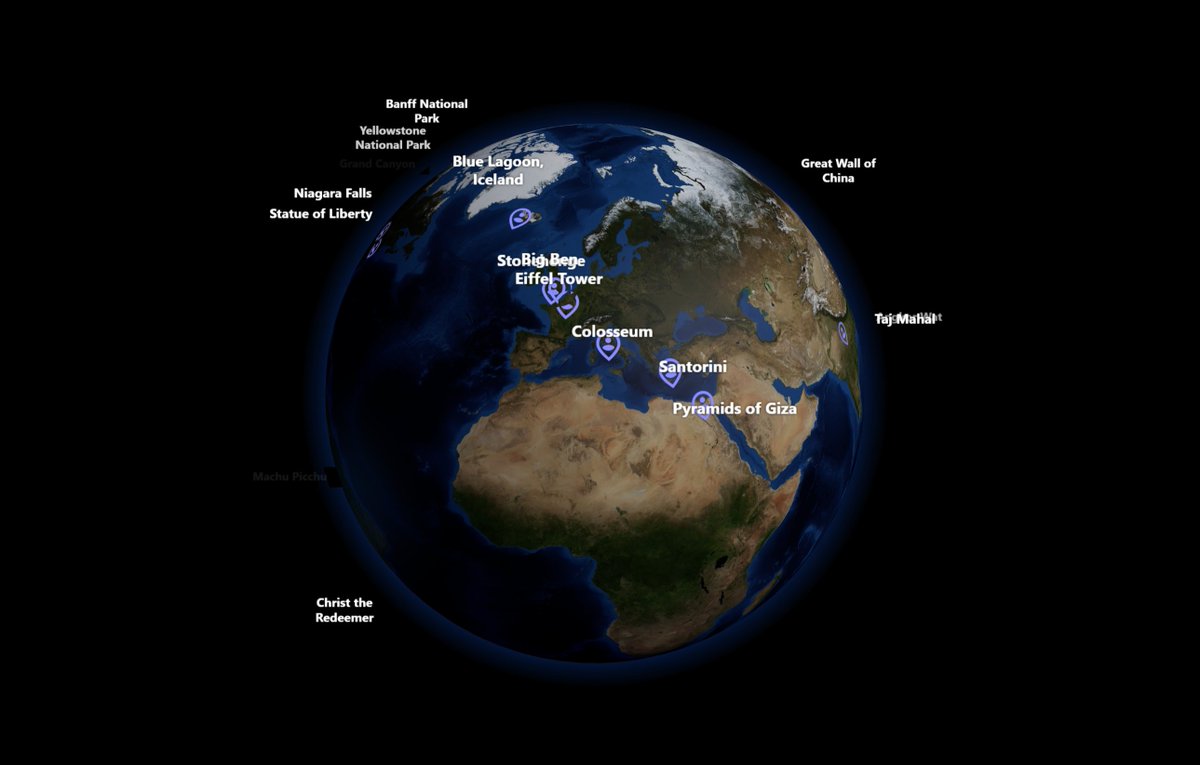
Wha... a 3D globe with CMS-stored locations and SVG-projected pins?! #webflow's AI code components are pretty slick! Time to see what other cool things they can do.
https://t.co/Pfcd1q0YDz
100%. The strongest value prop in Webflow is the ability to manage roles and control access, while protecting the core design and brand. It's brilliant at that. Even for my own designs I lean into it for responsive control, localization, etc. But there's definitely a growing category of "just let AI do it." that I lean into for more utilitarian interfaces like my SaaS products.
@SebAaltonen Every serious project I do feels like a postgraduate thesis in terms of the amount I learn. Half of my prompting is engineering. The other half is "why this approach?" "explain the pros and cons" "is there a more optimal approach?"...
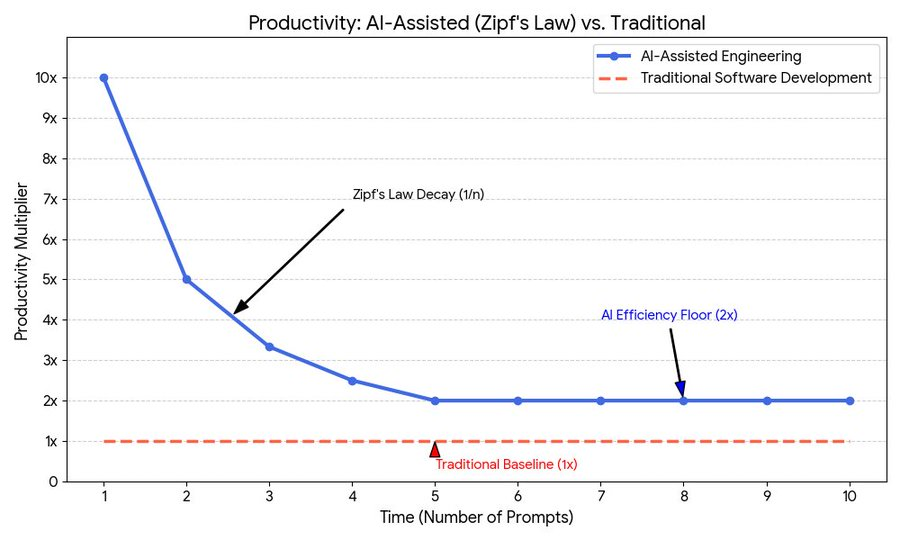
They do, but the same was always true for trad software dev. We just didn't really notice because the beginning of the curve was also flat-ish. limited by typing speed.
But once you're in the flat part of the curve, are you still seeing substantial efficiency gains? I still do, it just shifts the workload hard towards context engineering.
I'm also noticing that you regain velocity when you're building a new external feature, outside of the existing code base. Perhaps there are techniques to break that curve, dev patterns tied closer to e.g. city building. Tear down and cart away the building first. Then build the new one in its place. New challenges of course, but it solves for complexity during the build itself.
https://t.co/ZIunteKRS8
@whusterj@zeeg Same. As an extreme example, the three-body problem is related. It's essentially an information theory problem- the volume of data needed to describe the system and its interactions explodes.
I have Meta oakleys, solid mic + audio. Might there be a way to link this in so I can get Claude Code hook prompts and respond with approvals, hands free? Raybans might even be better, adding the HUD aspect. I'm looking for any kind of solid, free-range, handsfree remote integration.