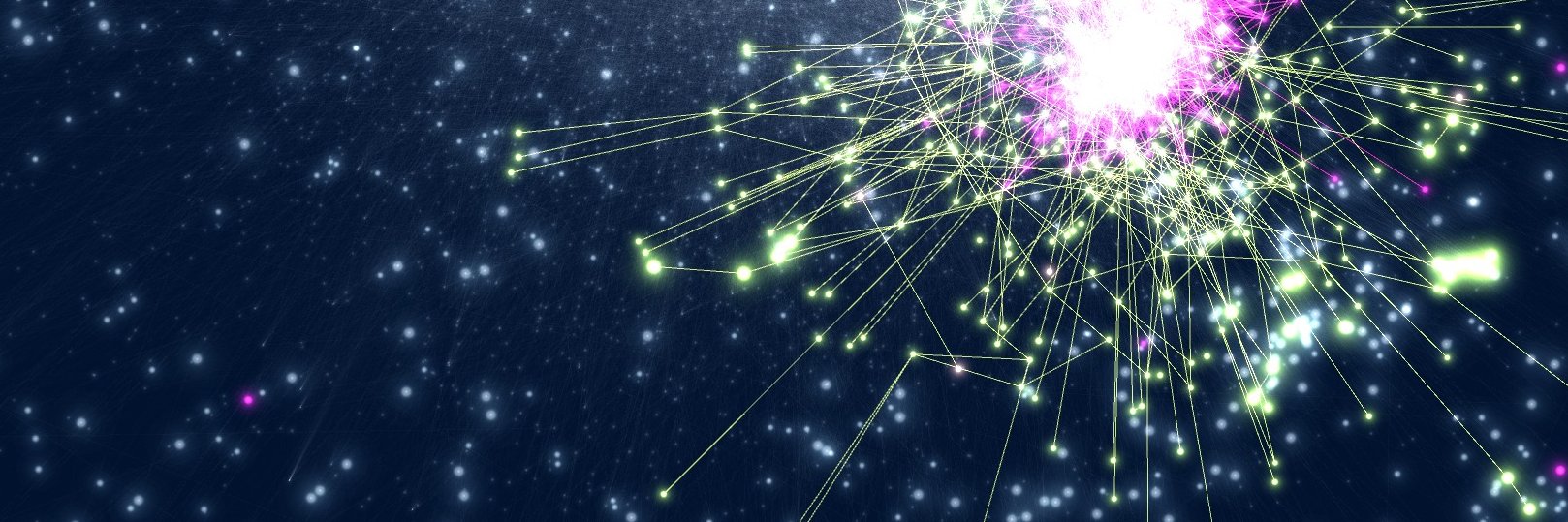
Interested in network visualizations that are not just pretty, but actually mean something? Check out our new paper @NatComputSci: https://t.co/OvlYC0UK3c
@CeMM_News@MaxPerutzLabs@univienna (1/n)
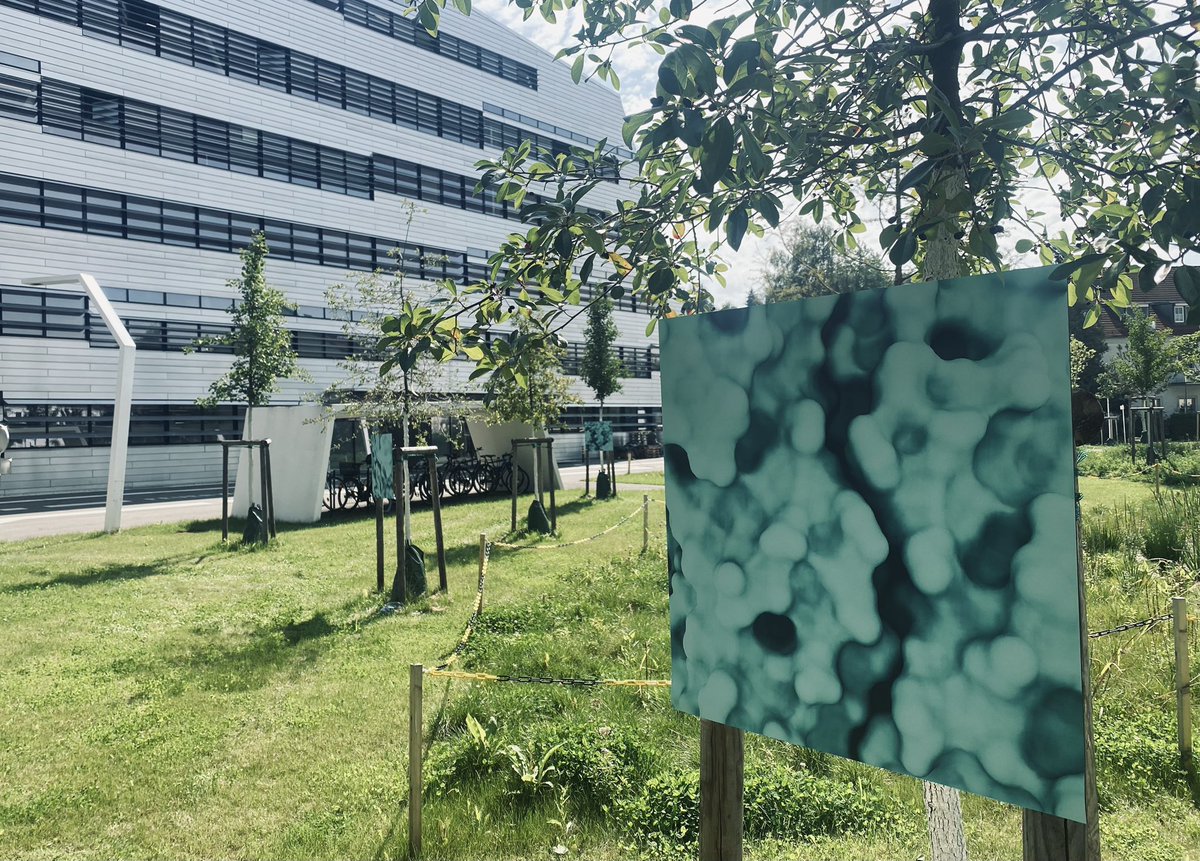
@MaxPerutzLabs@viennabiocenter So it begins! After months of preparation, our exhibition is finally ready for the crowd that will soon start to pour in at the @ArsElectronica festival. Don’t miss it if you’re around. And you should be around, the festival is incredibly cool!
Interested in network visualizations that are not just pretty, but actually mean something? Check out our new paper @NatComputSci: https://t.co/OvlYC0UK3c
@CeMM_News@MaxPerutzLabs@univienna (1/n)
All credits go to the amazing @ChrisHuetter who made it all happen. Originally trained in architecture, she dared to embark on an entirely different adventure with us on this project. This is her explaining it herself: https://t.co/nUnn90T4Am
(10/n)
All credits go to the amazing @ChrisHuetter who made it all happen. Originally trained in architecture, she dared to embark on an entirely different adventure with us on this project. This is her explaining it herself: https://t.co/nUnn90T4Am
(10/n)
I hope that the wide #NetSci and #dataviz community will find our method as useful as I do. All our code is public https://t.co/7sLAzmNCHr and there’s also a little webtool https://t.co/nPsS0vVG2c.
(9/n)
CeMM Adjunct PI Jörg Menche (@MencheLab / @MaxPerutzLabs / @univienna) & his team have developed a multiplex #network that will help identify causative genetic defects more easily & predict possible consequences to improve treatments of #RareDiseases ➡️https://t.co/rgYeXzNWsM
Finally, we would like to thank our collaborators for joining us on this adventure! We couldn’t have done it without Vanja and her team from the @Lab_Nagy. We are also grateful to our fantastic institutions @CeMM_News@MaxPerutzLabs and funding agency @WWTF (n/n)
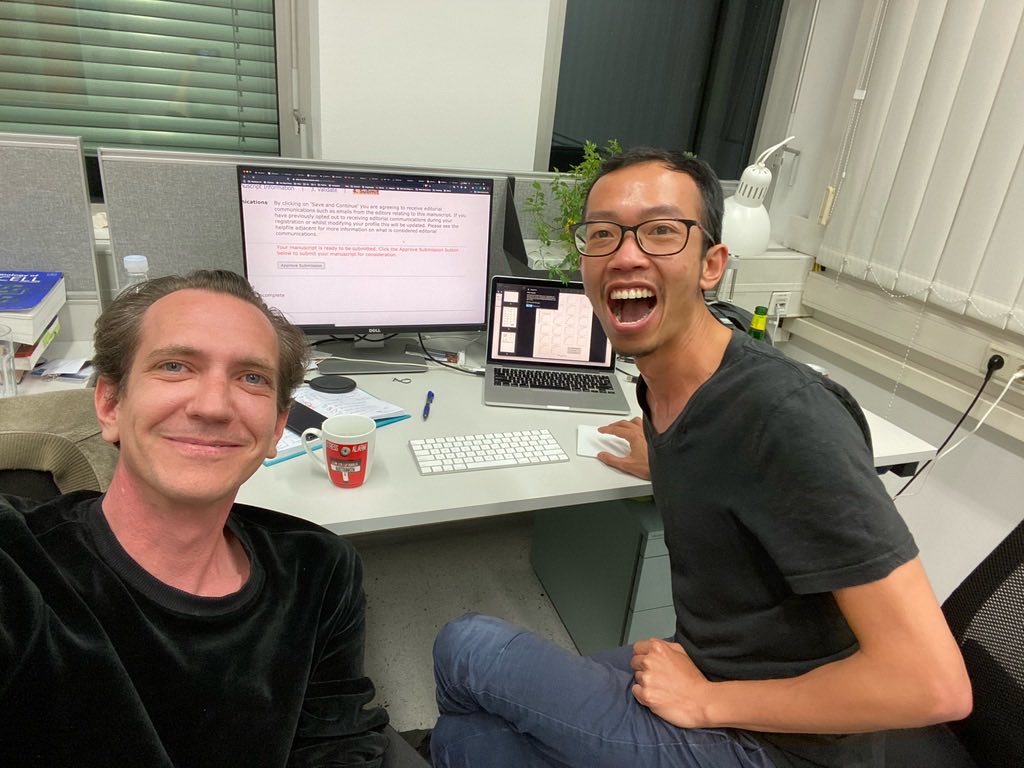
All credits go to the amazing @izebuphamalai who performed this extensive tour de force of crunching dozens of datasets, extracting millions of interactions, thousands of diseases … This is what we looked like when we finally submitted the paper (10/n)