Hedge fund managers, venture capitalists, and tech executives are pulling their kids from public and private schools to enroll them in AI-tutoring startups that pay staff to stop calling themselves teachers and face no state requirement to report how well any of it works.
Alpha School, now in a dozen cities and expanding to nearly two dozen more this fall, charges $75,000 a year in San Francisco for two hours of AI tutoring followed by project workshops, using software that tracks how closely a child pays attention. Forge Prep in New Jersey charges up to $36,000 and promises graduates a $200,000 payout if they start a company instead of taking a job. Billionaire Bill Ackman has publicly backed Alpha. Neither school reports outcomes to any state, and Forge's own founder admits there is no data showing things are going well.
Alpha sells home-schooling software on top of tuition. Forge's startup fund assumes graduates will found companies rather than join a labor market its own AI curriculum is designed to help automate. Alpha's spokeswoman says its families are overwhelmingly finance, venture capital, and tech workers, meaning the industry building the AI disrupting entry-level jobs is now selling itself a private curriculum to land its own kids on the ownership side of that disruption.
Alpha's in-person staff voted to reject the word teacher, and its remote coaches monitoring the AI software are scattered across the globe. Stanford's Victor Lee says dropping the title diminishes the professionalism teaching requires. Stanford's Caroline Hoxby, who studies these programs rather than sells them, says there is negligible scientific evidence behind any of it.
My take: The same investor class funding AI tools built to gut entry-level jobs is now buying its own children a private exemption from those tools' consequences, for $75,000 a year.
Public schools absorb AI disruption unfunded and unreformed while this cohort builds itself an unaccountable alternative marketed as personalization. This is what class stratification looks like once it gets rebranded as coaching, guides, and life skills.
https://t.co/eAZnvCxex1
New Anthropic research: A global workspace in language models.
Of everything happening in your brain right now, only a tiny fraction is consciously accessible—thoughts you can describe, hold in mind, and reason with.
We found a strikingly similar divide inside Claude.
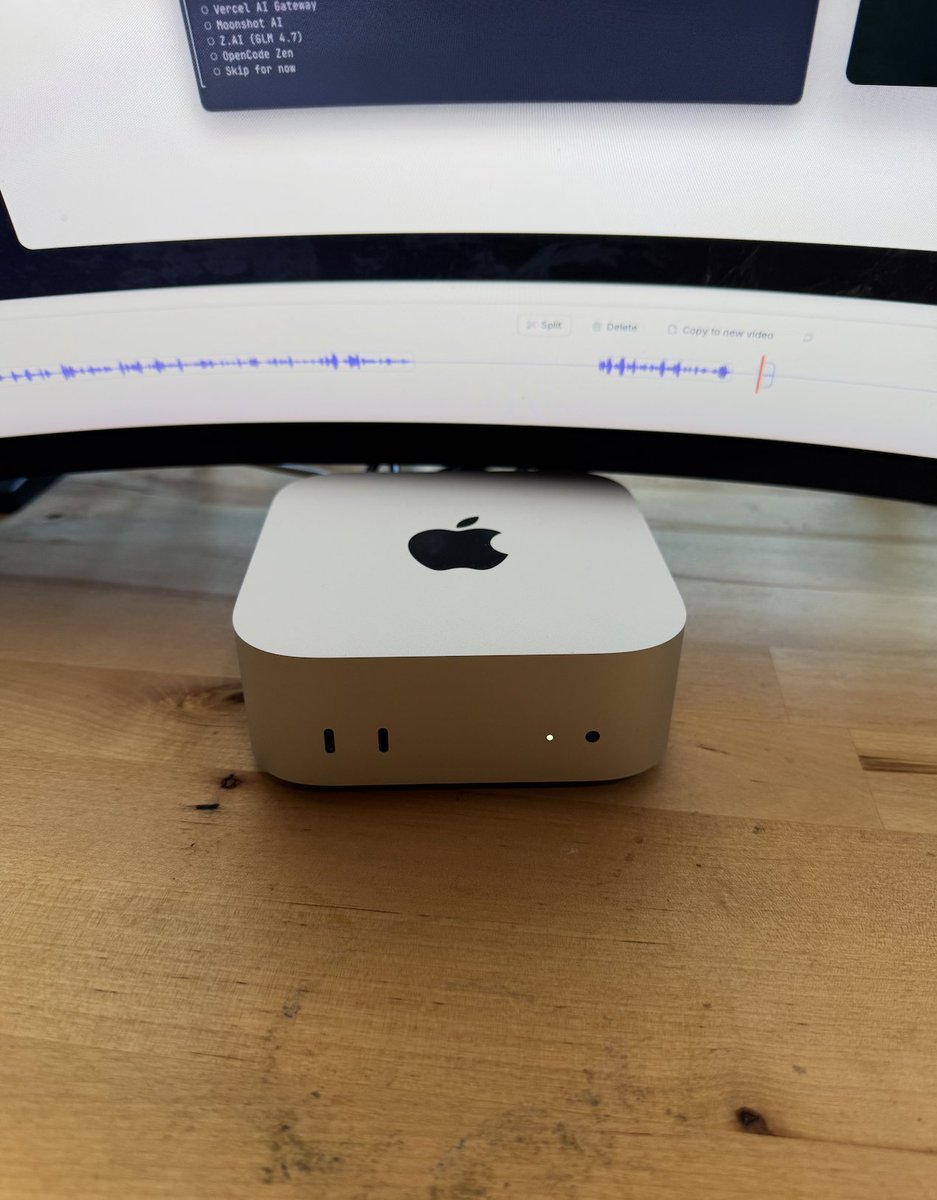
Yesterday I installed ClawdBot on this mac mini. An AI agent assistant that works for you 24/7
Since then it's accomplished all of this for me while I lived my life:
• Wrote 3 Youtube scripts
• Wrote my next newsletter
• Researched 26 other AI accounts and took notes on what's working
• Created a daily brief that has all the latest AI news
• Built it's own project management system
• Spun up it's own employees. I now have 2 levels of AI agent employees under me
• A complete 2nd brain system to replace Notion
Yeah. We literally have AGI
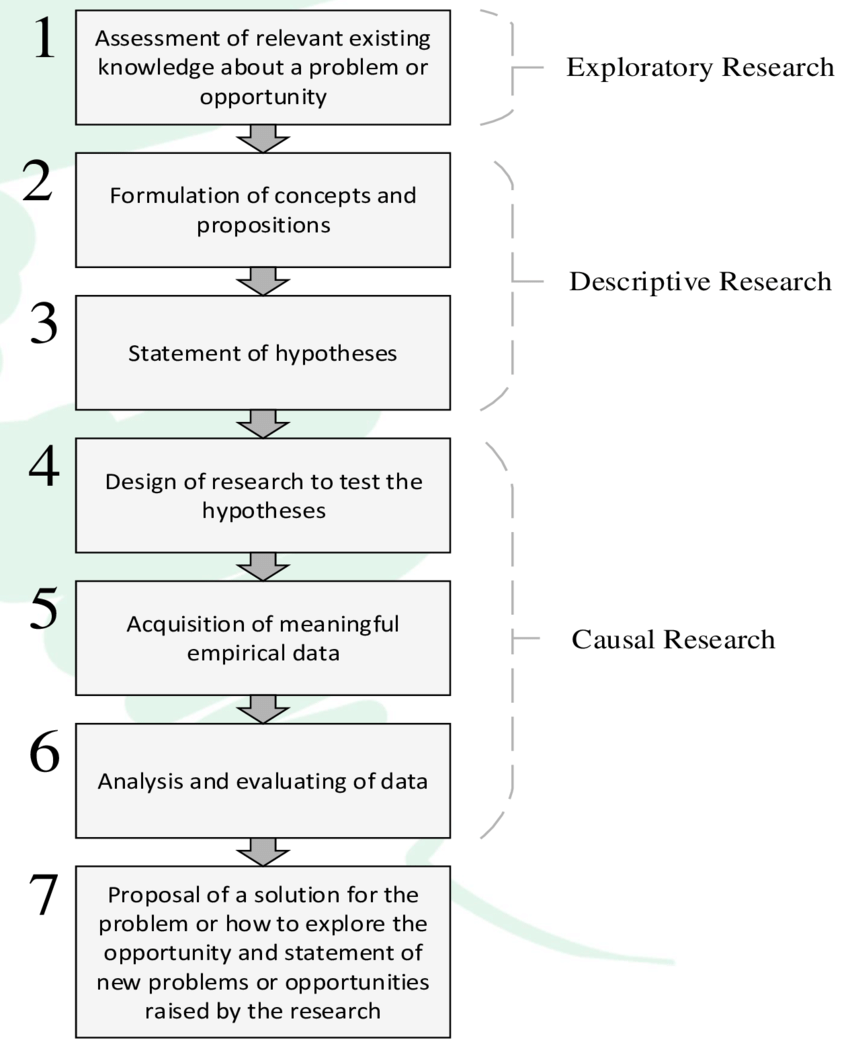
Simplify Your PhD Thesis & Dissertation Structure in 7 Clear Steps
Diving into a PhD thesis or dissertation can feel like navigating a labyrinth.
But what if we could break it down into manageable, clearly defined steps?
Here's how:
You've spent months on your research, only to realize you used the wrong method. Ouch. Research methods confuse most people.
I see more boring, unappealing, and standard explanations by the day.
Because it's challenging to understand them all.
It requires many skills. Like:
→ Data analysis
→ Critical thinking
→ Experimental design
→ Statistical interpretation
All part of conducting great research.
Yet, many researchers fail at choosing the right method.
Here are 5 key branches of research methods:
→ Quantitative (numbers-based analysis)
→ Qualitative (exploratory, non-numerical)
→ Mixed Methods (combining both)
→ Experimental (testing cause-effect)
→ Observational (watching without interference)
A good researcher must be able to navigate these methods.
Qualitative methods are crucial for in-depth understanding.
Here's how I would structure a qualitative study:
1. Research question (what you want to explore)
2. Data collection (interviews, observations)
3. Thematic analysis (finding patterns)
4. Interpretation (making sense of findings)
5. Conclusion (addressing the research question)
I'd aim for rich, detailed descriptions in my methodology.
And for as much depth and context as my data allows.
Here are 7 qualitative methods I love:
1. Ethnography
2. Case Study
3. Phenomenology
4. Grounded Theory
5. Content Analysis
6. Action Research
7. Historical Research
Good luck with choosing a research method that doesn't fail.
It's a challenge. I think my methods could improve as well.
Please share your favourite research method in the comments if it helped you publish a paper.
It's helpful to many new researchers to get inspiration.
What do you think makes or breaks a good research methodology?