James Fishback on government transparency and mass surveillance, "We should know everything about our government and they should know next to nothing about us." @jamesfishback
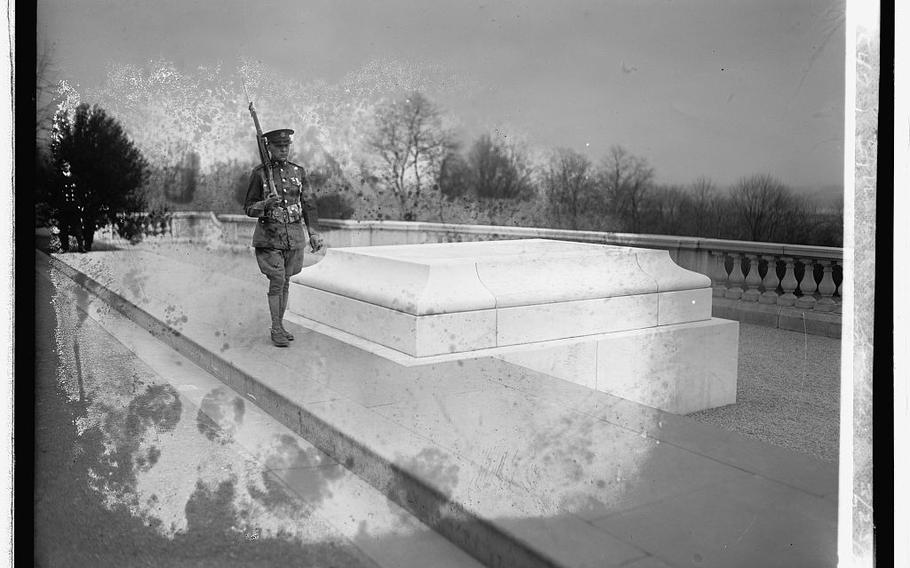
On November 11, 1921 - President Warren G. Harding led the dedication of the Tomb of the Unknown Soldier at Arlington National Cemetery. An unidentified American who had fallen in France was to represent all who died without a name.
On November 11th, 1918, World War I fighting ends. The armistice was signed on a railway carriage in the Forest of Compiègne, France. On the eleventh hour of the eleventh day of the eleventh month. The war officially ended with the Treaty of Versailles in 1919, but November 11 became the date of remembrance. It was later renamed Veterans Day in the United States.
On November 11th, 1620, 41 men aboard the Mayflower signed the "Mayflower Compact" pledging to obey laws made for the common good. It became one of the earliest frameworks for self-government in what would become the United States.
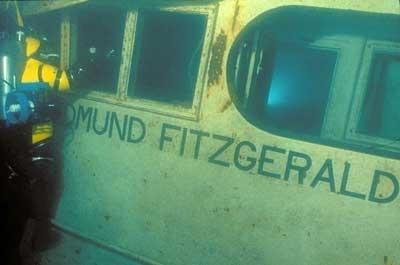
On November 10, 1975, the SS Edmund Fitzgerald sank, killing all 29 crew. The 729-foot Great Lakes freighter lies under 530 feet of water in Lake Superior. Gordon Lightfoot’s 1976 ballad immortalized the tragedy.
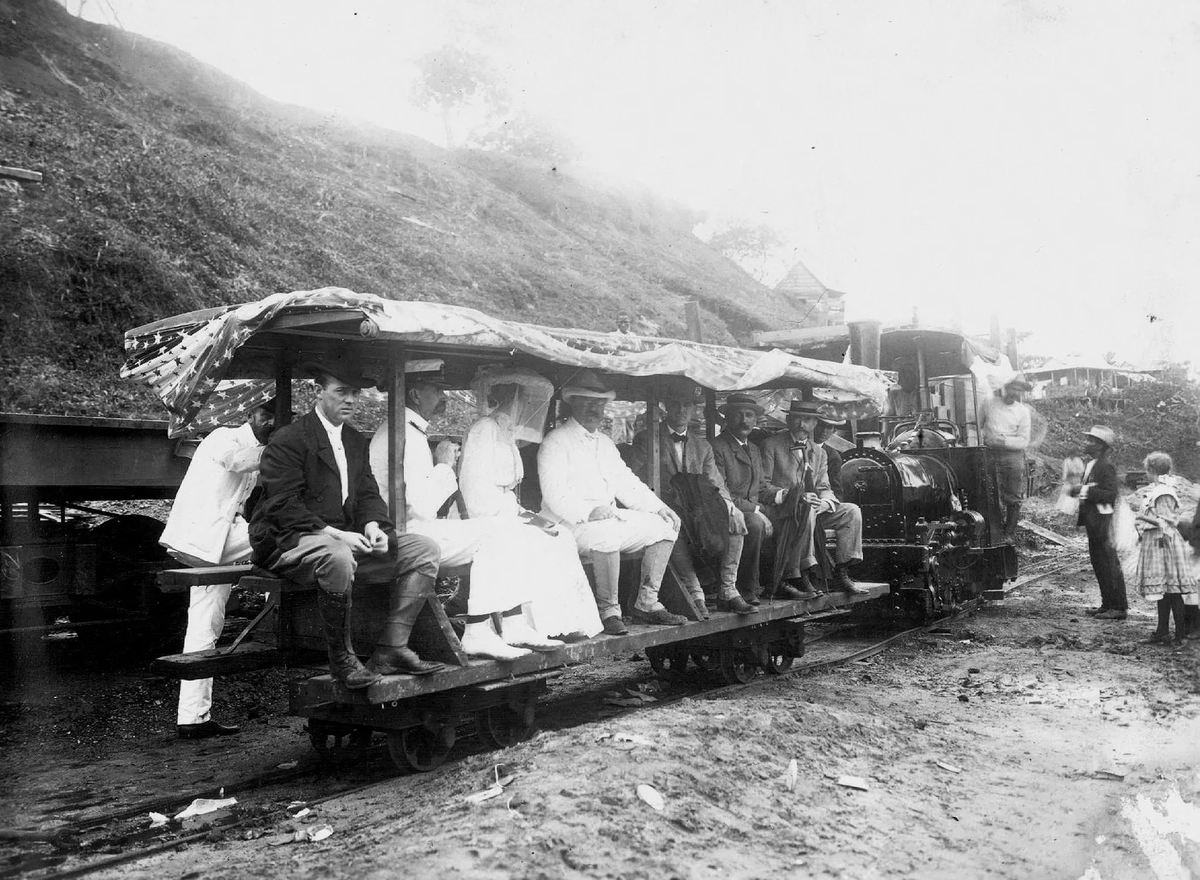
On November 9th 1906, President Theodore Roosevelt left for Panama aboard the USS Louisiana to inspect the construction of the Panama Canal. Theodore Roosevelt became the first sitting U.S. President to leave the country while in office.
James Fishback on illegal aliens taking American jobs, "There are illegal aliens who do have good jobs, that's the point. There should be American citizens who have good jobs."
President Trump on amnesty, "There's no amnesty.... We want to get the worst of the worst and then we'll see what happens.... they're productive. Some of them are even paying taxes." Contradicting his campaign promises of "Mass Deportations" in 2024.
On November 8, 2016, Donald J. Trump defeated Hillary Clinton in a surprise upset, becoming the 45th President of the United States. Trump secured 304 electoral votes to Clinton’s 227 while losing the national popular vote. The fifth time in U.S. history that the winner of the Electoral College lost the popular vote.
On November 8, 1960, Democratic Senator John F. Kennedy narrowly defeated Republican Vice President Richard M. Nixon in one of the closest presidential elections in U.S. history. At age 43, Kennedy became the youngest person ever elected President and the first Roman Catholic to hold the office.
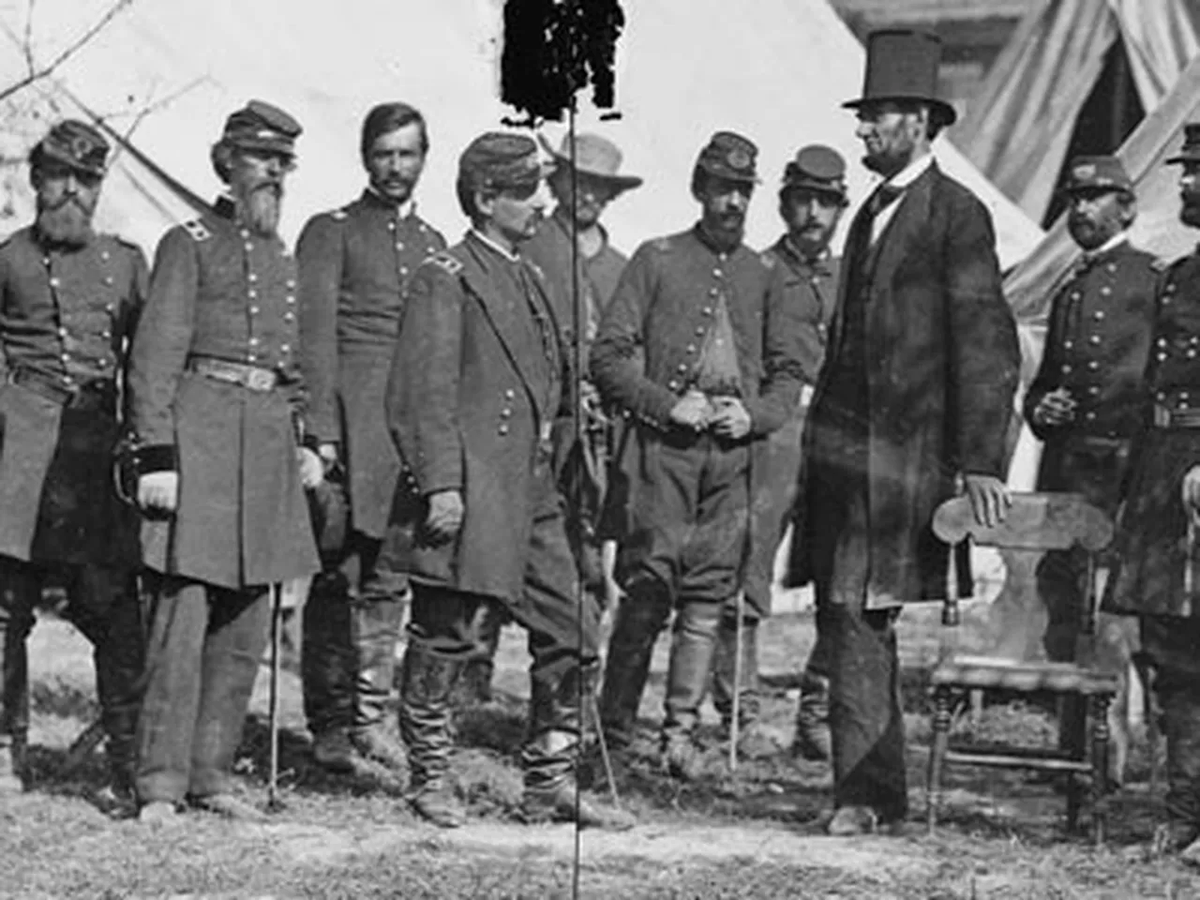
November 8, 1864, Abraham Lincoln was reelected to a second term defeating George B. McClellan. Lincoln's reelection affirmed the Union's determination to continue the Civil War against the Confederacy.