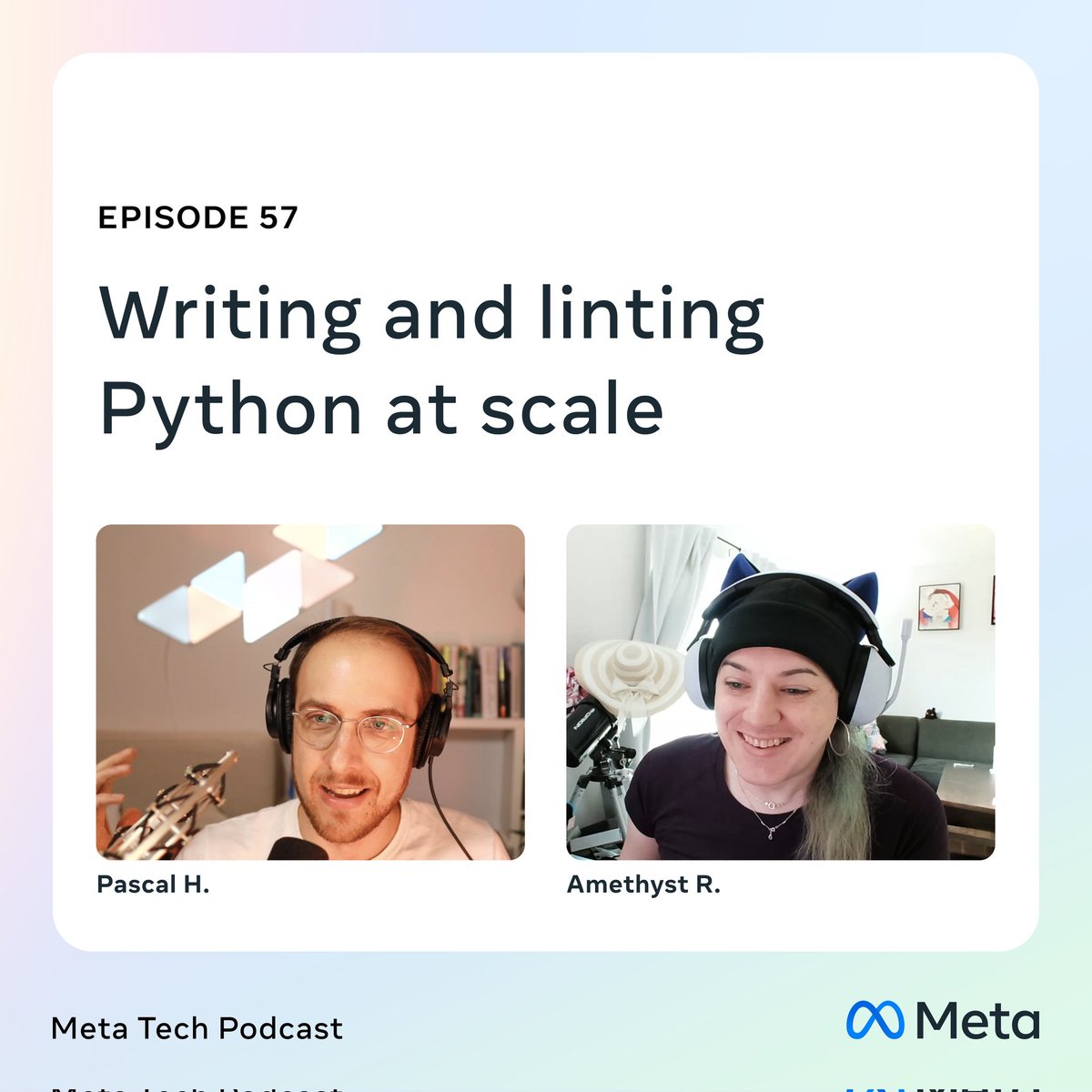
Python at Meta is huge. Not only does it famously power Instagram's backend, but it underpins our configuration systems, much of our AI work, analytics and many smaller services. Amethyst tells @passy how the Python Foundation Team supports all this.
https://t.co/otYkkX2tAm
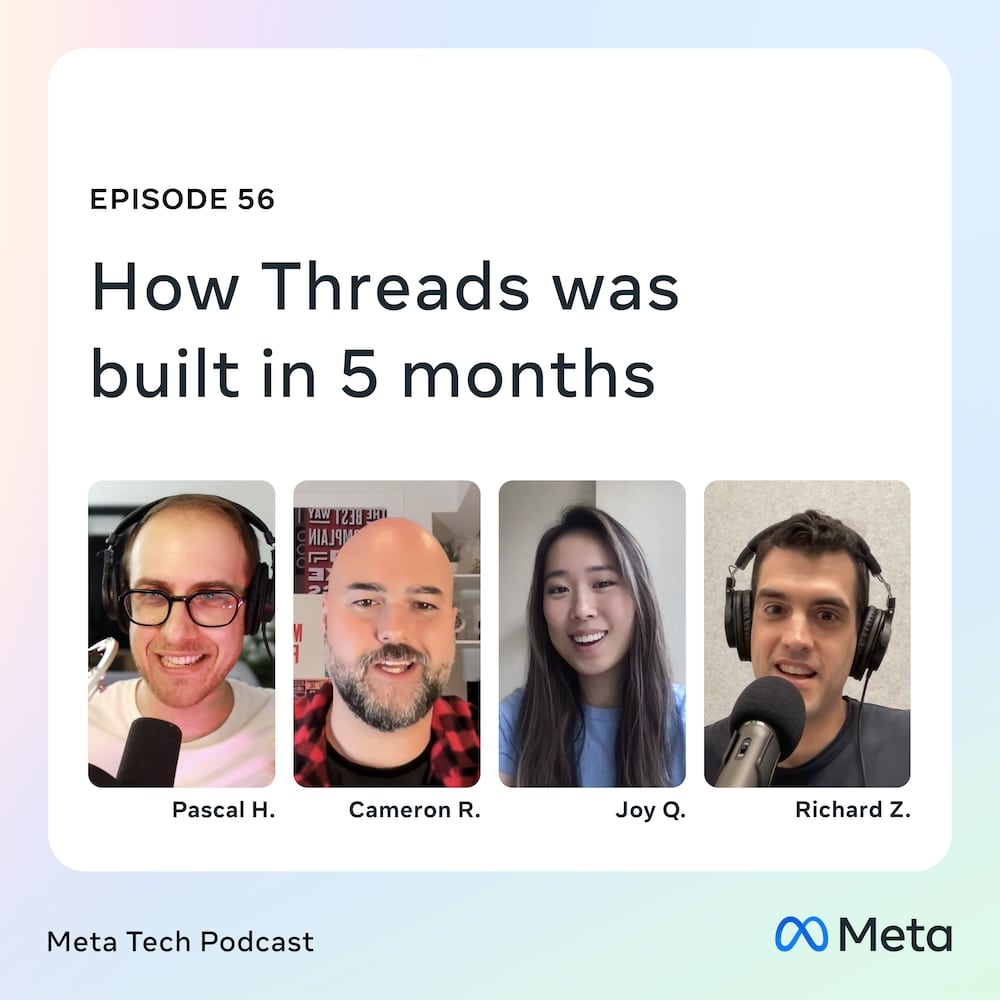
Threads went from idea to 100M users in just about five months. This would not have been possible without building on top of Meta's existing systems and infrastructure. Join @passy as he talks to three engineers who work on Android, iOS and backend.
https://t.co/cJZmMZ2NPL
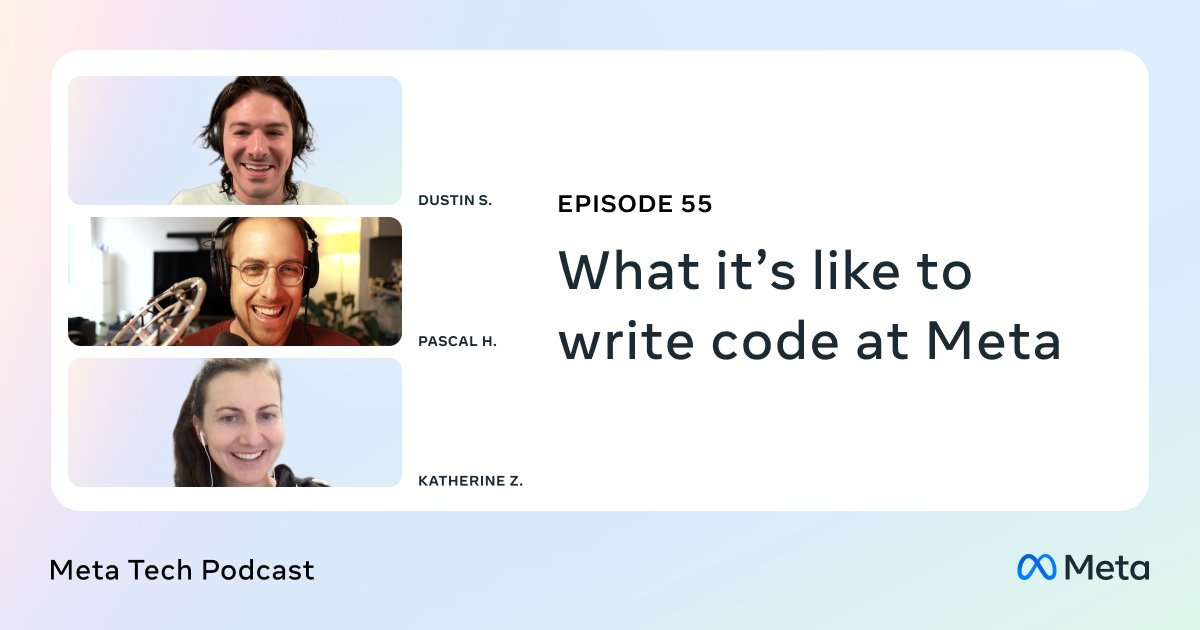
One big folder. No enforced code ownership. No QA team reviewing changes before they land. How are things not constantly on fire? Listen to @passy's interview with software engineers @KatherineZak and Dustin.
https://t.co/266EtpfCJq
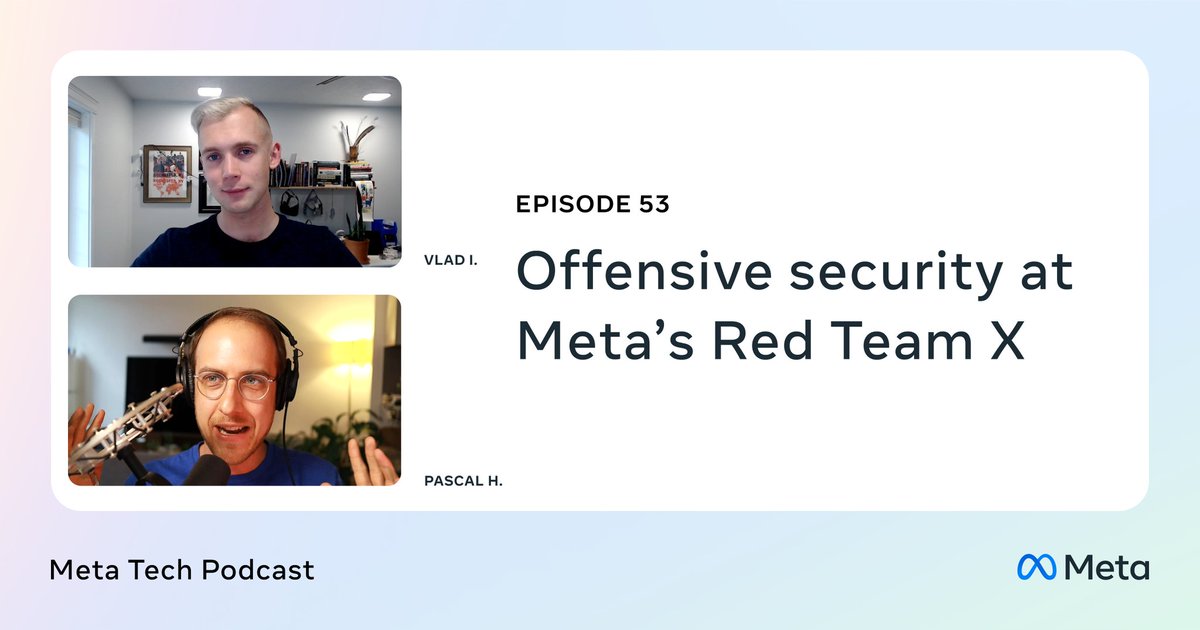
How can breaking hardware and software make the world safer? Vlad joins @passy to explain how offensive security at Red Team X looks for vulnerabilities in third-party products and works with the vendors to get the vulnerabilities fixed for everyone. https://t.co/Ukerv4iDGN
Developer Advocate @subramen talks all about PyTorch with @passy on the latest @MetaTechPod. Learn about the history of #PyTorch, how it became successful, and the importance of fostering a helpful community.
Listen now: https://t.co/5sHt9wVHKr
How did #PyTorch turn from underdog to one of the most-used frameworks for machine learning? Tune in to episode 52 of the Meta Tech Podcast with developer advocate Suraj to find out! https://t.co/koGd6e61k0
In the latest @MetaTechPod, host @Passy talks all about the newly released Buck2 build system with engineers @ndm_haskell and Marie Bremner.
Discover why Buck2 was built, how it's faster, and more: https://t.co/T17ixib8mg
Today, we released Buck2, our large-scale build system. Learn from Marie and Neil, two engineers on the build infra team, how they made Buck2 on average 2x faster than Buck1, what their experience with Rust was like and much more. https://t.co/NOYvbLU2P1
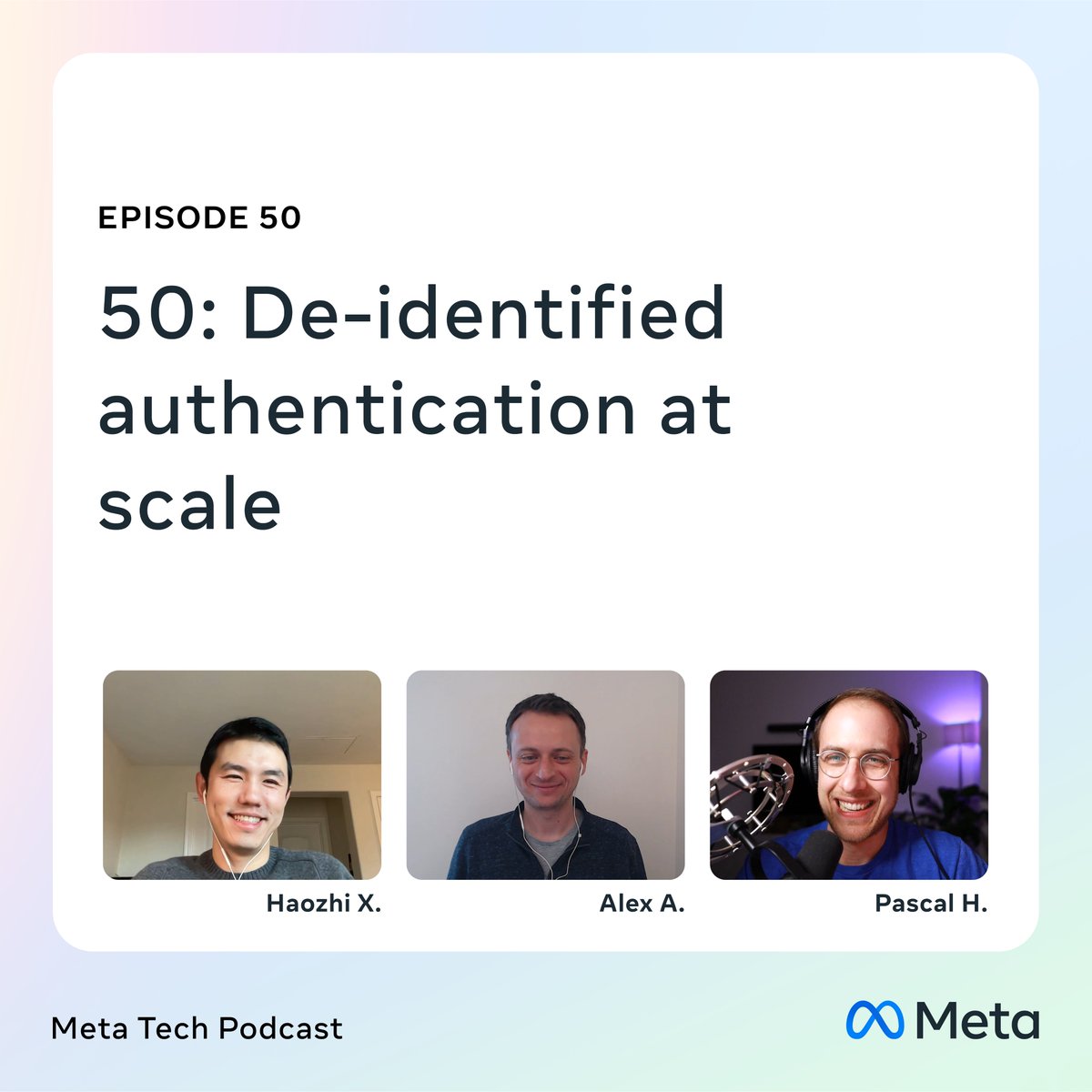
Some of our team members went on the Meta Tech podcast to talk about the work our team does at Meta. Leverage privacy enhancing technologies for data minimization at scale.
The Anonymous Credential Service is a recently open-sourced, highly available multitenant service that allows clients to authenticate in a de-identified manner. Tune in to learn from Alex and Haozhi how cryptography makes all of this possible. https://t.co/E1torL79lR
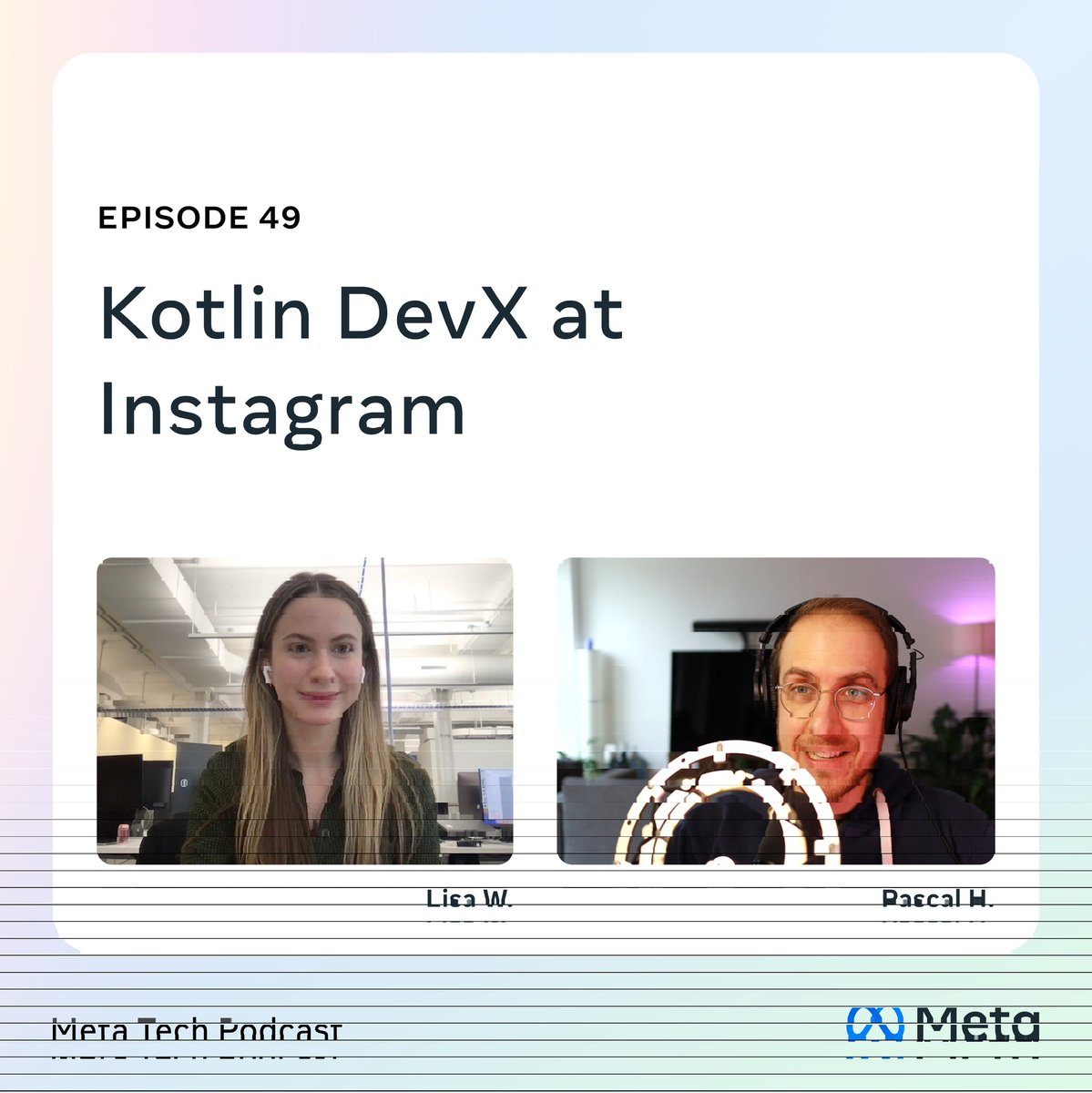
Lisa works on Instagram's Dev Craft team and has overseen the gradual migration from Java to Kotlin. Today, more than 80% of newly committed code is written in Kotlin but the journey wasn't easy.
Tune in to episode 49 to learn more!
https://t.co/5j2Pv2v7iE
When @ryanlpeterman started his work on reducing the compute cost for video encoding, the goal from the start was improving the user experience. To listen to the full interview, check out episode 48 wherever you get your podcasts.
It's not every day that you find a fix that reduces the video compute time by 94% but that's exactly what @ryanlpeterman did for Instagram. Tune in to episode 48 to learn why implementing the fix was actually the easy part. https://t.co/7ds5V5wL36
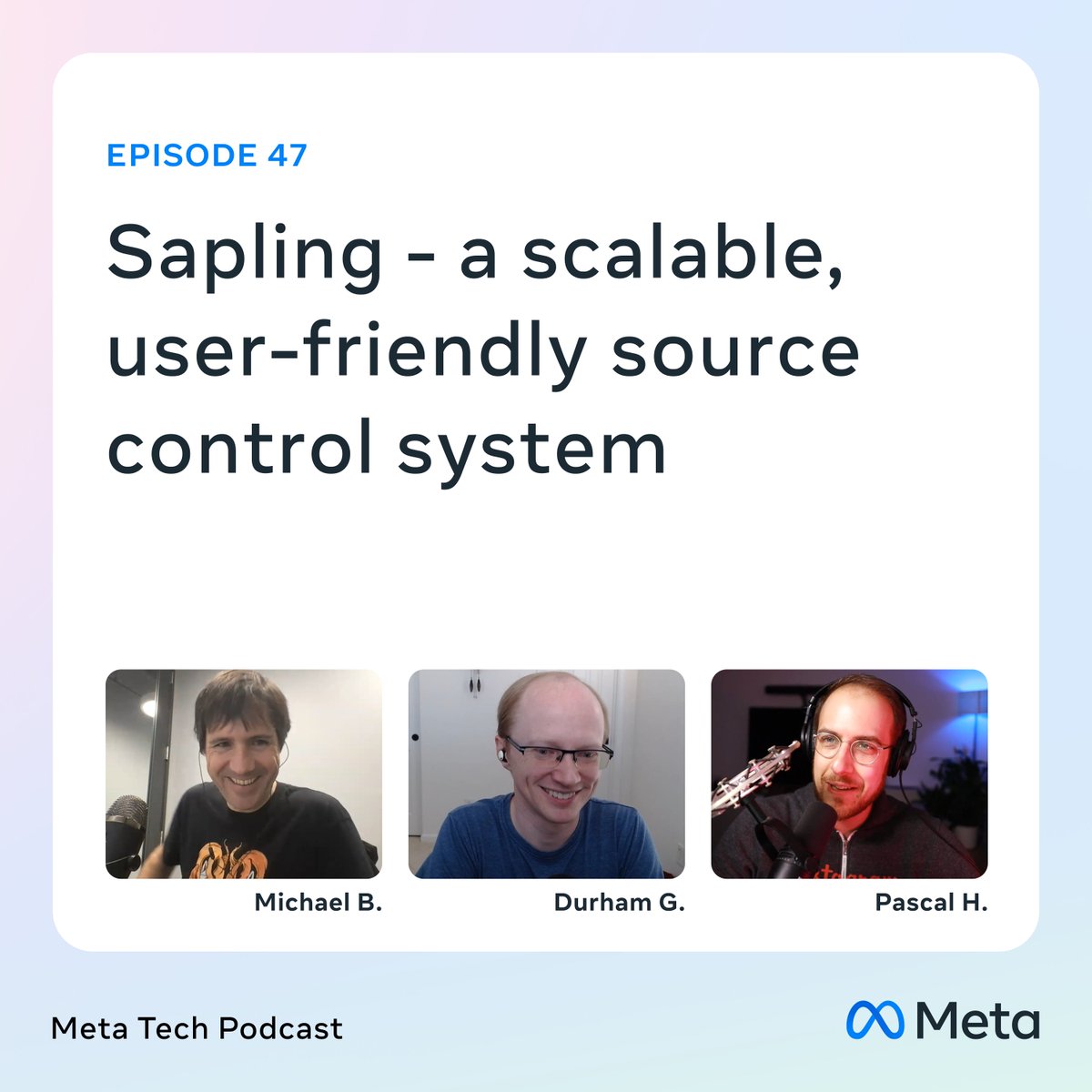
Unlike other podcast, we don't do rebroadcasts over the holidays. ICYMI: Episode 47 talks about Sapling, our recently open-sourced, git-compatible version control system.
https://t.co/GsZVqSbtFi
Need something to listen to while getting ready for the holidays? @passy has got you covered with an interview about RSYS, the library that powers most of Meta's audio and video calls across the apps. https://t.co/AyjQN0WRBX
I was on a podcast! @passy was nice enough to have me as a guest on @MetaTechPod. I got to talk about all the work I've been doing with @pytorch and codesyncing: https://t.co/85JRuyJ9JT
(I also posted about this on my blog: https://t.co/FDZS5zcFZT)
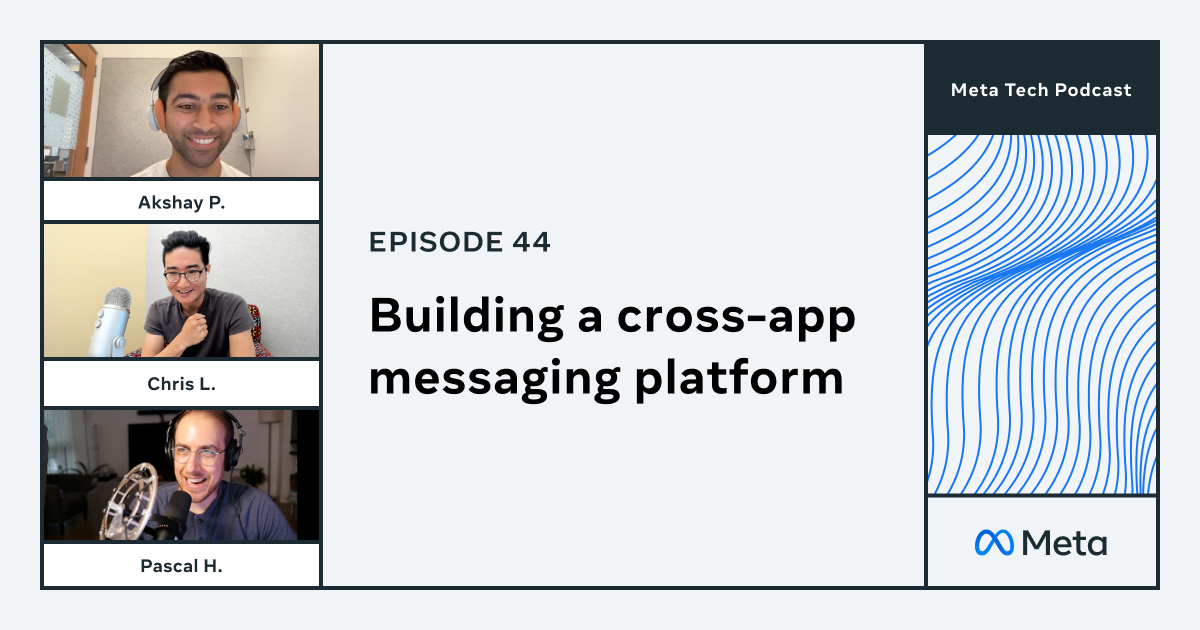
In episode 44, we go deep into the technology that underpins our messaging products: MSYS. What started off as a small C-library for Apple Watch now powers most messages sent across Meta products. https://t.co/oq2KhsUgUr
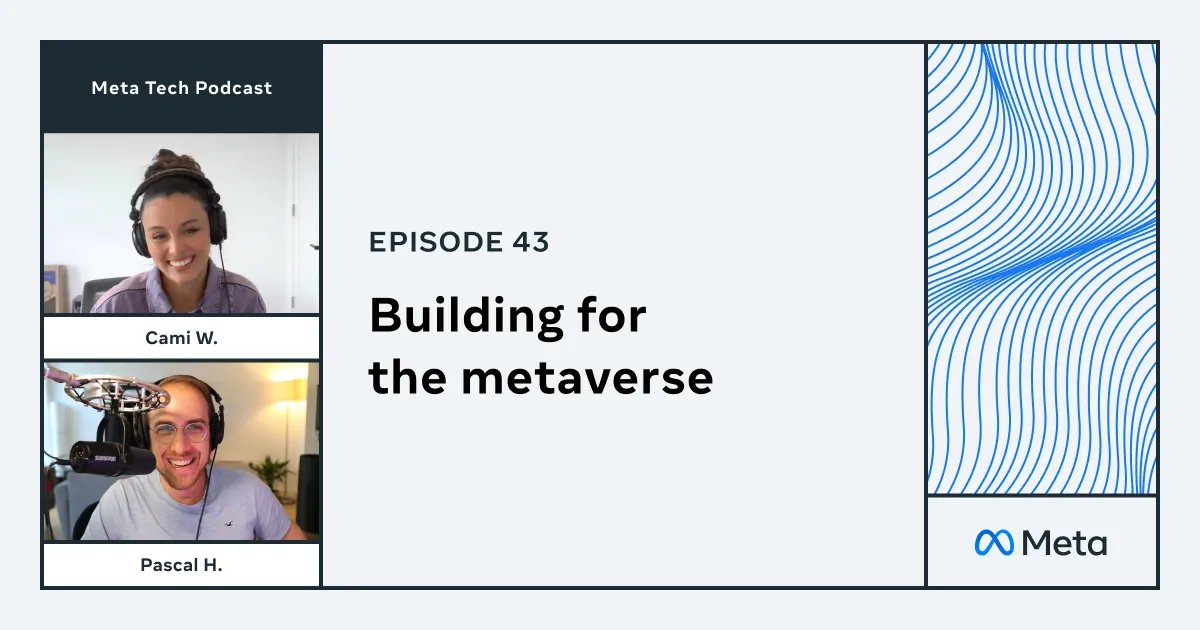
For episode 43, @cwillycs is back and tells us everything there is to know about three SDKs for VR:
👉 Presence Platform
🗣️ Voice SDK
���️ Insights SDK
Tune in on your favourite podcast player. https://t.co/4Vz4afRwpm
The approach we take to building the Facebook app is based on three key elements: trust, unification and people. In episode 42, @passy explores with Maria when people and metrics can be in conflict and what to do about it. https://t.co/SUbqKxBQyD