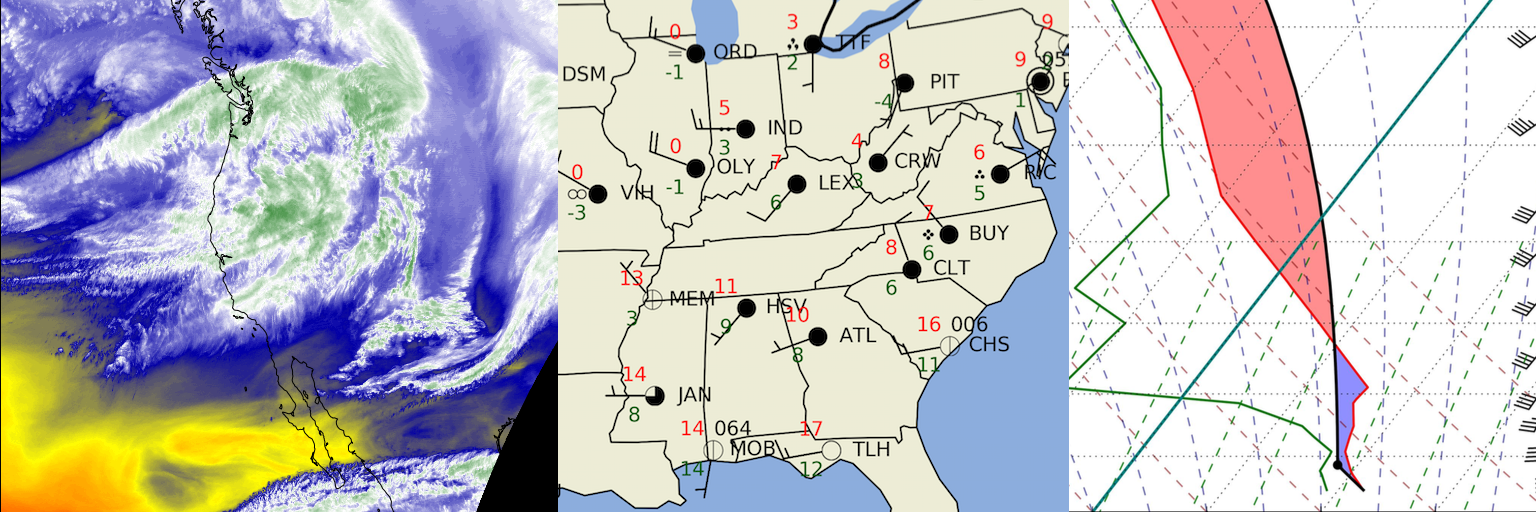
Have you used MetPy? We'd love for you to take our 2024 User Survey. It should only take 5-10 minutes and is really important: results are used in our reports to NSF and guide our overall roadmap. Feel free to share with others who might miss it. https://t.co/zvZngfuY1n
We at NSF Unidata are pleased to announce that we have now received funding from the National Science Foundation (NSF) for the next year of our five-year award. This allows us to end the current furlough of our staff and resume our operations. https://t.co/96zs59A9fn
MetPy 1.7.0 is out, including: saturation vapor pressure (including over ice) and LCL calculations, automated high/low identification, and clients for accessing S3 archives of NEXRAD L2/L3, GOES, and ML weather prediction output (from NOAA/CIRA), and more! https://t.co/GAtXlBjvq0
I want to thank @dopplershift and the @Metpy team for continuing to make a great library! Your library has been my primary source to making weather graphics for several years on WxYard. Here's the closest thing I have to a "MetPy Monday": https://t.co/cB2WeZ5mRp
Discover how to animate GOES satellite imagery of Hurricane Helene using Python's powerful libraries! In this MetPy Monday episode, we dive into the goes2go library to fetch GOES-16 ABI data and create stunning animations with Matplotlib’s FuncAnimation! https://t.co/bx0a2xDEvP
In this MetPy Mondays episode, learn how to make your plots smarter by setting units as Matplotlib axis properties! Stop manually converting your data and let Python handle it for you. #metpymonday https://t.co/87r83jbF1d
Do you love to write code or teach others about data-centered Earth Systems Science? Interested in the interplay of science and data? The NSF Unidata Summer Internship program is looking for you! Apply by January 24, 2025 to work with us next summer: https://t.co/8Vj9yue4Gp
Siphon v0.10.0 has been released, with fixes for current versions of things like xarray, numpy, and protobuf, and support for Python 3.10-3.13. It also has bug fixes for things like Hyrax catalogs and Wyoming upper air archive access. Full release notes: https://t.co/YpYcz3otCK
Do you use scientific python in the atmospheric sciences? Interested in adding machine learning workflows to the mix, or improving what you're doing? Check out the "MetPy and Machine Learning" short course at AMS in New Orleans: https://t.co/nJtymDHB59
🚀 New #MetPyMonday video alert! 🌍⏰ Learn how to handle time zones in #Python using zoneinfo! We cover timezone conversions, daylight savings, and essential tricks to keep your datetime data accurate—no pytz needed! Watch now! #PythonTips#DataScience https://t.co/HKGFHZUHB8
Have you been seeing deprecation warnings from datetime around your UTC time calls? That's important since most earth science data are in UTC! This week learn how to fix it in the return of #MetPyMondays! https://t.co/Xr2hyQcw2P
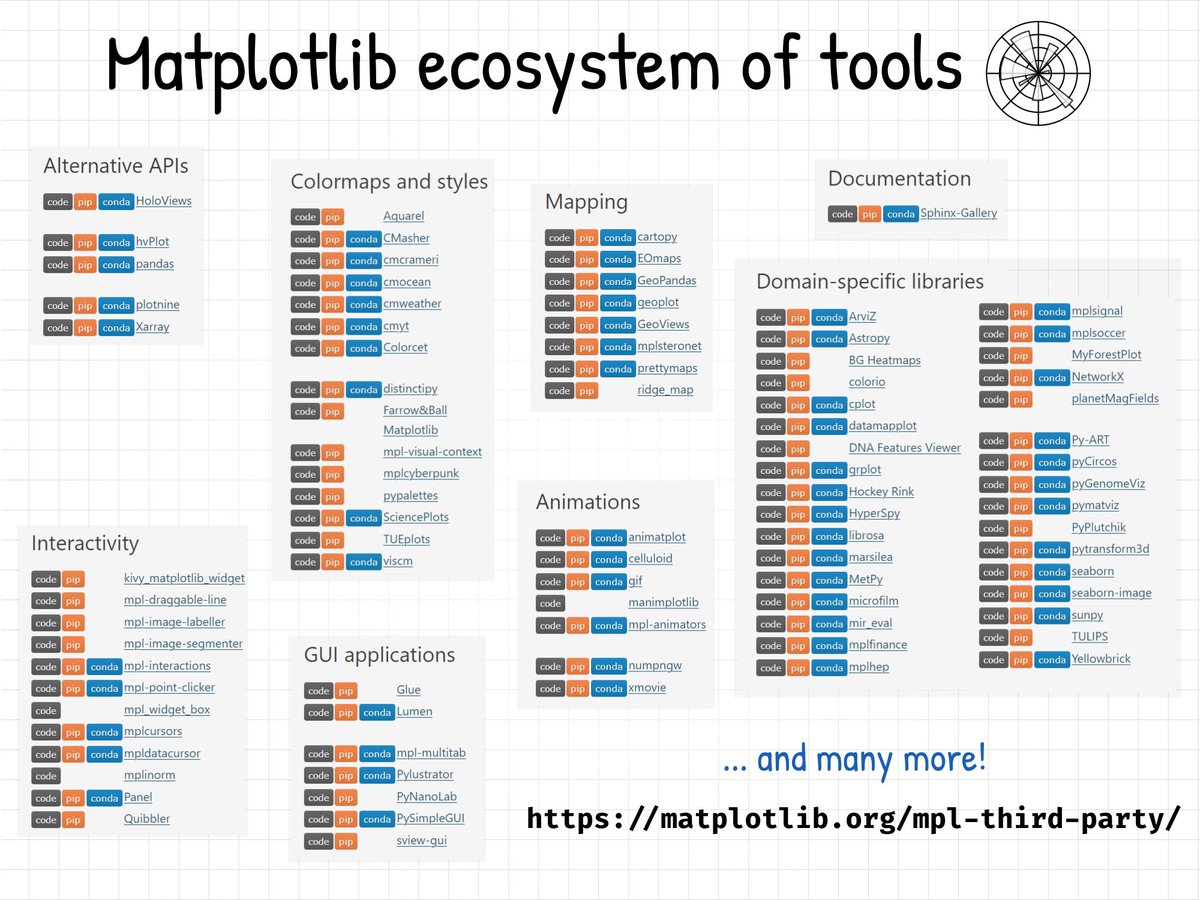
If you ever wondered if learning @matplotlib is worth your while - check out this list of the tools that build on top of Matplotlib or extend its capability.
Translation: Learning it will most certainly pay big dividends as you dive into the wider Python ecosystem.
Guaranteed.
Another year of radiosonde launches for the undergrad thermo class completed ✅ This time using our new(ish) Windsond system to look at the boundary layer 🎈
If you can't make it, NO WORRIES here's the slides, which include a lot of resources you need to get started, including some @Project_Pythia notebooks #NWAS24
https://t.co/jzEcC72SOl
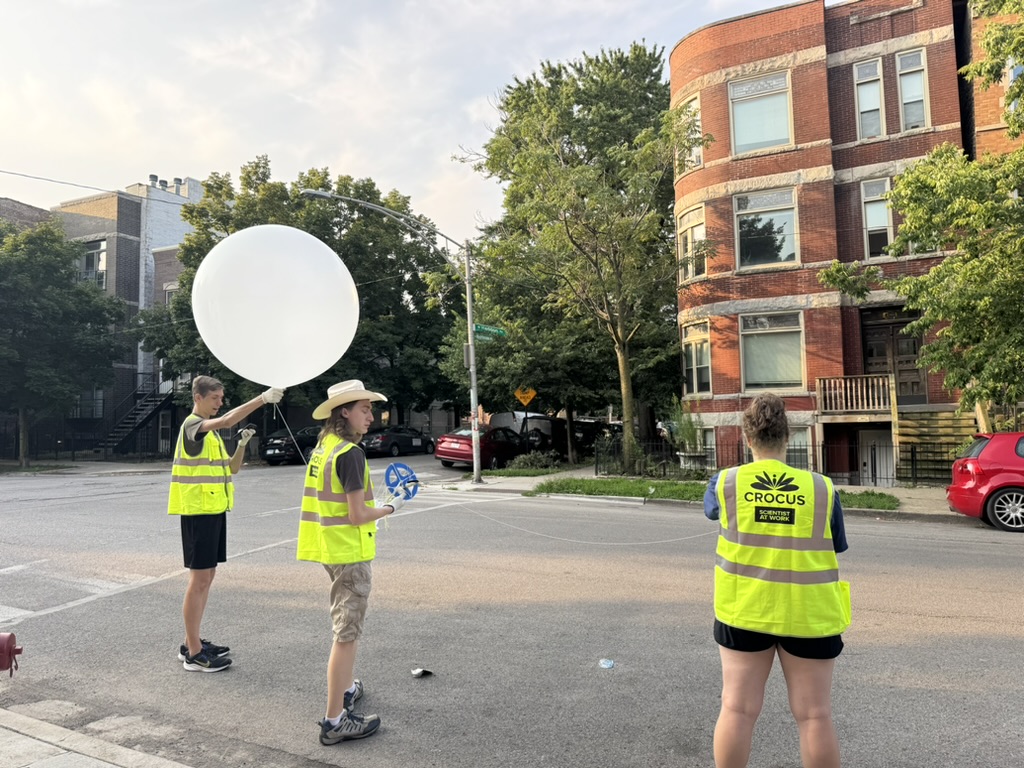
1200 UTC sounding from Humboldt Park in Chicago this morning... very moist environment! Sounding from @ValpoU students in support of @doescience@argonne CROCUS project, thanks @Metpy for the tools to plot this up! Looking forward to an exciting day 2 of our first IOP!
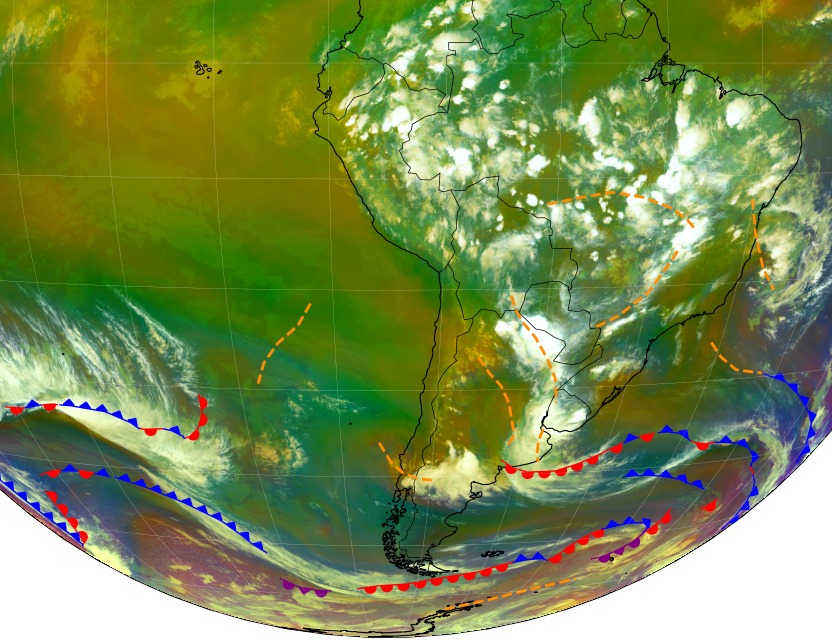
Desde a versão 1.5.0 da @Metpy é possível plotar os "coded bulletins" do @NWSWPC, porém esses arquivos não estão disponíveis para a Am. do Sul. Recentemente iniciamos um contato e estão trabalhando na geração dos arquivos para a região! Testes com as primeiras amostras: