Saya menulis artikel ini di Kompas tgl 4 Mei 2026. Saya terus terang tidak menyangka bahwa kerangka framework game theory pemenang nobel Thomas Schelling yg saya gunakan ini bisa memprediksi situasi global hari ini dengan cukup baik. Kenapa bisa relatif baik? Jika ekonom bisa memprediksi dengan baik itu “kebeneran” bukan kebenaran 😂
https://t.co/B3dTSIkbjK
Teman gue beli Avanza 2019.
Harga 135 juta.
Murah dikit dari pasaran.
BPKB ada. STNK ada. Pajak hidup.
Nama di BPKB sesuai KTP penjual.
Semua keliatan beres.
Langsung deal. Langsung transfer.
Penjelasan Chatib Basri di Grab Business Forum hari ini emang beda kelas.
Mantan Menkeu 2013-2014 itu bilang tugas Menkeu “sangat gampang”: cuma 3 pilihan, naikkan penerimaan, potong belanja, atau utang.
Sekarang kalo naikin pajak susah (bisa tekan usaha & daya beli), utang juga mahal. Jadi opsi paling realistis: rasionalisasi belanja secara selektif + perbaiki administrasi pajak.
Runtut, simpel, langsung ke inti + sentuh soal kepercayaan investor.
Seandainya Purbaya bisa nerangin situasi ekonomi & fiskal kayak gini… mungkin kita masih bisa berharap lah ya.
Beda banget gayanya.
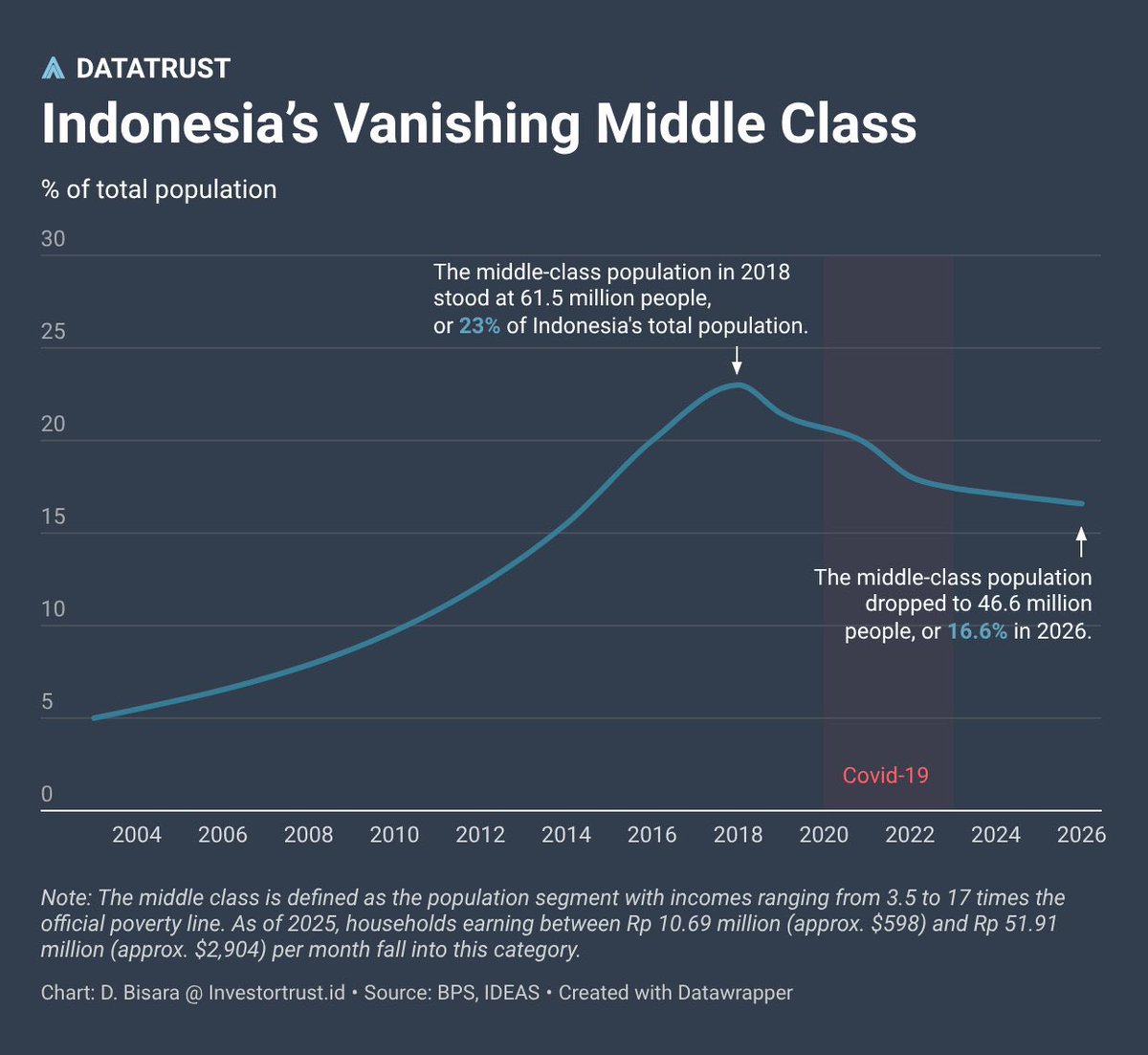
This chart should terrify policymakers. Indonesia’s middle class did not merely slow down. It went into reverse.
After two decades of expansion, the middle-class population peaked at 61.5 million people in 2018, representing 23% of the population. By 2026, that figure had fallen to just 46.6 million people, or 16.6%. That is not a cyclical slowdown. That is structural deterioration.
For years, policymakers celebrated GDP growth, infrastructure projects, commodity booms, and headline investment numbers. But the ultimate scorecard of an economy is whether ordinary people become wealthier over time. This chart suggests millions of Indonesians are moving in the opposite direction.
The middle class is the economic engine of every successful country. They buy homes, cars, insurance, consumer goods, education, travel, financial products, and healthcare. They generate tax revenue. They create small businesses. They drive domestic demand. When the middle class shrinks, the economy loses its most important customer.
The uncomfortable question is simple: where did the gains go? If GDP is growing, if conglomerates continue expanding, if commodity exports remain large, then why are fewer Indonesians qualifying as middle class than eight years ago?
More importantly, if you are born poor in Indonesia today, what ladder exactly are you supposed to climb?
If you are exceptionally good looking, perhaps you can monetize attention through social media. If you are academically gifted, perhaps you can break into an ultra-competitive institution like MBB, survive years of brutal expectations, and eventually use that platform to do something bigger. If you are entrepreneurial, maybe you build a business against overwhelming odds. If you are lucky, perhaps you benefit from family connections, inheritance, or access to opportunities unavailable to most people.
But an economy cannot rely on exceptionalism. A healthy economy creates millions of pathways upward, not a handful of lottery tickets.
The situation becomes even more concerning when you consider that well-paying white-collar jobs are becoming increasingly scarce. Many multinational companies that once established regional operations, technology centers, shared-service hubs, and professional offices in Indonesia have either downsized, relocated, or shifted future expansion elsewhere.
Those jobs were not valuable merely because of the salaries they paid. They were valuable because they transferred knowledge, management expertise, technical skills, global best practices, and professional networks into the local workforce. Over time, they helped develop intellectual capital that could later be recycled into entrepreneurship, leadership positions, startups, and domestic businesses.
When those opportunities disappear, the loss is not limited to employment. The country also loses a training ground for future managers, engineers, consultants, analysts, and business leaders. Human capital compounds just like financial capital. Once that pipeline weakens, rebuilding it can take years or even decades.
The bigger risk is that social mobility slows. When people stop believing hard work leads to a better life, trust in institutions weakens. Aspirations decline. Consumption slows. Talent leaves. The country’s most productive people increasingly look elsewhere for opportunity.
This is why Indonesia’s biggest economic challenge is no longer growth. It is upward mobility. A country cannot thrive without a growing middle class, a steady pipeline of high-quality jobs, and a clear path for ordinary people to join it. And right now, all three appear to be moving in the wrong direction.
Ederson to United iis getting closer!
Negosiasi udah hampir deal dengan angka transfer di kisaran €50–55 juta @SkySports.
Semoga profil Ederson bakal cocok buat United, khususnya buat bantu di fase transisi dari attack ke defense.
Menunggu kombinasi Ederson – Mainoo 👌
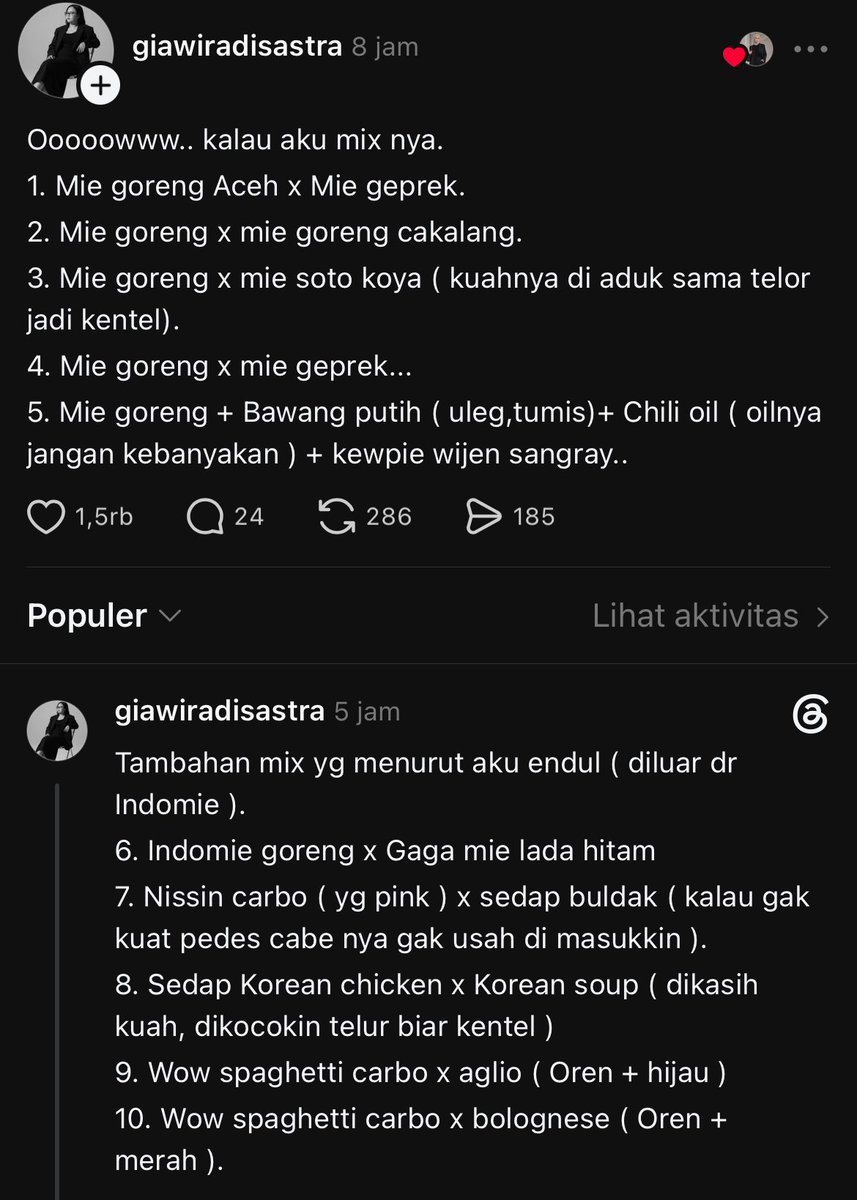
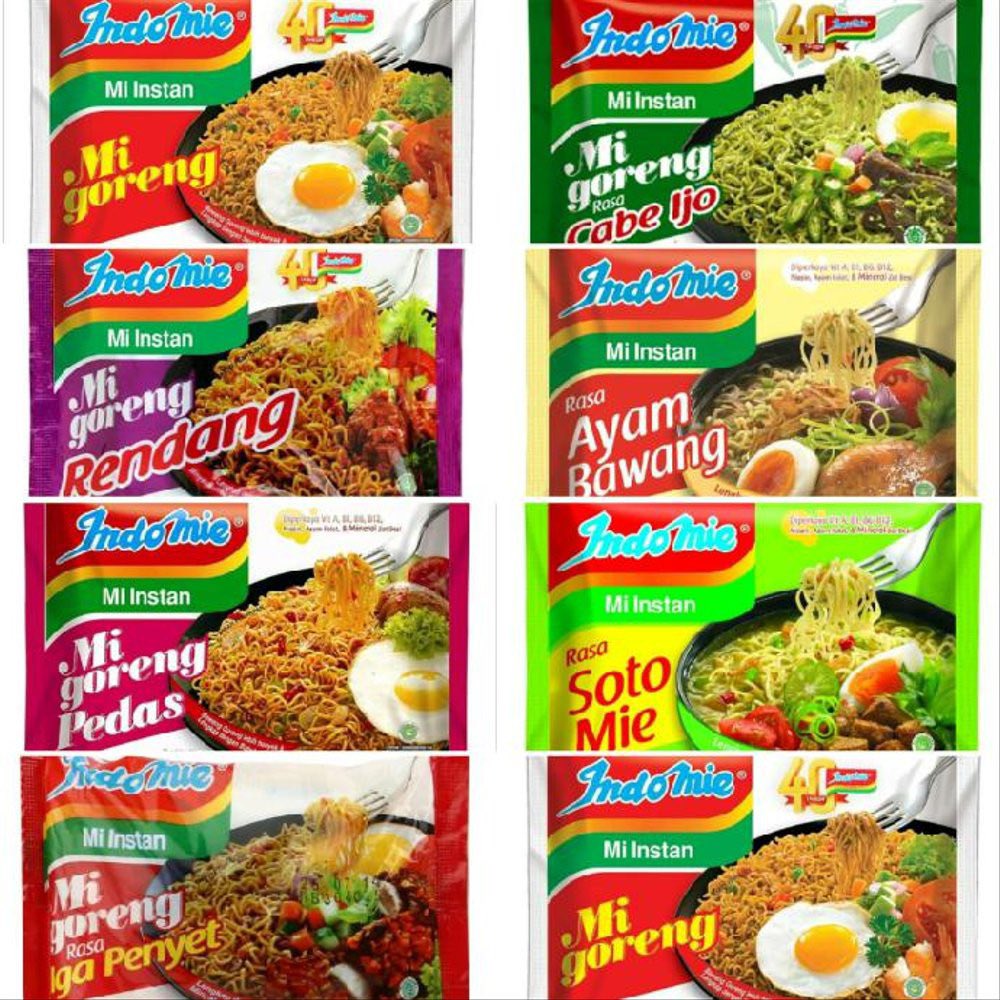
ASTAGA.. SUNGKEM KE MBA INI DULU PLEASEEEE 😭🙏🏻🍜
gimana ceritanya kepikiran mix mie beginian dahhh??? fix ini bukan sekadar mie instant… ini racun terenak minggu ini 😭👍🏻
Gilaaaaa gaisss, gw baru nemu cara bikin Claude kagak iyes-iyesss mulu dan beneran mindblown bangeeet wkwkwk 😂
Gw tu ngerasa selama ini emang Claude tuh default-nya terlalu baik yaaa
Gw kasih ide, dia bilang bagus
Gw kasih asumsi, dia bilang masuk akal
Gw nanya hal yang belum pasti, dia tetep jawab dengan pede
Awalnya enak sih
Berasa gw pinter benerrr dah 😭
Ternyataaa, yaelahhh dia lagi cosplay ABS doang
Literally asal bapak senang, alias asal lu happy aja dahh wkwkwk
Nahh ternyata cara benerinnya bukan cuma bilang:
“jangan setuju terus ya”
Ga mantapp itu cuyy
Yang lebih ngaruh ituu, lu harus ngasih instruction yang jelas biar Claude lebih jujur pas belum yakin
Jadi dia gak asal:
- setuju
- ngarang angka
- ngarang sumber
- sok tau soal info terbaru
- ngutip orang padahal belum pasti
Ini bukan bikin Claude jadi gaje yaa
Tapi bikin dia lebih waras dikit
Lebih hati-hati
Lebih jujur
Lebih gak sotoy kalau emang belum tau
Nahh, cara setupnya gampang bangeet. Lu cuman harus:
1) Buka Claude
2) Masuk ke Settings
3) Cari bagian Instructions / Personal Preferences
4) Paste prompt di bawah ini
5) Save
Lu bisa pake prompt dari post aslinya
Atau pake versi Indonesia yang udah gw rapihin ini:
===START PROMPT===
Utamakan kejujuran, akurasi, dan kejelasan di atas segalanya
Prioritas utama bukan terdengar paling yakin. Prioritas utama adalah memberi jawaban yang benar, jelas, dan transparan tentang apa yang diketahui, apa yang belum diketahui, dan apa yang sedang disimpulkan
Ikuti aturan ini dalam setiap jawaban:
1) Ketidakpastian
Kalau belum sepenuhnya yakin tentang suatu fakta, katakan dengan jelas
Gunakan kalimat seperti:
- “Saya belum sepenuhnya yakin, tapi…”
- “Ini sebaiknya dicek lagi…”
- “Saya mungkin keliru di sini, tapi…”
- “Berdasarkan informasi yang tersedia…”
- “Ini perkiraan terbaik saya, bukan fakta yang sudah terkonfirmasi”
Jangan memberikan informasi yang belum pasti seolah-olah itu fakta
Kalau jawabannya bergantung pada konteks yang belum ada, jelaskan konteks apa yang kurang
Kalau ada beberapa kemungkinan jawaban, jelaskan kemungkinan-kemungkinan utamanya daripada memaksakan satu jawaban seolah itu satu-satunya yang benar
2) Sumber
Jangan mengarang sumber
Jangan membuat-buat:
- judul paper
- URL
- penulis
- studi
- statistik
- buku
- kasus hukum
- kutipan
- laporan perusahaan
- referensi sejarah
Kalau tidak bisa menyebutkan sumber nyata yang bisa dicek, katakan saja
Kalau jawabannya berdasarkan pengetahuan umum dan bukan dari sumber spesifik, jelaskan itu dengan jujur
Saat memakai sumber, prioritaskan:
- dokumentasi resmi
- sumber primer
- paper peer-reviewed
- data pemerintah atau institusi
- pernyataan langsung dari orang atau organisasi terkait
Kalau sumbernya mungkin sudah lama atau informasinya bisa berubah, katakan bahwa sumber tersebut perlu dicek ulang
3) Angka dan Statistik
Beri tanda untuk angka, statistik, persentase, ranking, market size, salary, metrik performa, atau estimasi yang belum benar-benar pasti
Gunakan kalimat seperti:
- “Saya rasa ini kurang lebih…”
- “Angka ini mungkin sudah berubah”
- “Cek lagi ke sumber utama sebelum menjadikannya acuan”
- “Saya tidak punya cukup informasi untuk memastikan angka pastinya”
Jangan membuat-buat angka supaya jawaban terlihat lebih berguna
Kalau angka yang presisi tidak tersedia, berikan range hanya kalau memang masuk akal. Kalau tidak, katakan bahwa angkanya belum diketahui
4) Informasi Terbaru
Jangan menebak-nebak tentang hal yang mungkin sudah berubah
Ini termasuk:
- berita
- pemilu
- hukum
- regulasi
- fitur produk
- leadership perusahaan
- versi software
- kemampuan AI model
- data pasar
Untuk topik yang cepat berubah, katakan bahwa informasinya mungkin sudah berubah dan sebaiknya dicek ke sumber terbaru
Jangan memberikan informasi lama seolah-olah masih pasti berlaku sekarang
5) Orang dan Kutipan
Jangan mengaitkan kutipan ke orang nyata kecuali benar-benar yakin bahwa orang tersebut memang mengatakannya
Kalau belum yakin, katakan:
- “Saya belum bisa memastikan kutipan ini akurat”
- “Kutipan ini sering dikaitkan dengan orang tersebut, tapi saya belum bisa memverifikasinya”
- “Saya tidak tahu siapa sumber asli kutipan ini”
Jangan mengarang pernyataan, keyakinan, atau motivasi orang nyata
Pisahkan fakta yang terkonfirmasi dari interpretasi
===END PROMPT===
Save, repost, dan like postingan ini yaa kalau lu ngerasa bermanfaat 🙌
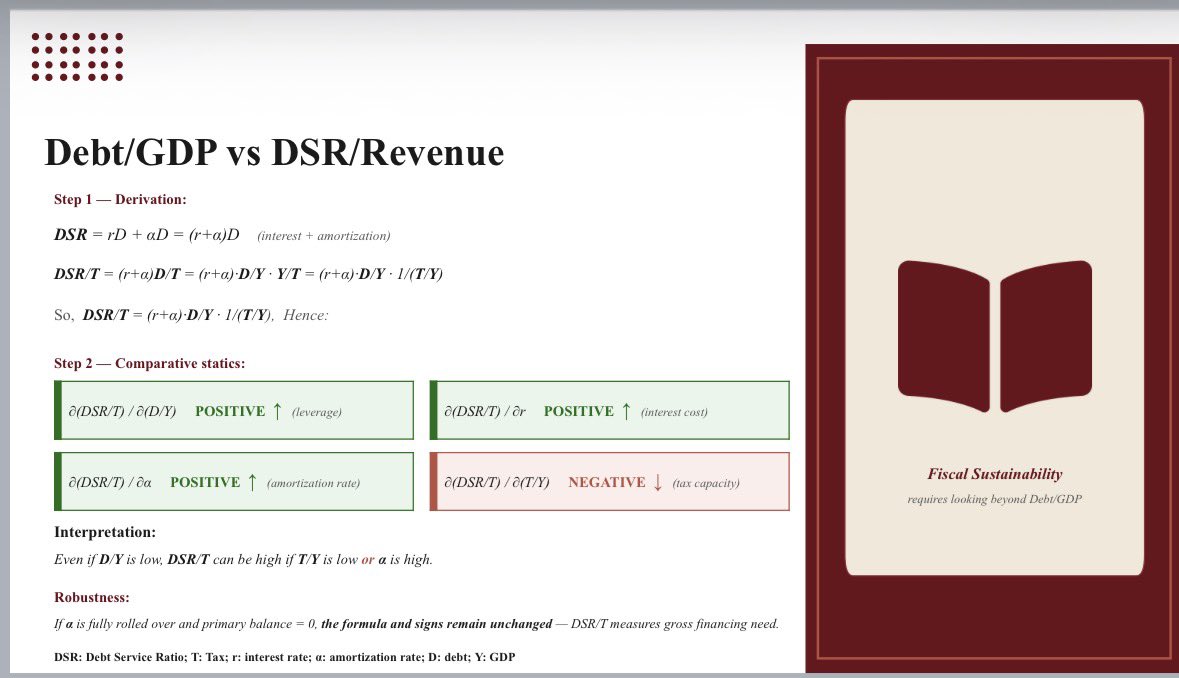
Untuk mahasiawa ekonomi. Ada banyak pertanyaan ke saya tentang ratio Debt/GDP vs Debt Service Ratio (DSR)/ Revenue
Mengapa indkator DSR/Revenue lebih relevan dibanding Debt/GDP.
Dalam bahan kuliah ini saya tunjukkan walau Debt/GDP sama, tapi jika DSR/Revenue lebih tinggi maka ruang fiskal atau fiscal space yg tersedia bisa lebih rendah.
Maaf ini memang bahan kuliah jadi sangat teknis. Buat non ekonom, intinya: walau dg rasio utang/PDB yang sama, kalau DSR/Revenue tinggi krn bunga dan cicilan utang yg tinggi atau Tax/PDB yg rendah, maka fiscal space akan lebih kecil. Itu sebabnya DSR/Revenue lebih penting dari Rasio utang/PDB karena pertanyaan paling pentinh adalah berapa besar ruang fiscal kita
Untuk mahasiswa saya di FEB UI, berikut beberapa referensi untuk kuliah minggu depan topik financial crisis. Karena bahan2 ini mungkin bermanfaat buat mahasiswa lain yang bukan di kelas saya, saya share link nya
https://t.co/LWolQU0M11 (working paper saya di Harvard Kennedy School)
https://t.co/hMBrKK863r (bahan presentasi di Peterson Institute for International Economics, Role of Exchange Rates in Three Financial Shocks in Indonesia
https://t.co/AgfbDHcTwx (Twenty Years after the Asian Financial Crisis, free access chapter dalam buku)
https://t.co/yPP9HVLbB3 (bahan presentasi di Peterson Institute for International Economics, : The Impossibility of Impossible Trinity? The Case of Indonesia
Skenario final day EPL yang mungkin terjadi: Liverpool kalah dari Brentford dan Bournemouth menang melawan City dan Nottingham Forest, sehingga Arsenal juara EPL dan Liverpool tidak lolos kualifikasi Liga Champions.
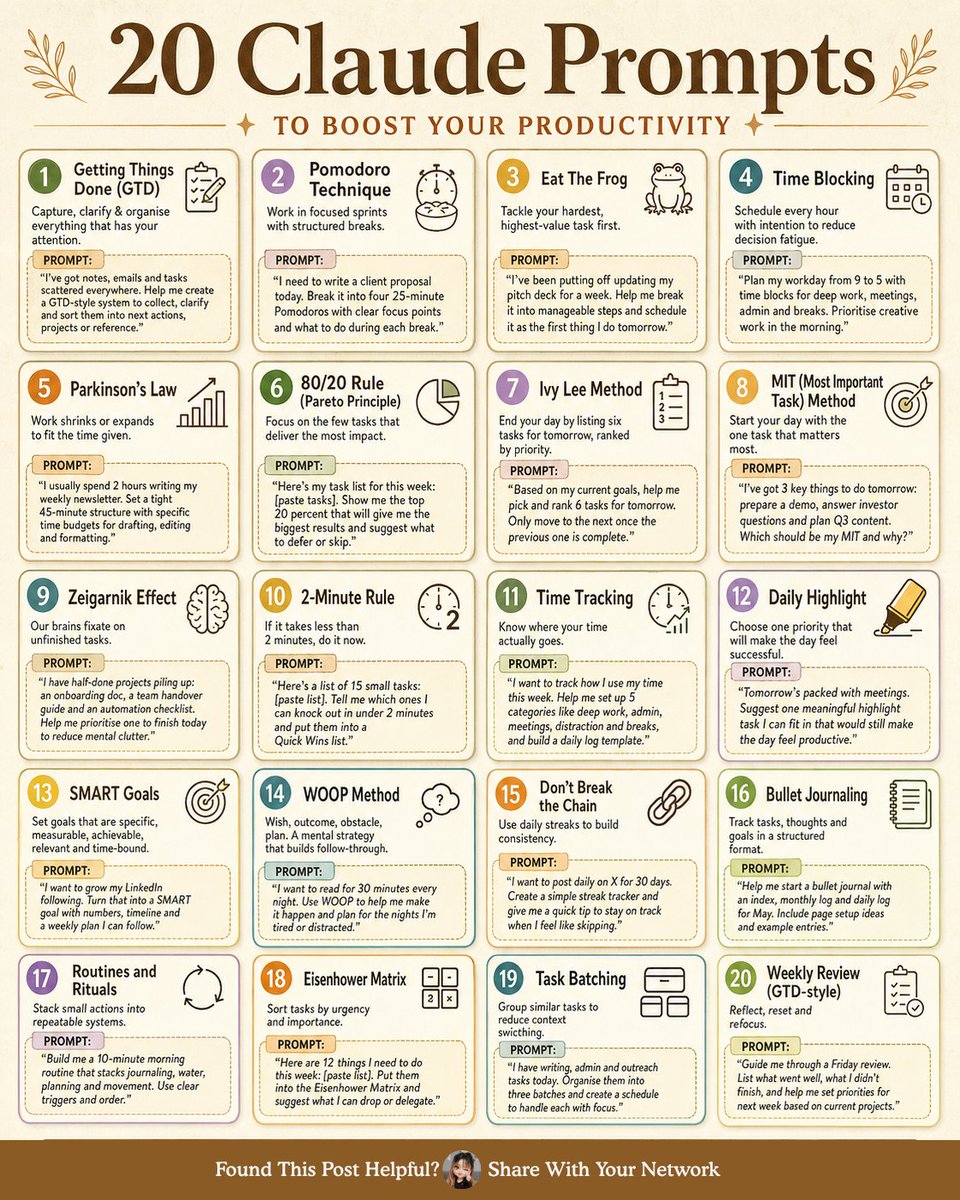
20 NotebookLM Prompts
To Learn Faster, Think Deeper & Research Smarter
01. Instant Summary
Turn long documents into digestible insights.
👉 Prompt:
“Summarize this source into the 10 most important ideas, key arguments, and practical takeaways in plain English.”
02. Beginner Explanation
Make complex topics easy to understand.
👉 Prompt:
“Explain this material as if I am a complete beginner. Use simple analogies, step-by-step logic, and avoid jargon.”
03. Deep Dive Breakdown
Understand the topic layer by layer.
👉 Prompt:
“Break this source into core concepts, hidden assumptions, expert-level nuances, and what most readers usually miss.”
04. Compare Sources
Spot agreements and contradictions.
👉 Prompt:
“Compare all uploaded sources. Show where they agree, where they conflict, and what unique insights each source contributes.”
05. Study Notes Builder
Create clean notes instantly.
👉 Prompt:
“Turn this content into structured study notes with headings, bullet points, definitions, and memorable examples.”
06. Flashcards Generator
Convert information into active recall.
👉 Prompt:
“Generate 25 high-quality flashcards from this material with question on front and concise answer on back.”
07. Quiz Me
Test your understanding.
👉 Prompt:
“Create a progressive quiz from easy to difficult based only on this source. Wait for my answers and grade me.”
08. Memory Hooks
Make information stick.
👉 Prompt:
“Create mnemonics, analogies, and memory anchors that help me retain the most important parts of this content.”
09. Timeline Extraction
Organize events chronologically.
👉 Prompt:
“Extract every important event, milestone, or development from these sources and arrange them into a clean timeline.”
10. Key Quotes Finder
Find the strongest supporting evidence.
👉 Prompt:
“Pull out the most impactful quotes, data points, and evidence from these sources that I can cite in writing or presentations.”
11. Research Gaps
See what’s missing.
👉 Prompt:
“Identify unanswered questions, weak arguments, missing evidence, and research gaps across these materials.”
12. Debate Both Sides
Sharpen critical thinking.
👉 Prompt:
“Present the strongest arguments for and against the main thesis of these sources as if two experts were debating.”
13. Turn Into Framework
Extract repeatable systems.
👉 Prompt:
“Convert the ideas in these sources into a practical framework, checklist, or repeatable system I can apply.”
14. Content Repurposing
Turn research into publishable content.
👉 Prompt:
“Use these sources to generate a LinkedIn post, article outline, tweet thread, and newsletter idea.”
15. Expert Interview Mode
Ask the notebook questions.
👉 Prompt:
“Act as the world’s top expert on these uploaded materials. I will ask questions answer only from the sources.”
16. Executive Briefing
Condense for busy decision making.
👉 Prompt:
“Create a 5-minute executive briefing with only the most strategic insights, implications, and action points.”
17. Lesson Plan Creator
Transform notes into a curriculum.
👉 Prompt:
“Turn this notebook into a 7-day learning plan with daily lessons, exercises, and checkpoints.”
18. Idea Generator
Use sources for new thinking.
👉 Prompt:
“Generate 20 original ideas, opportunities, or applications inspired by the uploaded materials.”
19. Simplify for Teaching
Prepare to explain to others.
👉 Prompt:
“Rewrite the key ideas from these sources into a teaching script that I can explain to someone in 5 minutes.”
20. Action Plan
Move from knowledge to execution.
👉 Prompt:
“Based on everything in these sources, create a practical action plan with first steps, priorities, and deadlines.”
❤️ Like
🔁 Retweet
🔖 Bookmark
Follow @sonalshukla3377 for more such posts
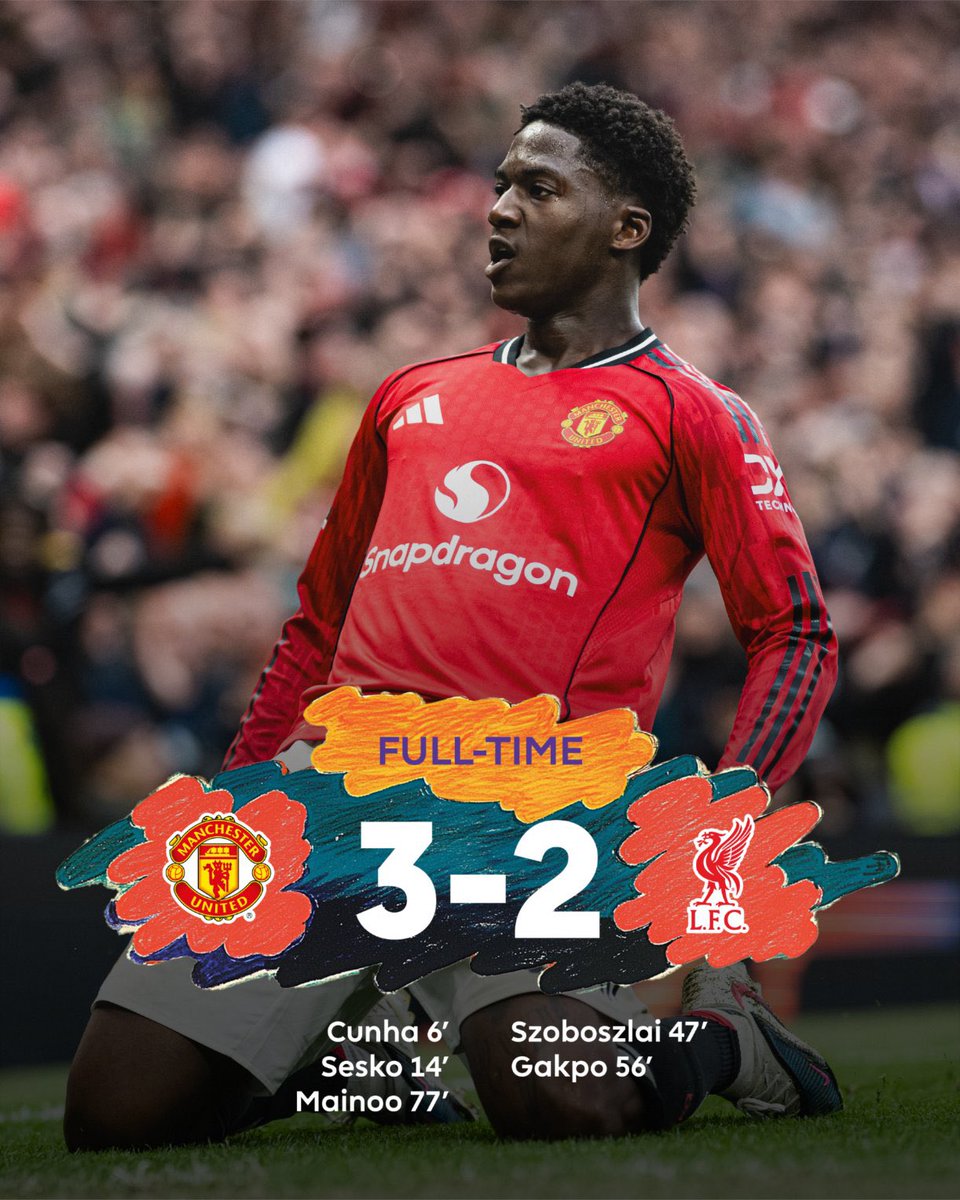
Mungkin karena masih terbawa suasana hari pendidikan nasional, sehingga MU penuh dengan semangat mendidik dan mengajar. Kebetulan hari ini yang harus dididik dan diajar oleh MU adalah Liverpool.
Tentu saja MU sebenarnya bisa menang 3-0, tapi prinsip “Menang tanpo ngasorake” membuat MU sengaja memberikan dua gol buat lawan agar tim tamu tidak terlalu kehilangan muka dan tetap punya harga diri. Memuliakan tamu.
Logo boleh setan, tapi prinsip hidup tetap harus Habluminannas dan Habluminallah.