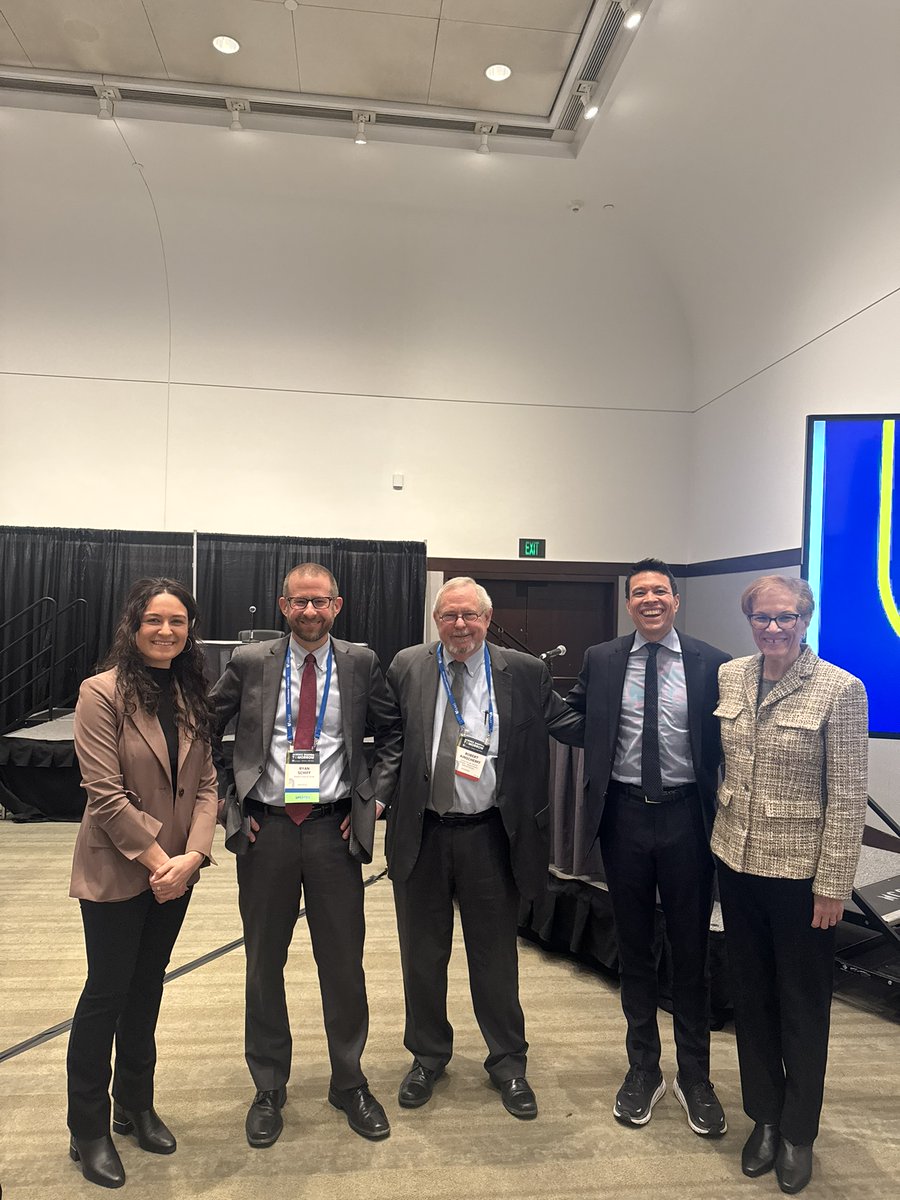
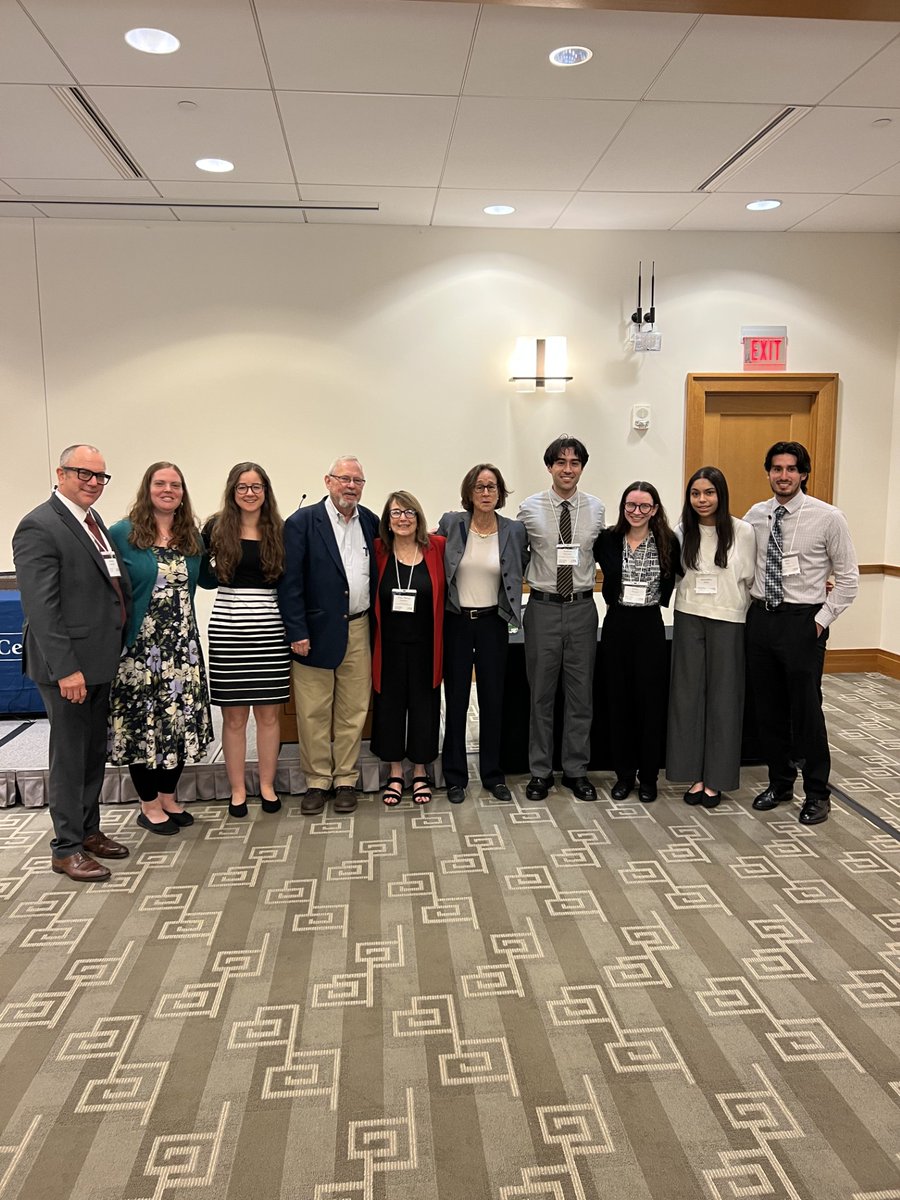
The annual three-day Science in the Courtroom Workshop, jointly sponsored by the Federal Judicial Center, the Center for Law, Brain & Behavior (CLBB), and Harvard Law School, was held from June 11–13. Ten federal district court teams from across the United States participated.
The MGH Center for Law, Brain, and Behavior (CLBB) is excited to announce that Rohan Kandeshwarath, former CLBB Research Assistant and member of Michigan Law’s Class of 2025, is a recipient of the 2025 Equal Justice Works Fellowship!
https://t.co/QLr3z89ccj
On April 3, 2025, CLBB Founding Co-Director Dr. Judith Edersheim served as the keynote speaker for the Commonwealth of Massachusetts Superior Court Spring Judicial Education Conference on Judicial Wellness.
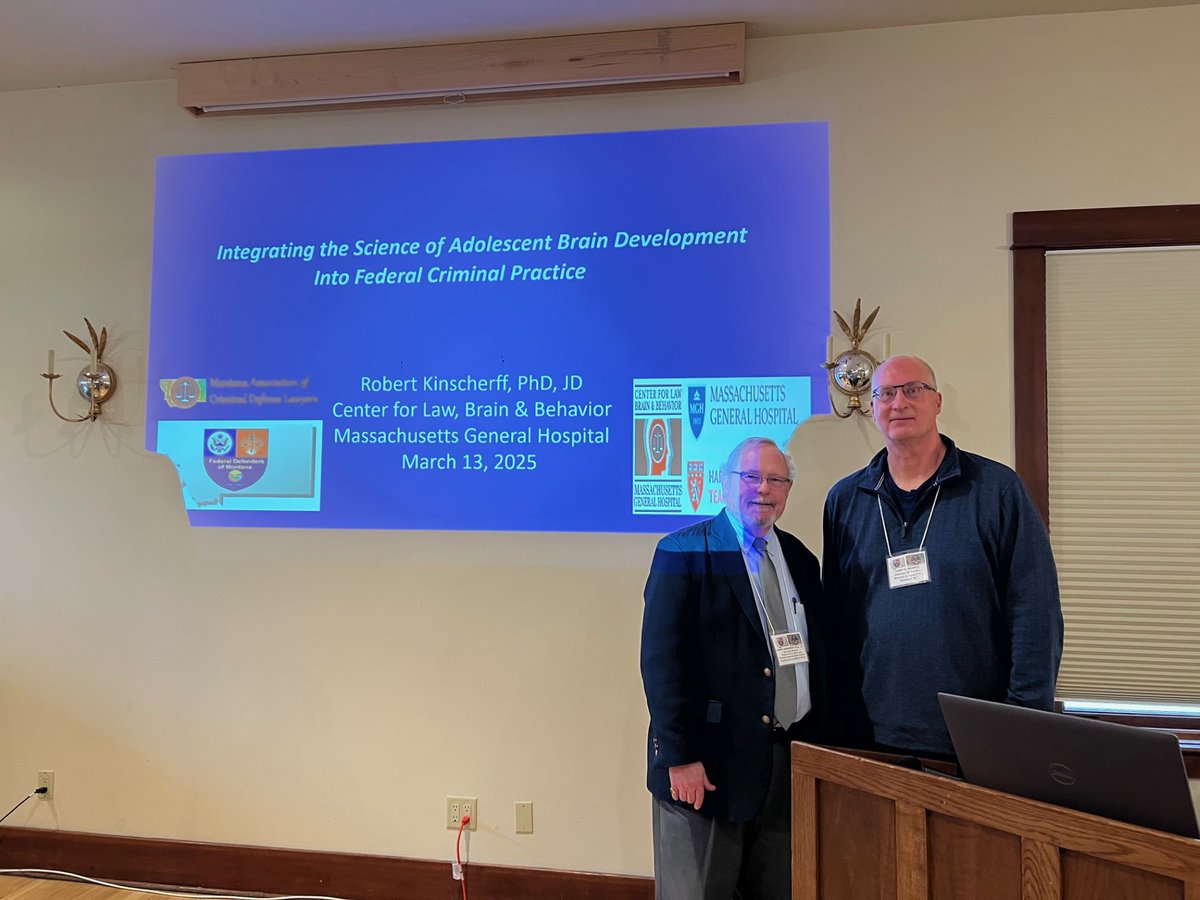
On March 13, 2025, CLBB Executive Director Dr. Robert Kinscherff presented on "Integrating the Science of Adolescent Brain Development Into Federal Criminal Practice" at the Montana Criminal Defense Attorneys Association and the Federal Defenders of Montana joint conference.
The CLBB NeuroLaw Library was recently highlighted by MGH Psychiatry News as a groundbreaking new resource aimed at bridging the gap between neuroscience and the legal system.
Read the full article here: https://t.co/vjKLXciQxB
On March 5th, Dr. Robert Kinscherff and Dr. Judith Edersheim presented on "The Neuroscience of Adolescence and Emerging Adulthood: Implications for Policy and Practice" to the Maryland Commission on Juvenile Justice Reform and Emerging Best Practices.
The CLBB NeuroLaw Library team engaged with incarcerated residents, senior Maine Department of Corrections staff, and administrators at the Maine Correctional Center in Windham for an in-depth discussion on neuroscience and the law.
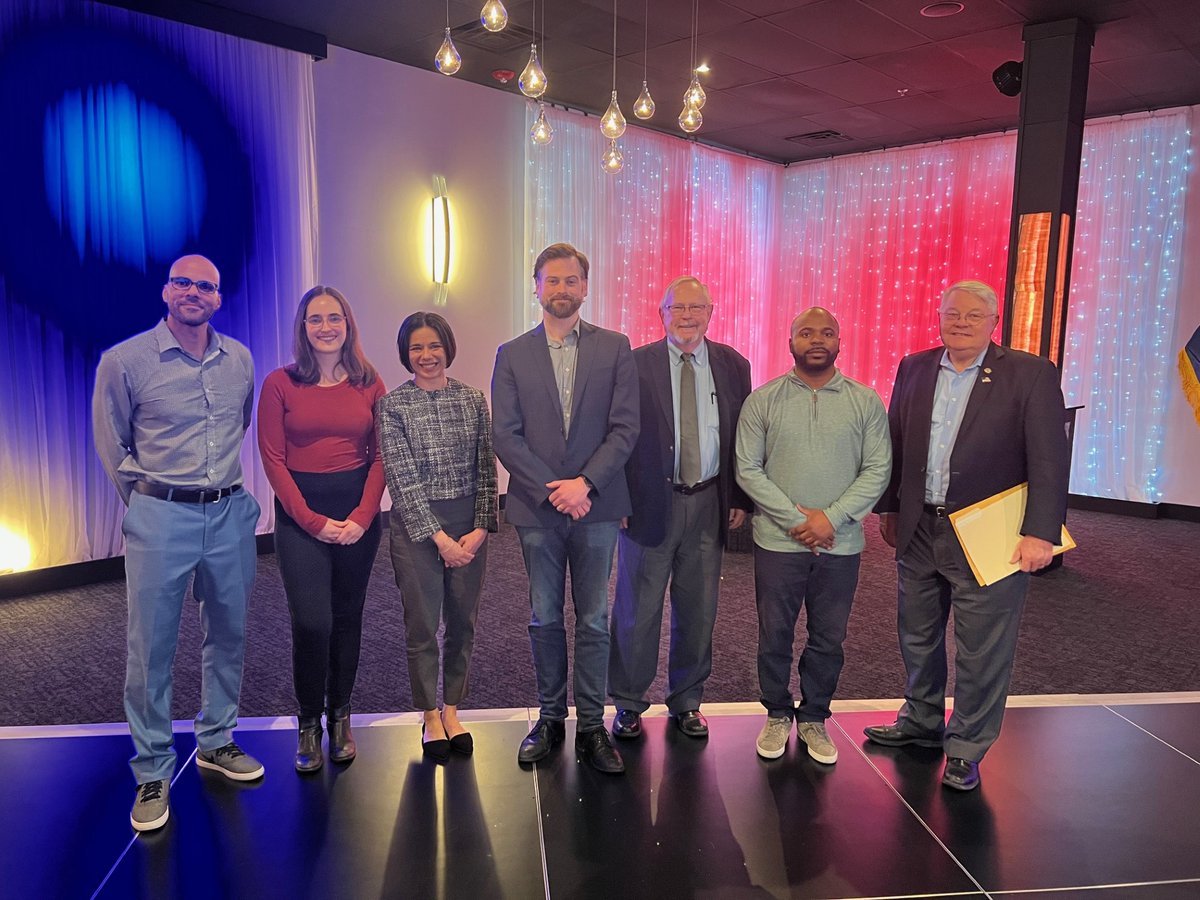
CLBB Executive Director Robert Kinscherff, PhD, JD joined Nebraskans for Prison Reform (NPR) for an evening event on February 23, 2025 in support of “Second Look” legislation.
At the AAAS 2025 annual conference in Boston, a mock trial hearing demonstrated the use of neuroscience expert testimony in sentencing an emerging young adult guilty of Voluntary Manslaughter. CLBB Executive Director Robert Kinscherff, PhD, JD participated as the expert witness.
In a recent session of the Law & Neuroscience Works in Progress Workshop, founded and directed by Dr. Francis Shen, CLBB provided an in-depth exploration of its innovative NeuroLaw Library.
Watch the full workshop recording here:
https://t.co/9bZAXxGADX
In the second digital edition of Mindscapes: Inside Mass General Psychiatry, Mass General Giving highlighted the work of the CLBB NeuroLaw Library and its growing impact across the legal and policy landscape. Find the full Mindscapes story here:
https://t.co/OuuBJiCy4X
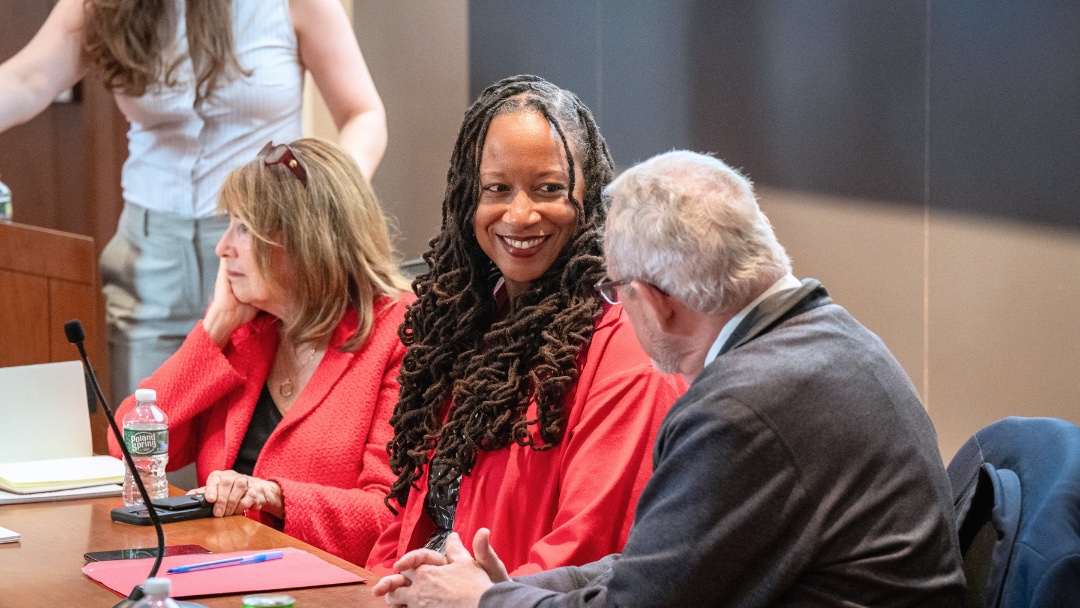
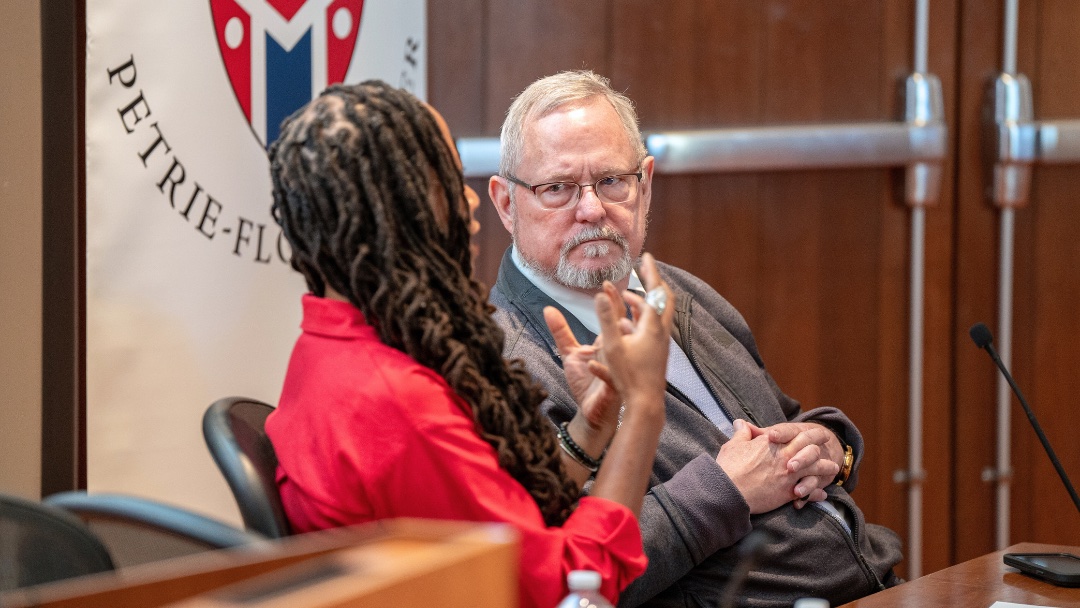
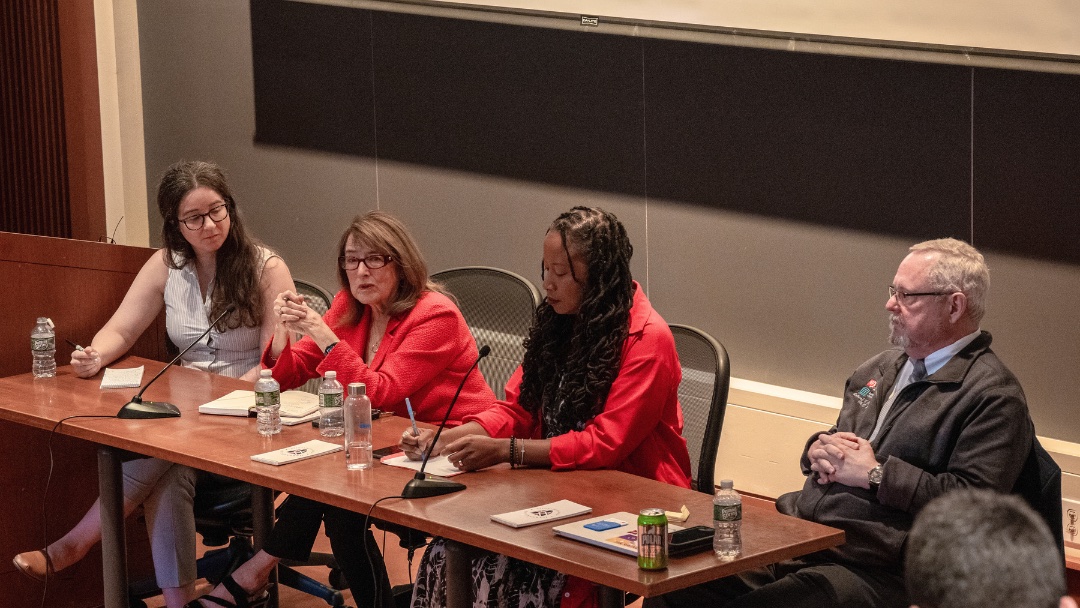
Did you miss our recent event with @PetrieFlom, Sentencing Children: Bridging Neuroscience, Justice, and Reform?
Watch the full event recording here: https://t.co/DVko0LjVTc
CLBB Managing Director Judge Nancy Gertner (ret.) recently published an opinion piece in The New York Times titled "The Supreme Court Is Its Own Worst Enemy." Read the full opinion here:
https://t.co/V1CKVoV2rL
CLBB Founding Co-Director Dr. Judith Edersheim was recently quoted in The New Yorker. Read the full article "Has Social Media Fueled a Teen-Suicide Crisis?" by Andrew Solomon here:
https://t.co/wf9kTbfWyr
Join CLBB and the Petrie-Flom Center for Sentencing Children: Bridging Neuroscience, Justice, and Reform
on October 9, 2024, 12:30 PM – 1:30 PM EST.
Register for the event here: https://t.co/QR8heaLenC
Thank you for sharing, @theCFSY! We’re honored to be doing this work, leveraging actionable neuroscience to level the legal playing field and fight the mass incarceration of children and adolescents. Check out the CLBB NeuroLaw Library today at https://t.co/nTWmeAG0qU ⚖️📚
“The courts are still lagging far behind the science,” said library director Stephanie Tabashneck.
This 🆕 NeuroLaw Library aims to change that, bringing more adolescent brain science into juvenile courtrooms and using AI to summarize dense neuroscience:
https://t.co/cH8Z2kIwOA
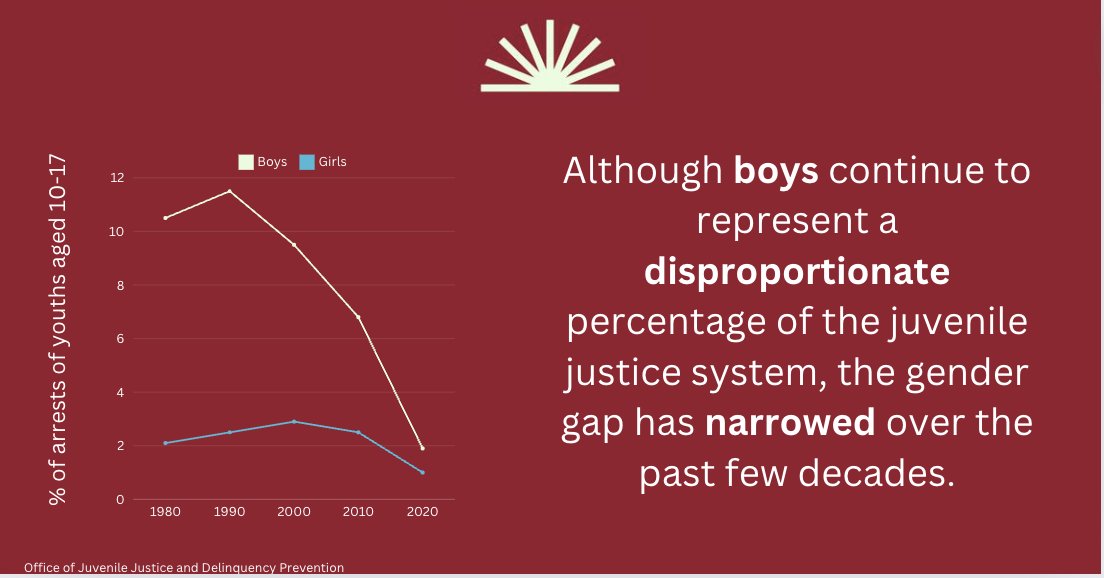
Violent crime by juveniles has been on the decline for more than two decades — a period that coincides with neuroscience-informed criminal justice reforms. https://t.co/eof0S9bh3d stands to accelerate these reforms.
Outdated views leading to harsh and disproportionate drug-and-alcohol-related sentencing of youths, rather than providing treatment options, isn't lowering the risk of future violent crime. https://t.co/eof0S9bh3d is a making data like this available for all.
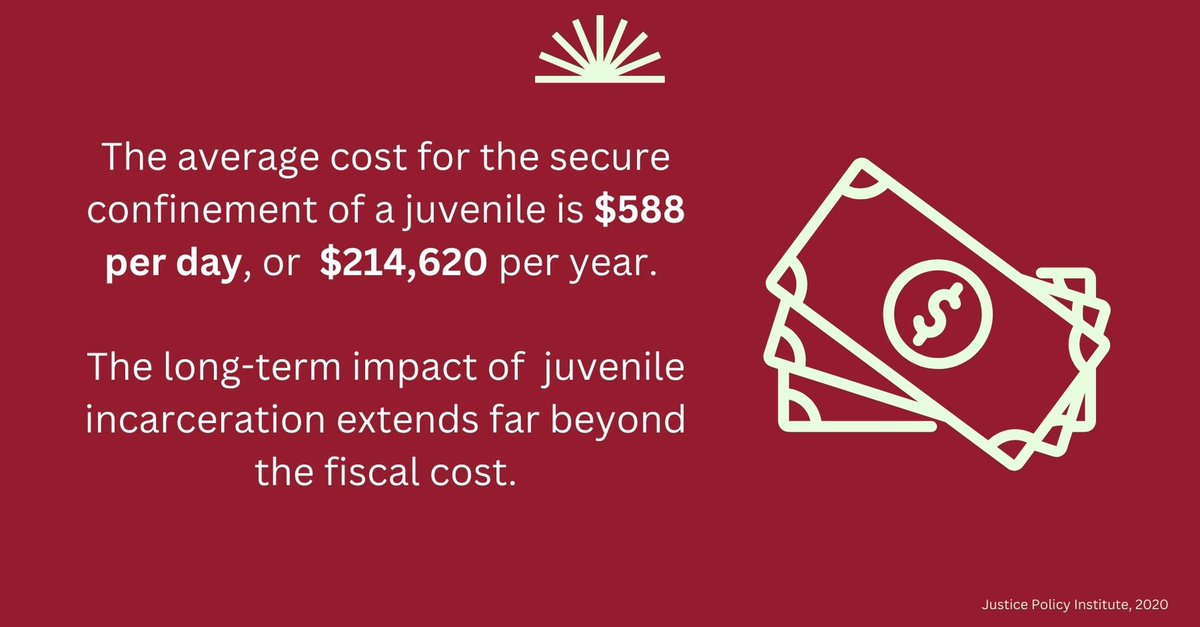
It isn't cheap keeping juveniles in correctional facilities. Yet another reason to utilize the data and latest neuroscience available in the CLBB NeuroLaw Library. Visit https://t.co/eof0S9bh3d for more.
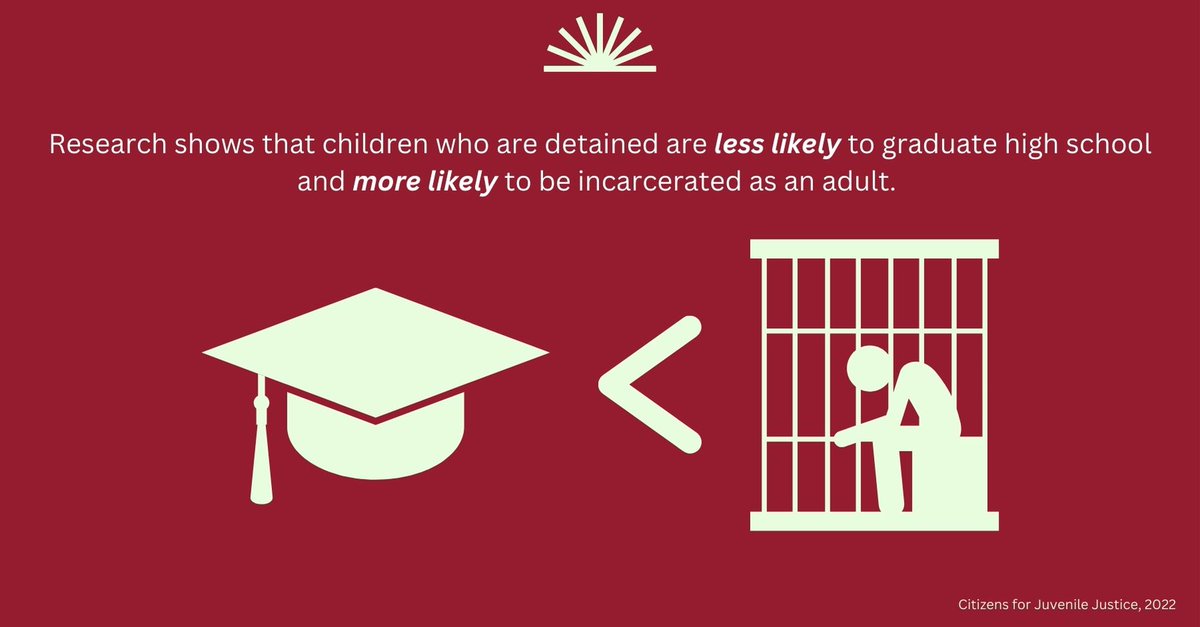
With so much at stake, juveniles in the justice system benefit from a chance at growth and dignity — neuroscience shows us that as young brains change, so do people's behaviors. https://t.co/eof0S9bOSL was launched to catalyze moves in that direction.