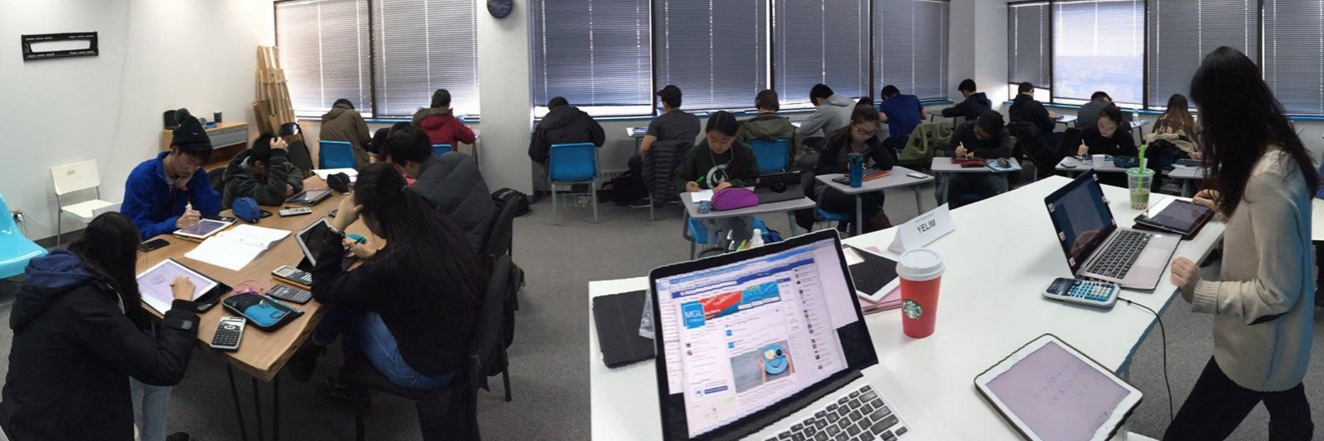
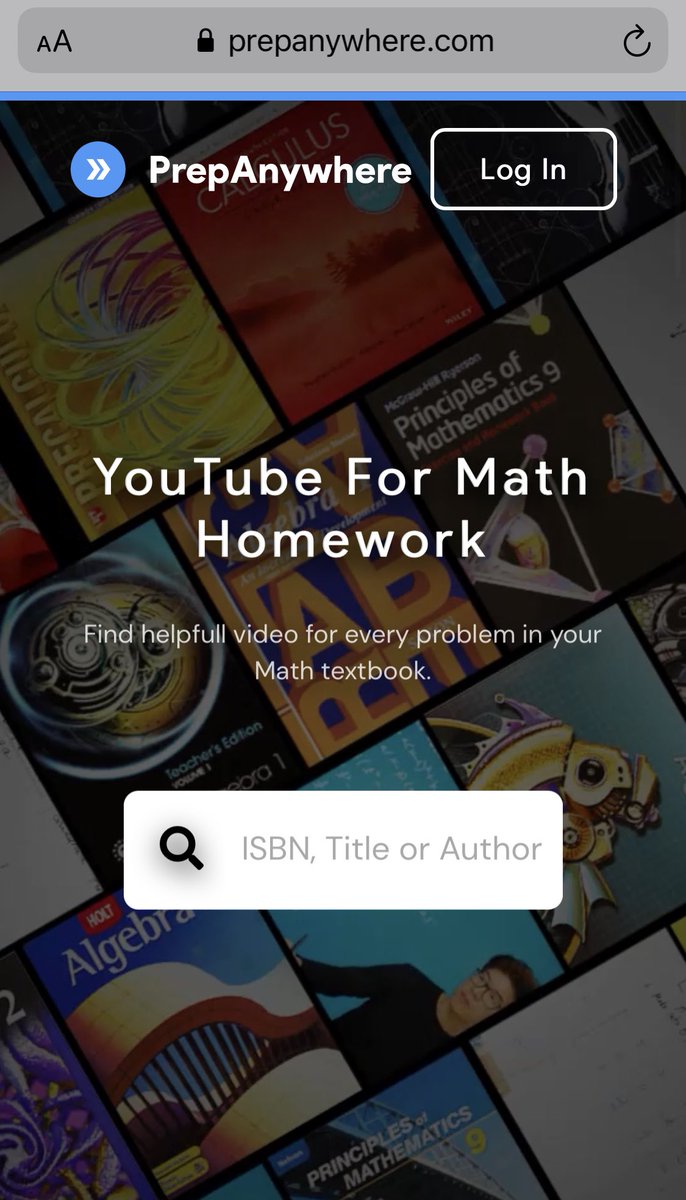
Just launched our first beta version of AI math tutor app! If you are in high school or teach high school students, give it a go! https://t.co/gPK36RZ8yv
@howie_hua Very nice! But both of these methods of "proof" are using tools that is beyond the scope of when double negative and quotient of fractions is taught. How can we prove using tools within the scope?
@Jason_To I'm studying machine learning course and I can tell you, if you don't have the algebra chops the students will not be able to attempt it at the university level. Maybe take more Algebra out of college level courses but if anything we need to increase algebra for univ courses
#BREAKING: @fordnation opens testing to EVERYONE in Ontario "Even if you’re not showing symptoms please go get a test. You will not be turned away, even if you or your family don't have symptoms if you feel you need a test, you will be able to get a test." #COVID19#Onpoli
@BBFarhadi My thought is if all things being equal with access to tech, which methodology will be more effective? Synchronous or asynchronous. Once we know the answer to this, teachers and tech priortize. Recording the sessions for post access should be a standard feature.
@BBFarhadi If we assume for a moment that all kids have access to same computers and internet speeds, which would work better for middle to high schools, synchronous or asynchronous learning?