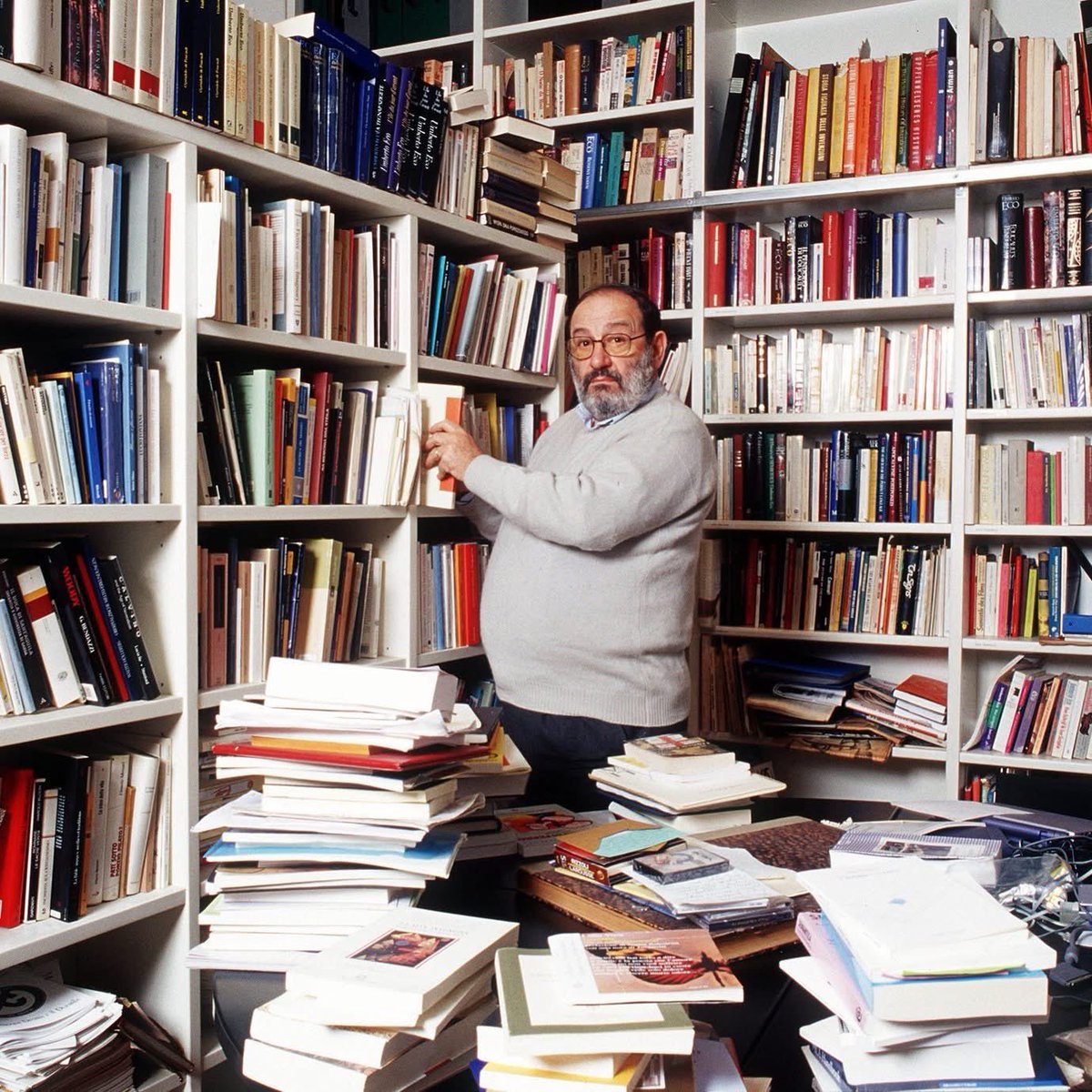
Umberto Eco, qui possédait 50 000 livres, disait ceci à propos des bibliothèques personnelles :
"Il est insensé de penser qu'il faut lire tous les livres qu'on achète, tout comme il est insensé de critiquer ceux qui achètent plus de livres qu'ils ne pourront jamais en lire. Ce serait comme dire qu'il faut utiliser tous les couverts ou les lunettes, les tournevis ou les forets que vous avez achetés avant d'en acheter de nouveaux.
Il y a des choses dans la vie pour lesquelles nous avons besoin de toujours avoir suffisamment de provisions, même si nous n'en utilisons qu'une petite partie.
Si, par exemple, nous considérons les livres comme des médicaments, nous comprenons qu'il est bon d'en avoir plusieurs à la maison plutôt que quelques-uns : quand on veut se sentir mieux, alors on va au « placard à pharmacie » et on choisit un livre. un livre aléatoire, mais le bon livre pour le moment. C'est pourquoi vous devriez toujours avoir un choix nutritionnel !
Ceux qui n'achètent qu'un seul livre, ne lisent que celui-là et s'en débarrassent ensuite. Ils appliquent simplement la mentalité de consommateur aux livres, c'est-à-dire qu'ils les considèrent comme un produit de consommation, un bien. Ceux qui aiment les livres savent qu'un livre est tout sauf une marchandise."
"La tragedia de la vejez no es que uno sea viejo, sino que uno sea joven. Dentro de este cuerpo que envejece hay un corazón todavía tan curioso, tan hambriento, todavía tan lleno de anhelo como lo estaba en la juventud".
Albert Camus
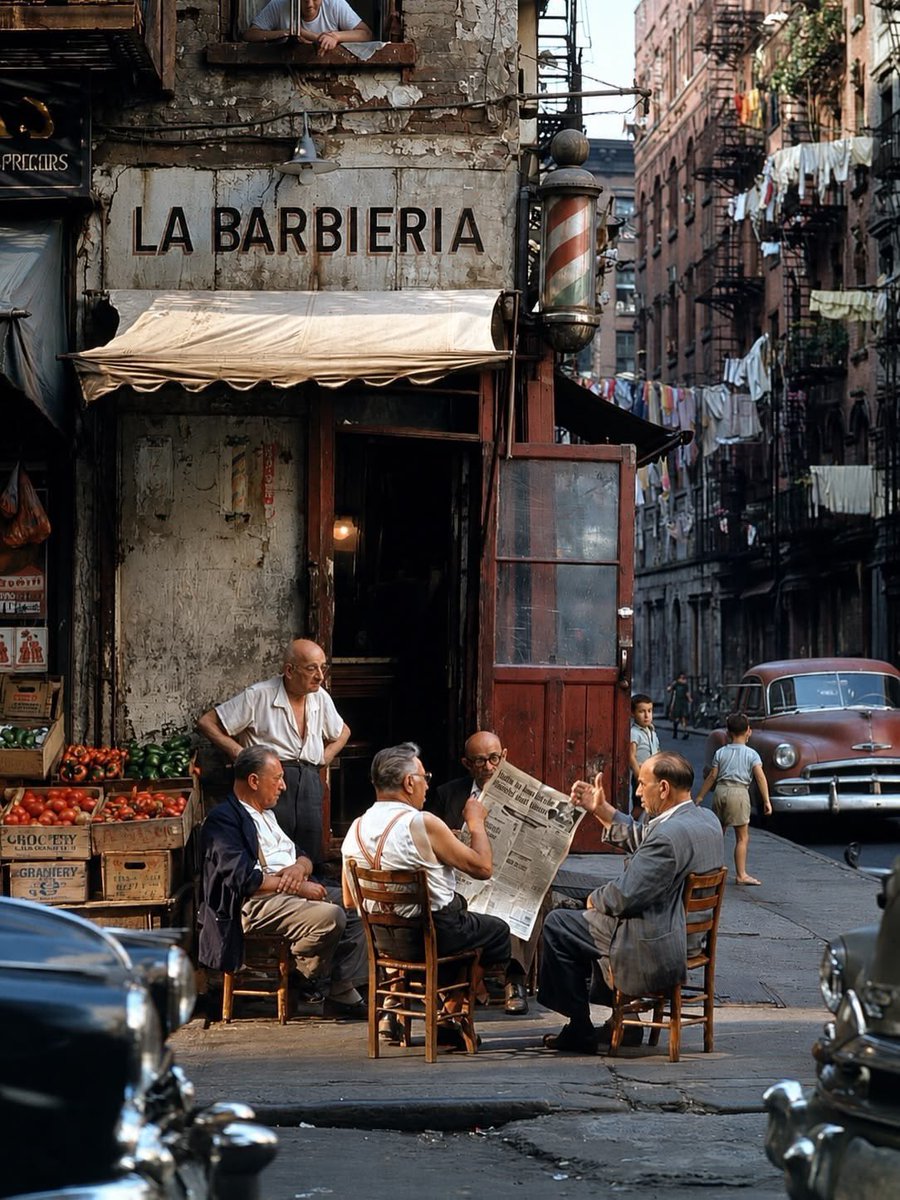
Entre las múltiples imágenes que han deparado los lamentables incidentes en Francia, esta fitografía ha pasado desapercibida. El dueño de una librería en París mantiene su local abierto a pesar de los disturbios. Se sienta impertérrito mientras la calle ha sido escenario de una batalla urbana. Entre los saqueos, nadie se fija en una librería.
فن المضغ
.......
هشام شرابي من سيرته الجمر والرماد:
"في شيكاغو لم يكن أمامي إلا المكتبة أو غرفتي أو الصقيع في الخارج، أمضيت الفصل الأول كله في الدرس والمطالعة، تسع أو عشر ساعات في اليوم، كنت أجلس للقراءة وأستمر فيها دون مقاطعة أحد.
وهكذا تعلمت القراءة الجدية، عرفت ما الذي عناه نيتشه بقوله أن القراءة هي «فن المضغ، الذي لا تجيده إلا البقرة»، كانت القراءة بالنسبة لي في السابق شيئًا أود الانتهاء منه بسرعة لكي أنصرف إلى أمور أخرى ممتعة.
في الصغر كان الدرس والطعام يفرضان علينا فرضًا، فيحرماننا من اللعب والمتعة، وفي المدرسة الداخلية كانت فترات الدراسة المسائية تفرض علينا كل يوم بين السابعة والثامنة والنصف وكانت نوعًا من الاعتقال اليومي نضطر فيه اضطرارًا أن نعد دروسنا لليوم التالي، ولم يخفف من وطأة هذا الحبس إلا كوننا جميعًا في قاعة واحدة، مطمئنين إلى أنه لا يوجد أحد يلعب في الخارج، ولا شيء يفوتنا؛ لهذا كان أسلوب القراءة الذي تعودت عليه منذ الصغر هو تمامًا عكس أسلوب «المضغ» الذي تحدث عنه نيتشه، فتعودت ورفقائي في المدرسة ثم في الجامعة أن نقرأ كما نتكلم، ونكتب كما نقرأ، بسرعة وبأصوات وتعابير خطابية عالية، تعودنا أن نستمع وأن نتفرج لا أن نتفهم ونحلل ونفكر
.
لا أذكر جميع الكتب التي قرأتها في تلك الأشهر الأولى في شيكاغو، كان معظمها يرتبط بمواد دراستي: نيتشه، أرسطو، بركهاردت، وليم جيمس، شارلز بيرس، كيركيجارد، لكني بعد فترة بدأت أشعر بالتعب من المطالعة المستمرة، وصرت أمضي أوقاتًا أطول في غرفة الجلوس في الإنترناشيونال هاوس وفي جلساتي مع الطلبة على مائدة الغذاء في ايدانويس، لكني كنت دائمًا أعود إلى كتبي.
رويدًا تحول الكتاب بالنسبة إليّ إلى شيء حي، إلى صديق حميم، إلى ضرورة حيوية، وجدت نفسي أحادث الكاتب من خلال الصفحات المطبوعة، فلم يعد الاستماع كافيًا، وتعلمت أن أعيد قراءة مقاطع بكاملها، كأني أسأل الكاتب أن يعيد أقواله، أخذت أبحث عن المعنى الذي كان بالسابق يفوتني ولا أعود إليه، فلم تعد الفكرة الغامضة تكفي، أصبحت أسعى لاستيعاب المعنى كاملًا وأصر على الوضوح التام.
........
أغلال خفية كبلت ذهني بدأت تتساقط ظلام سنين عديدة أخذ ينقشع تغيرت رؤيتي للأمور، لا من حيث المضمون فقط بل أيضًا من حيث طريقة الفهم والتحليل، فصار بإمكاني (وربما لأول مرة) رؤية الأمور من وجهات نظر مختلفة، ومن خلال مقاييس وقيم مختلفة.. شعرت فجأة أني اخترقت حاجزًا ذهنيًّا كان يفصلني عن رؤية الأمور على حقيقتها.. وصار بإمكاني رؤية ذاتي الاجتماعية (ربما لأول مرة أيضًا) من «الخارج» وبروح موضوعية متزايدة".
.....
الملك الآشوري سنحاريب ما بين التوراة، والكتابات الآشورية
بقلم الدكتور طه باقر
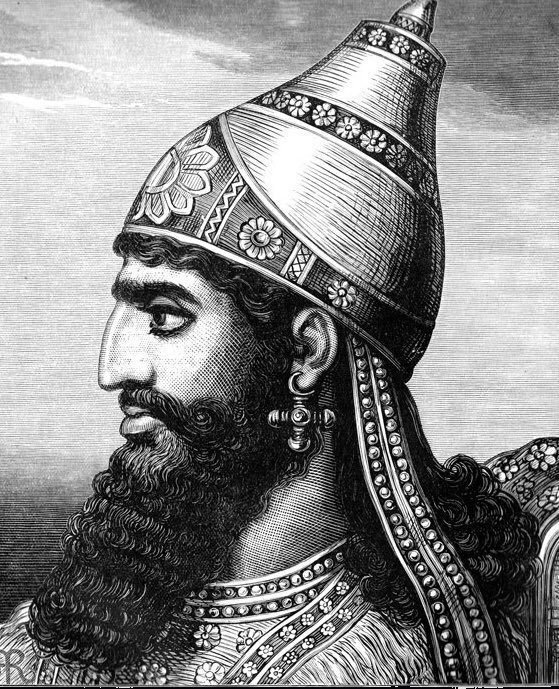
خلف سنحاريب أباه الملك سرجون الثاني في عام 704 قبل الميلاد، وحكم الامبراطورية الآشورية لمدة 23 عاماً.
وقد وجه حملاته العسكرية إلى بلاد الشام بسبب العصيان والثورة اللذان أظهرتهما عدد من الدويلات على الإمبراطورية الآشورية، وقد جاء في هذه المرة جيش مصري لمساعدة هذه الدويلات، وكان من بين تلك الدويلات مملكة "يهوذا" في عهد ملكها المسمى حزقيا، فبادر سنحاريب إلى ضرب هذه الدويلات في عام 701 قبل الميلاد، ولما أستطاع إخضاعها نصّب بدلاً من الحكام والأمراء السابقين حكاماً جدد، وضيَّق الخناق على مملكة يهوذا وحاصر عاصمتها أورشليم، وترك كبير قادته مسؤولا عن حصارها والذي ذكر في التوراة باسم ال "رابشاقة" (معناه كبير السقاة).
وقد أبى حزقيا ملك يهوذا ، الخضوع والاستسلام، ولا نعلم نتيجة الحصار بوجه اليقين، فأمامنا رواية التوراة التي تقول ان الجيش الآشوري حل فيه الوباء وفتك به ، ولكن المرجح ان الجيش الآشوري قد رفع الحصار عن أورشليم مقابل دفع جزية كبيرة من الفضة والذهب والنساء، من بينهن بنات الملك حزقيا، كما جاء في حوليات سنحاريب.
ويبدو إن سنحاريب وضع الخطط وهو في فلسطين لغزو بلاد مصر، وشرع بالزحف في الطريق البري التأريخي من فلسطين حتى بلغ موضع العريش أو "رفح"، ولكن هذه الحملة لم تحرز النجاح ، فالرواية التوراتية تنسب إخفاق الحملة إلى التداخل الإلهي حيث أن "ملاك الرب خرج ليلاً وضرب 185 الفاً من الجيش الآشوري".
بينما تصف الكتابات الآشورية ان الإخفاق في تلك الحملة يعود إلى العواصف والزوابع الترابية التي حالت دون مواصلة الجيش الآشوري السير إلى داخل الأراضي المصرية.
King Sennacherib of Assyria Between the Bible and the Assyrian Inscriptions
By Dr. Taha Baqir
Sennacherib succeeded his father, King Sargon II, in 704 BCE and ruled the Assyrian Empire for 23 years.
He directed his military campaigns toward the Levant because of the rebellion and unrest shown by several small states against the Assyrian Empire. On this occasion, an Egyptian army arrived to aid those states. Among them was the Kingdom of Judah, ruled by King Hezekiah.
Sennacherib moved to crush those states in 701 BCE, and after subduing them, he appointed new governors and princes to replace the former rulers. He tightened the siege around the Kingdom of Judah and surrounded its capital, Jerusalem, leaving one of his top commanders in charge of the siege. This commander is mentioned in the Bible as the “Rabshakeh” (meaning chief cupbearer).
King Hezekiah of Judah refused to submit and surrender. The outcome of the siege is not known with certainty. The Biblical account claims that a plague struck the Assyrian army and decimated it. However, the more likely version, based on Sennacherib’s annals, is that the Assyrian army lifted the siege of Jerusalem in exchange for a large tribute of silver, gold, and women — among them, the daughters of King Hezekiah.
It seems that while in Palestine, Sennacherib devised plans for an invasion of Egypt and began advancing along the ancient land route from Palestine until he reached the area of El-Arish or Rafah. However, this campaign was unsuccessful.
The Biblical narrative attributes the failure of this campaign to divine intervention — stating that “the angel of the Lord went out at night and struck down 185,000 men of the Assyrian army.”
In contrast, the Assyrian inscriptions describe the failure as being due to violent storms and sand whirlwinds that prevented the army from continuing deeper into Egyptian territory.