乍向红莲没,
复出清蒲扬。
独立何褵褷,
衔鱼古查上。
Now it dives among the red lotus,
then rises again, scattering the clear reeds.
Alone it stands, feathers dripping and loose,
perched on an old snag, a fish held in its beak.
—— 王维《皇甫岳云溪杂题五首 鸬鹚堰》
仄径荫宫槐,
幽阴多绿苔。
应门但迎扫,
畏有山僧来。
A narrow path lies shaded by palace locust trees;
deep in the shade, green moss spreads thick.
At the gate he keeps it swept and ready,
in case a mountain monk should come.
—— 王维《辋川集 宫槐陌》
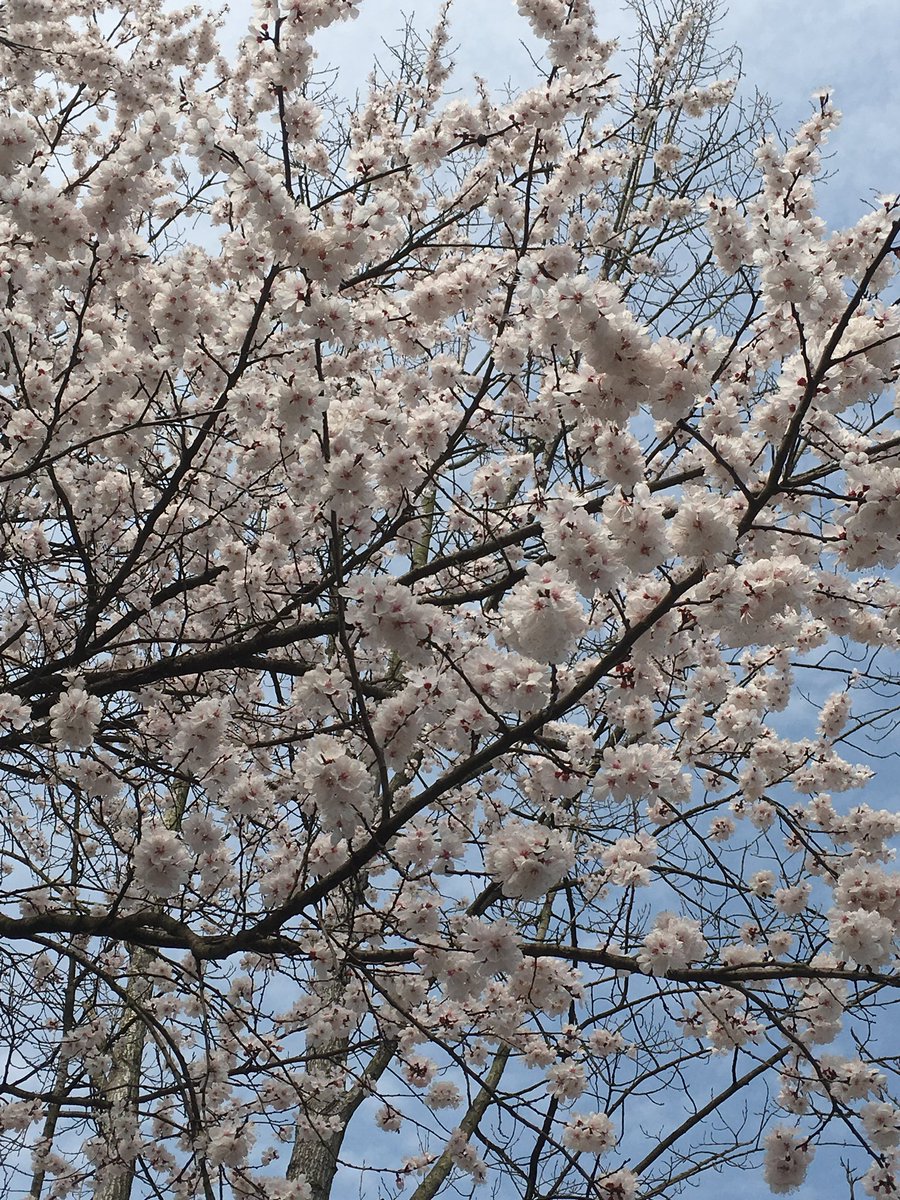
每候山樱发,
时同海燕归。
今年寒食酒,
应是返柴扉。
Whenever the mountain cherries bloom,
the swallows return from the sea.
This year at the Cold Food festival,
he will be back at his rustic gate.
—— 王维《送钱少府还蓝田》
草色日向好,
桃源人去稀。
手持平子赋,
目送老莱衣。
Each day the grass grows greener still;
to the Peach Spring, fewer people go.
With a rhapsody of Pingzi in hand,
he watches old Lai in his filial robe depart.
—— 王维《送钱少府还蓝田》
闲洒阶边草,
轻随箔外风。
黄莺弄不足,
衔入未央宫。
Softly they fall on grass by the steps,
Gently they drift with the wind outside.
The orioles play with them, never tired,
Carrying them off into the Weiyang Palace.
—— 王维《左掖梨花》
绿艳闲且静,
红衣浅复深。
花心愁欲断,
春色岂���心。
Green hues lie still in quiet grace,
red petals shade from light to deep.
At the flower’s heart, sorrow seems to break—
yet how could springtime know this heart?
—— 王维《红牡丹》
轻阴阁小雨,
深院昼慵开。
坐看苍苔色,
欲上人衣来。
A light overcast brings a passing rain;
in the deep courtyard the doors open late in the day.
Seated, he watches the dark green moss—
its color seems to rise and touch his clothes.
—— 王维《书事》
春池深且广,
会待轻舟回。
靡靡绿萍合,
垂杨扫复开。
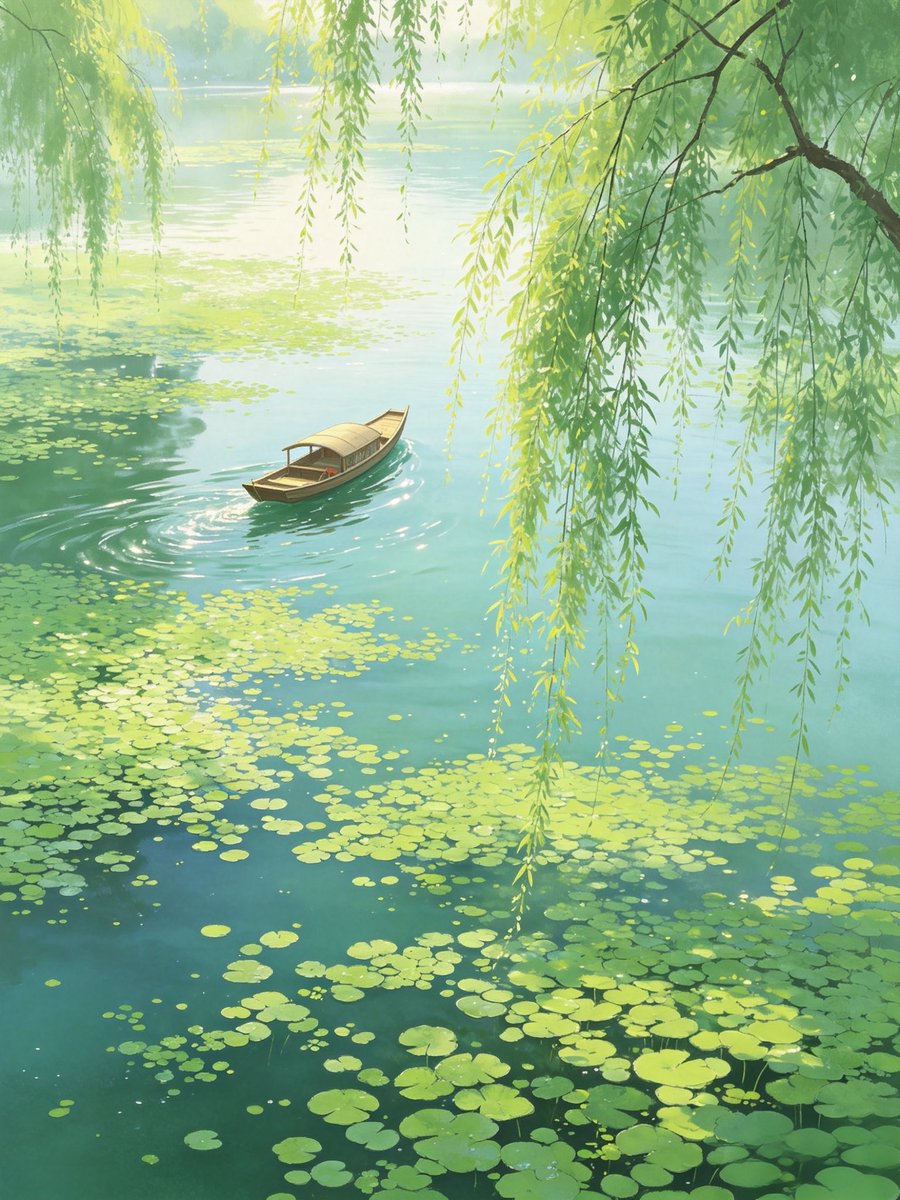
The spring pond lies deep and wide,
waiting for a light boat to return.
Soft green duckweed gathers and closes,
drooping willows sweep it apart again.
—— 王维《皇甫岳云溪杂题五首 · 萍池》
与君青眼客,
共有白云心。
不相东山去,
日令春草深。
With you, a kindred friend who greets me with clear eyes,
we share a heart as free as drifting clouds.
Though we do not go together to the eastern hills,
each day the spring grass grows deeper and deeper.
—— 王维《赠韦穆十八》
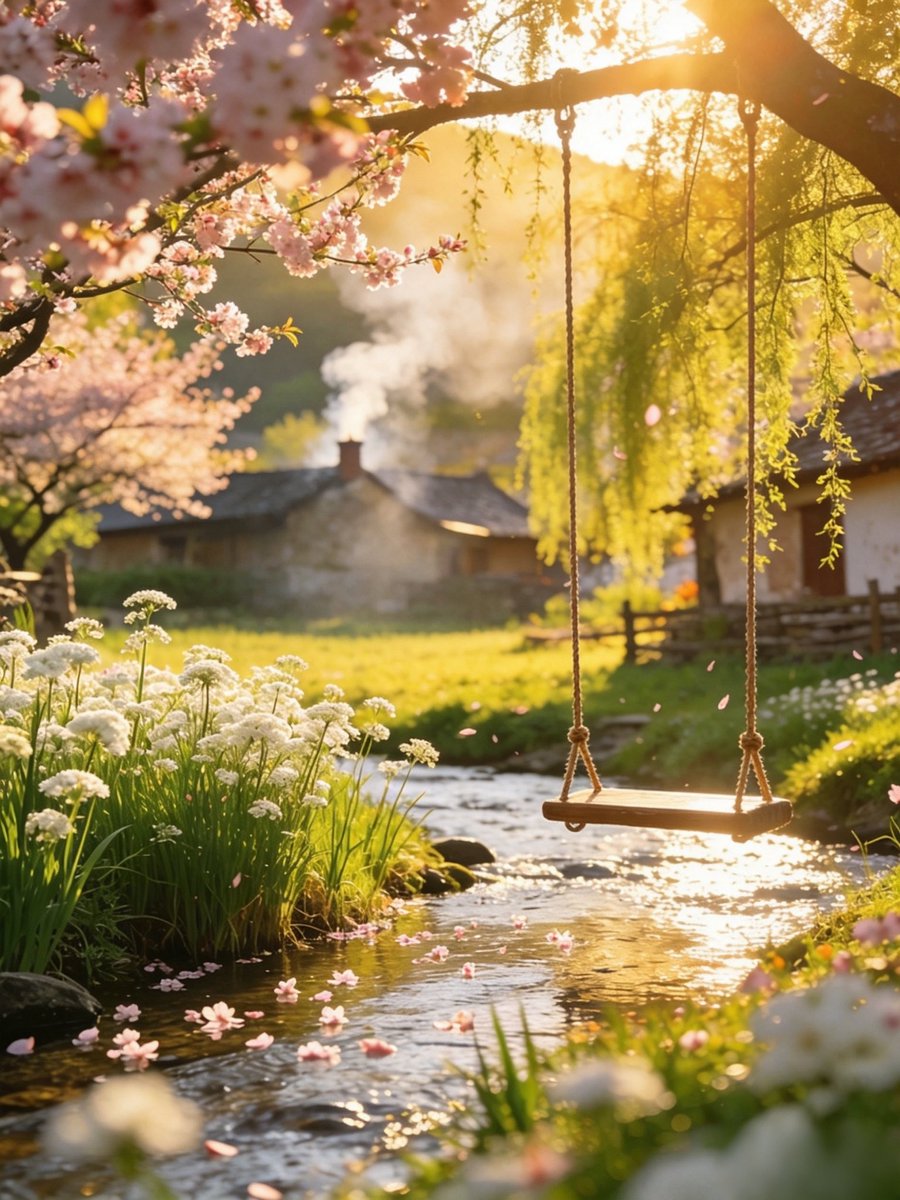
蹴踘屡过飞鸟上,
秋千竞出垂杨里。
少年分日作遨游,
不用清明兼上巳。
Kicking balls, they send them soaring above the birds;
on swings they rise from among the drooping willows.
The youths spend their days in carefree roaming,
needing neither Qingming nor Shangsi for their joy.
—— 王维《寒食城东即事》
清溪一道穿桃李,
演漾绿蒲涵白芷。
溪上人家凡几家,
落花半落东流水。
A clear stream runs through peach and plum trees;
ripples spread, cradling green reeds and white angelica.
How many homes stand along the stream?
Fallen blossoms drift away on the eastward flow.
—— 王维《寒食城东即事》
草际成棋局,
林端举桔槔。
还持鹿皮几,
日暮隐蓬蒿。
By the grass a chessboard takes shape;
at the edge of the woods a well-sweep is raised.
He still carries a small table of deerskin;
at dusk he disappears into the wild grass.
—— 王维《春园即事》
宿雨乘轻屐,
春寒著弊袍。
开畦分白水,
间柳发红桃。
After the night rain, he walks in light clogs;
in the chill of spring, he wears a worn robe.
He opens the furrows, guiding clear water through the fields;
among the willows, red peach blossoms begin to bloom.
—— 王维《春园即事》
归燕识故巢,
旧人看新历。
临觞忽不御,
惆怅远行客。
The returning swallows know their old nests;
the same old faces look upon a new year’s calendar.
Before the cup, he suddenly will not drink—
thinking of the traveler far away, he grows wistful.
—— 王维《春中田园作》
屋上春鸠鸣,
村边杏花白。
持斧伐远扬,
荷锄觇泉脉。
On the roof a spring dove calls,
by the village the apricot blossoms are white.
With an axe he goes to fell the tall trees afar;
with a hoe he searches for the hidden spring.
—— 王维《春中田园作》
优娄比丘经论学,
伛偻丈人乡里贤。
披衣倒屣且相见,
相欢语笑衡门前。
A monk of Ulu studies sutras and treatises;
a bent old man is the village worth.
Throwing on his robe and slipping into his shoes, he hastens to meet him;
they share laughter and talk before the simple gate.
—— 王维《辋川别业》
不到东山向一年,
归来才及种春田。
雨中草色绿堪染,
水上桃花红欲然。
Less than a year away in the eastern hills,
I return just in time to sow the spring fields.
In the rain the grass grows green enough to dye,
on the water peach blossoms burn a vivid red.
—— 王维《辋川别业》