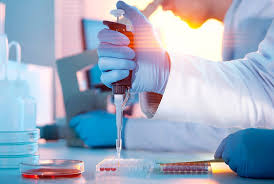
The methods mentioned above aren’t the only ways in which we can learn whether a substance is toxic. For instance, in vitro tests work to model certain structures simply with cells, not an entire organism. This is non-invasive and predicts toxicity without any harm to animals🧪🧫
The Humane Cosmetics Act was introduced into the U.S. House in 2023, and it seeks to ban the testing of cosmetic products on animals at a national level and prohibit the sale of products that were tested on animals. Unfortunately, this has yet to be passed into legislation.
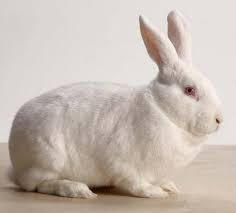
Many areas of the research industry test on many different species, including monkeys and mice. In the cosmetics industry, the New Zealand white rabbit is the most predominant species for testing because they are inexpensive and have a short gestation period.
Before a cosmetics product, such as your eyeliner or under-eye caffeine solution, enters the market, it must go through a series of tests to ensure that it is safe for human consumption. These tests work to analyze the toxicity of product components or the product as a whole.