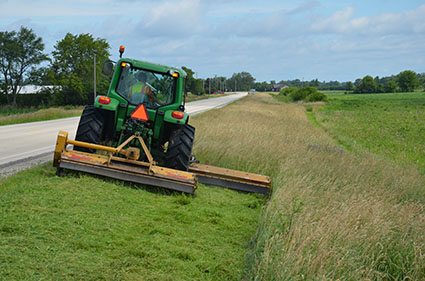
The county just mowed the roadside in June, and an entire generation of monarch caterpillars went with it.
In a lot of America, the strip of grass and wildflowers along rural roads is the last place milkweed still grows.
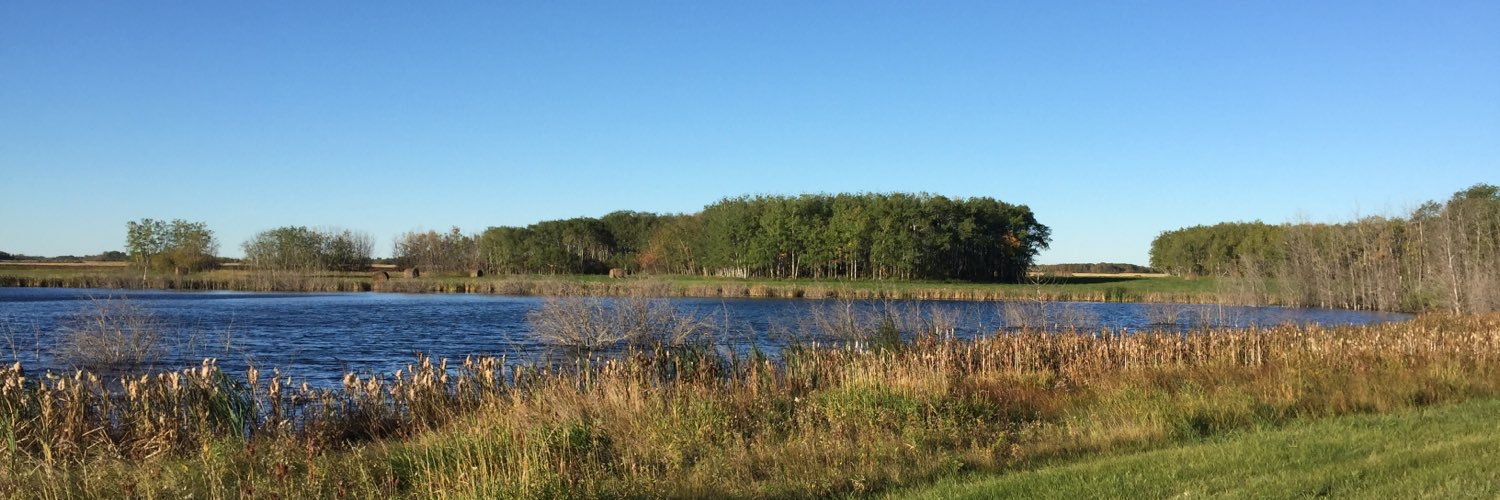
Farm fields got sprayed. Suburbs got paved. The roadside ditch is where ground-nesting bobolinks, meadowlarks, pheasants, and bumblebee queens raise their young because almost nothing else is left.
June and early July are peak nesting season. They are also when most counties run their mowers.
A pheasant nest in early July still has eggs in it 21% of the time. A monarch caterpillar in June is 11 days from becoming a butterfly. The mower doesn't know. The mower keeps going.
But there's a fix.
Counties that delay roadside mowing until after July 15, mow at higher cutting heights (8–12 inches), use flushing bars on equipment, and target only the visibility-critical edges instead of the entire shoulder have seen big results.
Iowa, Minnesota, and Washington have programs along these lines. Most states don't.
If you live in a county that mows everything in June, call your county supervisor. Ask for a mowing delay until late summer. Most rural counties have never heard the request and would consider it.
The roadside isn't a lawn. It's the last refuge for a lot of species we keep wondering why we don't see anymore.
@JerodMcDaniel What kind of opportunity is there in a guy in IL to get some cattle and put them on stalks over winter and take them to a feed yard after that?
@jaxlef14 I’ve used baking soda mixed with a little water for a paste, it’s supposed to help dry it out. Biggest thing I can say is get the oils off best you can then dry it out