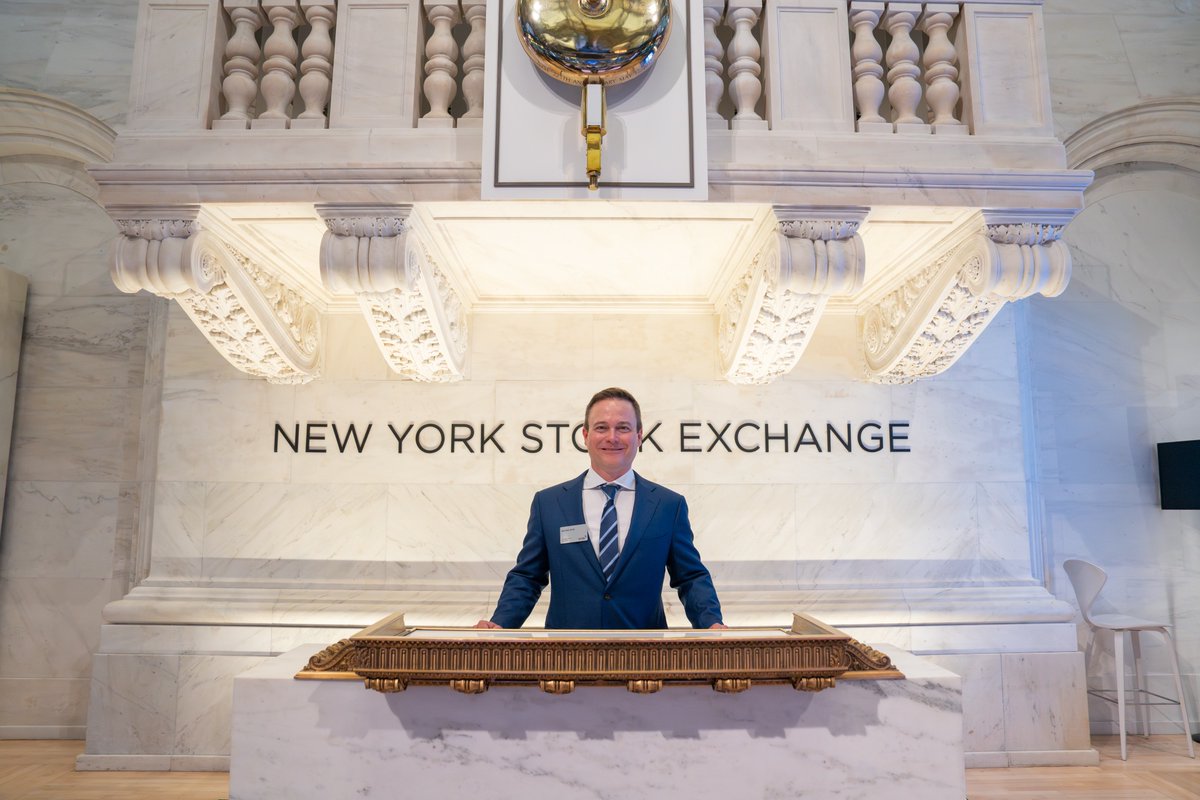
Thanks for a great time at the Magnolia Festival, Matewan, WV! Sign up for your @InvestAmerica24@TrumpAccounts and claim that free money for your kids. Invest in your community, invest in yourself, invest in America!
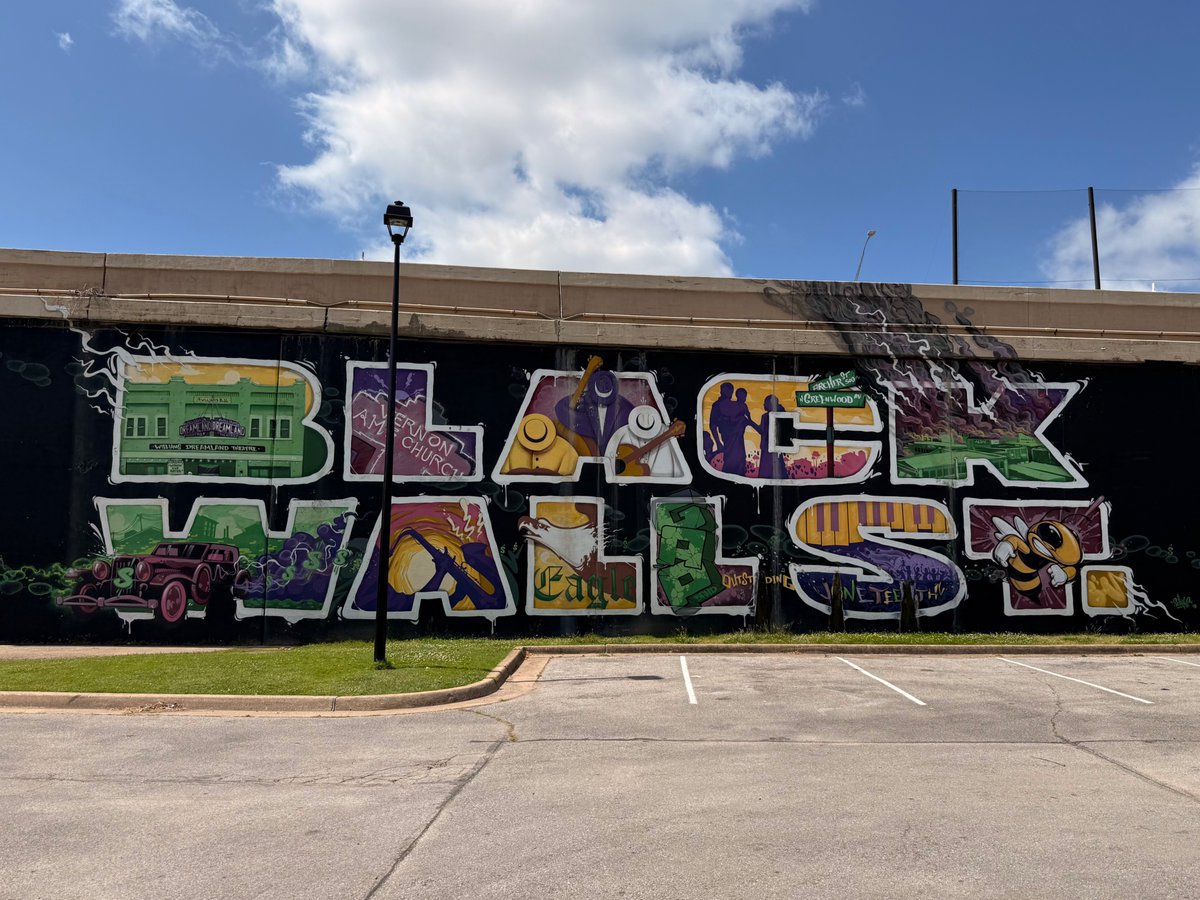
Thank you, @GreenwoodRising and @cityoftulsagov, for including me in the Race Massacre observances.
This weekend was a powerful reminder that access to capital has been denied to many Americans because of geography, western expansion, extractive economies, and sometimes through extreme violence.
1921 was a low point. But 2026 offers promise.
I'm confident that @investamerica24 can help heal this national wound by fully funding the @trumpaccounts of children in North Tulsa and Greenwood descendant families, paired with wraparound services that can lift up Tulsa's kids and, in the process, the whole community.
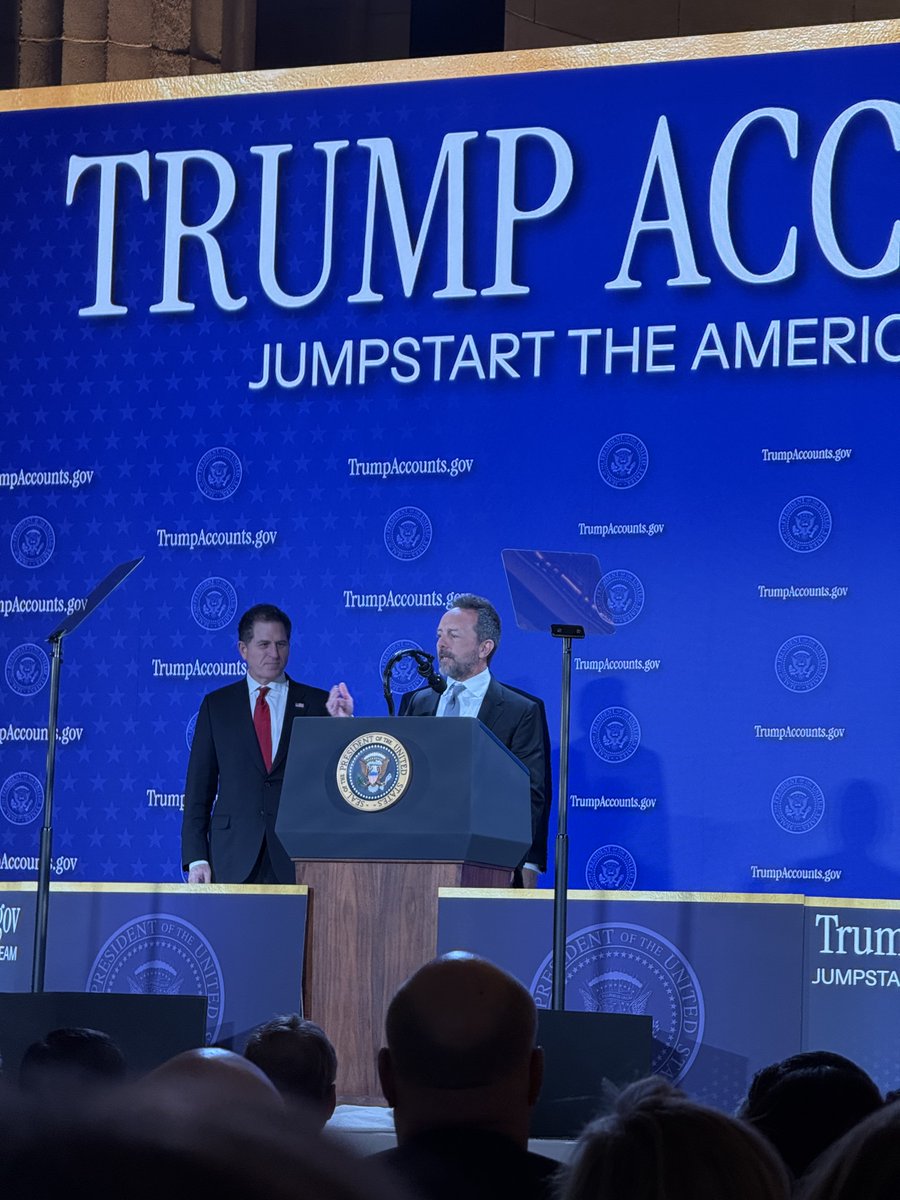
.@SecScottBessent: The Trump Accounts app will be available on all major platforms tomorrow morning, and it will place the American Dream into the palms of the hands of parents and children. Nearly 6 million kids have been signed up for Trump Accounts, and they will launch on July 4th — a great symbol of the 250th anniversary.
250 years after Adam Smith, parts of Appalachia are still waiting for true access to ownership and compounding capital.
McDowell and Mingo don’t need charity. They need a stake in the American economy.
That’s what fully funding the @InvestAmerica24@TrumpAccounts could change.
I was recently in Welch, West Virginia, deep in the coalfields of Appalachia.
You can still see the bones of what this town once was.
Welch was built by the coal boom and once became known as “Little New York”: full of banks, hotels, shops, and workers helping power America’s industrial rise.
But over time, much of the wealth flowed out instead of staying local.
Today, McDowell County has one of the highest poverty rates in America, with poverty around 30% and a population that has collapsed from its coal-era peak.
And yet, the people are incredible. Strong culture. Strong families. Strong sense of place.
But in many ways, capitalism left them behind.
Not because people here didn’t work. They did.
Not because they lacked values. They don’t.
But because generations of people here participated in the economy mostly as labor, not as owners.
That’s why I believe fully funding the @InvestAmerica24@TrumpAccounts for every child born in this county over the next 10 years could be transformational.
Not charity. Ownership.
Not a handout. Compounding capital.
A chance for kids growing up in places like Welch to finally have a real stake in the American economy.
My Scottish ancestors would have lived in a croft house like this on the Isle of Skye before they left for America 300 years ago. Maybe even my McLeod ancestors lived in this very one! Thatched roof, a roaring fire, families and animals under the same roof.
Anyone who knows me knows I’m an ancestry junkie. I can’t get enough of it. That’s why I keep coming back to Scotland. My people are from here.
This trip, though, is for a specific reason. My ancestors were cleared off this land so British aristocrats could raise sheep in the Highlands for export. At the same time capitalism was taking shape down in Edinburgh and eventually spreading to places like New York, my people were leaving Skye and landing in Appalachia.
Some moved on. Many didn’t. And today there are counties across rural Appalachia dealing with persistent poverty, opioid crises, and a range of social challenges tied to long-term economic exclusion.
There’s a straight line between what happened here in Scotland and what exists now in parts of Appalachia, in places like McDowell County. This wasn’t a failure of the people. It was a function of history and power. In many of these communities, there’s never really been a meaningful relationship with capital or with compounding.
That’s why I’m so fired up about @investamerica24. For the first time, philanthropists can put real capital directly into these communities through the new @TrumpAccounts and actually bring capitalism full circle. Not as theory, but as ownership. As participation. As something that compounds over time.
And just as important, it reinforces something fundamental: capitalism, when people can actually access it, is the most powerful wealth-building system ever created. More layers of government don’t create mobility. Ownership does. Compounding does.
This isn’t charity. It’s finishing the job capitalism started. And I think it’s pretty incredible.
Fully funding @InvestAmerica24 in the most distressed counties in Appalachia would be a full-circle moment.
There are communities, especially smaller ones far from major cities, where capitalism never really showed up in their story.
Not in a lasting way. Not in the modern era. Not when their ancestors were in Northern Ireland, or in the Scottish Highlands once the Clearances began and the clan system broke down.
For generations, it’s been more extraction than investment. More taking than building.
In Appalachia, that history carried forward. Scots-Irish communities powered industries, but often without ownership, without compounding, without a real stake in what was being built.
That’s why @InvestAmerica24 matters.
Fully funding these accounts isn’t charity. It’s finally bringing ownership and compounding to places that were left out of it.
For some, it may be the first time something at scale has truly shown up for them since William Wallace.
Wallace wasn’t an elite. He was a populist leader who united fractured clans and stood up to a system that wasn’t working for his people.
This is a modern version of that. Not with swords, but with capital that stays, grows, and belongs to the people.
Most in Appalachia don’t fully know where their story begins.
Even @JDVance has noted the gap—people know the hardship, but not the deeper history.
This journey reconnects that thread. You can’t understand a region… without understanding its roots.
Important distinction: generational poverty is economic; it’s about limited access to capital and opportunity over time.
It says nothing about culture, family, or values.
Many “poor” communities are rich in exactly those things.
Communities without access to capital fall behind fast. The bottom 50% of Americans own ~2–3% of wealth, while the top 10% hold ~66%. Without access to ownership and compounding, income alone can’t close the gap—and it persists for generations.
Generational poverty typically reflects long-term barriers that make upward mobility difficult. Over time, these constraints compound, meaning children born into poverty are statistically more likely to remain in poverty as adults. @InvestAmerica24 can fix this.
I’ve been lucky enough to attend a couple of @InvestAmerica24 | @TrumpAccounts events recently.
And both times, it felt like a ⚡️ strike.
A real 💡 moment.
Because you realize pretty quickly—this isn’t just a savings program.
It has potential to be something MUCH bigger.
If you put real capital into these accounts—especially in the communities that have never had access to compounding—and pair it with the right support…
financial literacy, reading, STEM, mentorship…
you’re not just building financial capital.
You’re building social capital.
And that compounds too.
Stronger families.
Better health outcomes.
More stability.
More ownership.
You start to see how this could chip away at things we’ve struggled with for decades—
the wealth gap, maternal mortality, generational poverty.
Not overnight.
But in a way that actually sticks.
That’s what hit me.
This isn’t just policy.
It’s a platform.
And it’s got me motivated to act.
Buffalo Bill in conversation with Oglala Lakota Chief Iron Tail.
William F. “Buffalo Bill” Cody and Oglala Lakota Chief Iron Tail shared a remarkable friendship that lasted nearly twenty years. Despite their opposing roles in the Indian Wars, they became close companions while touring with the Wild West show. Speaking different languages, they famously communicated through Plains Indian Sign Language. A rare 1898 silent film captures them sitting together, engaged in a fluid, expressive conversation using these hand gestures. Iron Tail, whose profile later inspired the Buffalo nickel, remained Cody’s loyal companion on hunts and international tours until his death in 1916.
When I think about capitalism, I don’t start on Wall Street.
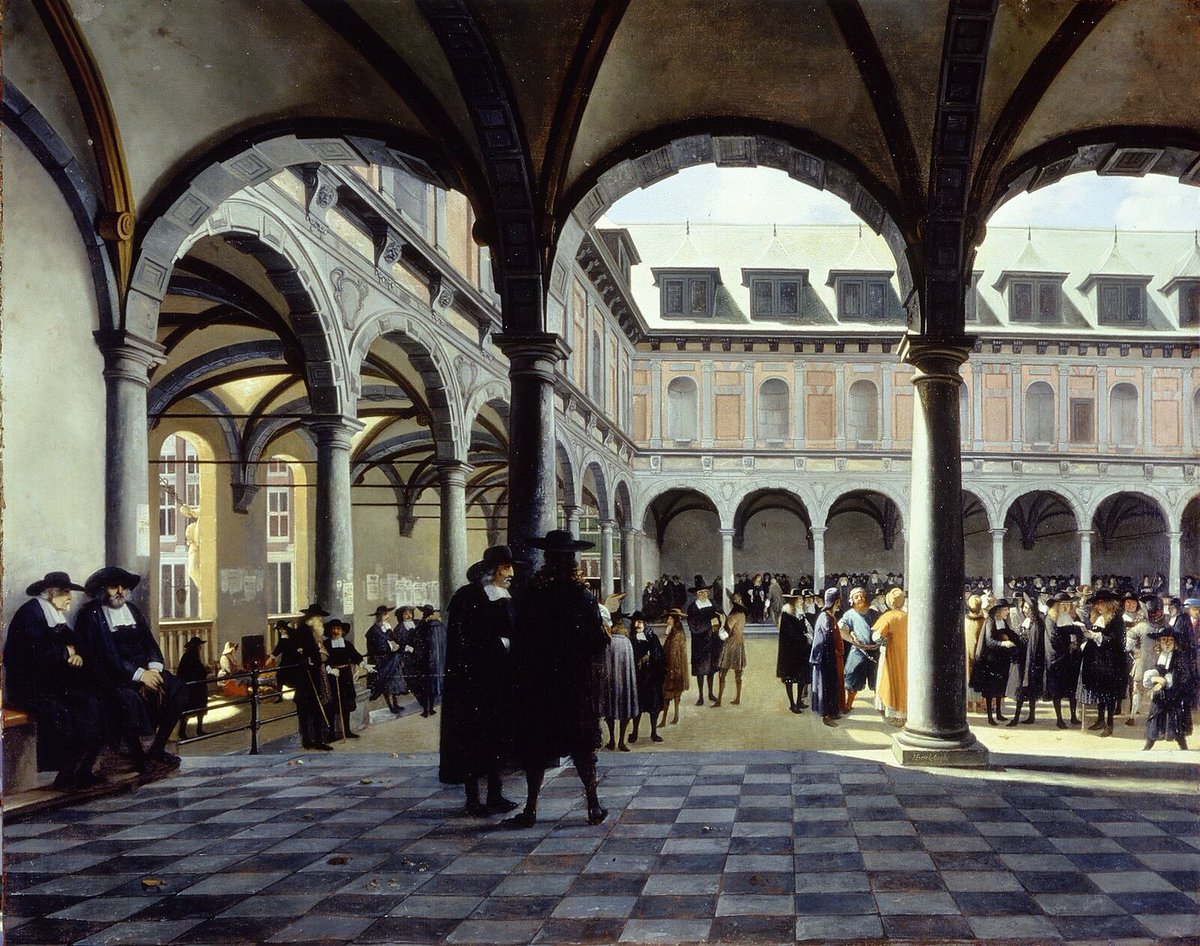
I start in Amsterdam, in 1602, when the Dutch East India Company issued the world’s first publicly traded shares. Before that moment, global trade was a royal privilege. Monarchs financed expeditions to Asia hoping to return with spices—nutmeg, cloves, cinnamon, pepper—commodities worth more than gold in Europe.
These voyages were extraordinarily risky. Ships took years to return. Many never did. When they failed, entire royal treasuries collapsed.
The Dutch changed that model. Merchants pooled capital, divided risk, and waited—sometimes a decade—for outcomes. When a ship finally returned to port, loaded with spices from Indonesia or India, investors knew they had just participated in something new: time applied to capital at scale.
That idea—shared risk, shared reward—moved to London, was refined through joint-stock companies like the East India Company, crossed the Atlantic, and was ultimately scaled by Americans. Railroads, canals, steel mills, and factories weren’t built by speculation; they were built by patience and compounding.
As America approaches its 250th birthday, tools like @InvestAmerica24 | @TrumpAccounts feel less like a new invention and more like a continuation of this story—extending compounding capital to people and places that never fully entered the system the first time around.