FOR THE RECORD
Calling Cairo 🎙️🙏🏾 Good Neighbors Don't Conspire. They Collaborate! Heal Africa's racial divide. Embrace 🇪🇹 Ethiopia's Rise Right Now🇪🇹🎙️🇪🇹
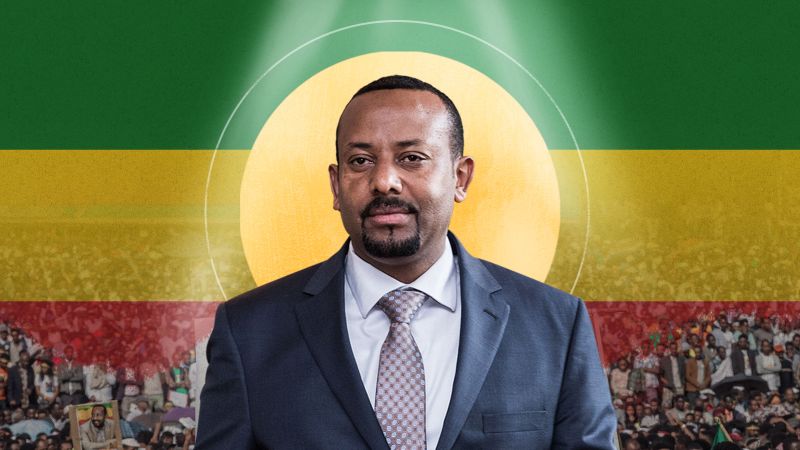
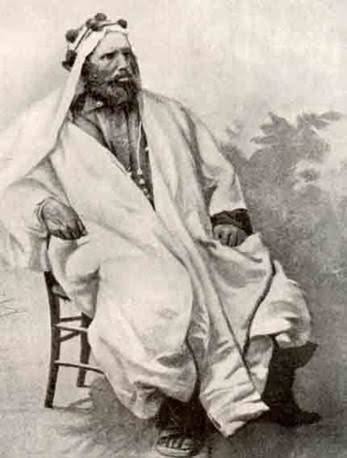
Political Comparison: Ras Alula Aba Nega and Prime Minister Dr. Abiy Ahmed
Although Ras Alula Aba Nega and Prime Minister Dr. Abiy Ahmed belong to very different historical periods, there are notable political parallels between them in terms of their understanding of Ethiopia’s territorial integrity, strategic security, and regional influence. Ras Alula was a nineteenth-century military commander and statesman who defended Ethiopia during a period of intense imperial competition in the Horn of Africa. Dr. Abiy Ahmed, by contrast, governs in the twenty-first century, in an era shaped by globalization, regional diplomacy, economic integration, and shifting Red Sea geopolitics. Despite these differences, both figures can be compared through their commitment to Ethiopia’s national interests, their concern for access to the Red Sea, and their belief that Ethiopia’s security is deeply connected to the wider Horn of Africa.
One of the strongest similarities between Ras Alula Aba Nega and Prime Minister Abiy Ahmed is their belief in the importance of Ethiopia’s territorial integrity. Ras Alula is remembered as one of the most determined defenders of Ethiopia’s frontiers during the late nineteenth century. He confronted foreign expansion, especially Italian colonial ambitions, and played a major role in protecting Ethiopia’s northern borders. His political and military career was shaped by the conviction that Ethiopia’s sovereignty could only be preserved through strong defense, unity, and resistance to external domination.
Similarly, Prime Minister Abiy Ahmed has repeatedly emphasized the importance of Ethiopia’s unity, sovereignty, and territorial integrity. His political language often presents Ethiopia as a historic state whose survival depends on national cohesion and strong central purpose. Like Ras Alula, Abiy places Ethiopia’s long-term strategic interests above narrow regional thinking. While Ras Alula defended the country largely through military leadership, Abiy attempts to pursue Ethiopia’s interests through a combination of diplomacy, state-building, economic policy, and regional negotiation.
Another important point of comparison is their relationship to Eritrea and the northern Red Sea region. Ras Alula operated in a period when the political geography of present-day Eritrea was still contested among local powers, imperial Ethiopia, Egypt, Italy, and other external forces. His presence in the region was not merely military; it was also political and administrative. He understood that the highlands and coastal approaches of Eritrea were essential to Ethiopia’s security. His influence in areas such as Hamasien and around Asmara contributed to the early political importance of the region. In this sense, Ras Alula viewed Eritrea not as a distant frontier, but as a central part of Ethiopia’s northern security environment.
Prime Minister Abiy Ahmed also appears to view Eritrea and the Red Sea region as essential to Ethiopia’s future, though his methods are very different. Instead of approaching the issue mainly through military control, Abiy has emphasized economic integration, regional cooperation, trade corridors, and diplomatic engagement. His rapprochement with Eritrea in 2018 was presented as a historic attempt to end decades of hostility and open a new chapter between the two countries. This reflects a broader strategic idea: that Ethiopia’s prosperity and security are linked to peaceful relations with its neighbors, especially those controlling access to the Red Sea.
A further similarity lies in their shared understanding of the Red Sea as a vital strategic space for Ethiopia. Ras Alula lived at a time when access to the sea was closely connected to military survival, trade, and resistance to European colonial expansion. He understood that Ethiopia’s isolation from the coast would weaken the empire and expose it to foreign pressure. Therefore, his defense of the northern frontier was also a defense of Ethiopia’s historic connection to the Red Sea world.
Prime Minister Abiy Ahmed has expressed a comparable concern, but in modern economic and geopolitical terms. For contemporary Ethiopia, a country of more than 100 million people, lack of direct sea access creates serious economic and strategic challenges. Abiy’s argument for Red Sea access is not simply symbolic; it is tied to trade, logistics, energy security, regional influence, and national development. In this sense, both Ras Alula and Abiy Ahmed understood that Ethiopia’s destiny cannot be separated from the Red Sea. Ras Alula saw it through the lens of imperial defense and anti-colonial resistance, while Abiy sees it through the lens of economic sovereignty and regional integration.
There is also a comparison in their leadership styles. Ras Alula was a military strategist, a commander, and a frontier governor. His authority came from battlefield success, loyalty to Emperor Yohannes IV, and his reputation as a defender of Ethiopia. He operated in a world where political legitimacy was often established through military strength, personal courage, and loyalty to the crown. His leadership was direct, disciplined, and confrontational when Ethiopia’s interests were threatened.
Abiy Ahmed’s leadership style is more modern and political, combining reformist language, nationalist rhetoric, diplomacy, and state power. Like Ras Alula, however, he presents himself as a leader concerned with Ethiopia’s historical mission and survival. Both men project a strong sense of national purpose. They also share a willingness to challenge existing regional arrangements when they believe Ethiopia’s strategic interests are at stake.
At the same time, an effective political comparison must also recognize their differences. Ras Alula was not a head of government; he was a powerful military commander serving under Emperor Yohannes IV. His political role was tied to the imperial order of the nineteenth century. Abiy Ahmed, on the other hand, is a prime minister leading a modern federal state with complex ethnic, constitutional, economic, and diplomatic challenges. Ras Alula’s tools were armies, fortifications, alliances, and battlefield strategy. Abiy’s tools include diplomacy, infrastructure development, economic reform, public messaging, and international negotiation.
Their historical contexts are also very different. Ras Alula faced direct European colonial expansion, especially from Italy. His world was defined by imperial rivalry and military confrontation. Abiy Ahmed faces a different kind of geopolitical competition: port access, regional alliances, economic dependency, internal political instability, and international pressure. Therefore, while both men can be compared as defenders of Ethiopia’s strategic interests, the nature of the threats they faced is different.
Another difference concerns Eritrea itself. During Ras Alula’s time, the modern state of Eritrea did not exist in its current form. The region was part of a fluid and contested political landscape. In Abiy Ahmed’s time, Eritrea is an internationally recognized sovereign state. Therefore, any modern Ethiopian policy toward Eritrea and the Red Sea must operate within international law, diplomacy, and respect for state sovereignty. This makes Abiy’s challenge more complicated: he must pursue Ethiopia’s national interest while avoiding conflict and maintaining regional stability.
In conclusion, Ras Alula Aba Nega and Prime Minister Dr. Abiy Ahmed can be compared as two Ethiopian political figures who placed great importance on national unity, territorial integrity, and access to the Red Sea. Ras Alula defended Ethiopia’s northern frontier through military skill and anti-colonial resistance, while Abiy Ahmed seeks to advance Ethiopia’s interests through diplomacy, economic integration, and regional strategy. Both understood that Ethiopia’s strength depends not only on its internal unity but also on its position in the Horn of Africa and its relationship to the Red Sea. Their similarities lie in strategic vision; their differences lie in historical context, political method, and the international environment in which they operated.
#EthiopianPolitics
#Ethiopia
#EthiopiaFirst
#EthiopianUnity
#EthiopianSovereignty
#EthiopianNationalInterest
#HornOfAfrica
#AfricaPolitics
#AfricanGeopolitics
#EthiopianCurrentAffairs
@mohandxs@AfricaViewFacts Egyptians never fought a war with all the powerful tools to obtained from the West..sadly they tired to weaken Ethiopia via their proxy servants. Now Ethiopia is pushing to get sea access there is nothing anyone can do will dominate southern Red Sea With a triangular approach.
Secretary of State Marco Rubio spoke yesterday with Ethiopian Prime Minister Abiy Ahmed Ali. The Secretary and Prime Minister discussed their shared commitment to regional stability, counterterrorism cooperation, economic prosperity, and building a foundation for long-term security in the Horn of Africa.
@StateDept
https://t.co/zEzJlU9zKB
We now have the first confirmation that #Ethiopia has taken operational control of the southern Red Sea coastline on the African side, as the conflict in the Middle East continues to spread.
@martinplaut Ethiopia already securing access via Somaliland why is it even an agenda to start with. If anything Washington should visit its stance prior 1991 and come up with win win with Assab port to diffuse tension on the region and restrict Egyptian meddling of Ethiopia internal affairs.
@Tseday@martinplaut You often criticize the Prime Minister, regardless of his views on national sovereignty. While it's perfectly valid to disagree with his political ideologies, it's crucial to recognize Ethiopia's undeniable need for sea access. It is vital for the nation and its 130m citizens.
@AlamuSimeopp We need new face in power..1.4million people died in the last 5 years… over 29 billion dollar debit.. are you still preaching prosperity.. please give 120million people a favour and depart from power…
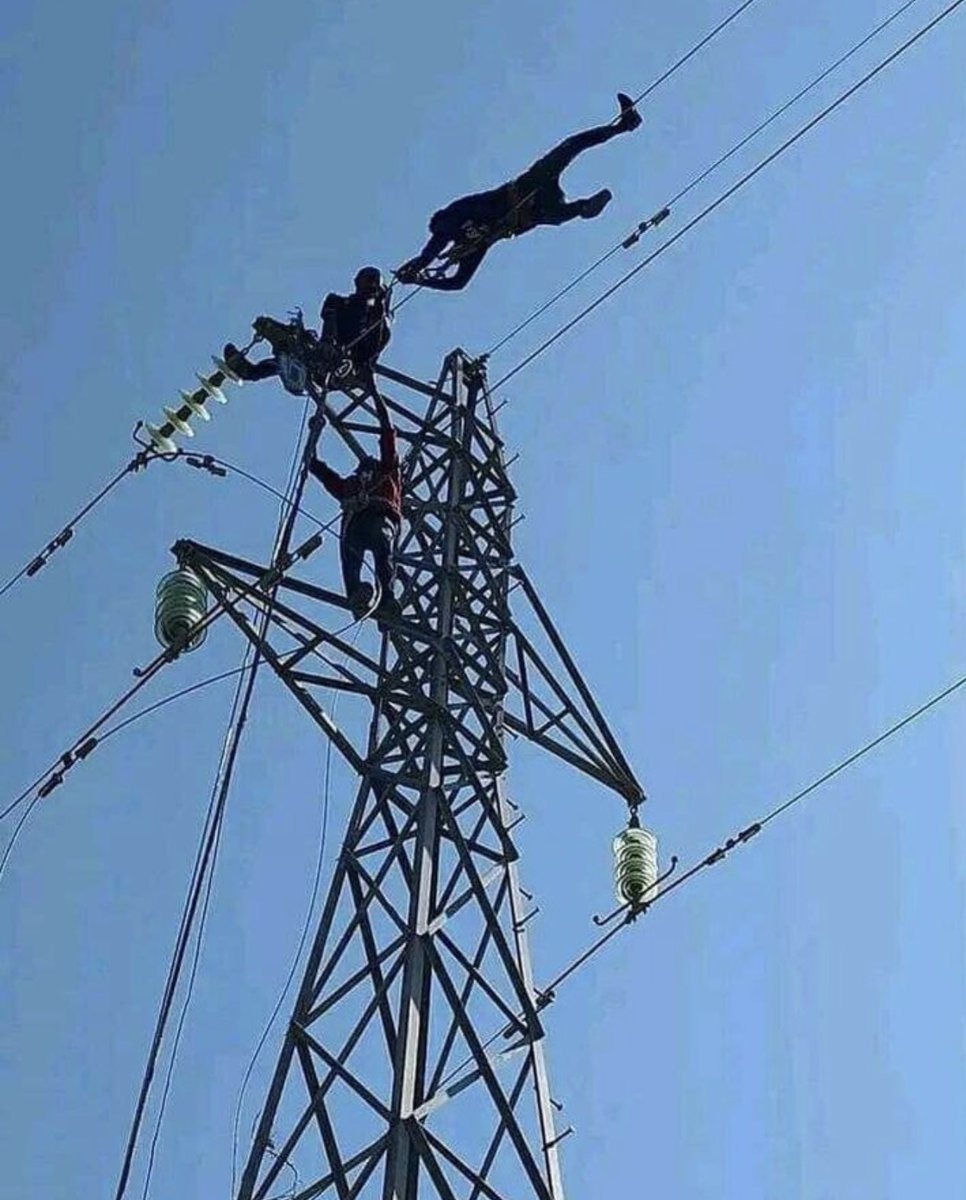
@GualJeganu Come and distribute food for our brothers and sisters in Tigray state.. stop 🛑 propagating false narratives.. After-all, your #Ethiopian not jews-Israeli you claimed to be…Alternatively shut up if you cant feed the displace.ethio electric repairing what was destroyed TDF