🩻Contrast-induced AKI:
one of the biggest myths still shaping clinical decisions
For decades we were taught:
👉 “Contrast damages the kidneys”
👉 “Avoid CT with contrast in CKD”
👉 “Hydrate, protect, delay imaging if needed”
But what if… most of this is wrong?🤔
->The uncomfortable reality
Modern evidence shows:
👉 Low-osmolar contrast rarely causes true nephrotoxicity
👉 Even in CKD, AKI, and ICU patients
👉 The risk is often overestimated—or nonexistent
So where did the fear come from?
📍 1950s high-osmolar contrast (actually toxic)
📍 Poorly controlled observational studies
📍 “Creatinine rise = contrast injury” assumption
👉 Correlation became causation
👉 And the dogma stayed
⚠️What recent data tells us
✔ No difference in AKI rates with vs without contrast
✔ No benefit from bicarbonate, NAC, or aggressive hydration
✔ Even ICU and AKI patients show no worsening outcomes
->Translation to real life
👉 The patient was going to develop AKI anyway...Not because of contrast!!
->The real problem: “Renalism”
👉 Avoiding necessary imaging
👉 Delaying diagnosis
👉 Choosing inferior tests
And that leads to:
❌ Missed PE
❌ Delayed sepsis source control
❌ Worse outcomes
->Clinical mindset shift
Instead of asking:
👉 “Will contrast harm the kidneys?”
We should ask:
👉 “Will NOT doing the scan harm the patient?”
->Who still deserves caution?
✔ eGFR <30
✔ Severe hemodynamic instability
✔ Multiple nephrotoxins
Even then:
👉 Optimize volume
👉 Minimize dose
👉 Don’t delay critical imaging
🤓Bottom line
✔ Contrast nephrotoxicity exists… but is rare
✔ The fear is bigger than the risk
✔ The harm of NOT imaging is often greater
In critical care
👉 We don’t treat creatinine
👉 We treat patients
And sometimes…
👉 The most dangerous thing is NOT the contrast
👉 It’s hesitation.
📃Reference
Florens N, Demiselle J.
Kidney360 7: 445–449, 2026. doi: https://t.co/CWzi7WC9Wx
Patients' views on the timing of their first ileocolic resection for terminal ileal Crohn's disease: over 40% have surgery far too late! @stevebrownsheff@ColorectalDis https://t.co/l2IxH3ZeRE
I am honored to have been selected as the first place winner for @JCO_ASCO’s inaugural narrative essay competition with my essay “A chance to heal with cold hard steel,” which explores grief and surgical courage. Check it out here: https://t.co/beV3UypMWn
Congratulations to the new Editor-in-Chief of Diseases of the Colon and Rectum (DCR), Scott Regenbogen, MD!
DCR is a leading publication in the field of colorectal surgery, and we're confident it will continue to thrive under Dr. Regenbogen's leadership.
The hardest lessons after training aren’t always in the OR or clinic.
🙏 I wrote this essay for anyone navigating their first year as an attending.
“Unseen Scars” in @JAMA_current
🔗https://t.co/0e09Zx1nb6
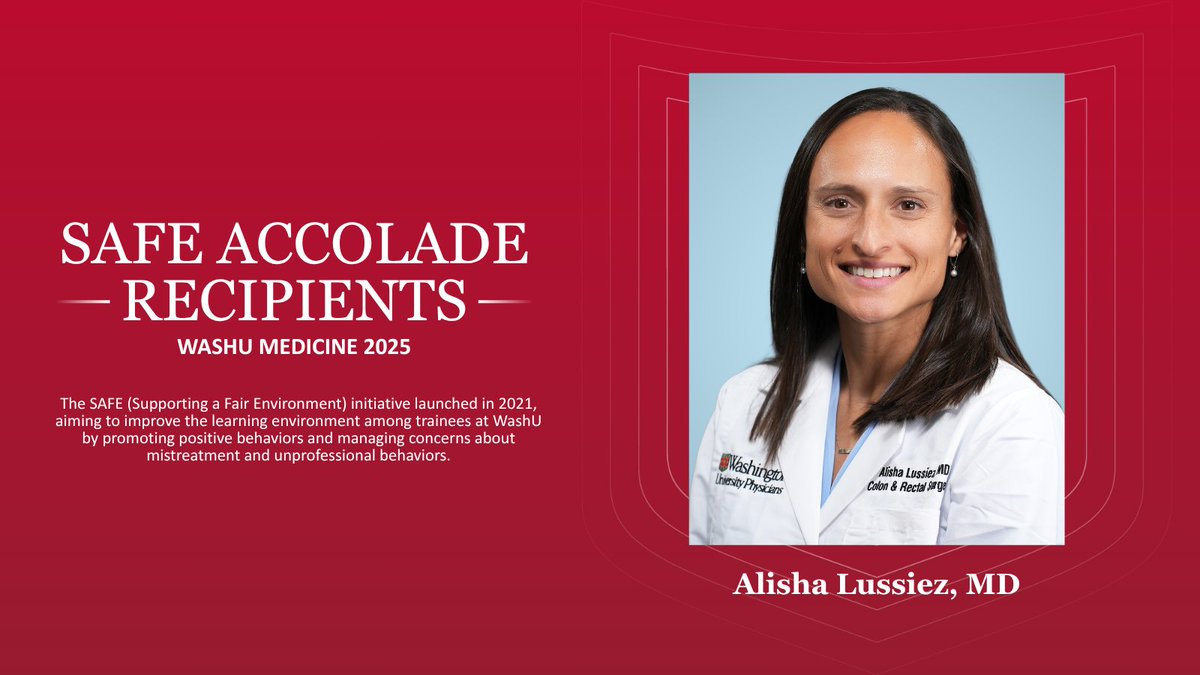
Another familiar face is joining faculty in the Division of Colorectal Surgery: Alisha Lussiez, MD.
Dr. Lussiez did her general surgery residency here and is coming back as a Clinical Assistant Professor now that she's completed her fellowship. Welcome back!
Please consider donating to Ronald McDonald House Charities, who are helping me run the 2025 Chicago Marathon! Great folks doing great work for families! https://t.co/EQ4nvqn8IH
Congratulations to Alisha Lussiez, MD, who received a SAFE accolade this year! Check the story in the link below for a full list of recipients from our department.
https://t.co/Khu2TuN5f6
#WashUMedicine#WashUSurgery
@FilipinoSurgeon@JAMASurgery Potential interventions to improve patient outcomes based on these data include: hiding snakes in the scrub sink and prank calls into the OR saying that anesthesia has cancelled the surgeon’s next case because the patient added a drop of cream to their morning coffee…
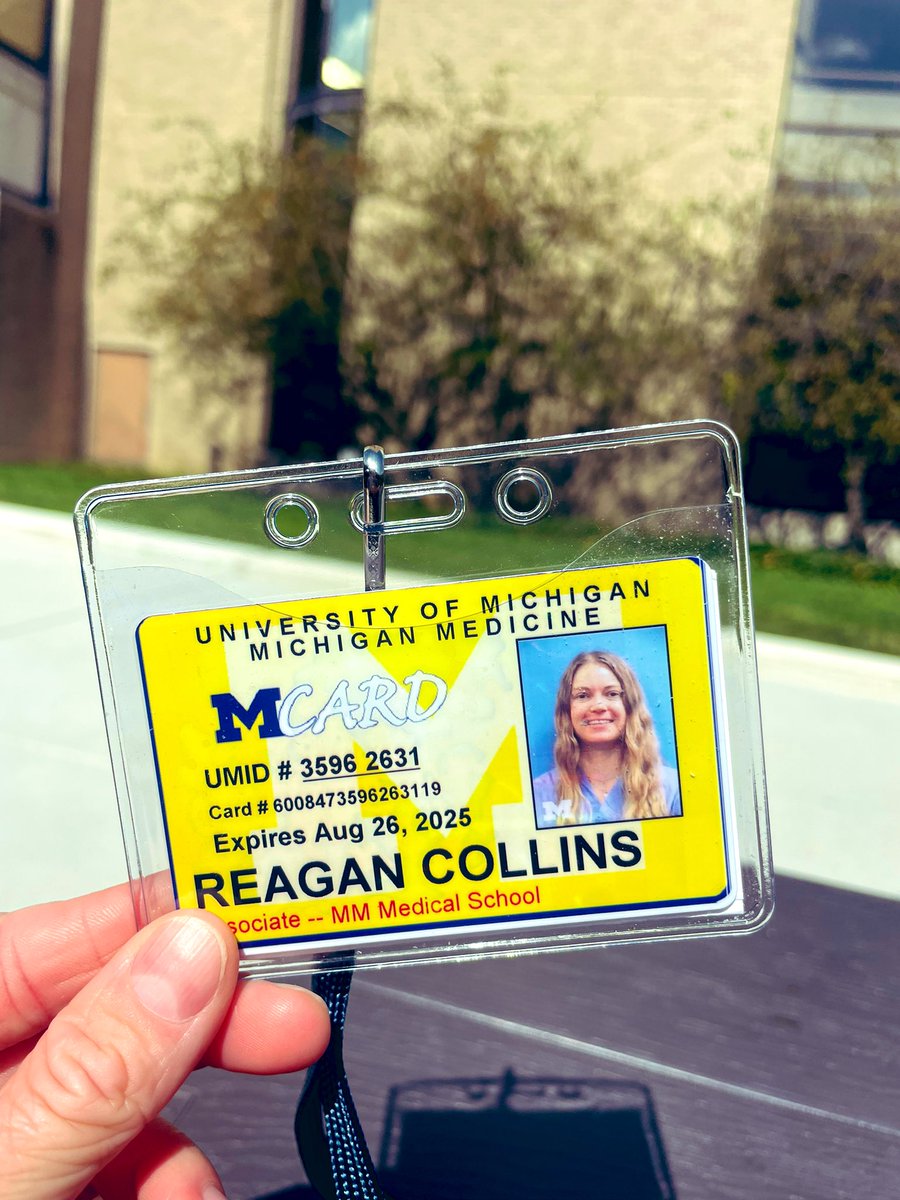
Fell off my bike on the way to the hospital the first day and got vomited on the last day but survived sub-i 3/3 ☑️ Thanks @UMichSurgery for another great month of learning ft. The Big House! #goblue