Messianic Television Personality, Biblical Hebrew Roots Teacher and Historian, Torah Keeper and Author of The Chronological Gospels. Prepare for #ARoodAwakening
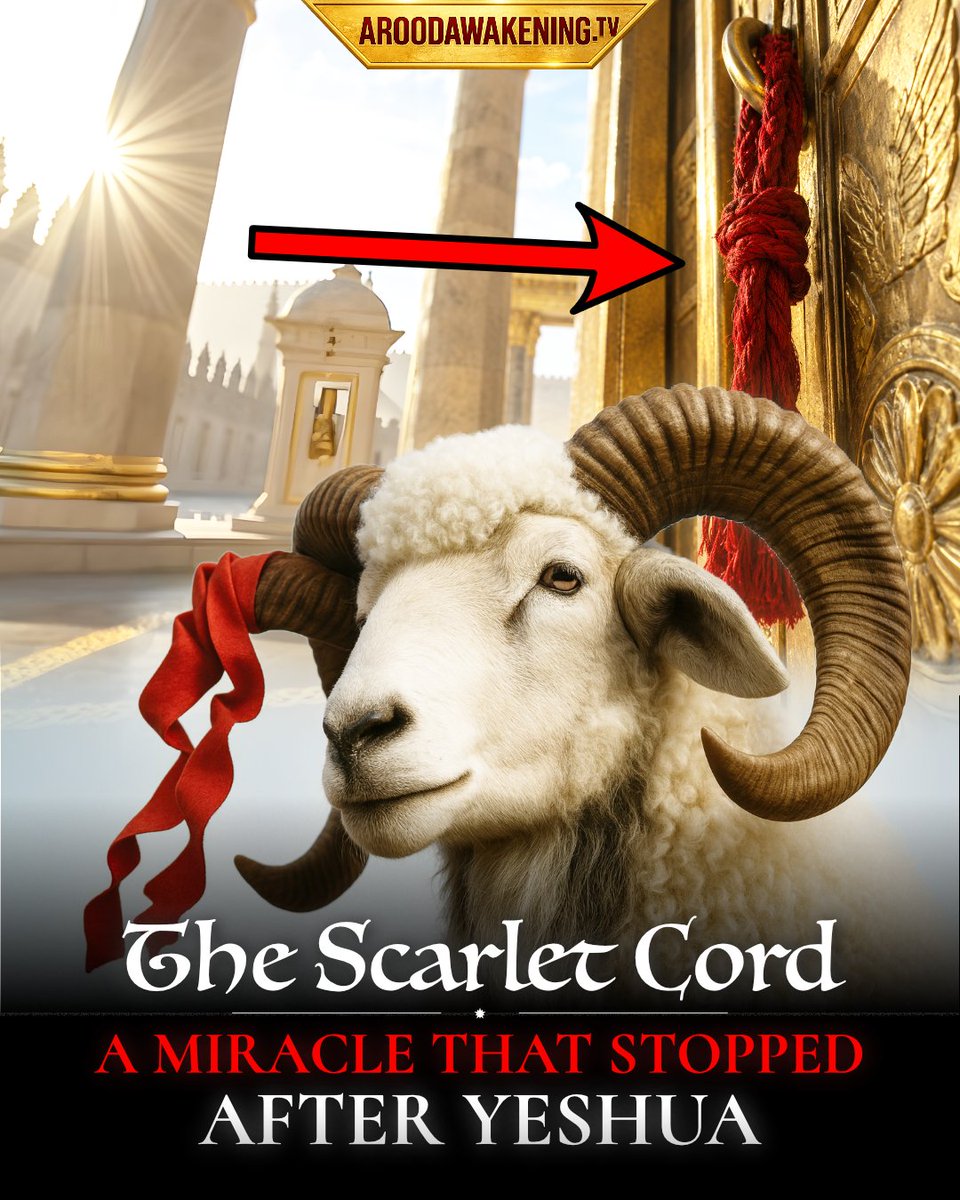
For centuries, in the service of Yom Kippur, the Day of Atonement, the scarlet cord would miraculously turn white as a sign of purification: that which was red had to become white, a powerful image of the atonement for sin. But the Talmud records something profoundly significant: during the forty years preceding the destruction of the Second Temple, the cord stopped turning white. Scripture had already announced this image: “though your sins are like scarlet, they shall be as white as snow” (Isaiah 1:18). From a Messianic perspective, this event takes on an extraordinary prophetic weight, as it coincides with the year Yeshua gave His life. This sign points to a greater reality: the atonement that the sacrifices foreshadowed was reaching its definitive fulfillment. For bulls and goats could point toward atonement, but they could not accomplish it eternally. Yom Kippur was a shadow; Yeshua is the fulfillment. He entered not with the blood of others, but by laying down His own life; not to repeat the sacrifice year after year, but to offer Himself once and for all. The scarlet cord reminds us that sin demands atonement, but the blood of the Messiah proclaims that the price has been paid. The blood that could not be replaced by rituals found its fulfillment in the Lamb. Blessed be Yeshua HaMashiach, our High Priest and our perfect sacrifice: by His blood we are cleansed, by His death we have life, and by His renewed covenant we have hope in YeHoVah, the God of Israel. To Him be all the glory, forever and ever!
First-century believers understood that the Messiah's return was not an event that could happen randomly at any given moment.
Instead, biblical prophecy establishes specific legal prerequisites and conditions that must be completely fulfilled before His arrival. Because God has given His divine word, He is bound by His own decree and will not act contrary to it.
Consequently, the Messiah cannot and will not return until every required event has taken place. God upholds these prophetic mandates with the very same power that created the heavens and the earth. Therefore, understanding these prophetic conditions is crucial for recognizing where humanity stands in the timeline of the end times.
For years, many people have repeated a statement almost as if it were written directly in the Bible:
“Abraham was the first Jew.”
But there’s a problem…
When we go back to the historical and biblical context, we find something very different.
Abraham is identified as a Hebrew. He lived long before the Kingdom of Judah existed and centuries before his descendants would historically be identified as Jews.
So why do we keep placing an identity on Abraham that belongs to a much later historical context?
And this leads us to an even deeper question.
Scripture speaks of one Torah for the Israelite and for the stranger who dwells among them. Yet over time, traditions and distinctions arose that separated what the biblical text presents under the same instruction.
That is why it is so important not to build our understanding of Scripture solely on statements we have heard our entire lives.
We must return to the text.
Return to the context.
And examine what the Bible actually says.
Because a tradition can be repeated for generations… but that does not necessarily make it true.
📷 Was Abraham a Jew or a Hebrew? And what implications does that distinction have for our understanding of Israel, Gentiles, and the Torah?
Tell us what you think in the comments.
Scripture places two paths before us: life and death, blessing and destruction.
Choosing life is not merely about wanting to live—it means loving YHVH, listening to His voice, obeying His commandments, and holding fast to Him.
The uncomfortable truth is that our choices reveal which path we are actually walking, regardless of what we claim to believe.
Deuteronomy 30:19–20 leaves no room for neutrality: choose life, that you may live.
Read the full blog and discover what it truly means to choose life according to Scripture.
👉 https://t.co/uAbjjdlkOA
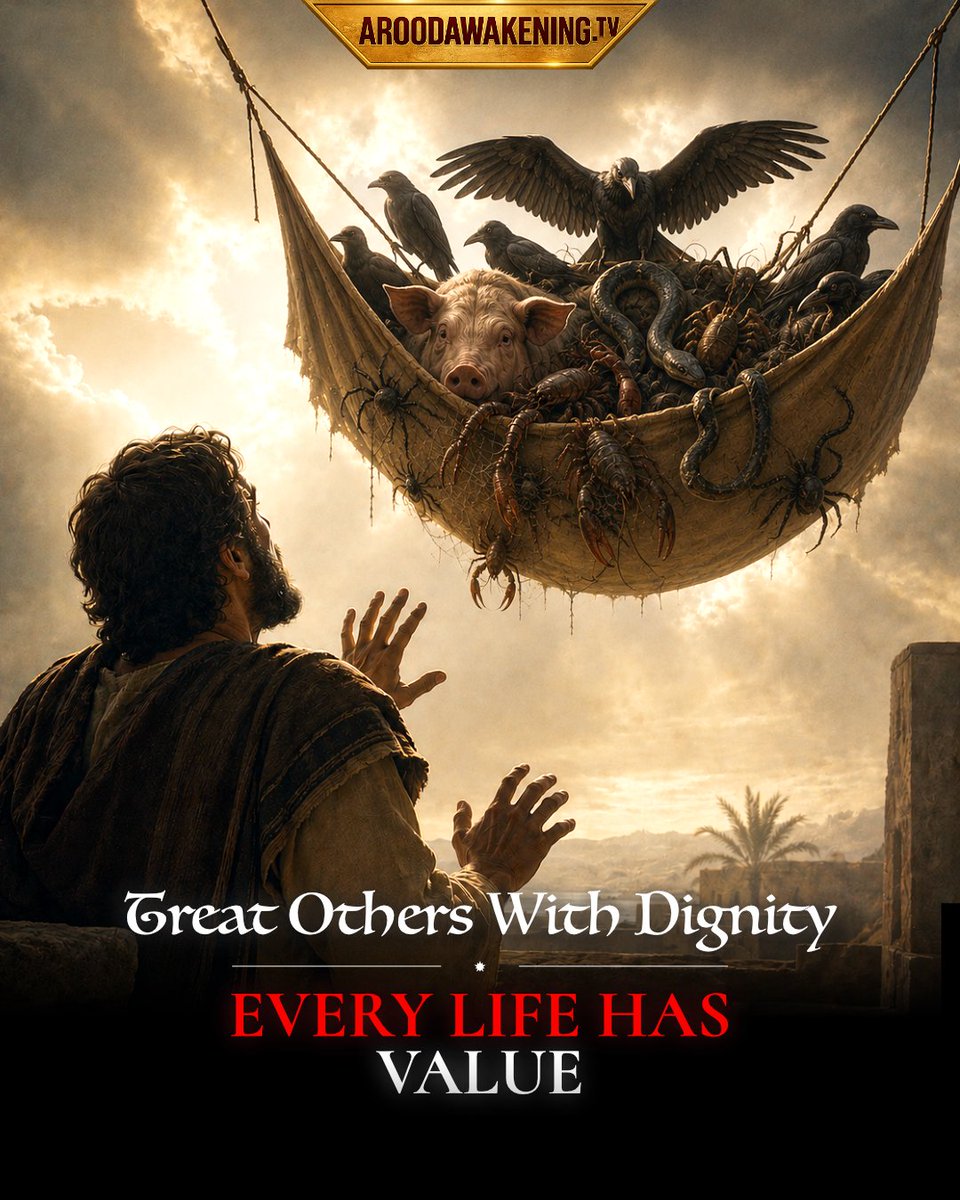
Have you ever wondered how Yehovah expects us to treat people whom society considers less important, different, or unworthy?
Scripture gives us surprising examples—Ruth, Rahab, the Roman centurion, and Cornelius—showing that a person’s background, past, or social position does not determine their worth before God (Deuteronomy 21:10–14; Ruth 2; Matthew 8:5–13; Acts 10:1–48). These stories remind us that we can stand for truth and correct what is wrong without humiliating or despising the person in front of us.
Peter came to understand a powerful truth: “Of a truth I perceive that God is no respecter of persons” (Acts 10:34), revealing that God does not judge people according to the distinctions and labels we so often use.
What would change in the way we treat others if we learned to see people as God sees them?
Read the full article and discover how treating others with dignity can reveal far more about our faith than we might realize.
👉 https://t.co/d0KxU6ZPzY