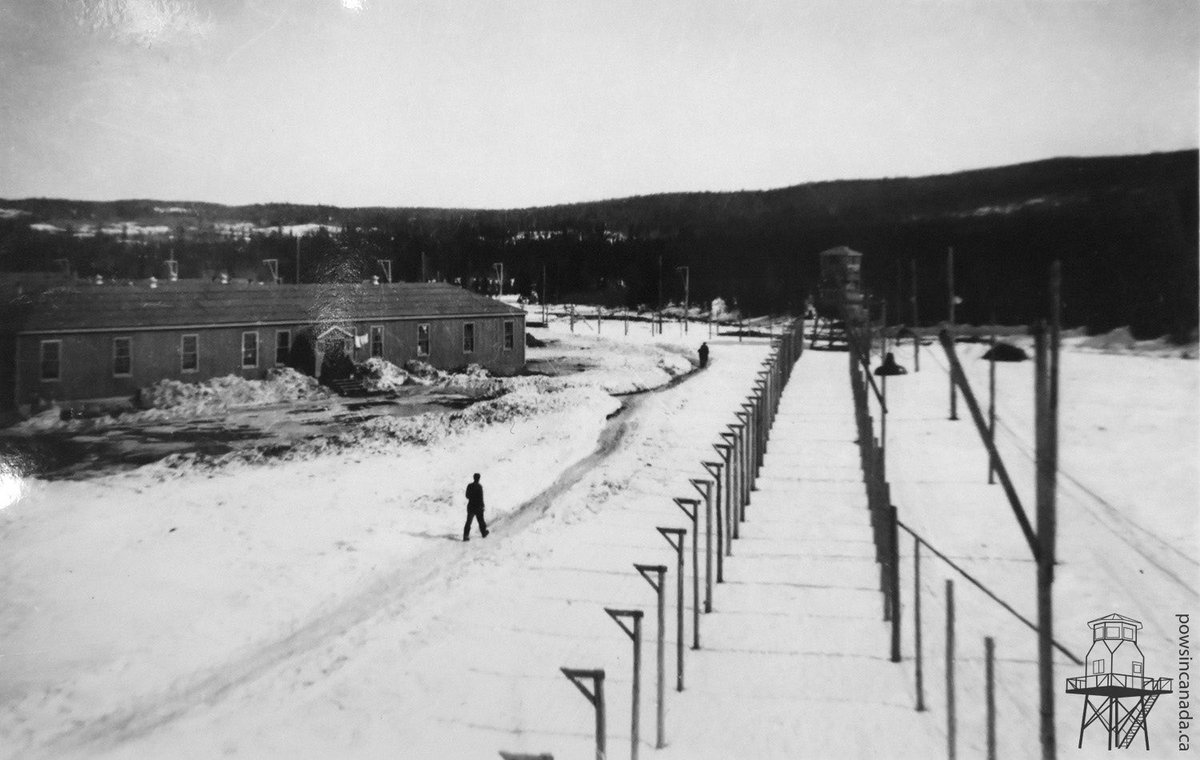
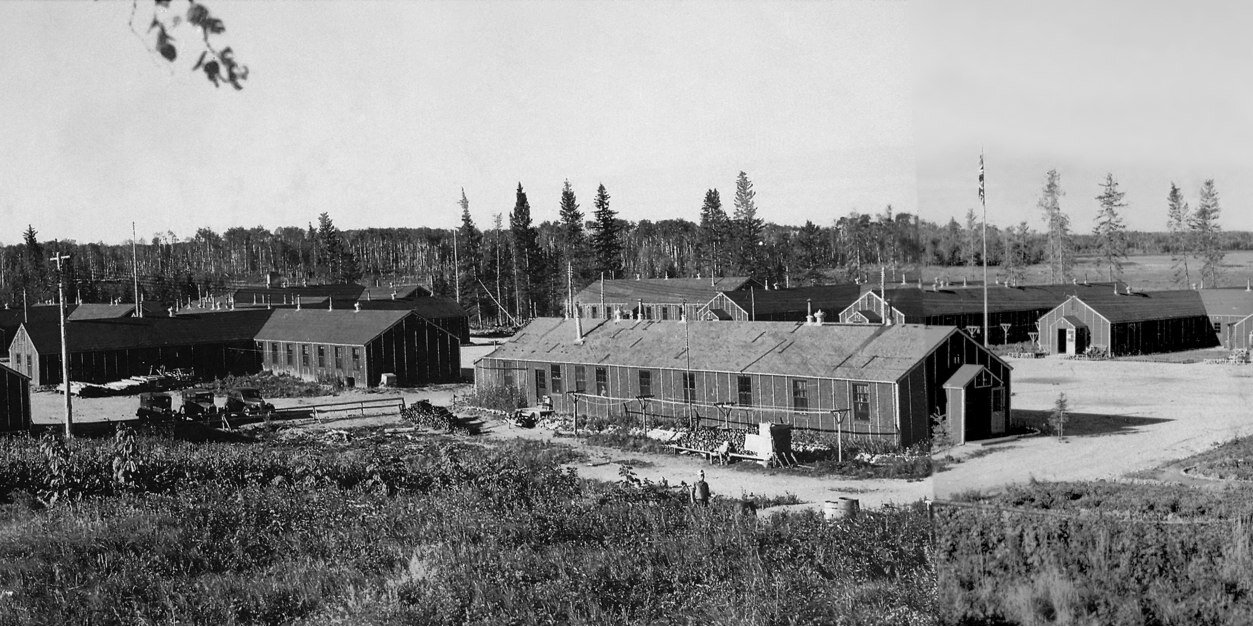
On this day in 1941, guards posted at Prisoner of War Camp X (Angler) in Northwestern Ontario made a troubling discovery: the prisoners had staged what would become the largest escape from a Canadian internment camp during the Second World War. #pow#wwii#escape
Twenty-eight prisoners made their way out of the camp through a tunnel leading from one of the barracks to a spot behind the barbed wire fences. It would take six days for all the prisoners to be recaptured, two of whom managing to make it as far as Alberta.
Looking to learn more about prisoners of war in Canada? You can now find detailed descriptions and photo galleries of each of the 28 locations used to detain German and Italian civilian internees, Enemy Merchant Seamen, and combatants.
https://t.co/szKQ8ufjWf
#homefront article of the week: @michaelsohagan unearths the vital history of Camp 100, a Canadian #WWII facility that interned people of Japanese descent AND Nazi POWs. How to memorialize such an immensely important site? @OntarioHistory @westernuHistory https://t.co/sZuF7f7iY8
@OTDCanMilHis I never expected to see my very small hometown mentioned on here. I’ve been past the memorial that bears his name countless times but this is the first picture of him I’ve seen. Thanks for sharing Brad!
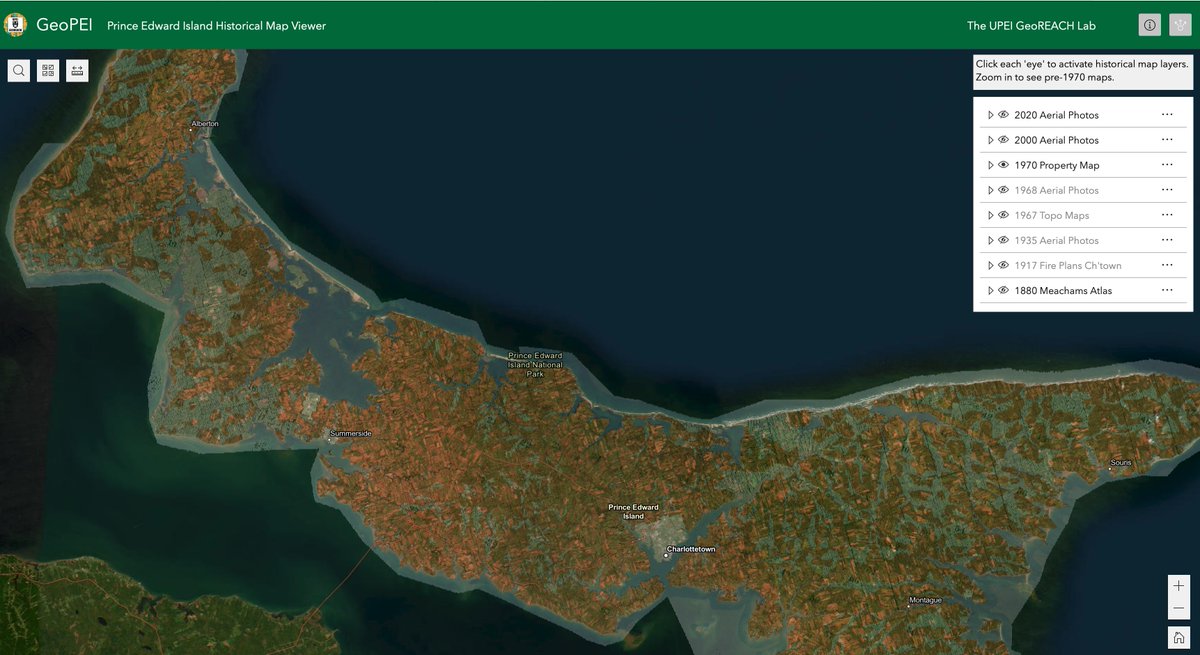
Happy to launch the new "GeoPEI" historical map viewer today. We will be adding new features in the months ahead. Let me know what you think.
The link is on the @UPEIGeoREACH Lab home page. Enjoy! (https://t.co/SN4chccQQQ) #peipoli#envhist#hGIS
The POWs remained at Clearwater until the camp closed in July 1946. For more information and photographs, check out my new post here: https://t.co/9t1yXSMqMV
In mid-December 1944, a small group of German POWs began working for Swanson Lumber Co. at the first - and only - logging camp to employ German POWs in British Columbia. #envhist#bchist#logging#WWII
With no barbed wire fences or guard towers surrounding the camp, the POWs turned to their surroundings for recreation. The skis seen here would have been acquired from civilian employees or through mail-order catalogues.
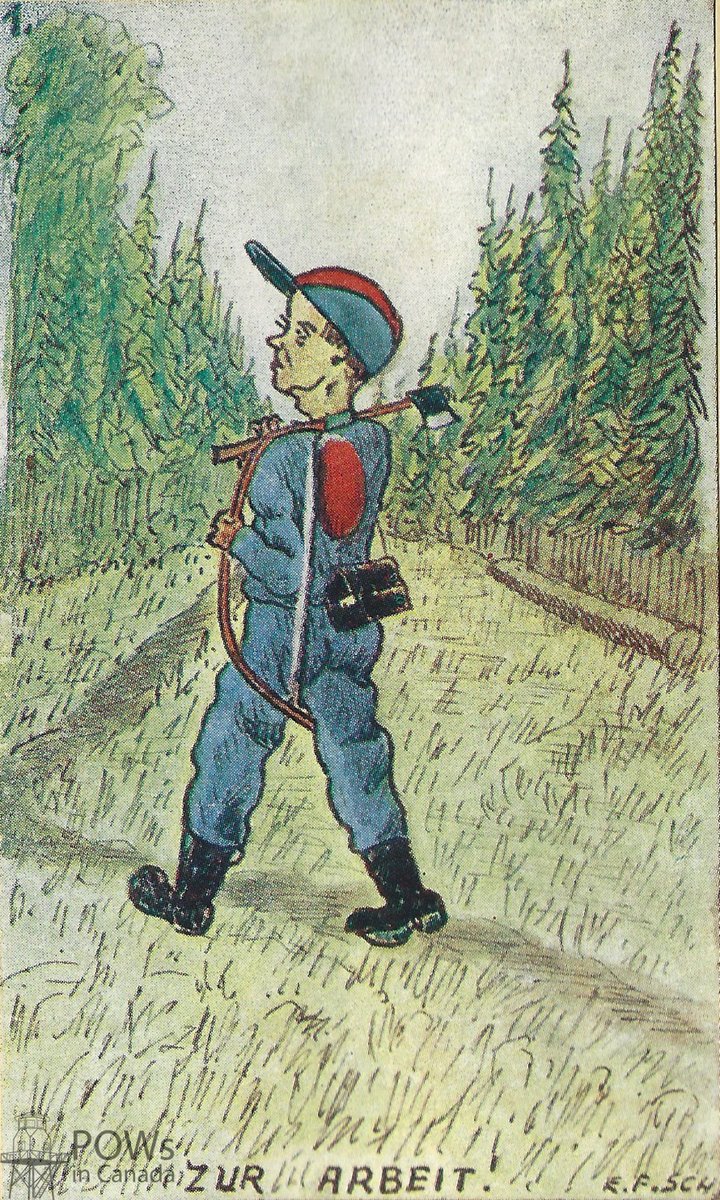
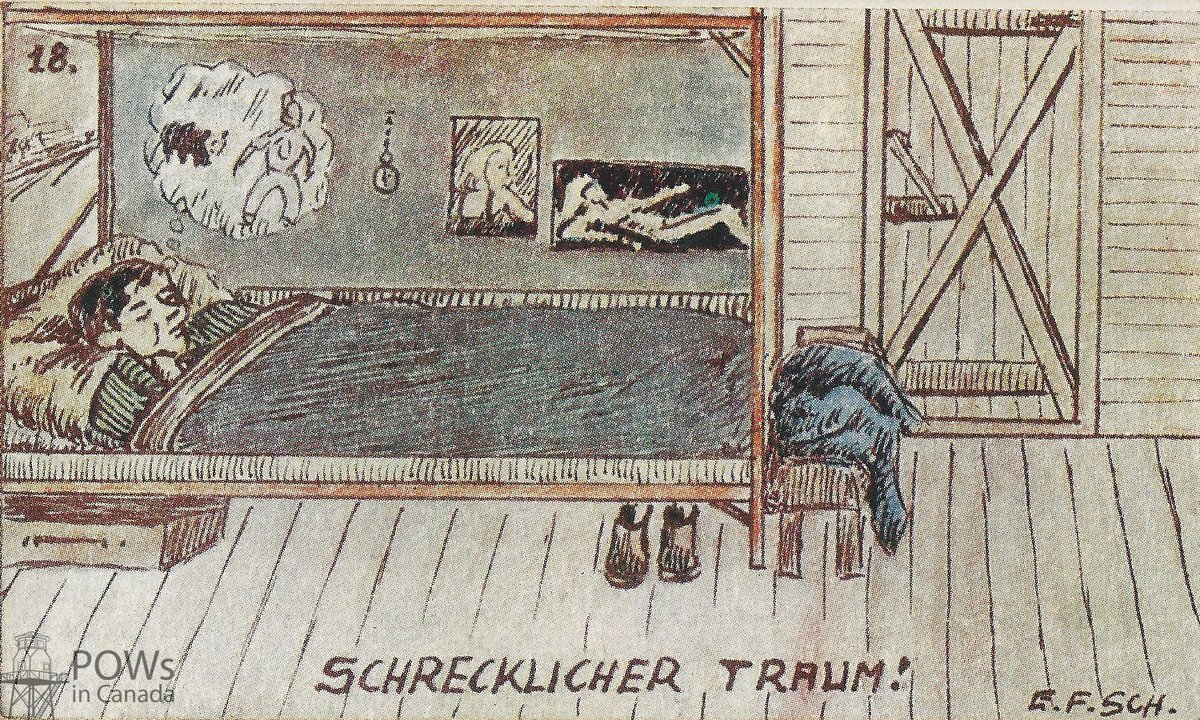
By April 1946, almost 9,000 POWs were employed in the pulpwood industry in #Ontario. One POW, known only as "E.F. Sch." produced a series of eighteen cartoons depicting life in one POW bush camp, believed to be near @NeysProvPark. Here are some of his cartoons:
With lights out, the POWs go to sleep before resuming the work once more tomorrow. But the day is not over for some, like this POW, who is apparently reliving his earlier encounter with a bear.