Policy Specialist - Digital Health at UNDP. Doctor & public health professional. Contributing my efforts to improve health equity worldwide. Tweets are my own.
Current clinical AI systems primarily predict and estimate clinical status and outcomes, but they do not support clinicians in decision making about how best to help patients.
A new Comment advocates for transitioning from predictive to navigational AI in clinical medicine: https://t.co/hgwzuQUlOM
Superhuman interpretation AI for medical images, such as mammography and endoscopy, has been proven to improve diagnostic accuracy in multiple randomized trials but mostly not implemented.
But LLMs for clinical decision support have little real world medicine proof, but are getting widely used.
On the lack of compelling evidence that medical AI is improving patient care, and what to do about it, a @NatureMedicine editorial https://t.co/kQiN6L2ai7
Artificial Intelligence and the Right to Health: A Normative Framework for Emerging Health Technologies https://t.co/Vhfcl6YZ9R @UNDP@UNDPHIVHealth@mickeypant
India’s digital health innovation is now strengthening vaccine systems beyond its borders 💉🌏
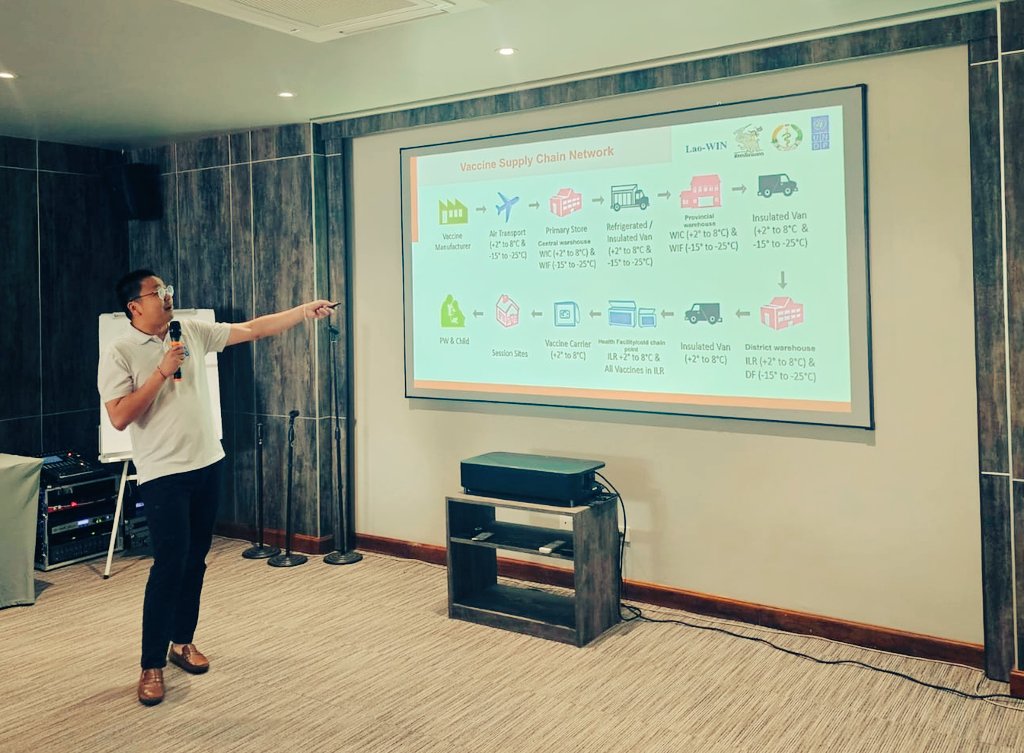
LaoWIN, adapted from India's eVIN platform goes live in Lao PDR 🇱🇦
@UNDP_India and @UNDPLaoPDR are supporting the 🇱🇦 Ministry of Health in building local capacity and developing digital solutions to manage vaccine supply cold chains.
A strong example of South–South cooperation where Global South partnerships drive real and on-ground impact.
@gavi@MoHFW_INDIA@UNDPasiapac@UNDPHIVHealth@UNinIndia
Sharing UNDP experience at #IndiaAIImpactSummit2026. AI should be built around health priorities with governance & clear accountability& human oversight in clinical decision-making. AI must augment health workers, not replace them. We need health DPIs for scaling AI effectively.
𝗡𝗲𝘄 𝗛𝗯𝗔1𝗰 𝗚𝘂𝗶𝗱𝗲𝗹𝗶𝗻𝗲𝘀 (2025 𝗨𝗽𝗱𝗮𝘁𝗲): 𝗔 400-𝗪𝗼𝗿𝗱 𝗖𝗹𝗶𝗻𝗶𝗰𝗮𝗹 𝗢𝘃𝗲𝗿𝘃𝗶𝗲𝘄
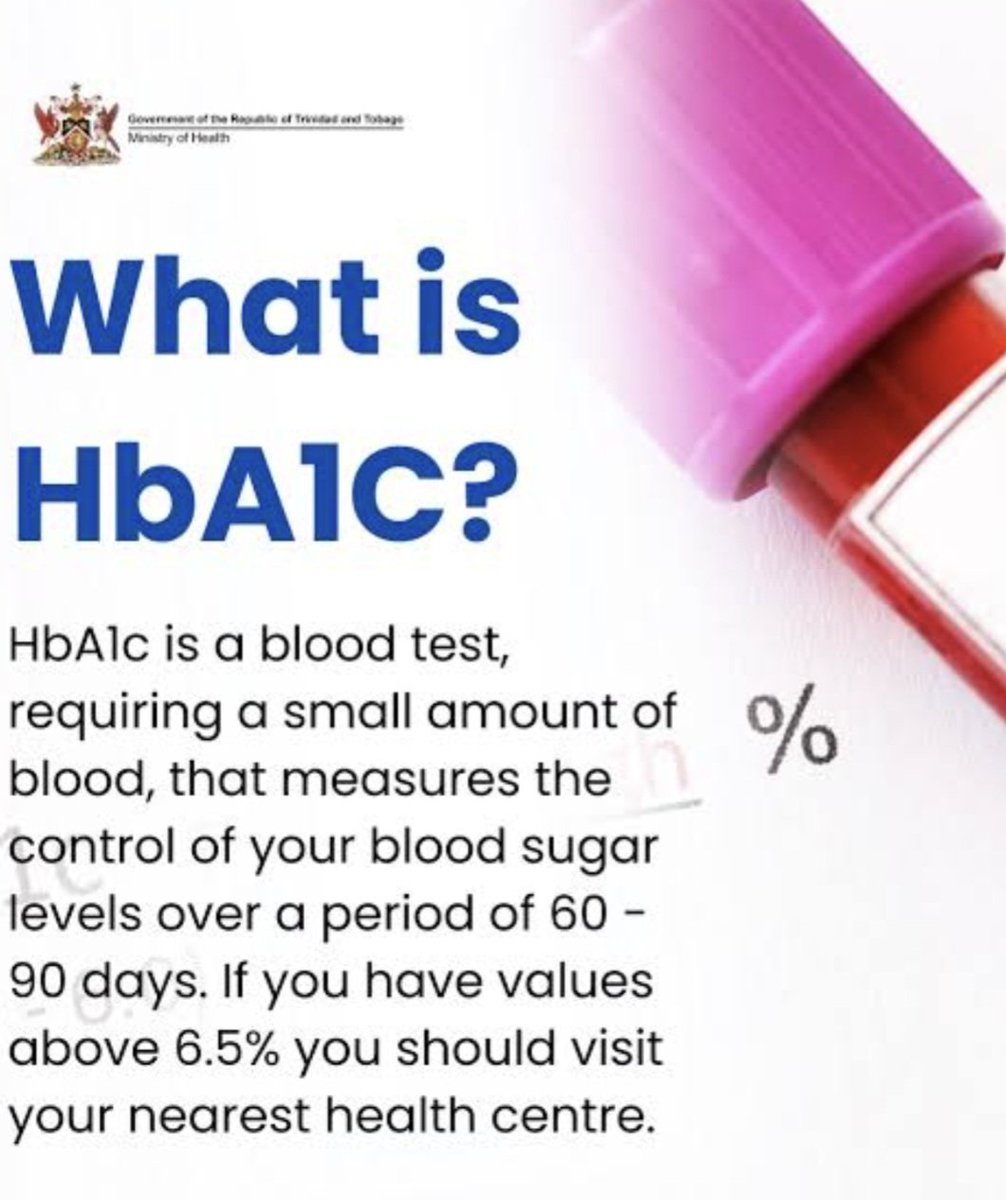
Glycated hemoglobin (HbA1c) remains the gold standard for assessing long-term glycemic control, reflecting the average plasma glucose over the preceding 8–12 weeks. The 2025 Standards of Care released by the American Diabetes Association (ADA) continue to emphasize individualized HbA1c targets while reinforcing its diagnostic and prognostic importance.
Diagnostic Criteria
Diabetes mellitus can be diagnosed using any of the following (preferably confirmed on repeat testing in asymptomatic individuals):
HbA1c ≥ 6.5% (48 mmol/mol)
Fasting Plasma Glucose (FPG) ≥ 126 mg/dL
2-hour Plasma Glucose ≥ 200 mg/dL during OGTT
Random Plasma Glucose ≥ 200 mg/dL with classic symptoms
HbA1c testing should be performed in NGSP-certified laboratories standardized to the DCCT assay.
Glycemic Targets (2025 Recommendations)
1. Non-pregnant Adults:
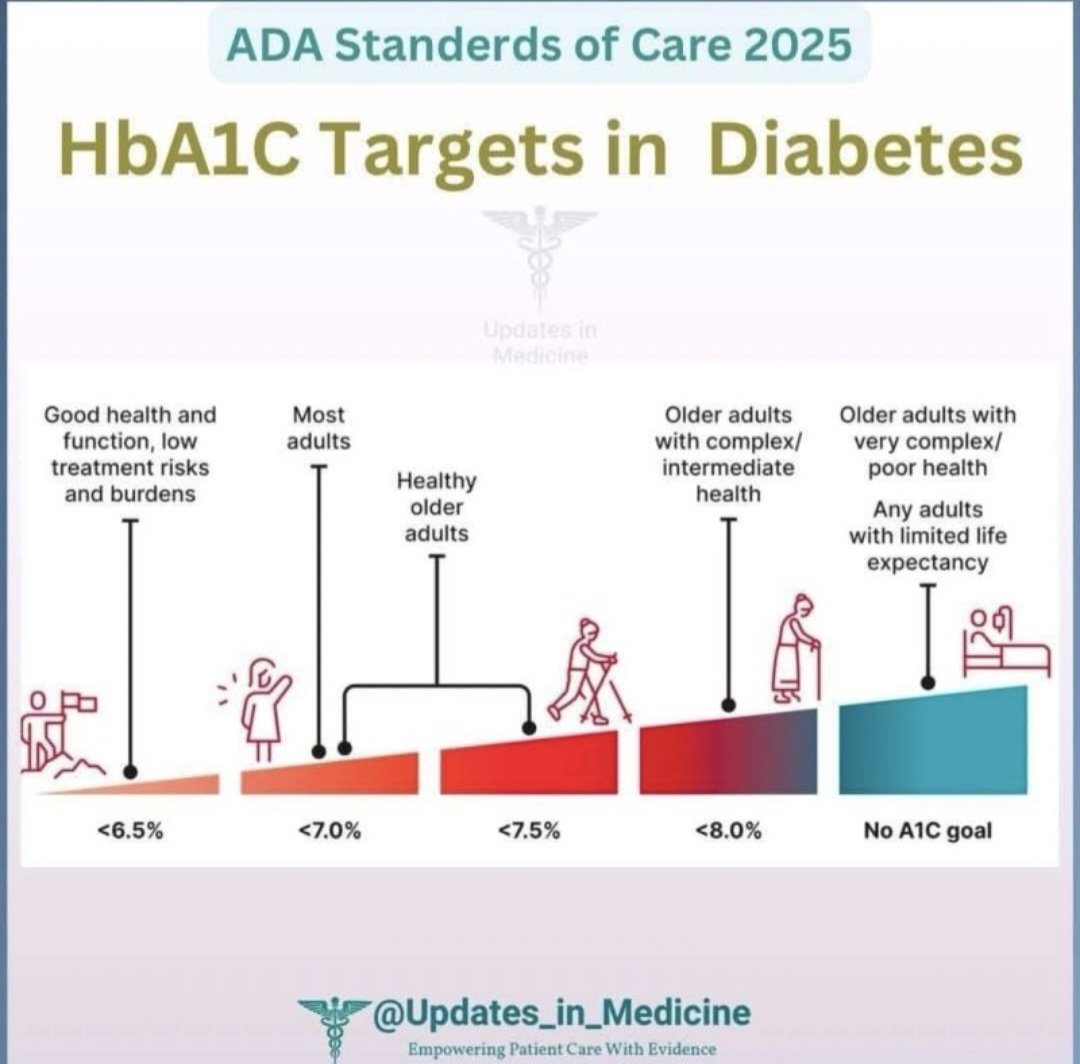
For most adults with type 2 diabetes, the recommended HbA1c target remains <7.0% (53 mmol/mol) to reduce microvascular and macrovascular complications.
2. Children & Adolescents:
A more stringent goal of <6.5% may be appropriate if achievable without significant hypoglycemia. Early tight control reduces long-term vascular risk.
3. Older Adults:
Targets should be individualized:
Healthy older adults: <7.0–7.5%
Complex/intermediate health: <8.0%
Very complex/poor health: Avoid reliance solely on HbA1c; focus on preventing hypoglycemia and symptomatic hyperglycemia.
Individualization is Key
The ADA strongly advocates tailoring HbA1c goals based on:
Duration of diabetes
Risk of hypoglycemia
Life expectancy
Comorbidities (cardiovascular disease, CKD)
Patient preference and treatment burden
Beyond HbA1c
Modern diabetes care increasingly integrates Continuous Glucose Monitoring (CGM) metrics such as Time in Range (TIR) alongside HbA1c. HbA1c alone may be misleading in conditions like anemia, CKD, hemoglobinopathies, or recent transfusion. Therefore, clinical judgment remains paramount.
Clinical Significance
The 2025 updates reaffirm that while HbA1c remains central, a “one-number-fits-all” strategy is outdated. Safer targets for frail elderly patients and tighter control for younger individuals reflect a shift toward precision medicine in diabetology.
📚 References
American Diabetes Association. Standards of Care in Diabetes—2025. Diabetes Care. 2025;48(Suppl 1).American Diabetes Association. Classification and Diagnosis of Diabetes: Standards of Care in Diabetes—2025. Diabetes Care.
World Health Organization. Use of Glycated Haemoglobin (HbA1c) in the Diagnosis of Diabetes Mellitus. WHO Guidelines.
International Diabetes Federation. IDF Clinical Practice Recommendations for Managing Type 2 Diabetes.
#MedTwitter #MedEd #MedX
@IhabFathiSulima @DrAkhilX
Spain will be one of the headquarters of the United Nations Development Programme (UNDP) after the organisation accepted the Government's offer to host about a hundred of the positions transferred from its headquarters in New York.
🔗
https://t.co/lPPcwL52uG
Congratulations to all! A great example of South-South collaboration that we seek to foster. I look forward to its scale up nationwide. @Mandeep_Dh@lucianamermet
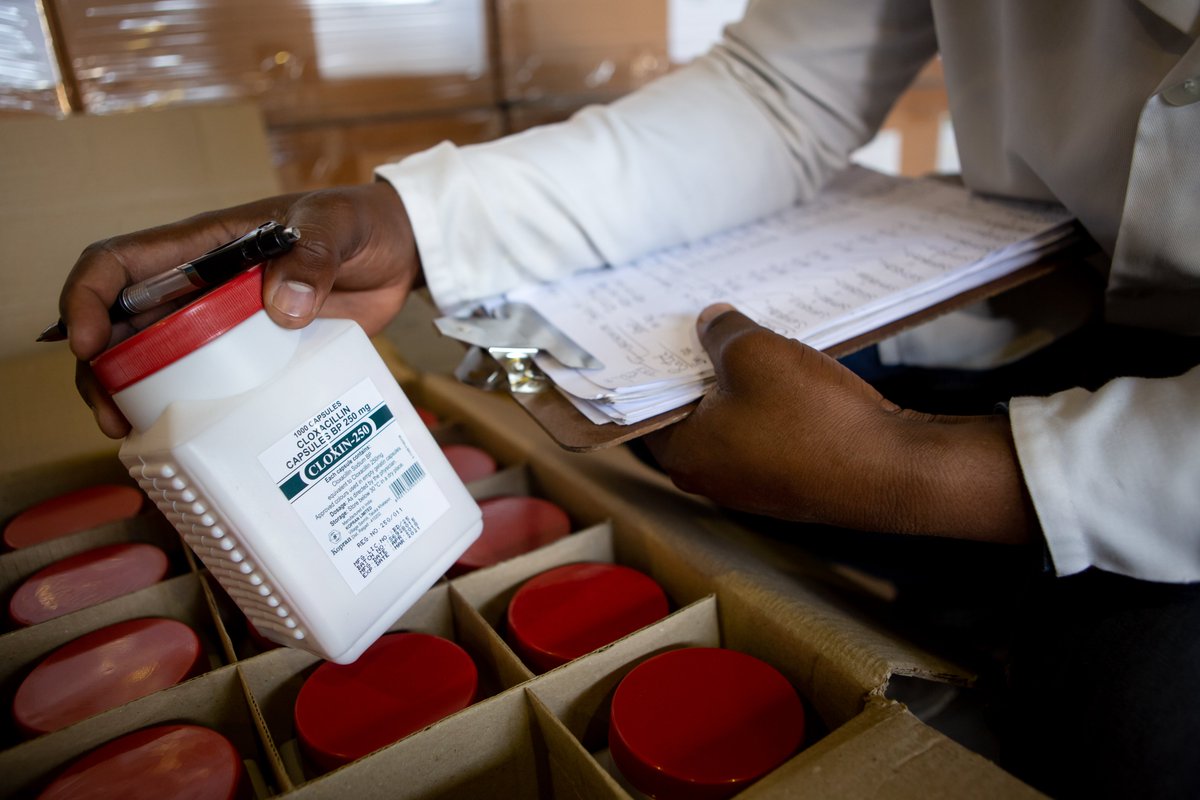
Big milestone for 🇿🇲's health system! Phase I of the eVIN digital solution to track medical supplies is launched!
Developed in 🇮🇳 with @UNDP support, eVIN is open-source & will be nationally owned+ scaled by @SmartZambi84997, @mohzambia + @zammsasocials
https://t.co/sPz4ecmlM3
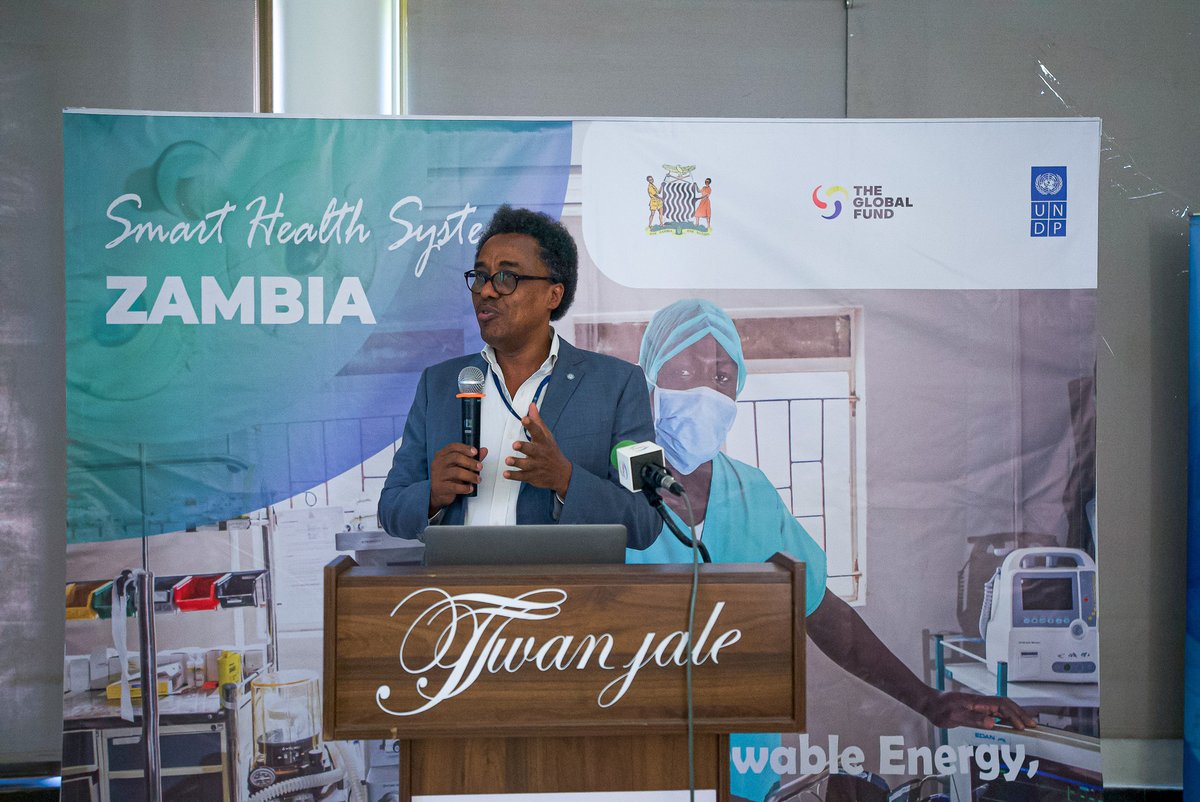
Connected Clinics = Healthier Communities💙🌐
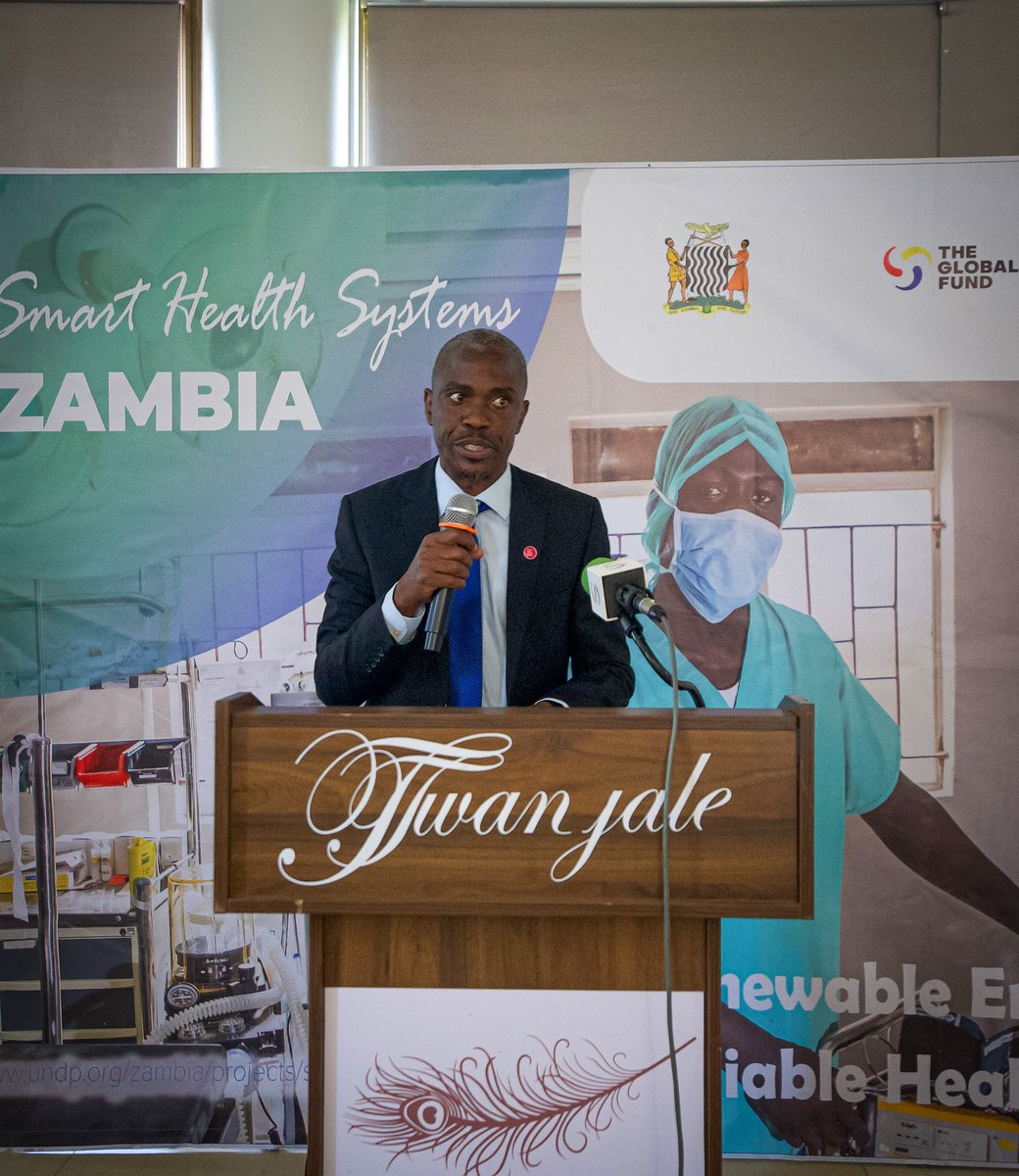
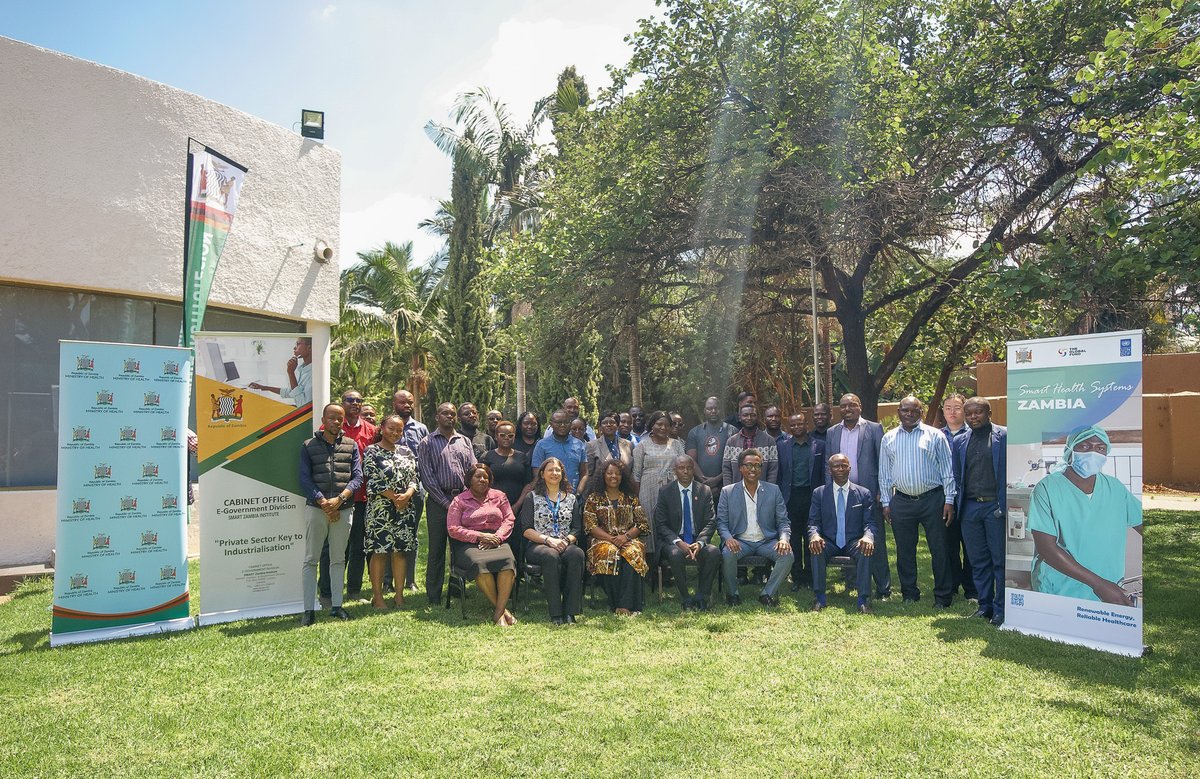
We opened the #SmartHealthSystems Connectivity ToT Workshop with @SmartZambi84997, @mohzambia & support from @GlobalFund.
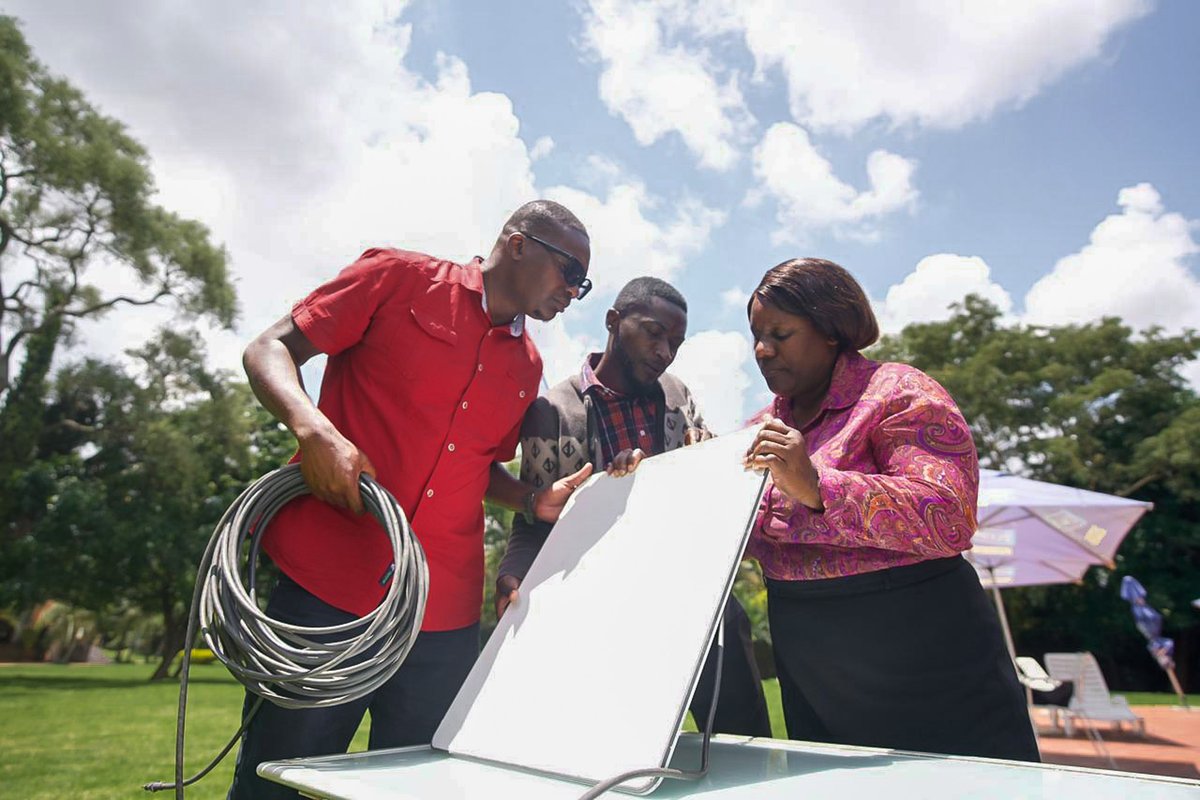
Reps from all 10 provinces are being trained in Starlink, IoT & digital health tools.
https://t.co/CX6FdLxQiG
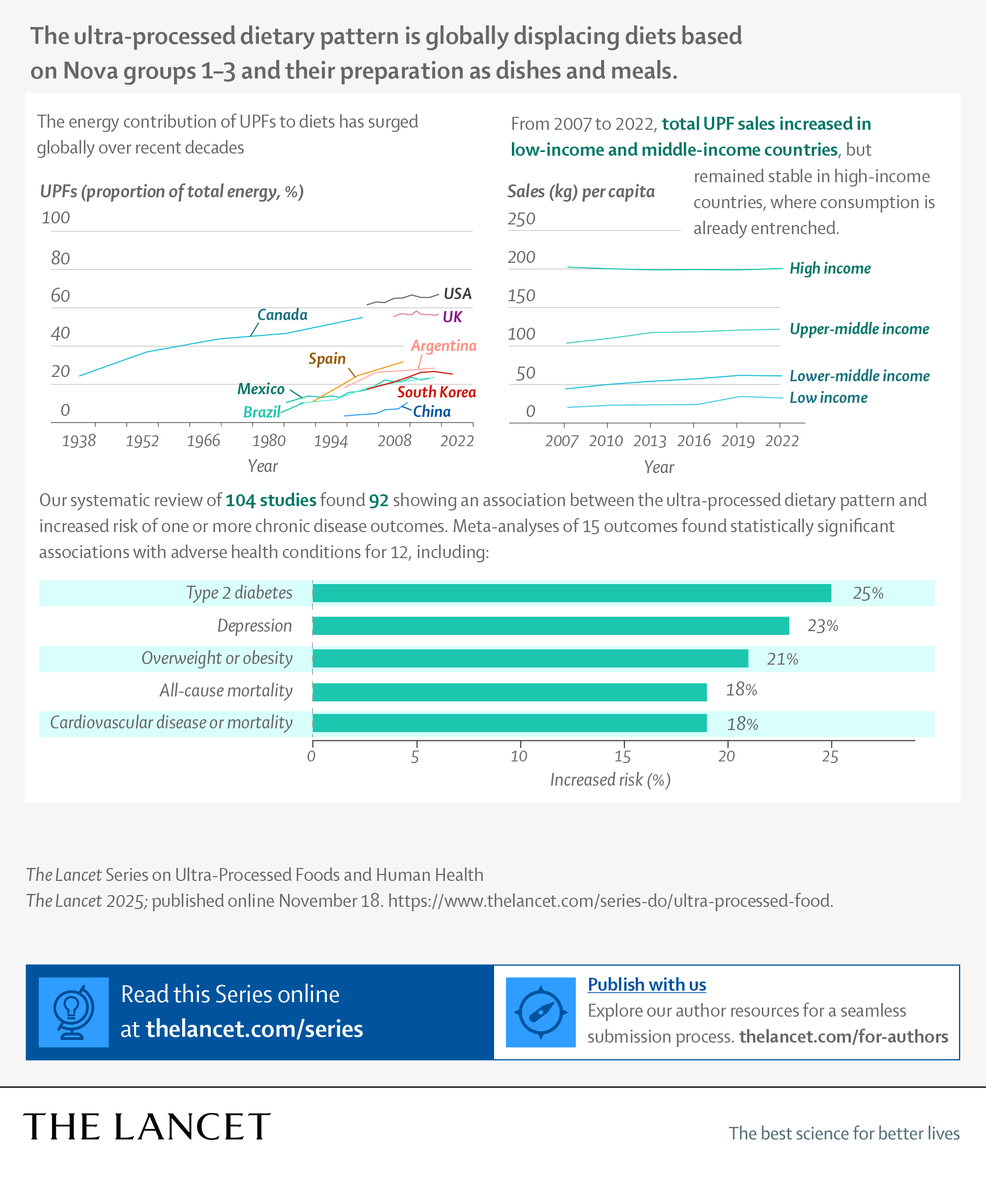
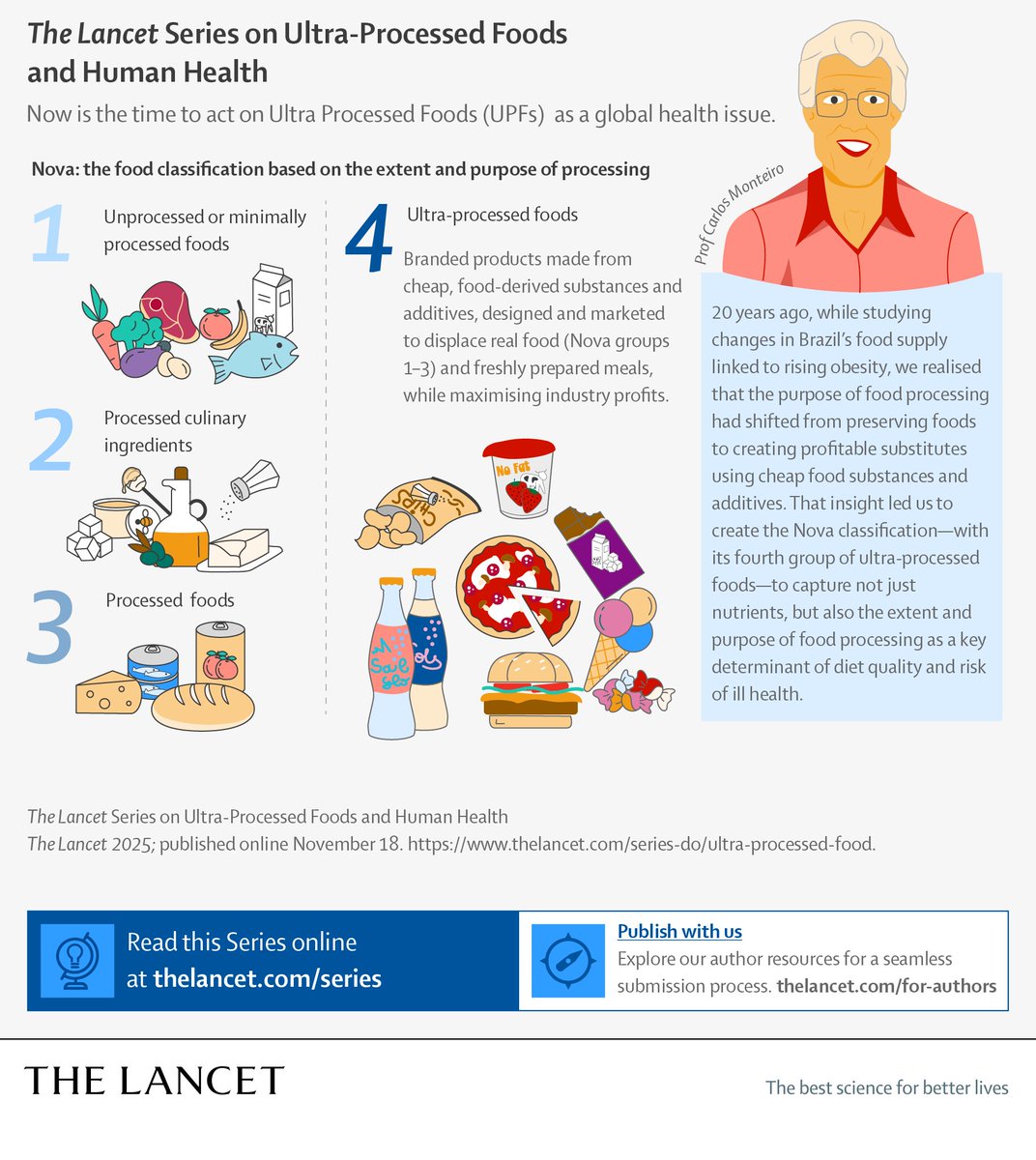
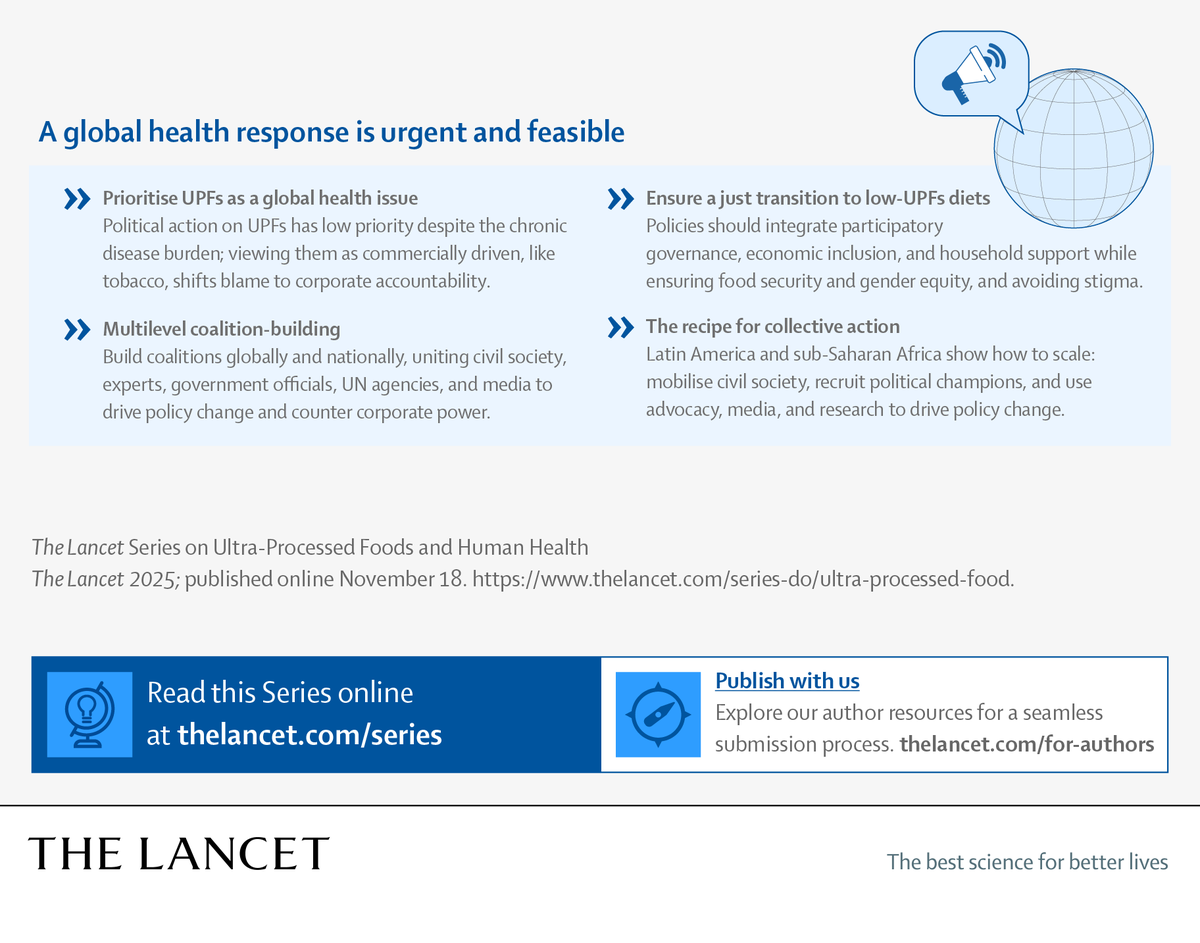
Ultra-processed foods – what’s the impact?
In a new Lancet Series, experts warn a global rise in #UPFs presents a growing public health threat.
Read the evidence & policy recommendations ⬇️
https://t.co/cKavYNYlcQ
1 billion vaccines recorded. 1 billion lives protected.
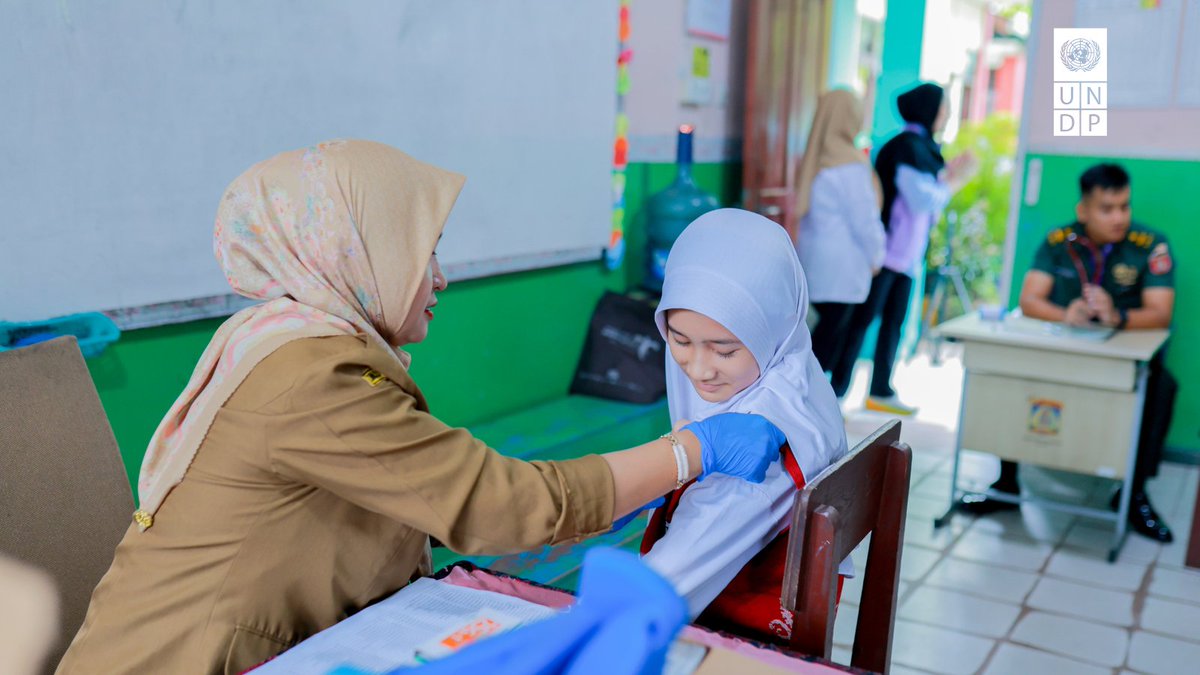
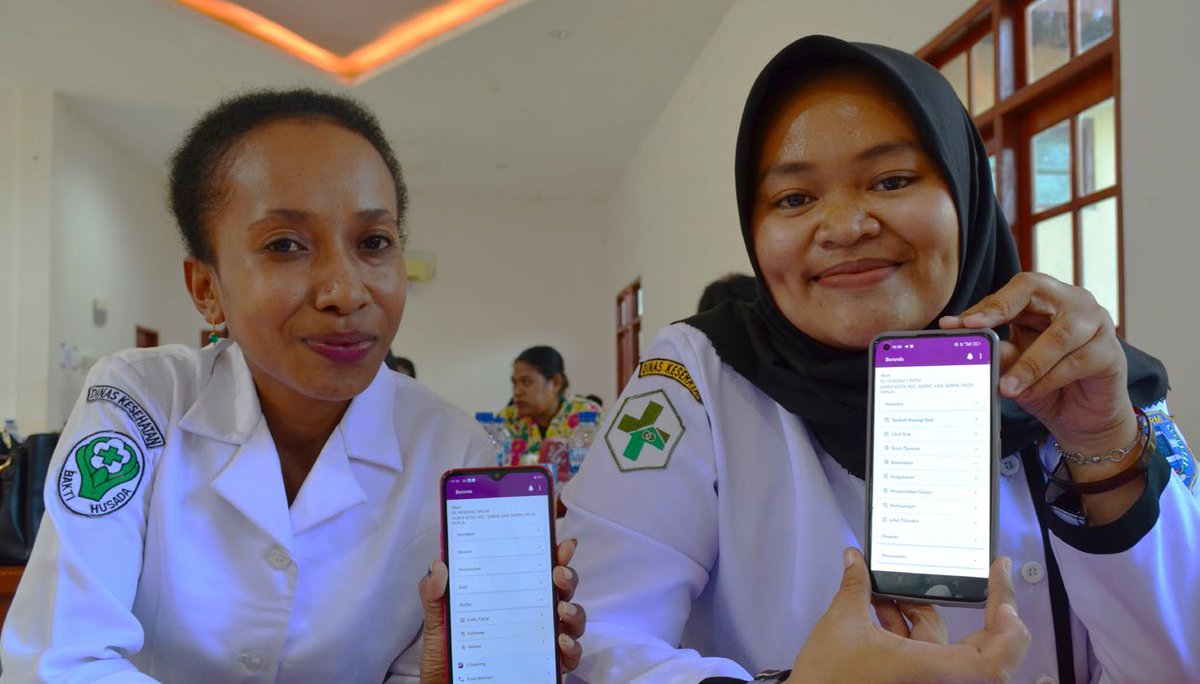
SMILE, an app by @kemenkes_ri & UNDP, supported by @gavi & @GlobalFund, has helped distribute vaccines across Indonesia—from COVID-19 to routine immunizations.
Digital health for all. #SMILE#UNDP#NoOneLeftBehind
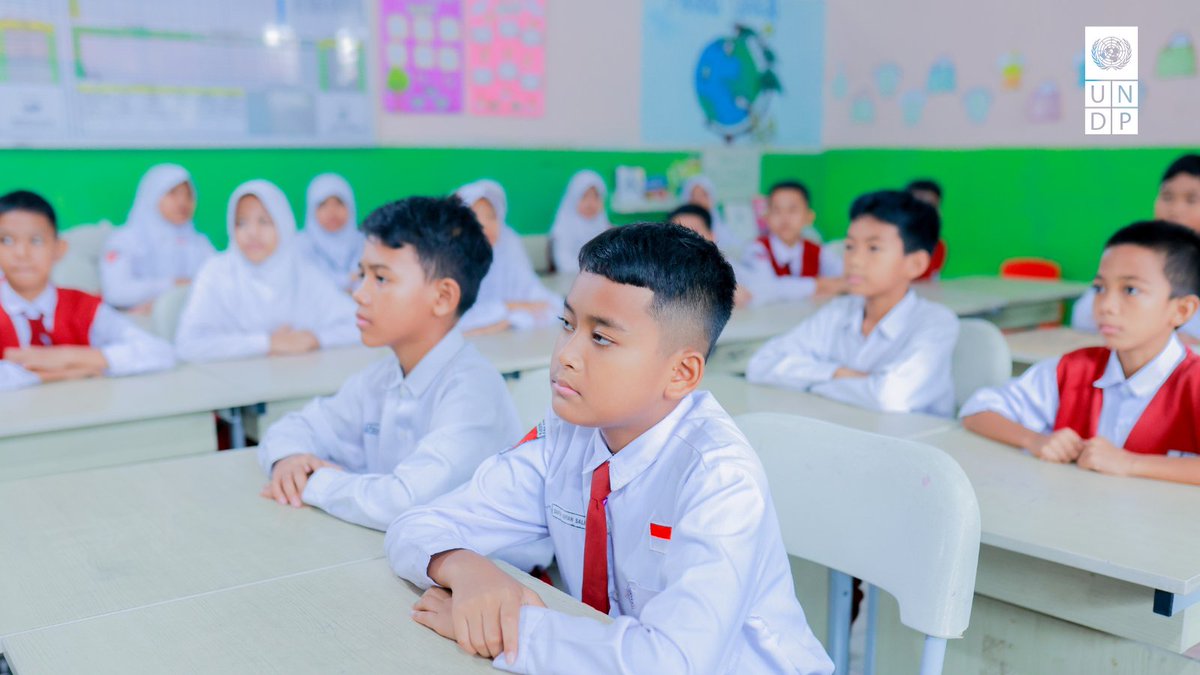
As we celebrated ASEAN Dengue Day on June 15th, let’s revisit a powerful story from Balikpapan, Indonesia—where a classroom of 30 students became the starting point for a groundbreaking health innovation. 🦟 #ASEANDengueDay
Crises erode access to care, jeopardizing women’s health and well-being with lasting consequences.
For #WorldHealthDay, @Mandeep_Dh explains how we can fortify women's health during conflicts, disease outbreaks, climate disasters & discrimination.
https://t.co/3qIAt3dBb8
West Bengal is now part of World's largest Electronic Immunization Registry. U-WIN operational across 36 states and UTs with First training in Cooch Bihar , West Bengal. Congratulations to Health Deparment, West Bengal and Ministry of Health and Family Welfare. #UWIN#eVIN
The @UNDP#DigitalHealth for Development Hub has developed a case study showcasing @UNDPIndonesia's collaboration with the Indonesia Ministry of Health to scale an open-source digital health solution for medical logistics and supply chain management.
The case study provides valuable insights to support South-South knowledge exchange and advance national digital health initiatives.
Read it here: https://t.co/M0njq4IVAS
Vaccines protect the future of humanity!💉
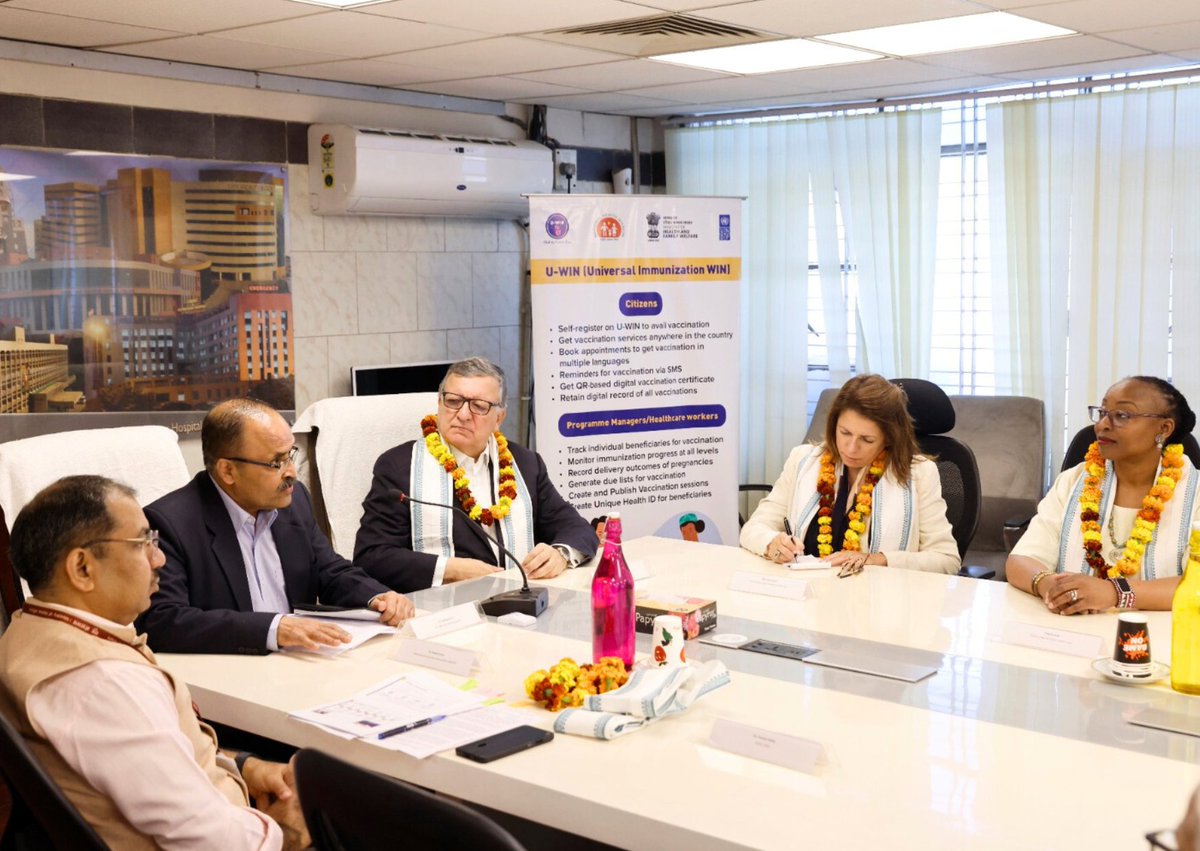
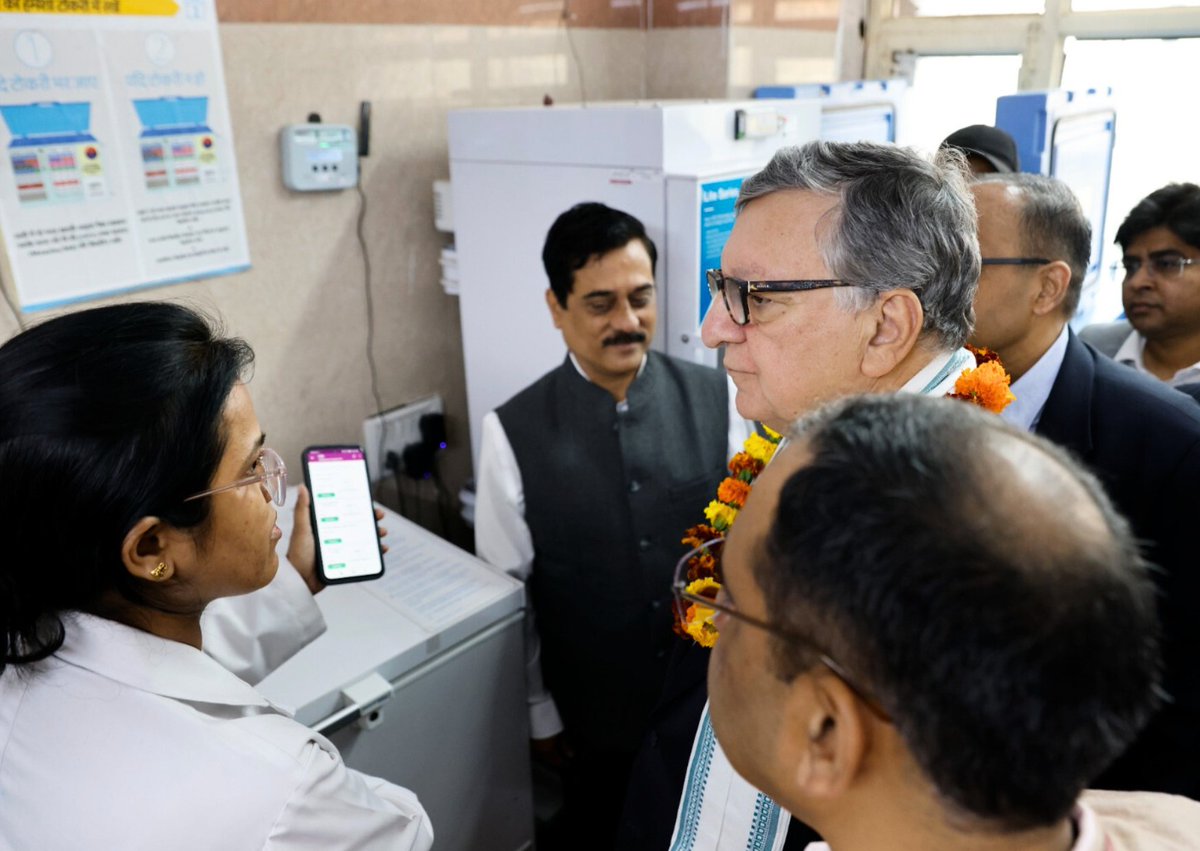
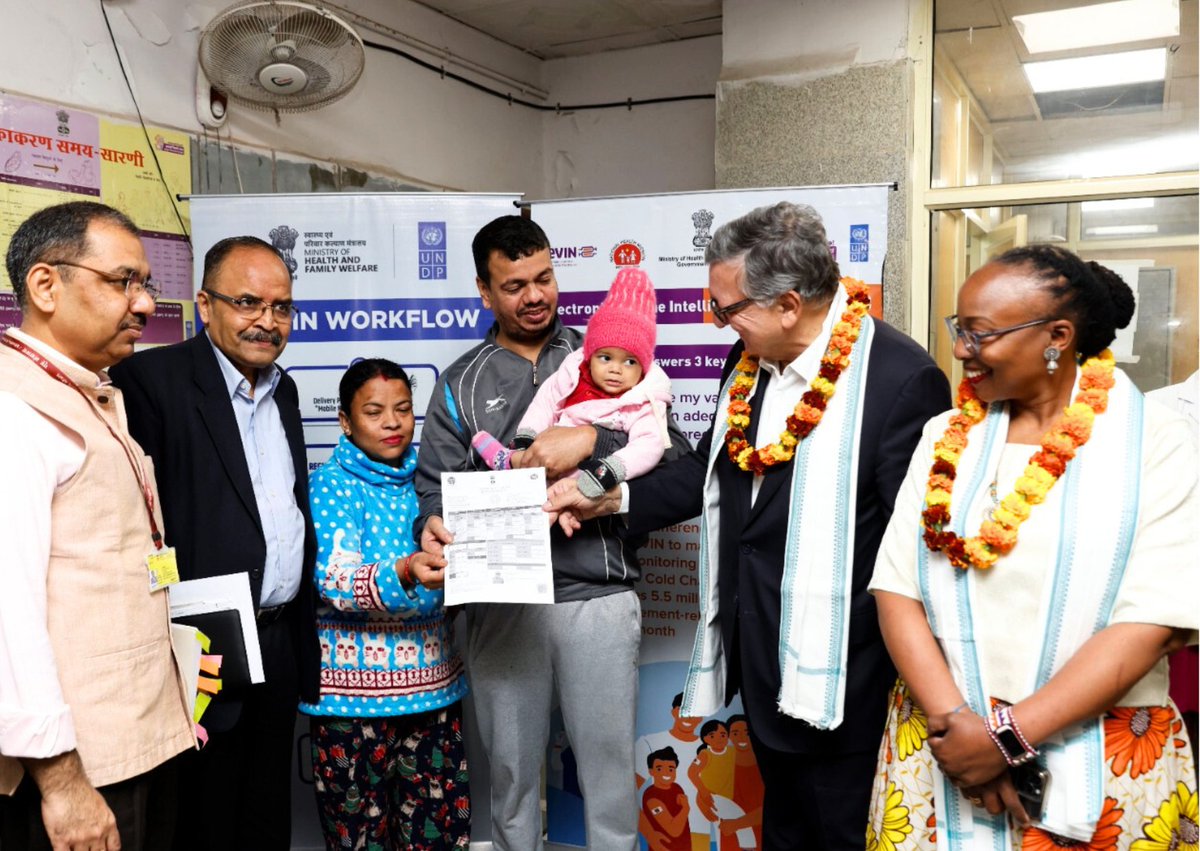
@JMDBarroso, Chair of the Board @gavi, visited @SJHDELHI to witness how digital health platforms like #eVIN & #UWIN are revolutionizing #immunization services. These innovations are ensuring that every child receives life-saving vaccines, protecting them from deadly diseases.
@UNDP_India is proud to collaborate with @MoHFW_INDIA & @gavi in the mission to leave no child unvaccinated & strengthen India's #healthcare system.
#VaccinesWork #DigitalHealth #ImmunizationForAll
@angelalusigi@UNDP@UNDPasiapac@UNinIndia