Dissecting beatmaking, DJing, music production, rapping, and sampling. Articles, playlists, Twitter threads, and @1000spins. Curated/written by @ginosorcinelli.
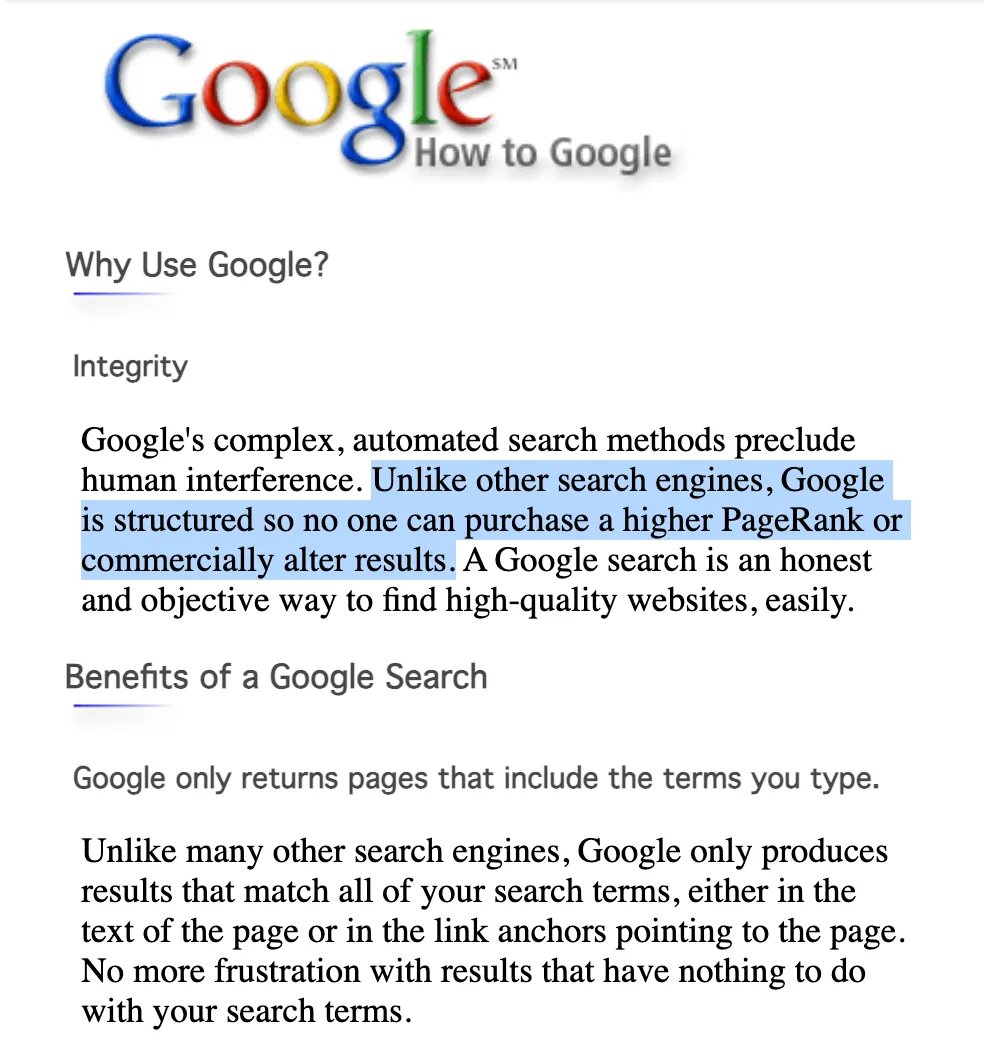
Despite having a multi-billion-dollar net worth, you decided to stop paying artists for songs with less than 1,000 streams (months before giving Joe Rogan $250,000,000). So I made a playlist of 300+ great songs with less than 1,000 streams to give them more visibility and plays.
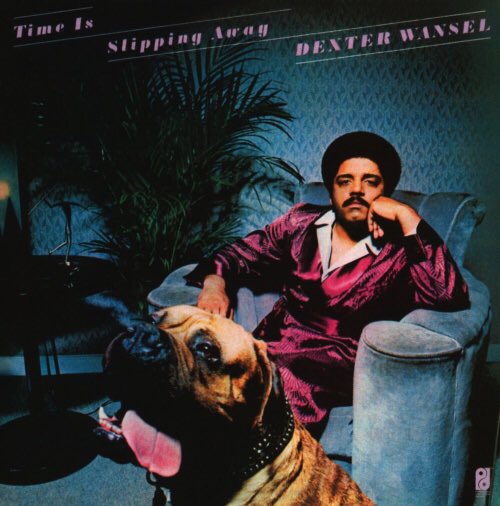
They just don't make full-service polymaths like Dexter Wansel anymore. Philly soul architect, keyboard master, electronic music pioneer, studio rat, Afrofuturist, prolific songwriter, arranger, and producer. We just lost an undeniable giant.
Rest in Power Dexter Wansel
Blacktronika and ArtPhilly send strength, love, and heartfelt condolences to the family of Dexter Wansel during this time.
Grammy Award Winning producer, Dexter Wansel was one of the most important composers and electronic music innovators in modern music, particularly within Black musical traditions. Joining Philadelphia International Records in 1973 as a keyboardist, he became one of the label’s key creative forces, introducing synthesizers such as the ARP 2600, EMS VCS3, and Oberheim Six Voice into its recordings and sonic vocabulary.
His 1976 masterpiece, Life on Mars, remains one of the most groundbreaking and visionary works in the Philadelphia International catalog. Expansive in scope and fearless in imagination, the album opened new possibilities for listeners, merging futurism, spirituality, and electronic experimentation in ways that continue to resonate today. As a composer, Wansel helped shape some of the label’s most enduring recordings, working with artists ranging from Lou Rawls to The Jones Girls, including the timeless classic “Nights Over Egypt.”
His legacy has been expanded by everyone from Rick Ross to Cole to Mobb Deep through sampling.
For the past several months, we had been planning to honor Mr. Wansel with the inaugural Blacktronika Icon Award and a special performance celebrating his extraordinary contributions. The event on June 24 will now serve as a celebration of his life, creativity, and love.
He was our hero, mentor, and guiding light. He now joins the ancestors, leaving behind a body of work that will continue to inspire generations to come.
See you in the cosmos, Mr. Wansel.
https://t.co/47ETDpPHkA
During a hiatus from recording music, Rollins was spotted at the Williamsburg Bridge almost every day, no matter the season, practicing his saxophone. This experience inspired him to create an album titled 'The Bridge,' released in 1962.
Here's a thread about Sonny Rollins' connection to the Williamsburg Bridge. 🧵
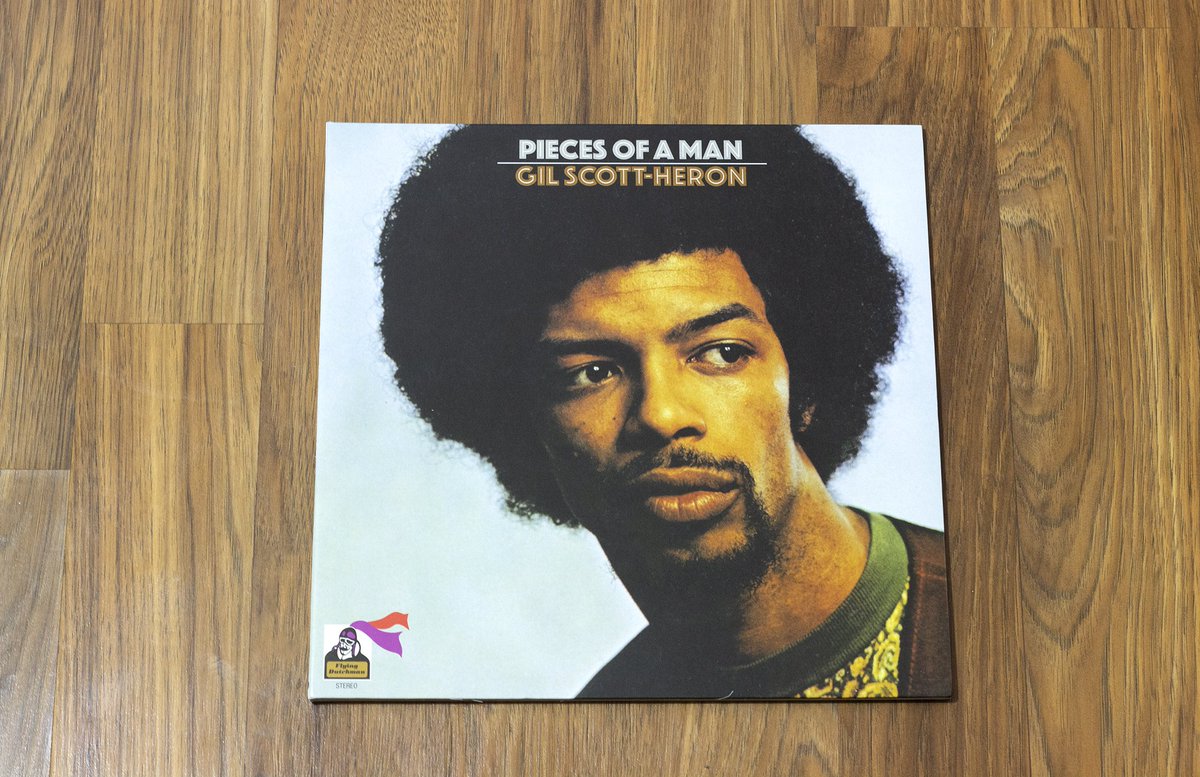
Album of the day. It's hard to believe that Gil Scott-Heron has been departed from us for 15 years now. His studio debut, Pieces of a Man is one of the most impactful albums to emerge in the ‘70s. His second Bob Thiele production, this album moved away from the spoken word poetry of Small Talk at 125th and Lenox and used more traditional song structures. It also marked Scott-Heron’s growing interest in incorporating jazz, blues, funk, and R&B styles into his work. The album’s personnel credits read like a dream Black music supergroup: Chicago soul composer Johnny Pate, who was best known for his lush arrangement work for The Impressions and Curtis Mayfield, legendary jazz bassist Ron Carter, funk pocket drummer Bernard “Pretty” Purdie, flutist Hubert Laws, and Scott-Heron’s longtime collaborator and pianist Brian Jackson.
Scott-Heron’s warm, aching voice blended political awareness with the personal, in the vein of other early ‘70s protest landmarks like Marvin Gaye’s What’s Going On, Curtis Mayfield’s Curtis, and Donny Hathaway’s Everything is Everything. Traces of his influence on alternative hip-hop are all over the edgy, jazz-funk re-recording of “The Revolution Will Not Be Televised.” But, this seminal classic is more than its famous standout: the harrowing “Home is Where the Hatred Is” laments Black urban life and drug addiction, the galvanizing power of jazz music is saluted in the Billie Holiday and John Coltrane homage “Lady Day and John Coltrane,” while lighthearted songs “I Think I’ll Call It Morning” and “Save the Children” celebrate Black joy and freedom. The album’s most poignant moment is its title track, a chilling first-hand account of a son witnessing his father’s downward spiral after he loses his job. Total soul, truth. and realism runs all through this all-time classic.
This song was inspired by Leon Sylvers III 11th grade history teacher at Alexander Hamilton High School in Los Angeles. His name was Mr. Simon. He told me about this when I interviewed him back in 2020.
Easy to overlook The Sylvers. Hell, it took the late, great J Dilla to not only bring back attention to the group, but their earlier work, as well. Their first three albums on Pride are absolute gems from production to arrangement to vocals.
Just listen.
"Fool's Paradise"
'72
If you want to learn more about this amazing song I interviewed Eddie James, the song’s producer, back in 2018. He went on to make music for a gang of HBO shows and is still active today.
AK Skillsって正直名コンピLost &..で初めて聴きましたがめちゃくちゃハイクオリティですよね
ただこれだけスキルフルであってもアルバムはない?90sが面白いのはどこまでディグってもお宝が底から湧き出てくるようなトコ。Triggerみたくお蔵入り曲とか出てこないかな
#AkSkiils#90sHipHop