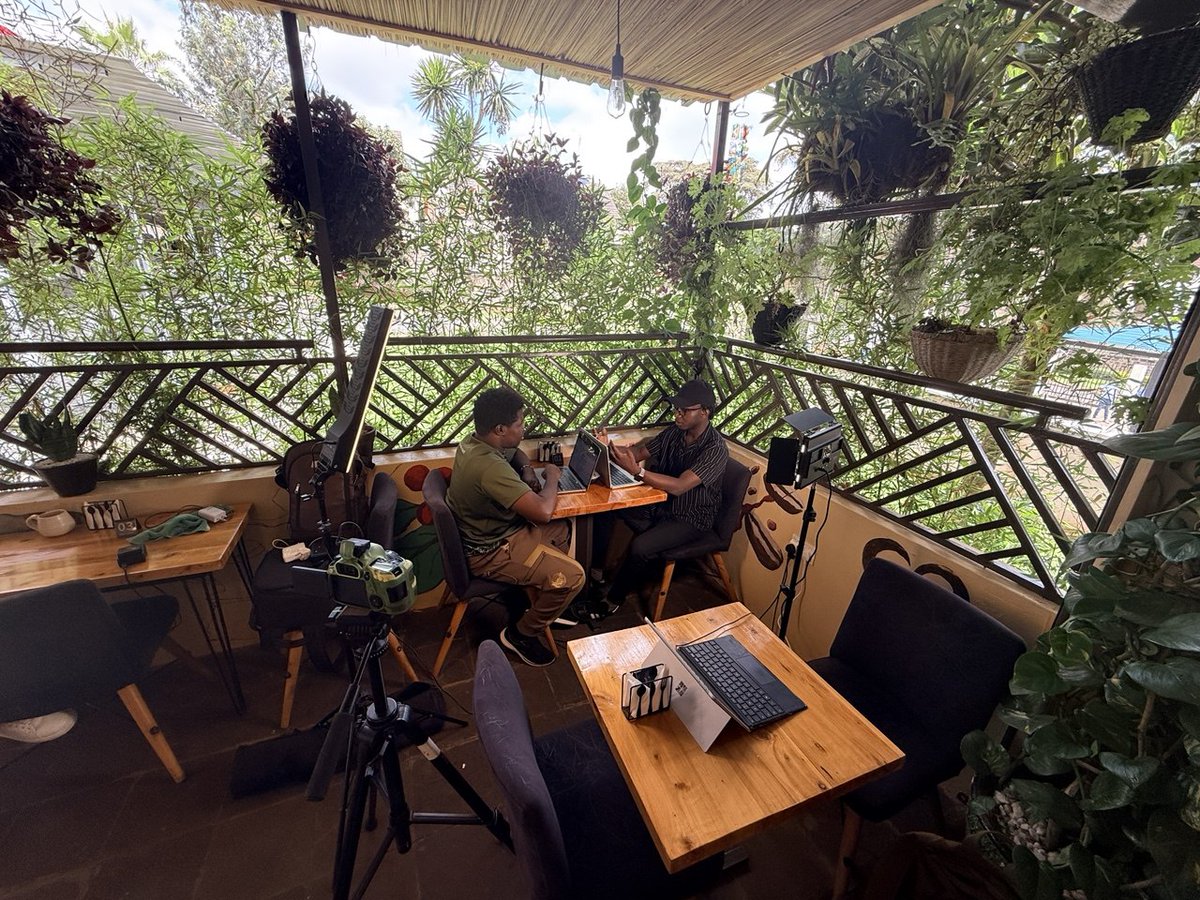
Last week, I had the privilege of being hosted by @kwekutech, where I got to share my journey into tech and the story behind building @micro_crop.
Excited for you all to see the feature soon 👀
The momentum at @micro_crop is real.
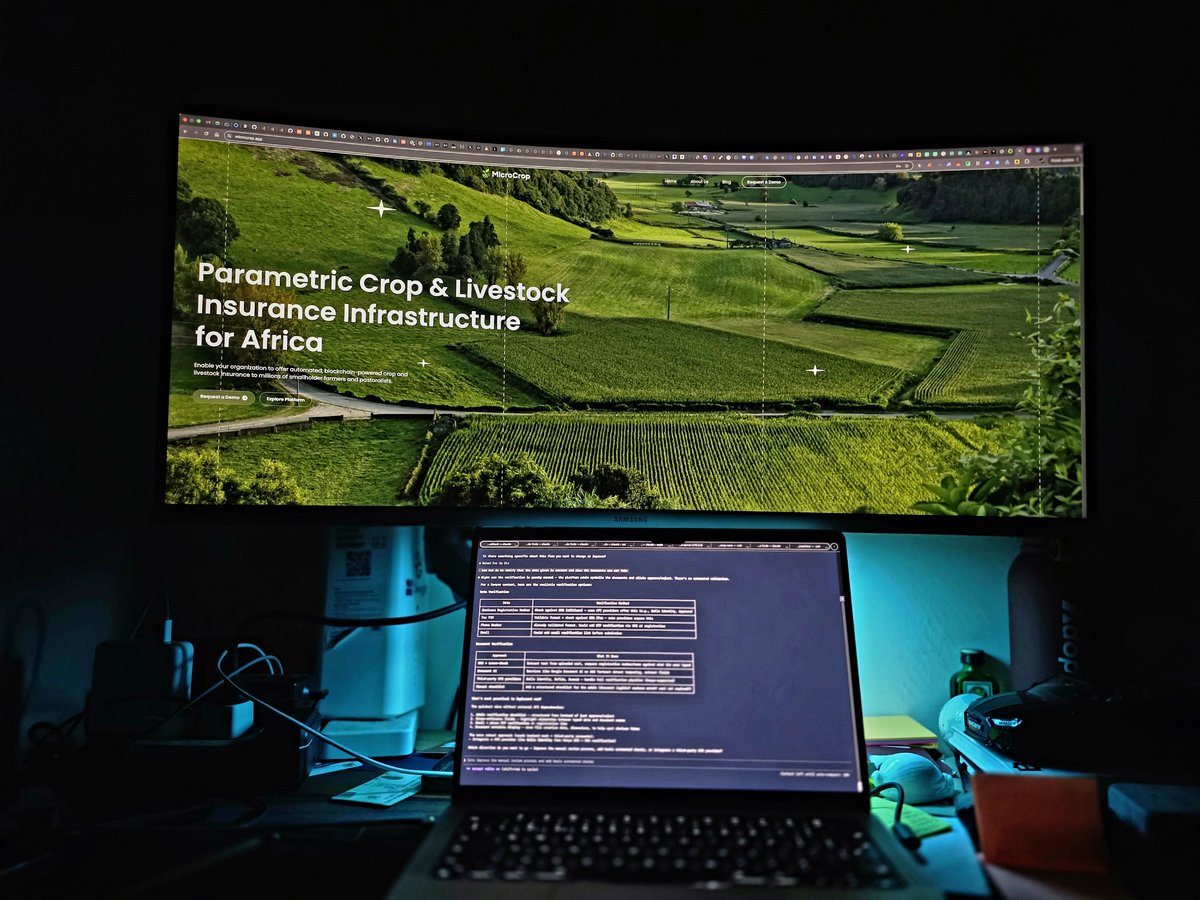
We're building the Stripe of parametric insurance, a seamless infrastructure layer that lets insurance companies integrate our technology and deliver better products to their customers, faster.
The future of insurance is programmable. We're building the rails
A day to reflect. To remember sacrifice. To hold onto hope.
No matter how tough the season gets — hope has a way of showing up.
Wishing you peace, today and always. 🙏
@micro_crop Thank you for the transparency and for the important work you and your team has done tackling a difficult problem. Your impact in the ecosystem will be remembered, and I wish you strength during this transition and all the best moving forward.
Now that you know today was a prank, here is why it felt so believable to so many of you.
The Kenya VASP Draft Bill 2025 was written for established crypto companies, not startups, not founders building on a $50K runway from a co-working space in Westlands. Compliance costs and licensing requirements at that scale? Binance absorbs that. A two-year-old parametric insurance protocol does not.
Startups already fight for every dollar of funding. Add a regulatory framework designed for companies 10x your size and you have just made the math impossible. The result is not a safer or more orderly market. It is a monopoly. Big firms survive and consolidate. Startups fold, relocate, or never launch in the first place. Innovation gets strangled before it starts.
The drafters got one thing right, Kenya needs crypto regulation. But they need to go back and draft a separate, proportionate framework for startups and early-stage builders. An innovation sandbox. Tiered compliance. A pathway that does not punish you for being early.
What we posted today as a joke is what many Kenyan crypto startups will be posting for real if this bill passes as written. That should concern everyone who cares about building a world-class tech ecosystem in Africa.
The messages we received today told us everything we needed to know, you actually care about what we're building. That means the world to us. Now breathe. We're fine. Happy April Fools'. 😂😂
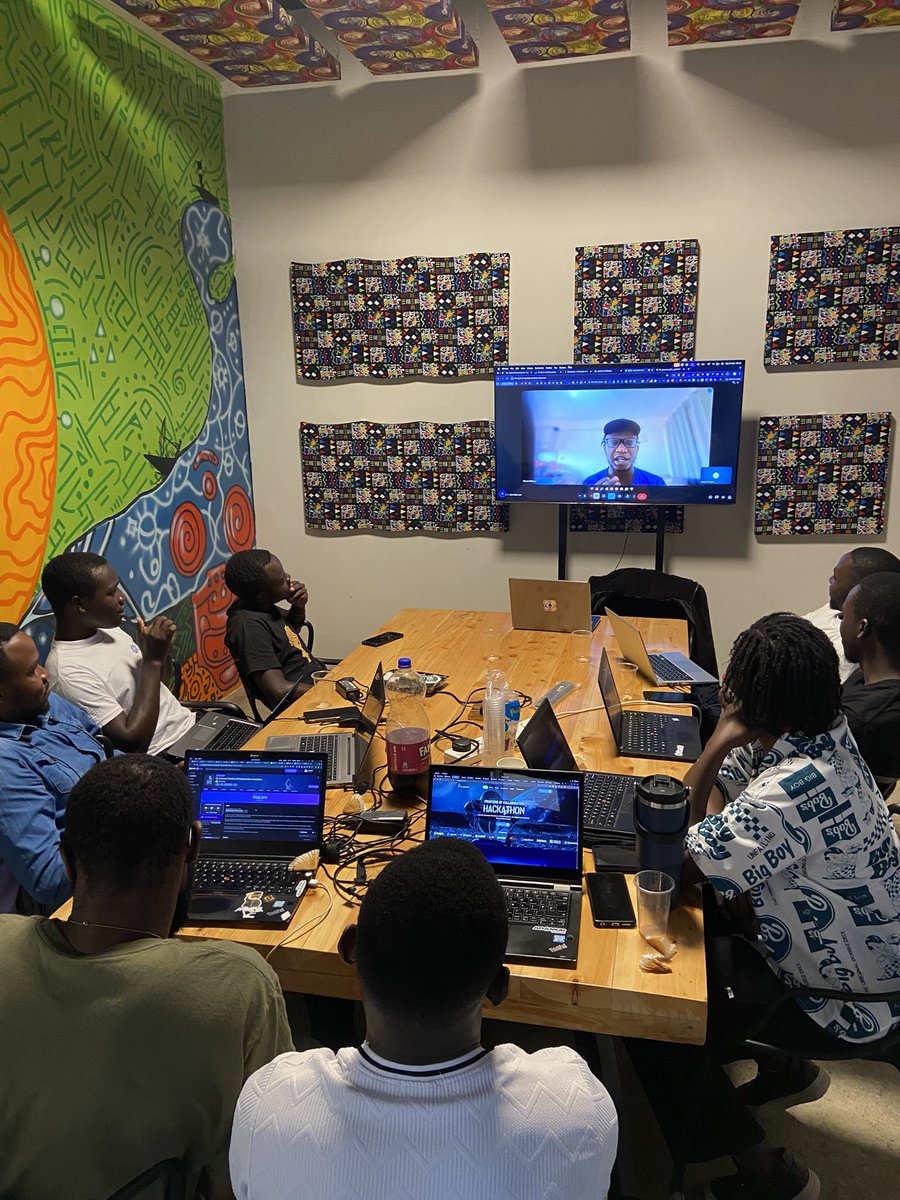
The energy came through the screen!
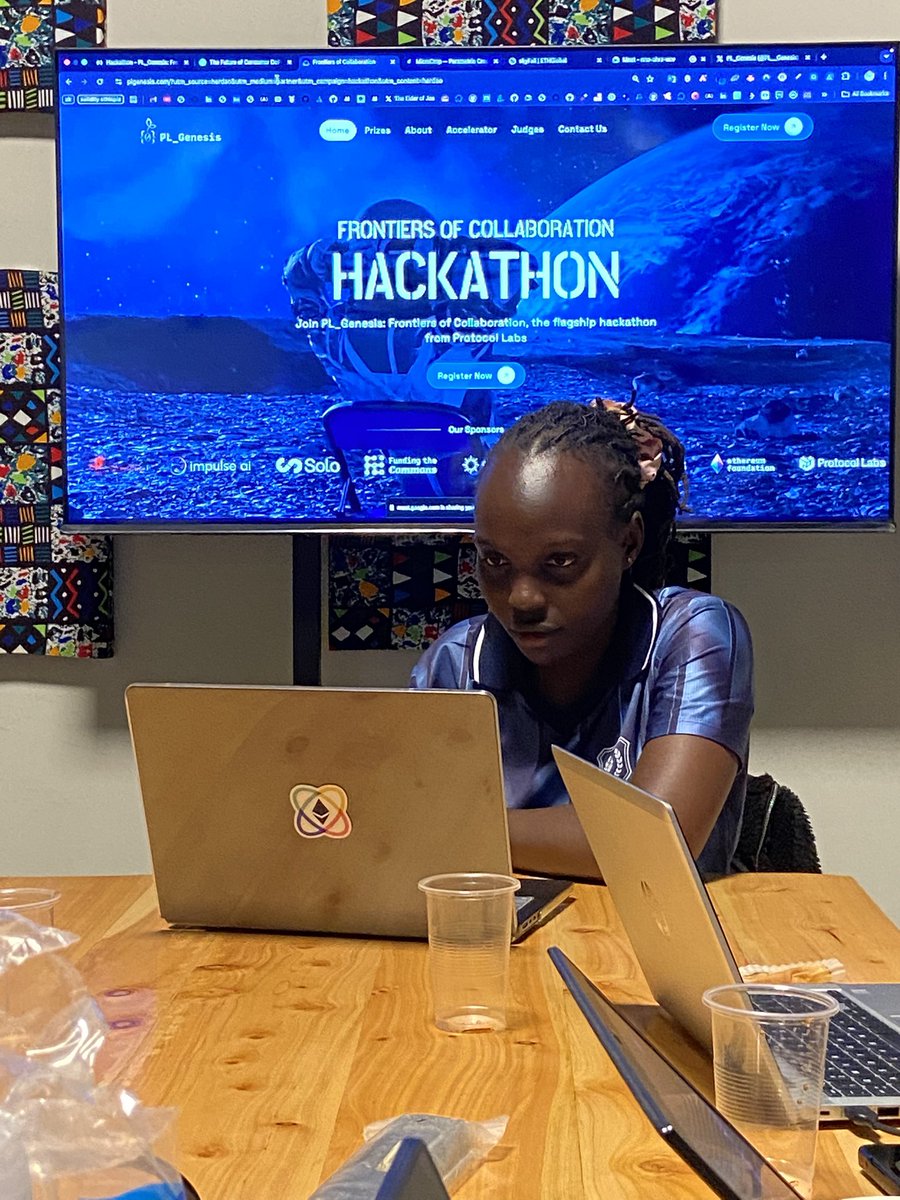
Big thank you to @_HerDAO & @PL__Genesis for organizing such an incredible build session in Kisumu and to @Ijay_js for bringing the builders together.
Shoutout to every dev in that room ready to cook. Couldn't be there in person but the enthusiasm was felt.
Nyinyi ni wanoma
Held a successful build session here in Kisumu courtesy of @_HerDAO & @PL__Genesis and the devs are ready to cook 👩💻👨💻👨🍳
Thank you so much to @antismart_ , Founder @micro_crop for sharing valuable insights with the builders.
Just a bunch of champions in a frame ☺️🤗
“Builders start with the tech. Founders start with the problem.”
@micro_crop shared this on Spaces.
Tech is the tool, not the starting point.
Check out this clip to hear more!
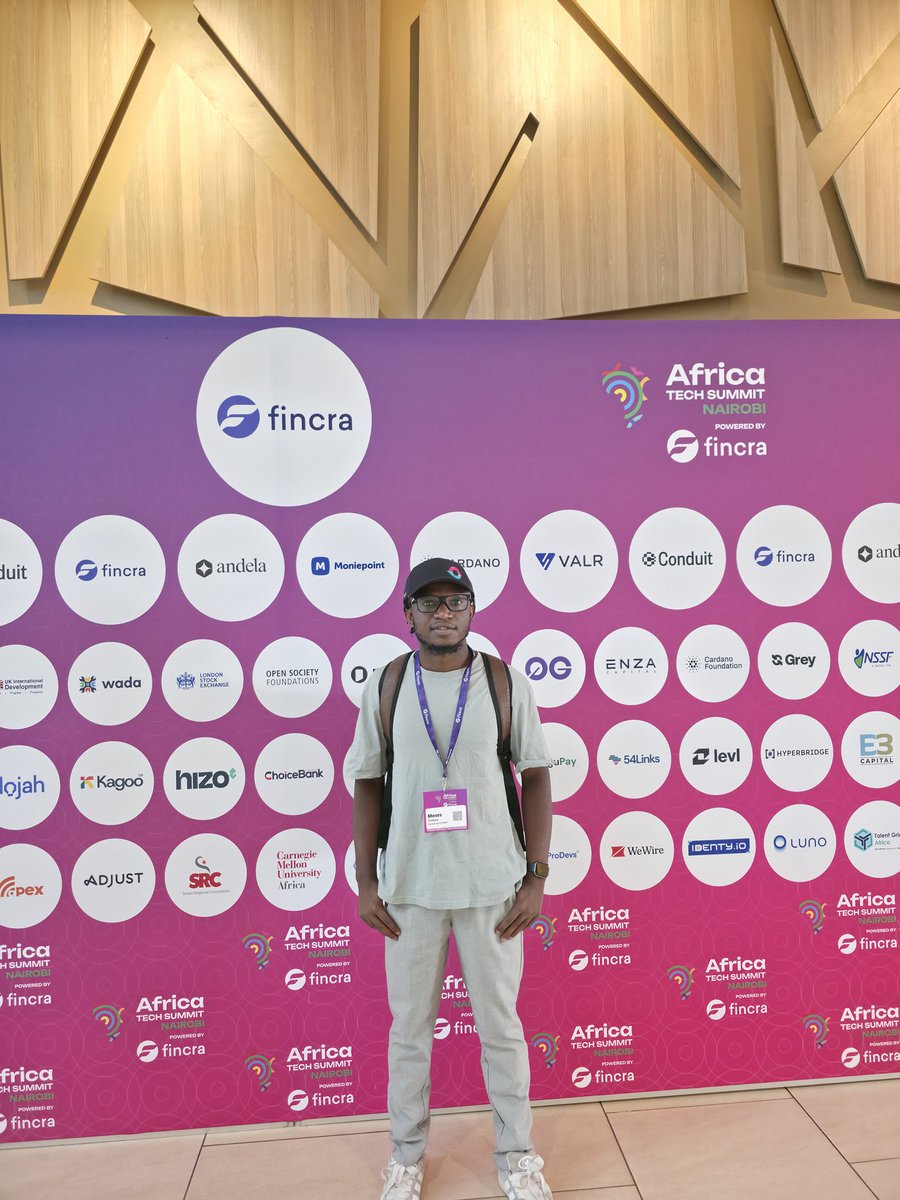
Today I'll be attending ATS
I'm building @micro_crop - the infrastructure layer that lets insurance companies offer parametric crop insurance to farmers.
Looking to meet people in insurtech, agritech, and anyone working on financial inclusion across Africa. Come say hi or drop a DM!
#ATSNBO
Stripe's insight wasn't about payments.
It was about leverage.
"What if one team solved this problem so thoroughly that nobody else ever had to?"
Parametric insurance needs the same thinking.
@micro_crop
https://t.co/7t6yUUDUuC
That’s exactly where @micro_crop was born.
@PL__Genesis gave us the space to turn an idea into something real.
If you’ve got an idea you want to bring to life, this is the place to start → https://t.co/ml9DkhJCAF
We heard it from @antismart_ , co-founder of @micro_crop who reminded us:
Hackathons are where ideas show up, and the real work starts after.
If you’re building long-term you’re in the right place!
Most crop insurance fails farmers at the moment they need it most.
When droughts or floods wipe out a season, traditional insurance doesn’t respond fast enough. Claims have to be filed. Inspections are scheduled. Damage is debated. Payouts arrive months later—if they arrive at all.
For smallholder farmers living season to season, that delay is devastating. Families sell assets. Loans default. Children leave school. Trust in insurance disappears.
This is why the majority of smallholder farmers across Africa remain uninsured—not because they don’t need protection, but because the system isn’t built for their reality.
A Better Model: Parametric Insurance
Parametric insurance flips the model.
Instead of relying on claims and inspections after a loss, payouts are triggered automatically when pre-agreed, objective conditions are met—such as prolonged drought or extreme rainfall.
No paperwork.
No disputes.
No waiting.
When support arrives quickly, farmers can replant, stabilize their income, and recover before a shock becomes permanent.
What We’re Building at @micro_crop
At @micro_crop, we’re not an insurance company.
We’re building the infrastructure layer that enables insurance companies, banks, and agricultural platforms to offer parametric crop insurance simply and at scale.
Our system allows partners to:
Define clear, transparent payout conditions upfront
Monitor conditions continuously throughout the season
Trigger automatic payouts when thresholds are met
Deliver funds directly to farmers via mobile money
For farmers, this feels simple and fair.
For partners, it removes massive operational and administrative overhead.
Think Stripe for parametric insurance.
Why This Matters Now
Climate volatility is no longer an edge case—it’s the norm.
At the same time, mobile money has become ubiquitous, even in rural communities. Farmers don’t need new behavior or new devices to receive support.
What’s been missing isn’t demand or distribution—it’s infrastructure that makes fast, trusted payouts possible.
That’s the gap we’re closing.
Who This Is For
We work with:
Insurance companies modernizing agricultural products
Banks protecting agricultural loan portfolios
AgTech platforms bundling financial resilience
Cooperatives and aggregators serving smallholder farmers
One integration can unlock protection for tens of thousands of farmers.
The Bottom Line
We’re not trying to replace insurers.
We’re giving them the tools to offer insurance that actually works for farmers—when it matters most.
Fast. Automatic. Trusted.
The future of crop insurance is parametric—and it’s being built in Africa.
If you work at an insurer or bank exploring parametric products, let’s talk.