We're happy to report that our #CitizenScience project data are now free to access on DataverseNL, following the FAIR guidelines for data reuse. In this interview, @lea_bei reflects on the challenges of making data FAIR. https://t.co/YyiYGdGxS6
A huge thanks to Aleksandra Kuznetsova @the_zooniverse for interviewing us about our project and including it in the 2020 Zooniverse Highlights Book! You can read about it (and many other wonderful #CitizenScience projects) here: https://t.co/g2yT59Vkqt #CitizenScience
We've just submitted a list of the illustrators we found to the Database of Scientific Illustrators. Feels great to help build this amazing resource! #histSTM#CitizenScience https://t.co/09lCro90Fc
Lovely to chat with @lea_bei just now about her experience leading the @micro_worlds project -- great insight for us ahead of our own transcription project with @the_zooniverse#PostalHistory
Have you been waiting to see what’s in store at our upcoming FREE Global Digital History of Science Festival? Our new dedicated Festival website has all the details: https://t.co/4YvaiI9V8b
Join us from 6th-10th July
#HistSciFest#HSTM#HistSTM#HistSci#HistTech#HistMed
We are extremely excited to announce that you can now find us on YouTube! Just search for the 'Royal Microscopical Society' or follow the link here: https://t.co/1dWSX130Rn Please remember to subscribe!
Event: Book talk: Travelling Microbes in Central Europe, 29.05.2020. Open Zoom event with Katharina Kreuder-Sonnen (Vienna) and Katrin Steffen (Lüneburg). More info: https://t.co/xD1M3q6Glw.
For meeting link fill in: https://t.co/Uf8mEmyuiv
We're featured in a @BSHSViewpoint article on digital resources and engagement in #HistSTM! 📢 Check out other #DigHist projects - and a guide on how to run a Twitter conference - here:
🌊🌊🌊The latest issue of Viewpoint is now up on the website! Lots of great articles on the scientific, technological, and medicinal significance and impacts of water throughout history. https://t.co/a9gtZeWNZ8
Now that we've aggregated and cleaned the data we collected, it's time to meet the illustrators! We're happy to offer you a first glimpse of our visualised data. #histSTM#DigiHum https://t.co/qAKDLOi5KN
We’re happy & sad to announce that we’ve finished collecting data on @the_zooniverse. We analysed illustrations in 19 books, 1 collection of flyers & a whopping 63 volumes of journals! We thank you for the time & effort you put into our project. It’s been a blast!
What now? ⬇️
We have one article manuscript under review, which contains some of the data we got through Worlds of Wonder. We hope there’ll be more to come – we’ll keep you posted! #histSTM#DH
In the long run, we’d like to visualise our data, e.g. how the number of illustrations published in a periodical changed over time, much like @CuratorGeoff did (below). We’d also like to visualise networks of illustrators who worked together. https://t.co/bKsdu8TceS #histSTM#DH
#StayAtHome means people have more time for web-based #CitizenScience. We just welcomed our 2,000th volunteer! It's a bittersweet success, of course, but hopefully we can help make self-isolation a little less isolating. Take care of yourselves and others!
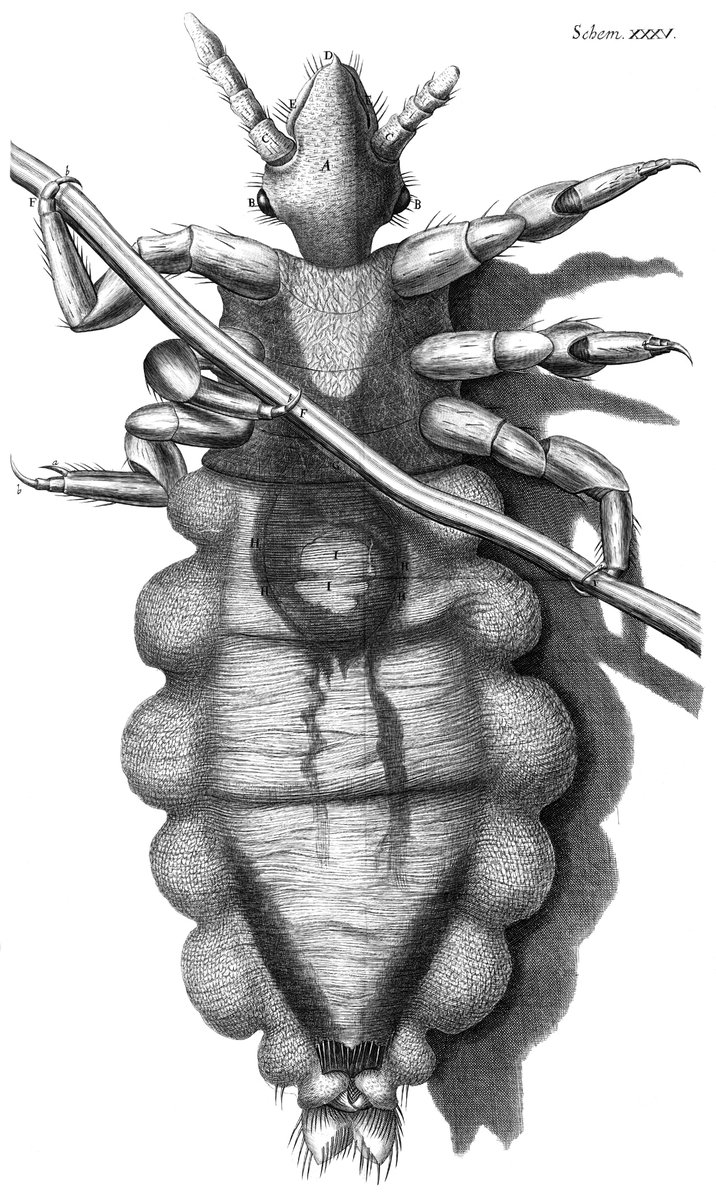
Around the mid-nineteenth century, microscopy became a popular way of experiencing nature without leaving your living room - maybe just the thing we need right now. #corona
Or help us analyse what nineteenth-century people saw through their microscopes. #histSTM#CitizenScience
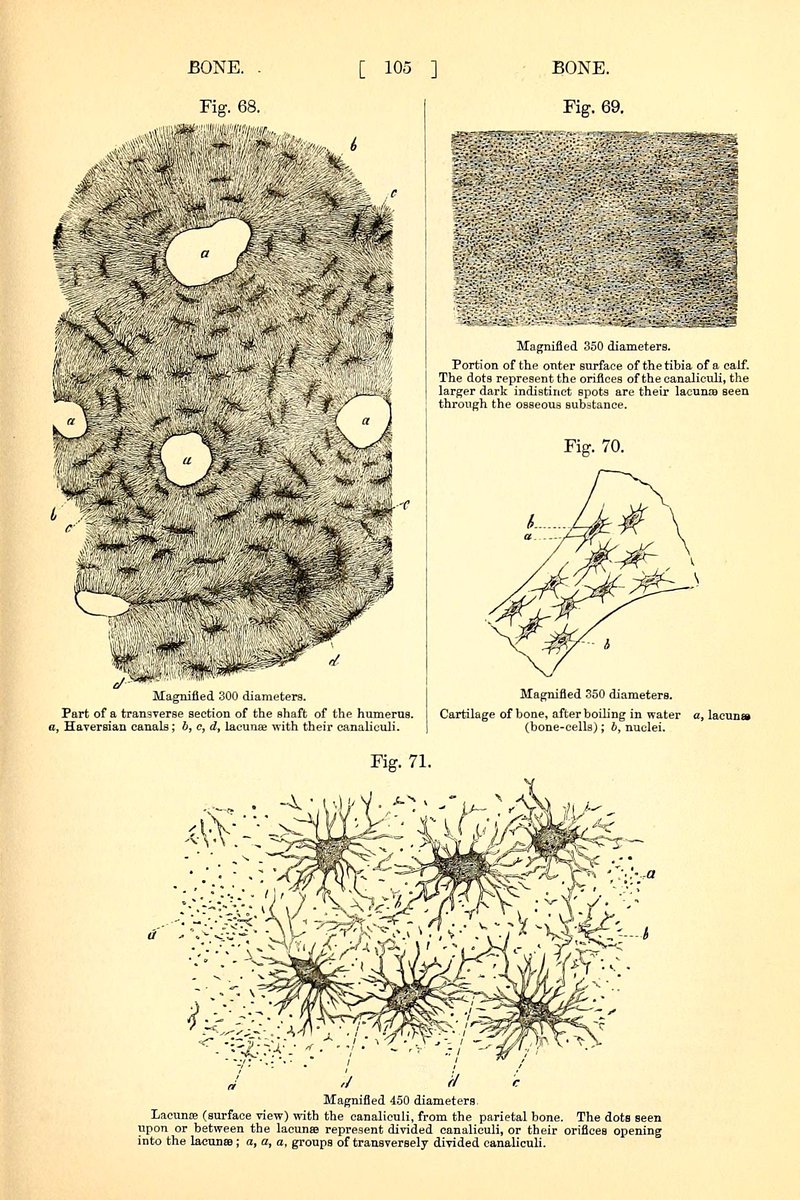
We've finished classifying illustrations in J. W. Griffith's (1875) monumental The Micrographic Dictionary: 845 pages containing some 800 illustrations! #CitizenScience#histSTM
1,947 people have contributed to our #CitizenScience project so far, classifying illustrations of all sorts of microscopic worlds of wonder. Thanks for caring about these minuscule things & thanks for all your hard work! #histSTM