A laboratory report says “Widal positive.” An older textbook describes Western blot as the test used to confirm HIV. Both names are familiar, but familiarity does not tell us whether a test is recommended for that purpose today.
https://t.co/EWwJ9VmETG
A woman in her first trimester tells you her previous pregnancy ended in stillbirth, and this time she has had a low-grade fever and a faint rash. Her obstetrician orders a "TORCH screen."
https://t.co/A26MaYcWzO
In the hierarchical nature of classification, a species is made up of strains, and similar species are grouped into genera (genus-singular). Similar genera are grouped into families, and families into orders, orders into classes, up to the domain (the highest level).
Testing bacterial endotoxin is essential before releasing sterile products, especially in pharmaceutical industries. Bacterial endotoxin or pyrogen testing are in-vitro testings of endotoxin before the release of medical effects like medicines and medical devices.
Most bacterial size range from 0.2 to 2.0 μm in diameter and 2 to 8 μm in length. The ubiquitous Escherichia coli is about 1 μm in diameter and 1-2 μm long. The world’s biggest bacteria, Thiomargarita magnifica is up to 2 cm long and is visible to the naked eye.
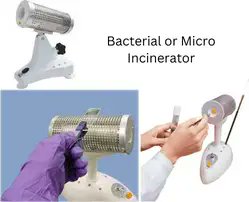
A bacterial incinerator is laboratory equipment that uses heat produced by infrared rays for sterilizing waste materials generated during laboratory procedures. A micro or bacterial incinerator is also helpful for sterilizing metals like a needle and lancet.
Serial dilution is a series of sequential dilutions, each with the same dilution factor, where the diluted material of the previous step is used to make the subsequent dilution.
Written by Acharya Tankeshwar in Virology
Rabies is an infectious viral disease caused by the Rabies virus. It affects humans as well as domestic and wild animals.
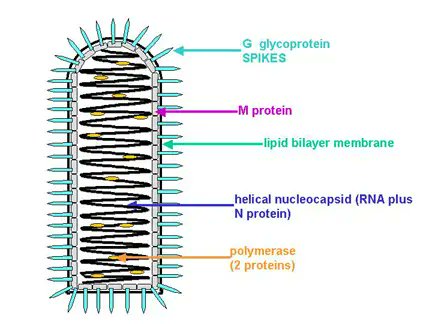
Rabies virus is an enveloped, single-stranded RNA virus with a bullet-shaped or rod-shaped morphology
ESKAPE is the acronym for six nosocomial pathogens that can ‘escape’ commonly used antibiotics. These pathogens are; Enterococcus faecium, Staphylococcus aureus, Klebsiella pneumoniae, Acinetobacter baumannii, Pseudomonas aeruginosa, and Enterobacter spp.
A personalized vaccine has the potential to create the next golden age in the field of immunization and vaccinology. The basic idea of such a vaccine is one vaccine for one patient, which differs from the traditional vaccine concept, i.e., one vaccine for all patients.
Infections caused by pathogens such as bacteria, viruses, fungi, and parasites are the major threats worldwide. Fortunately, such infections are detectable. Detecting diseases in early-stage reduces mortality and morbidity to a great extent.
The microbiology laboratory detects, cultivates, and identifies microorganisms such as bacteria, fungi, viruses, etc. Some of the requirements of microbiological laboratories are essential equipment, trained HRs, sanitation of the working area, and regular maintenance.
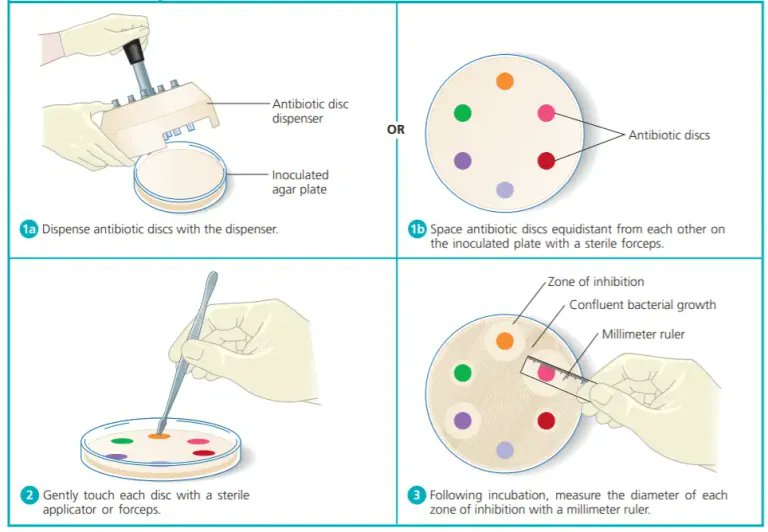
Modified Kirby-Bauer disc diffusion test method is a reference method that could be used as a routine technique to test the susceptibility of a bacterial isolate in a clinical laboratory. The disc diffusion method was originally described in 1966.
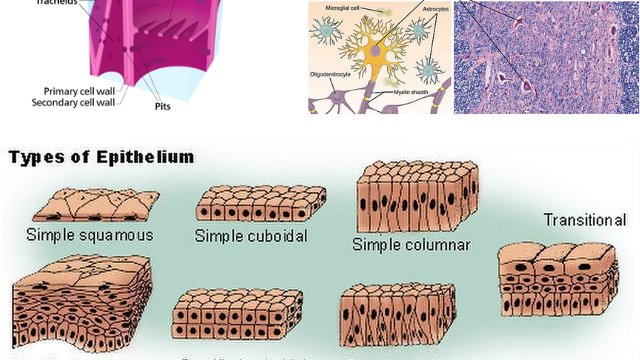
Different types of plant tissues include meristematic (growing) and permanent tissues.
Likewise, different types of animal tissues include epithelial, muscle, nervous, and connective tissues. From skin to skeletons, these different types of tissues are present in animals.
Modified Kirby-Bauer disc diffusion test method is a reference method that could be used as a routine technique to test the susceptibility of a bacterial isolate in a clinical laboratory.
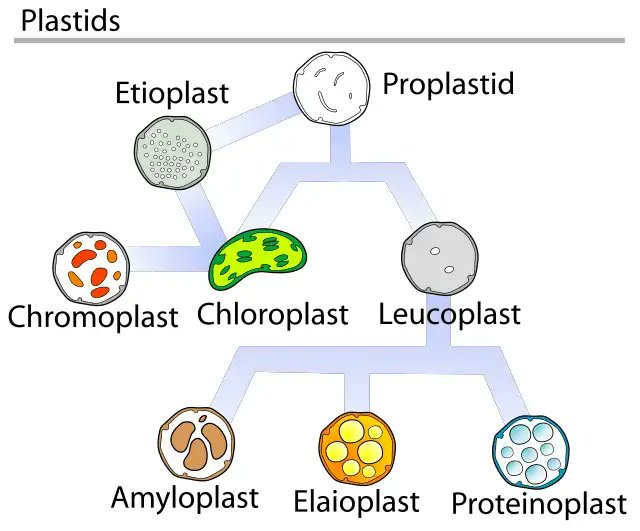
Plastids are present in all living plant cells and some protozoans (Euglena). These are small bodies with double membranes, approximately spherical or disc-shaped, and 1 µm to 1 mm in diameter. Plastids may also appear elongated, lobed, or amoeboid in shape.
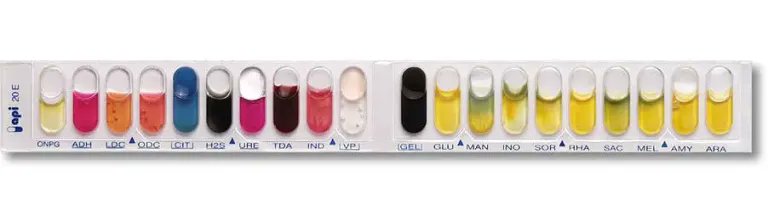
BioMérieux’s API (Analytical Profile Index) identification products are test kits for the identification of Gram-positive bacteria, Gram-negative bacteria, and yeast. The kits include strips that contain up to 20 miniature biochemical tests with a long shelf life.
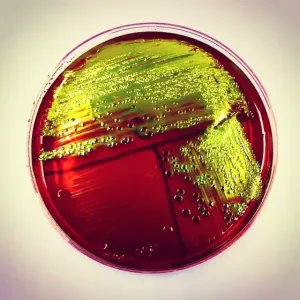
Escherichia coli (E. coli) is a bacterium commonly found in the gut of humans and warm-blooded animals. Most E. coli are normal flora or commensals found in the intestinal tract. It is a gram-negative short rod, a member of the family Enterobacteriaceae.
Bacitracin is a bactericidal drug that is useful in treating superficial skin infections but is too toxic for systemic use. Bacitracin is a polypeptide antibiotic produced by Bacillus subtilis. https://t.co/lvkTMgOyhj
Chlamydia trachomatis, an obligate intracellular bacteria, causes significant infection and disease worldwide. It is the most common sexually transmitted bacterial pathogen and a major cause of pelvic inflammatory disease (PID) in the USA.