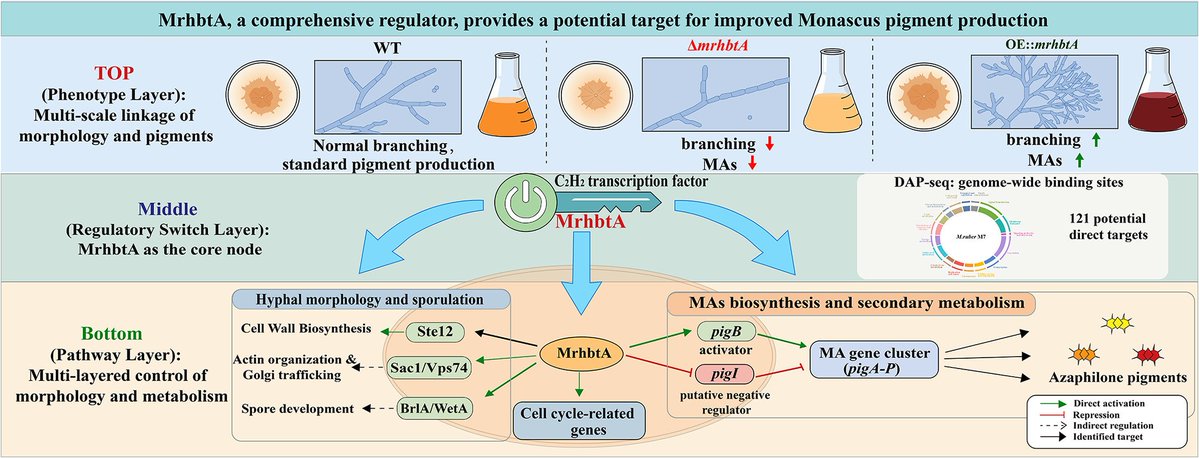
Camptothecin transformation in plant-associated Sphingobium lineages is linked to a plasmid accessory region.
Plasmid accessory genes enable camptothecin transformation in plant-associated Sphingobium.
https://t.co/6j1EPXOUgc #OpenAccess#rhizosphere
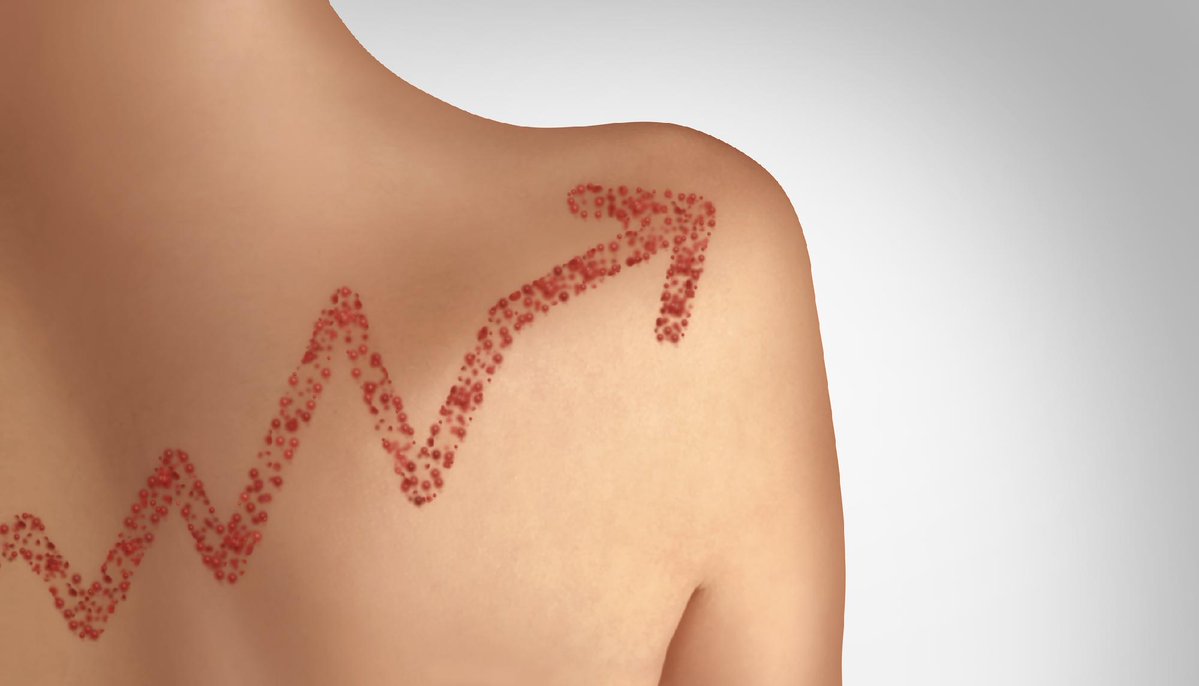
US measles cases hit 4,588, more than twice last year’s total
Pennsylvania remains the US hot spot, accounting for nearly 30% of the country’s cases.
Read more: https://t.co/UiaDs79k8z
Mounting evidence suggests that some vaccines offer less protection to children affected by undernutrition.
Could improving children’s nutrition also help to strengthen the protection that vaccines provide? https://t.co/9jMyfEwulh
Distribution and resistance-associated genomic features of Acinetobacter in an urban #wastewater network.
Urban wastewater monitoring links persistent Acinetobacter to #AntibioticResistance patterns.
https://t.co/T3Fs3aXfRD #OpenAccess
#France has reported the first documented case of a human infection with #Shamonda virus, a virus only previously detected in animals.
The patient was immunocompromised, which made them more vulnerable to infection and severe disease, and unfortunately died. My heartfelt condolences to their loved ones.
Shamonda virus primarily affects animals such as cattle, sheep, goats and horses. The virus is thought to spread between animals by the bites of a midge, which is a small fly-like insect. Further studies are needed to fully understand transmission.
The French patient was in an area where the Shamonda virus was circulating in animals and where Culicoides midges were also present.
@WHO is in contact with French authorities who are collecting information to better understand the source of infection in the first human patient, possible routes of transmission and any potential risk to public health.
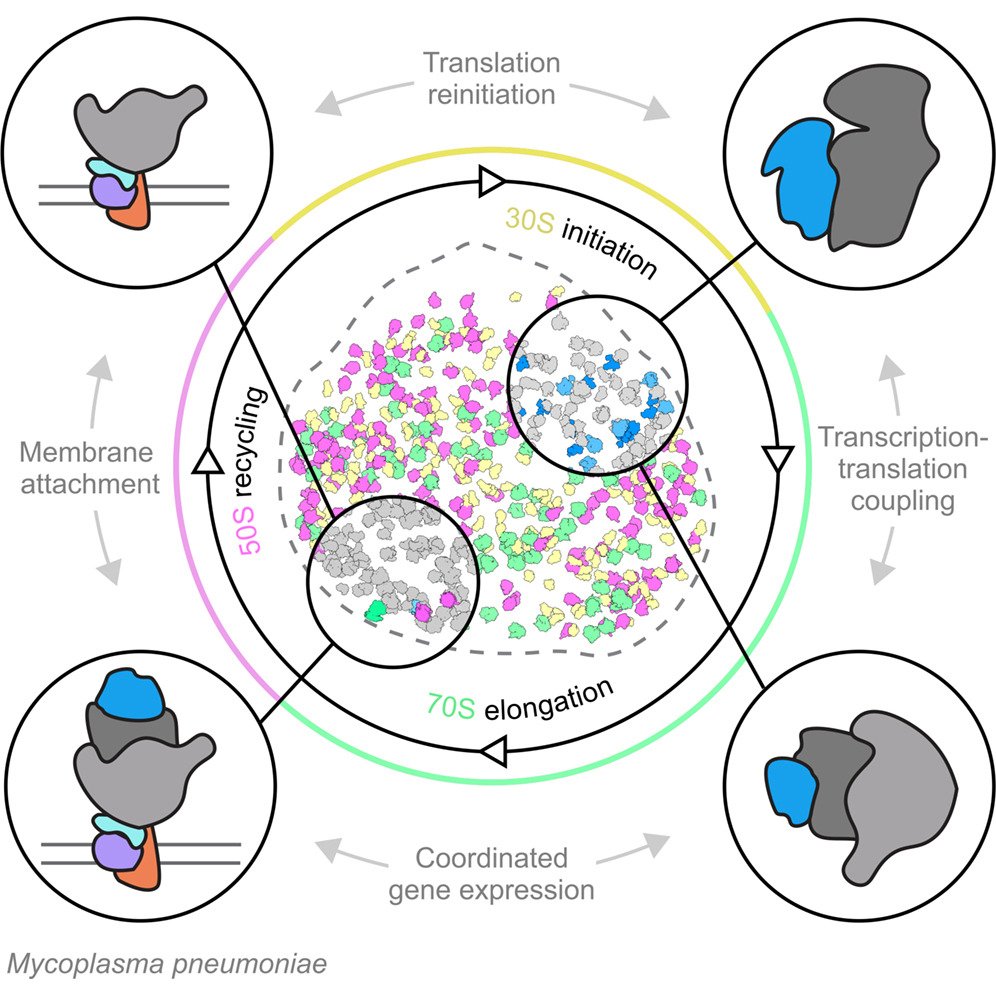
Single-cell visual proteomics of a minimal bacterium reveals structural coordination of gene expression machineries.
Cryo‑ET maps reveal coordinated bacterial translation & transcription within native single cells.
https://t.co/gU4e1ijHQ9 #OpenAccess#microbiology
Vaccines have saved more than 150 million lives over the past 50 years. But this progress is under threat from funding cuts, conflicts, climate change and misinformation.
With #measles outbreaks in dozens of countries, immunity gaps anywhere can threaten health security everywhere.
At the same time, innovation offers new hope: malaria vaccines are being rolled out, promising tuberculosis vaccines are in development, and new Ebola vaccines against Bundibugyo virus are approaching trials.
But vaccines only save lives when people can access and trust them.
@WHO calls on governments, scientists, health workers, industry, technology companies and communities to work together to ensure everyone has access to accurate, evidence-based vaccine information.
Everyone, everywhere, at every age deserves the protection vaccines offer.
#VaccinesWork
Epidemics linked to loss of health workers, with poorer nations hardest hit
Infectious disease epidemics could account for an average annual shortfall of 17,500 healthcare workers worldwide.
Read more: https://t.co/2xvClBwJzd
Washington Post: Want to reduce chronic diseases? Invest in vaccines
'A new study shows that 1 in 8 cancers worldwide are due to infections.'
'Long covid & Lyme disease are further examples of how the consequences of infectious diseases can persist...'
https://t.co/WIyfTIzH7V
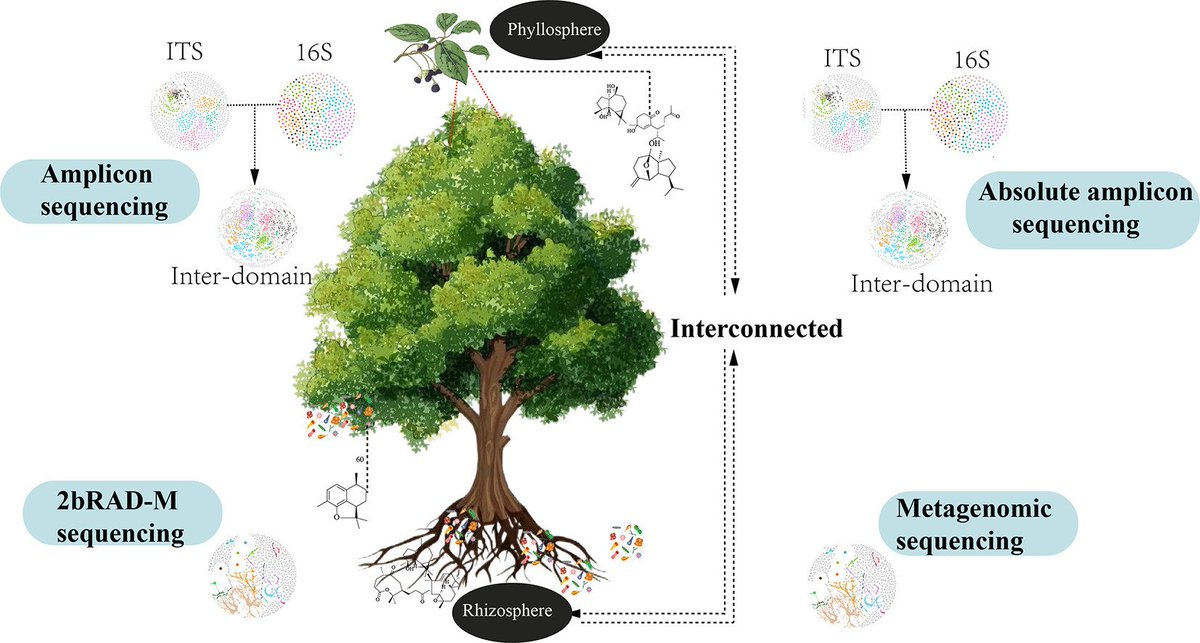
Biases in High Throughput Sequencing Methods Affect Microbial Molecular Ecology Networks & Keystone Taxa Identification in the Cinnamomum migao Rhizosphere & Phyllosphere.
Sequencing methods reshape microbial networks & keystone taxa in the ecosystems.
https://t.co/BcsOwL7sKs
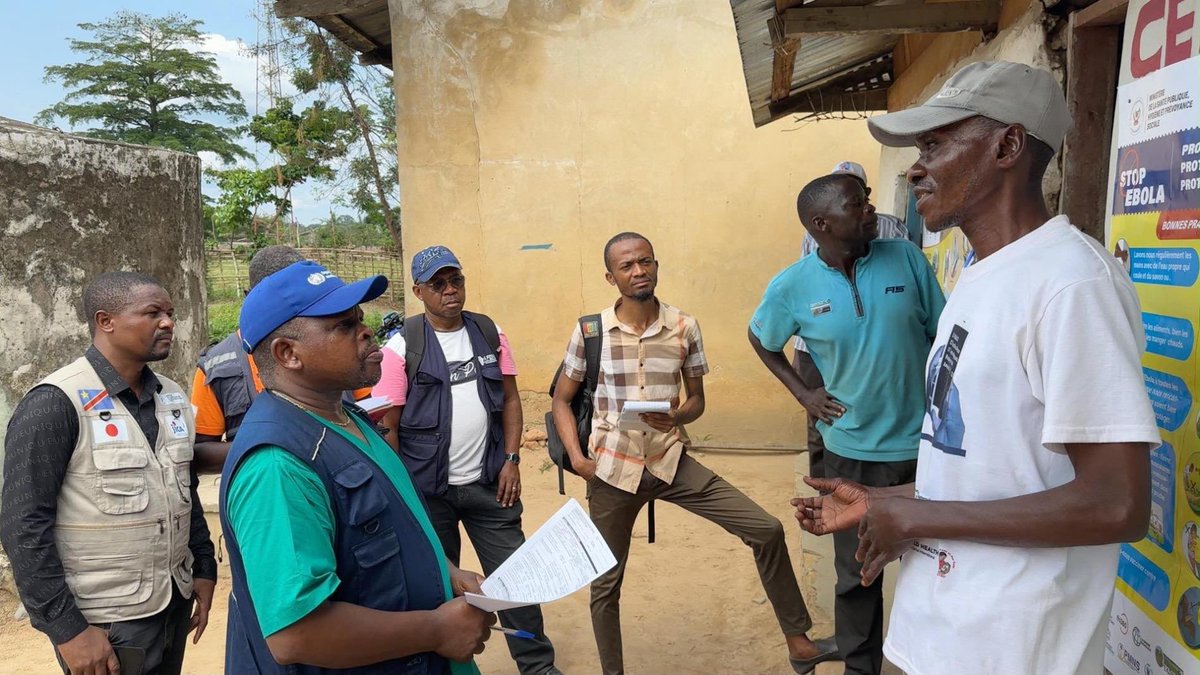
The scale-up of the Ebola response in the Democratic Republic of the Congo is making a difference.
New supplies, strengthened logistics and expanded support for frontline teams are helping to reinforce treatment, surveillance, laboratory services and infection prevention efforts in affected communities. However, transmission persists and new hotspots continue to emerge, underscoring the need to sustain and further scale up the response.
To stay ahead of the outbreak, we must continue investing in the capacities needed on the ground: more health workers, stronger surveillance, expanded access to care, safe and dignified burials, and deeper community engagement. The progress achieved so far remains fragile and cannot be taken for granted.
I thank all partners supporting the response, including those helping to mobilize and deliver critical supplies and equipment to affected communities. Their solidarity and commitment are helping strengthen operations where they are needed most.
WHO is supporting the Government of the DRC and partners by providing technical expertise, operational leadership and support and delivering essential supplies. Sustained investment, solidarity and collective action will be critical to protect communities, save lives and bring this outbreak to an end.
https://t.co/0zwsbdltAb
#NobelPrize in Physiology/Medicine Is Awarded for Discoveries in Neuroscience.
Karl Deisseroth, Peter Hegemann & Georg Nagel were recognized for their work on light-gated ion channels & optogenetics, which uses tiny lights to activate neurons in the brain
https://t.co/FHSThdrYPj
The Big Catch Up immunised 21 million children across 36 countries between 2023 and 2026. This included millions who had never previously received a vaccine.
It's an extraordinary achievement. But the obvious next question is: what comes next?
A new review of the initiative highlights eight lessons for helping countries continue to find and reach children who miss out: https://t.co/HhSSpO1Xa7
DRC Ebola cases grow, deaths top 4,000 as officials struggle to ascertain numbers, trends
An aid worker was evacuated to Europe after testing positive for the virus.
Read more: https://t.co/kQPP3Aae7F
📷: UK Department for International Development / Flickr cc
Hepatitis B can be easy to miss.
Symptoms may be absent for years, even as the virus quietly damages the liver. In Kenya, an estimated 1.56 million people are living with hepatitis B, but fewer than 10% are diagnosed.
Here’s what living with chronic infection looks like for one family in Migori County: https://t.co/bz6uirCL2C
One in eight cancers are caused by infections, a new study finds. And there’s an easy way to protect yourself against most of them: get vaccinated.
https://t.co/8hn3OWn0PM