Could a daily spoonful of yogurt help calm your gut?
Up to 40% of people worldwide suffer from gut disorders like IBS or IBD. A new review suggests that fermented #dairy foods—such as yogurt or kefir—may relieve symptoms and support gut health.
Here's what the science says 👇
Yogurt is a great source of probiotics, which support gut health, digestion, and immunity.
In addition, it provides high-quality protein, calcium for strong bones, and essential vitamins like B12 and riboflavin.
Research also suggests that regular yogurt consumption may help improve metabolic health and support a balanced diet.
👉 How do you enjoy incorporating yogurt into your meals? What are your favorite sources of probiotics?
An interesting article by @JakeDockterman and @DrLorenGR explores whether probiotics can help calm inflammatory bowel disease? Some key takeaways:
👉 Probiotics and prebiotics show promise in supporting gut health and potentially helping manage inflammatory bowel disease (IBD), which includes Crohn's disease and ulcerative colitis.
👉 A healthy microbiome strengthens the gut barrier, reduces inflammation, and promotes overall gut health, while an imbalanced microbiome may worsen IBD symptoms.
👉 Evidence for probiotics, including those found in fermented foods like yogurt, is mixed; they are somewhat effective for ulcerative colitis and pouchitis but not widely proven for Crohn's disease.
👉 Prebiotics and dietary fiber as encouraged by the Mediterranean diet may also benefit IBD by supporting a healthy #microbiome.
👉 However, more research is needed to determine the ideal strains, dosages, and delivery methods of probiotics for IBD treatment.
❣️Best wishes for 2025❣️
Together let's make this year about
🧪 covering scientific research on yogurt
🍲 informing its role in achieving within a balanced nutrition
🏃 and a healthy lifestyle
💬 discussing these important topics with you, our beloved community!
Did you know? Studies show a strong link between physical activity and gut health, with exercise influencing microbial diversity and intestinal health! From light exercise to intense activity, the impact on our microbiome is significant, and taking care of our gut becomes even more important for those with active lifestyles.
Incorporating fermented dairy products, like yogurt, can play a role in supporting this balance. With probiotics from strains like Lactobacillus and Bifidobacterium, yogurt may enhance nutrient absorption, aid muscle recovery, and even reduce fatigue.
Whether you’re a casual walker or a serious athlete, a balanced gut helps fuel performance and wellness.
👉 Check and download our full infographic about yogurt in sports nutrition https://t.co/6cDGyfJXXt
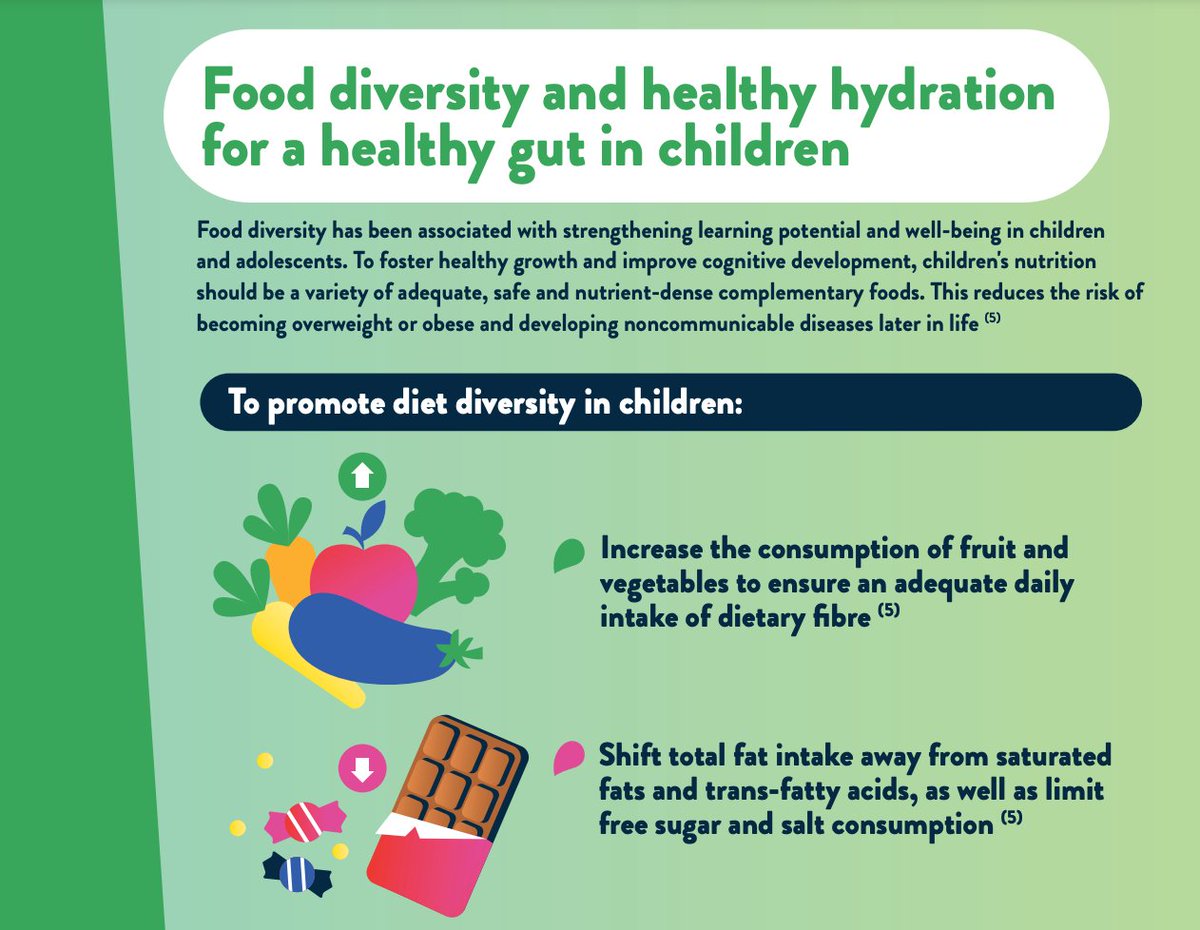
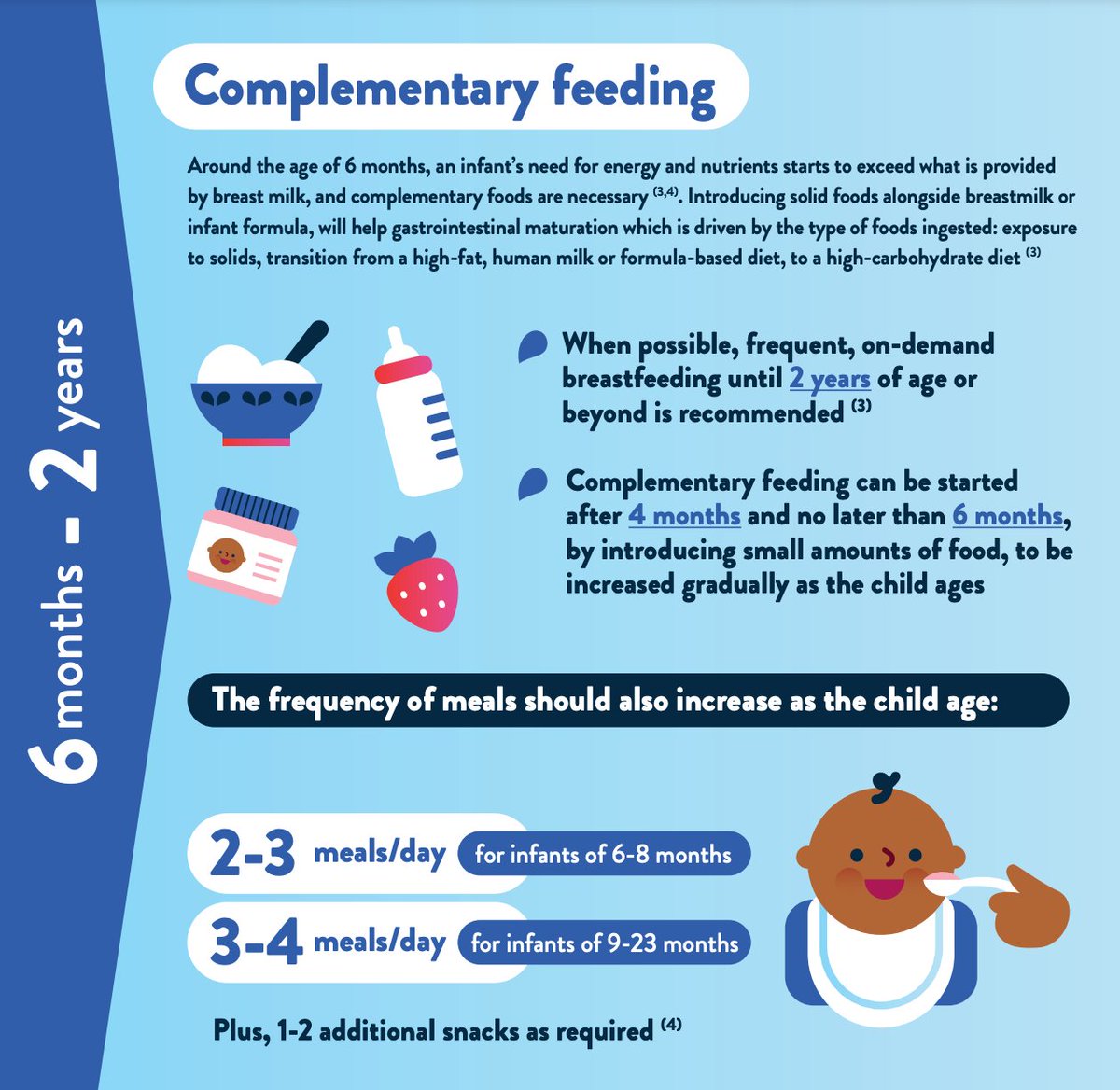
Also make sure to check the second part of our infographic about children's gut health: 'How to support a healthy gut in children❓'
https://t.co/p6SjXhrQE6
'Our data offer compelling evidence that the microbiota regulates stress responsiveness in a circadian manner and is necessary to respond adaptively to stressors throughout the day.'
👉 In their recently published paper, Tofani et al, explore the critical relationship between gut microbiota and the body's stress response, mediated through the circadian system.
👉 The researchers discovered that gut microbes regulate the diurnal rhythms of the hypothalamic-pituitary-adrenal (HPA) axis and influence corticosterone levels. Depleting gut microbiota disrupted these rhythms, impairing stress responsivity at specific times of the day.
👉 This highlights a novel role for gut microbiota in orchestrating the body's adaptation to stress in a time-dependent manner, offering new insights into microbiota's influence on mental and physical health.
💡 These findings show the potential for targeted #microbiota-based therapies for stress-related disorders. It's a reminder of how deeply our microscopic partners are integrated into our overall health.
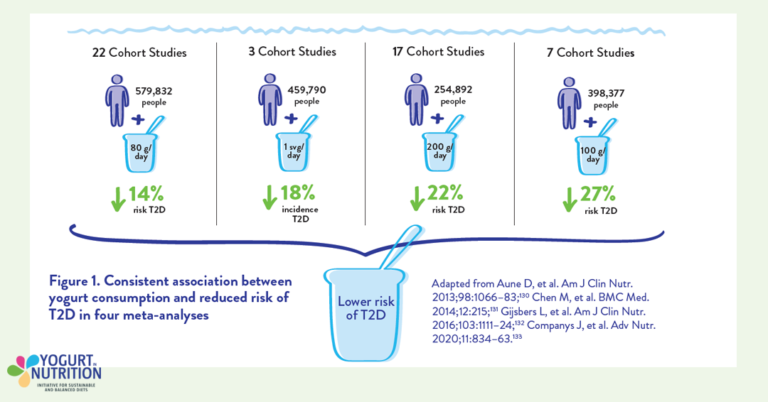
Important insights! Adding to this: studies show that early dietary interventions can improve gut health and insulin sensitivity, helping prevent or delay type 2 diabetes. Regular intake of fiber-rich and protein-packed foods, alongside consistent physical activity, is critical.
👉 Small, sustained changes in diet and routine can drive big impacts!
💡 Yogurt may bring some value to the table.
See references:
🔗 'From ASN Nutrition 2024 – Yogurt and reduced risk of T2D: exploring the new FDA qualified health claim' https://t.co/AijL5Glnbf
🔗 Our review of the available literature 'Yogurt consumption is associated with reduced risk of Type 2 diabetes and metabolic syndrome' https://t.co/PDvOgasMVa
🌞Summer's still going strong, and there’s nothing better than a cool, refreshing and healthy treat!🍦
Yogurt offers great options for this: what's your favorite?
🟥 Yogurt popsicle
🟦 Yogurt bowl with fresh fruits & cereals
🟩 Kefir straight out of the fridge
🟨 Fresh smoothie
For those of you who engage in regular physical activity, there is a growing body of evidence and research efforts to try and qualify the role of the #gutmicrobiota in this context.
👉 Check https://t.co/q4v4hMJ8Eg + key takeaways below 🧵
During the #Nutrition2024, we covered the symposium about yogurt consumption and the prevention of type 2 diabetes, as published by the @US_FDA in their qualified health claim earlier this year.
In the US, 38.4M people have diabetes, and 97.6M adults have pre-diabetes. Adopting a healthy lifestyle, including regular exercise and a balanced diet, can reduce the risk of type 2 diabetes and lower public health costs.
👉 Check our wrap post https://t.co/AijL5Glnbf
#YINIxNutrition2024
New findings from the BRAVE study in Jakarta, Indonesia:
Investigating the gut-brain axis with omega-3 fatty acids and probiotics. Preliminary results indicate significant impacts on:
- Fetal brain volume
- Child auditory responses
- Child cognition (attention, memory, development)
#YINIxNutrition2024
Talk by Rina Agustina, Professor, MD, PhD on 'Influence of Omega-3 Fatty Acids and Probiotics on Fetal Brain Development and Child Cognition in Indonesia: The BRAVE Study'
#YINIxNutrition2024
Healthcare professionals and registered dietitians are the most trusted sources for what foods to eat and avoid.
🥳🎉 KUDOS TO ALL OUR COMMUNITY MEMBERS AND #Nutrition2024 🎉🥳
#YINIxNutrition2024
Now exploring the Scientific Evidence: Yogurt and Reduced Risk of Type 2 Diabetes with @chriscifelli10, PhD, of Nutrition Research, National Dairy Council @NtlDairyCouncil.
👉 Check articles published by Dr Chris Cifelli https://t.co/TyX0pUS0g9
#Nutrition2024
#YINIxNutrition2024
@MyPlate Healthcare professionals and registered dietitians are the most trusted sources for what foods to eat and avoid.
🥳🎉 KUDOS TO ALL OUR COMMUNITY MEMBERS AND #Nutrition2024#YINIxNutrition2024
It's our first time attending the #ECO2024 congress and we're absolutely thrilled! Not only is it a precious source of information, a comprehensive update on the science in the variety of expertise involved, but courageous patients' testimony make the event uniquely humane.
We've had the opportunity to meet lots of great people, from clinical researchers, psychologists, public health experts, nutritionists. These encounters seem to draw elements of a shared understanding:
- obesity is a disease, which calls for sustained, dedicated research and therapeutic approaches
- obesities, rather than obesity, better describe a broad variety of situations patients experience on a daily basis
- multi-disciplinary collaboration is key to bridge promising drug developments, public health strategies, nutrition and behavioral accompaniement of patients in the long run
The event clearly underscores the need for nutrition, which has more insights to offer than simply diet. It’s about dietary and lifestyle patterns, food consumption habits for every meal, intersecting biological and behavioral sciences.
It also shows the need for food science, especially, as reminded during the session dedicated to dietary guidelines, in promoting healthy eating habits and nutrient dense foods. There is no magic food. There is no food-as-a-medicine claim. But there are foods that bring nutritional value when integrated within a balanced diet, especially in the prevention phase.
Yogurt is such a food. Its health effects are backed by scientific literature (see next tweet for references), which show that it can help in various health contexts like weight management, high blood pressure (especially in women), or type 2 diabetes.
Though mostly observational, there is consistency across studies when comparing these effects to other dairy foods. The evidence is solid enough for top national or international institutions to recognize its health effects. That’s what EFSA did in Europe on live yogurt cultures and improved lactose digestion ; and just now that’s what the FDA in the US did, recognizing its helping role in preventing type 2 diabetes.
We look forward to exchanging over these topics with all area of expertise, discussing inclusion of yogurt in RCTs, probiotic and microbiome related studies, public health and nutrition strategies.
Many thanks for a great event and talk soon!
#ECO2024
#YINIxECO2024