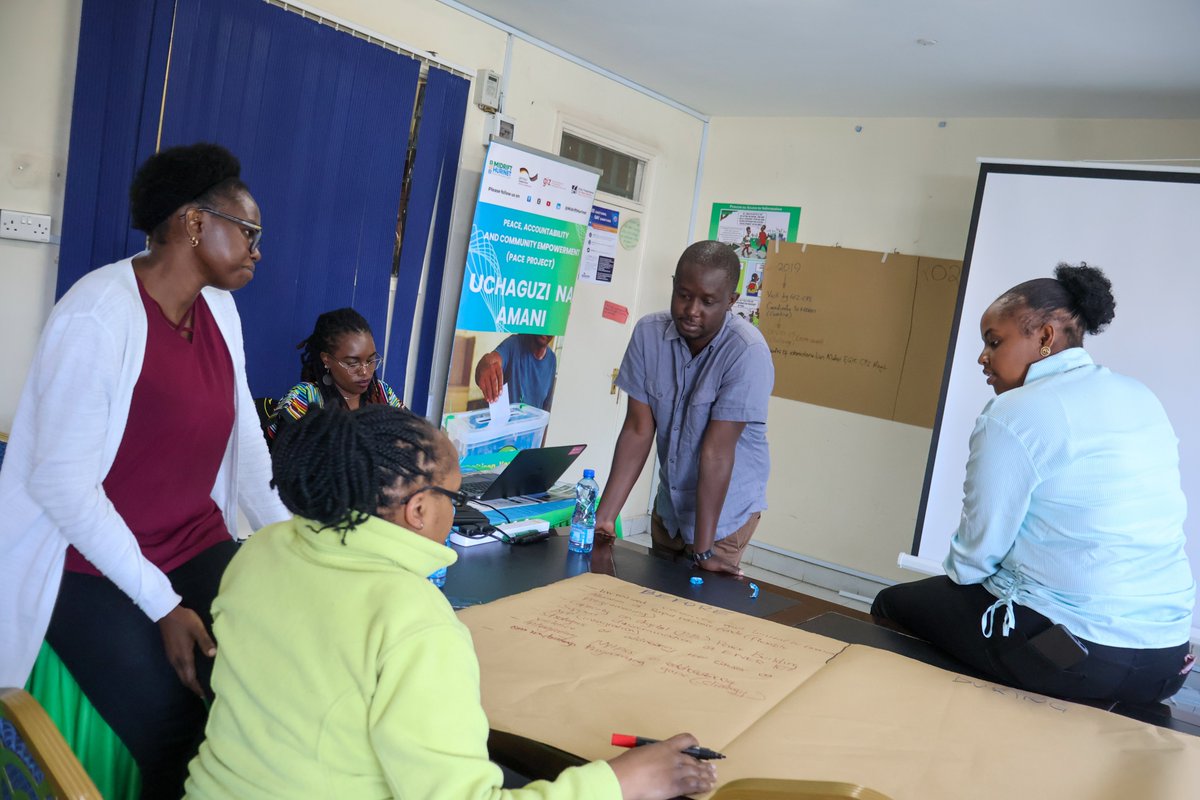
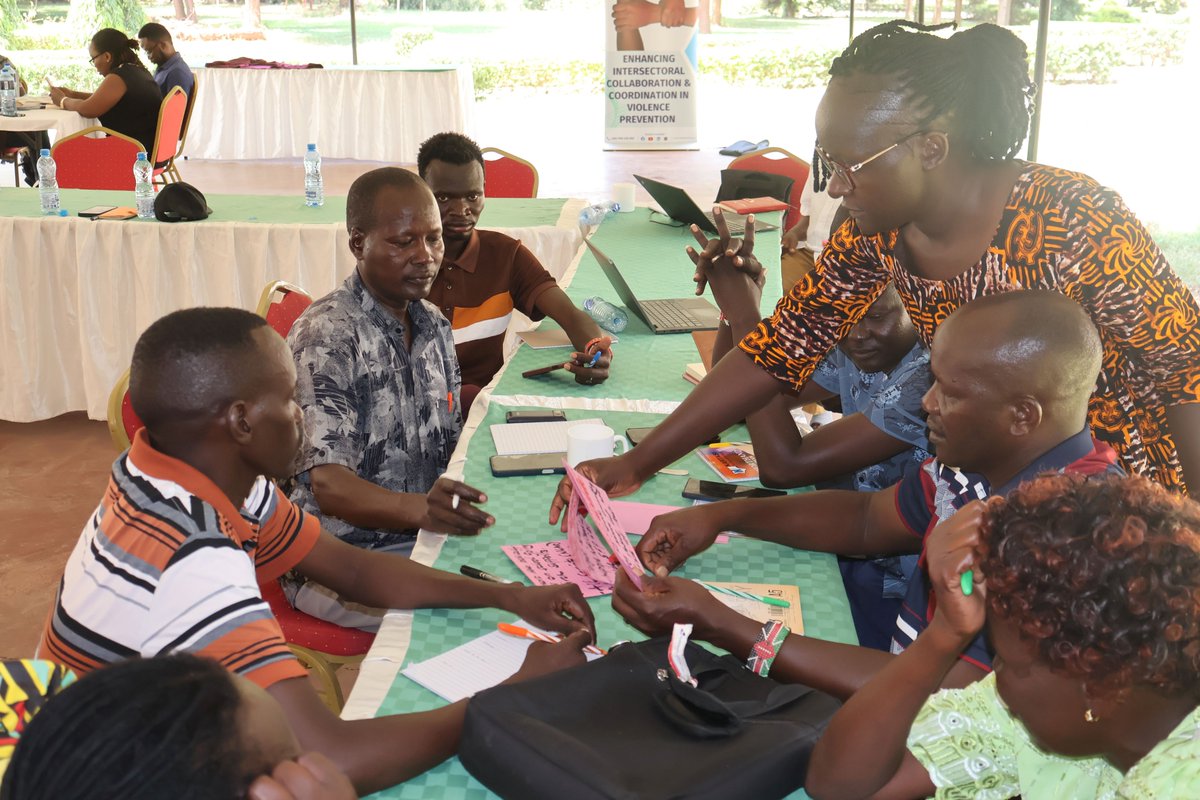
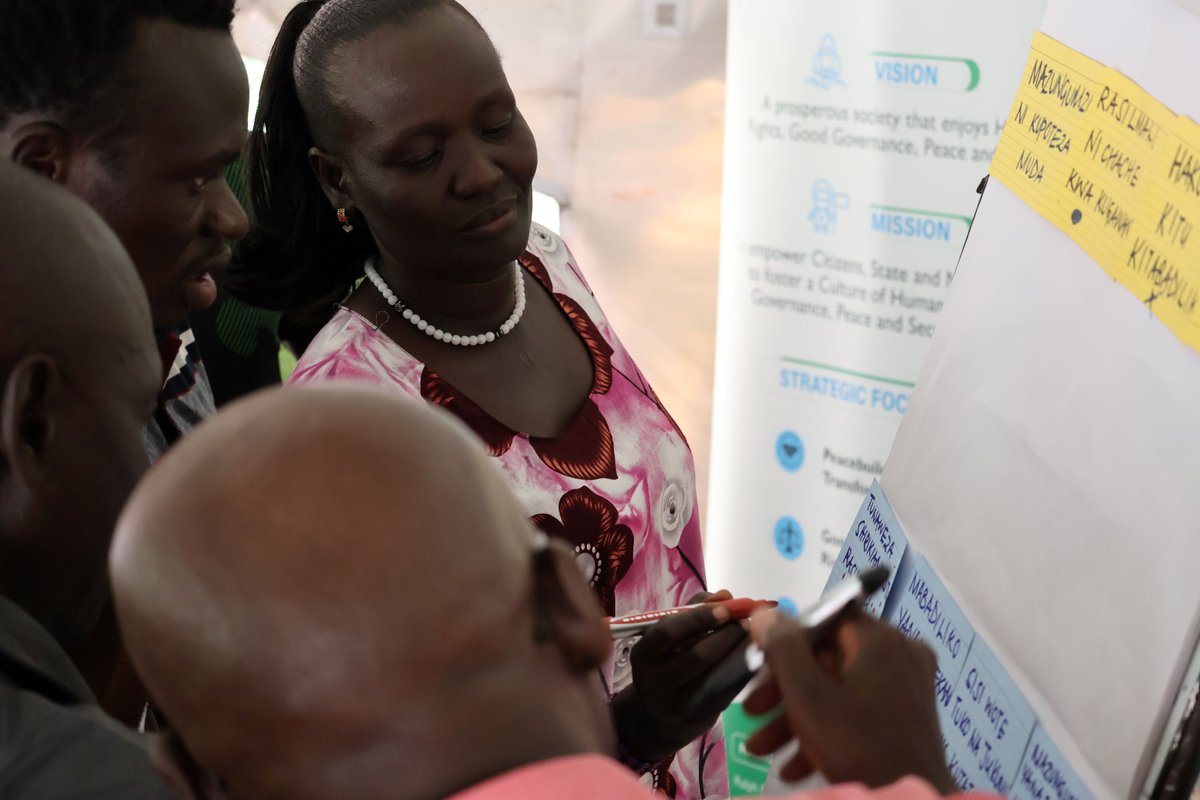
Join us tomorrow as we celebrate International Youth Day under the theme "Different Contexts, Common Aspirations," reminding young people everywhere that they have a right to dignity, opportunity, decent work, quality education, and a real say in decisions that shape their future.
The day will kick off with a procession from Christ the King Institute, followed by dialogue sessions and interactive peace activities.
#IYD2026
@UNDP4Youth | @giz_gmbh | @UNYouthAffairs | @YouthAffairsKe | @EUinKenya | @EUErasmusPlus
Strategic partnerships are most impactful when they combine strengths to address shared community priorities.
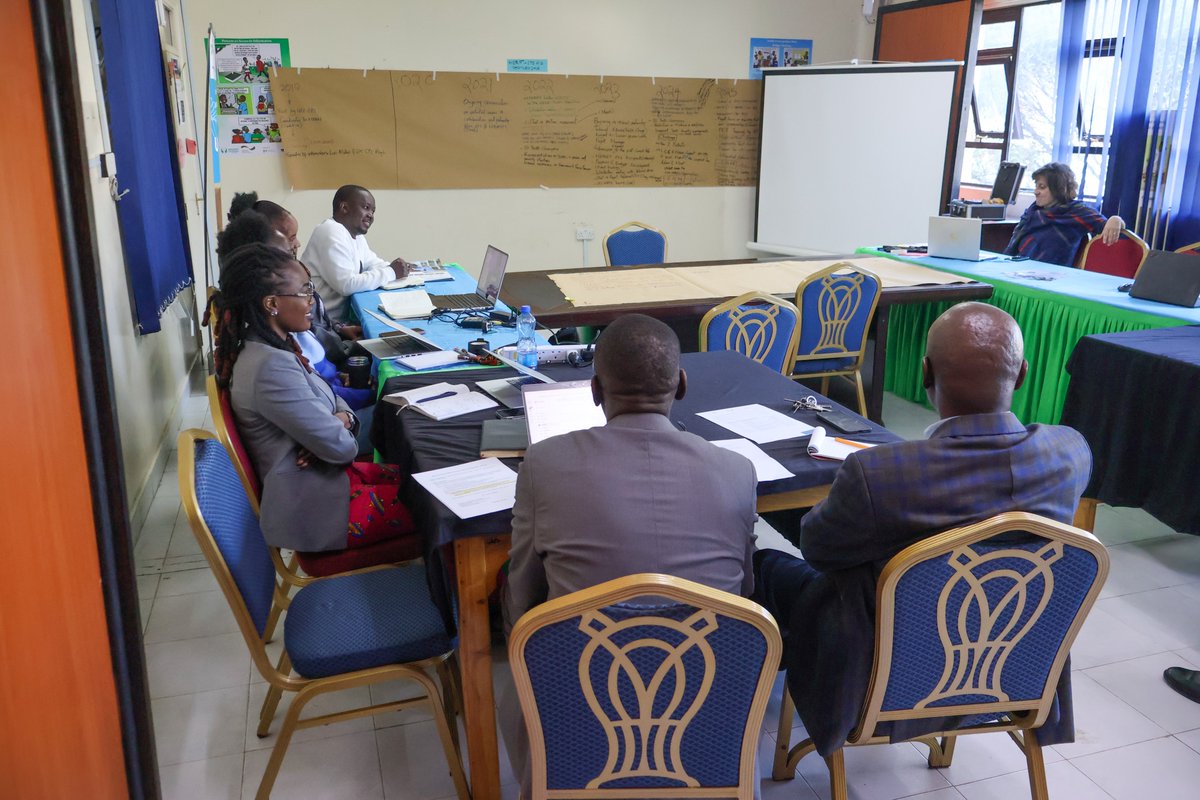
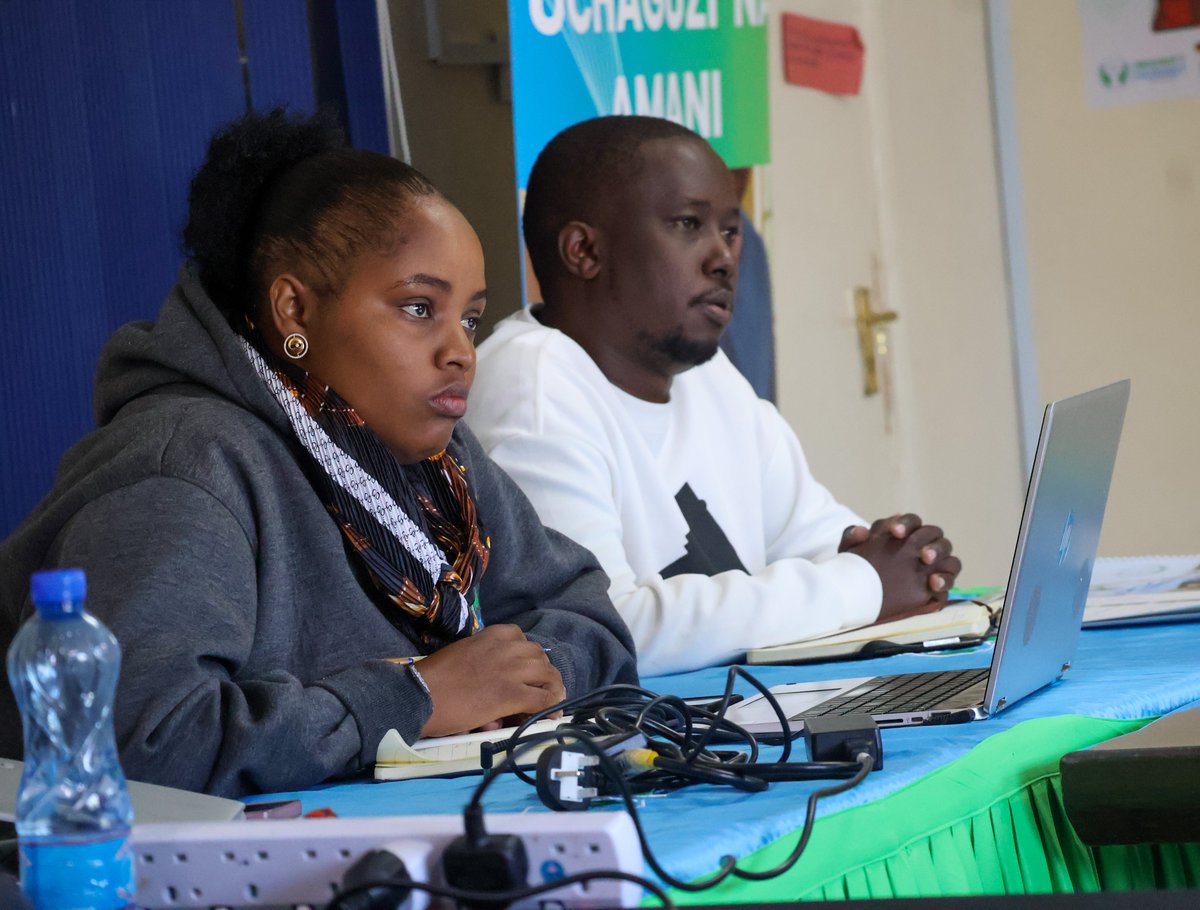
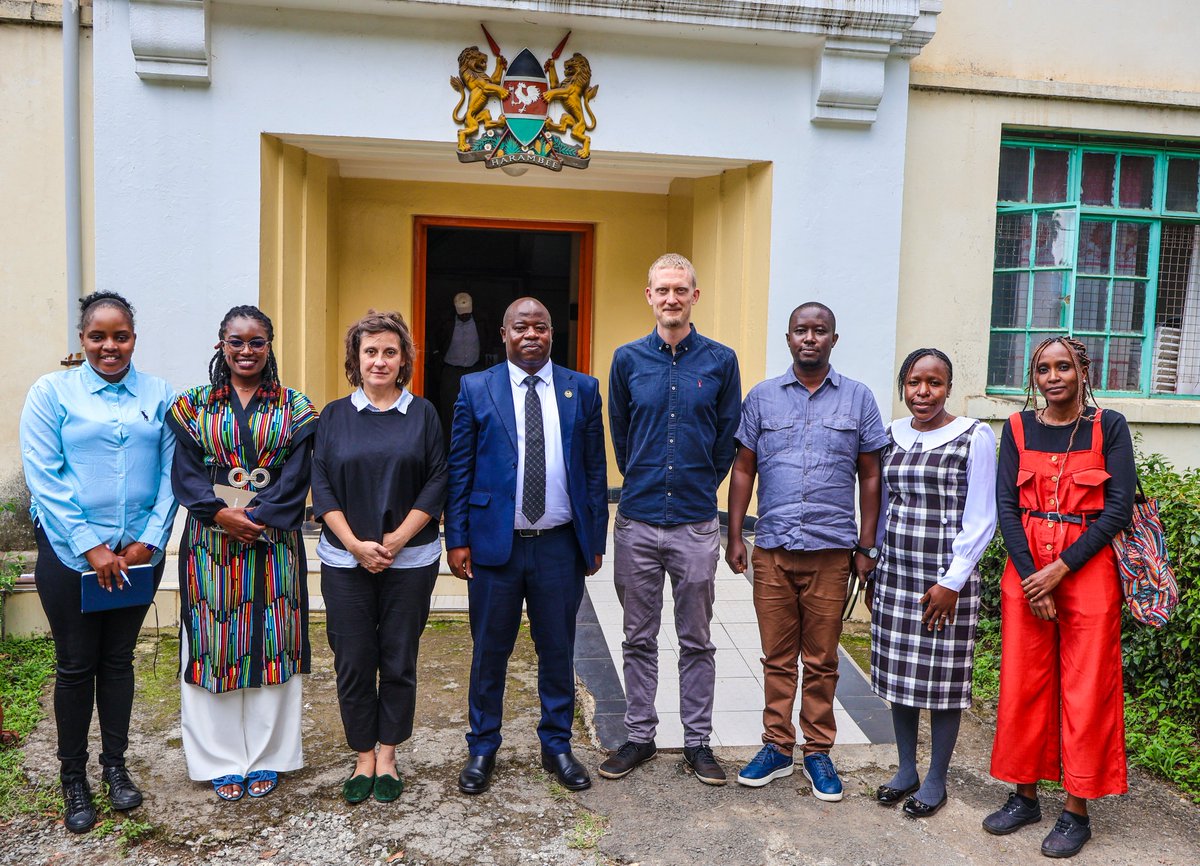
Guided by this principle, the engagement between MIDRIFT HURINET and Civil Peace Service (CPS) of GIZ focused on aligning efforts to advance peace, accountability, and community engagement through complementary programming.
The discussions emphasized strengthening collaboration with the National Government Administration Officers ( @ngaosKE ), deepening youth-led accountability, enhancing dialogue and social cohesion, and reinforcing election preparedness through MIDRIFT HURINET's role as an accredited IEBC observer.
The teams also explored enhancing Mental Health and Psychosocial Support (MHPSS) referral networks, increasing the use of the Early Warning Early Response (EWER) 107 App, promoting conflict-sensitive and data-driven peacebuilding, and driving positive narrative change on cohesive societies.
@zfdnews
Reflecting on the journey of the capacity-strengthening forums targeting Peace Monitors, Nairobi Region @APSKenya Commander John Amadadi acknowledged the leadership of the Deputy Inspector General - Administration Police Service for supporting and sustaining the initiative from its inception in Nakuru to its recent expansion to Nairobi.
He noted that this progression demonstrates how visionary leadership can transform a successful local intervention into a broader institutional model for strengthening peacebuilding capacities.
By creating opportunities for officers and peace monitors to learn together, exchange experiences, and enhance their competencies, the Administration Police Service has reinforced a culture of professionalism, accountability, and community-centred policing.
@DignityDK | @InteriorKE
Every enduring peace journey begins with a renewed commitment to serve, unite, and inspire hope within communities.
Drawing on his tenure as Rift Valley Region @APSKenya Commander, John Amadadi consistently called on peace monitors to embrace their role as trusted custodians of peace, reminding them that selfless service, strong community partnerships, and unwavering unity of purpose sustain lasting security.
His message challenged peace monitors to move beyond responding to conflict and instead become champions of prevention, dialogue, and social cohesion.
Reaffirmed during the capacity-strengthening forum, this renewed call to service underscored that peace is not the responsibility of institutions alone, but a shared endeavour built on trust, accountability, and active community engagement.
@DignityDK | @InteriorKE
#TBT
Reflecting on his tenure as Rift Valley Region @APSKenya Commander, John Amadadi consistently emphasized that peace monitors are not merely observers of conflict but custodians of sustainable peace within their communities.
His message highlighted that lasting peace is sustained through vigilance, trusted relationships, timely dialogue, and community ownership rather than reactive interventions alone.
As he reiterated during the capacity-strengthening forum in Nakuru, the responsibility of peace monitors extends beyond identifying emerging risks to nurturing social cohesion, strengthening public trust, and fostering partnerships that prevent conflict before it escalates.
His enduring call reaffirmed that when peace monitors remain committed to service, accountability, and community engagement, they become catalysts for resilient communities where peace is sustained through shared purpose, informed action, and collective leadership.
@DignityDK | @InteriorKE
Later, the joint MIDRIFT HURINET and Civil Peace Service (CPS) of GIZ teams visited the EWER 107 Situation Room, gaining first-hand insight into the operational backbone of the Early Warning Early Response system.
The visit provided a practical understanding of the reporting structure, case monitoring processes, and the coordinated mechanisms that transform community-generated information into timely interventions.
The engagement highlighted the critical role of technology, collaboration, and institutional coordination in strengthening conflict prevention, enhancing accountability, and improving community-centred security.
@zfdnews
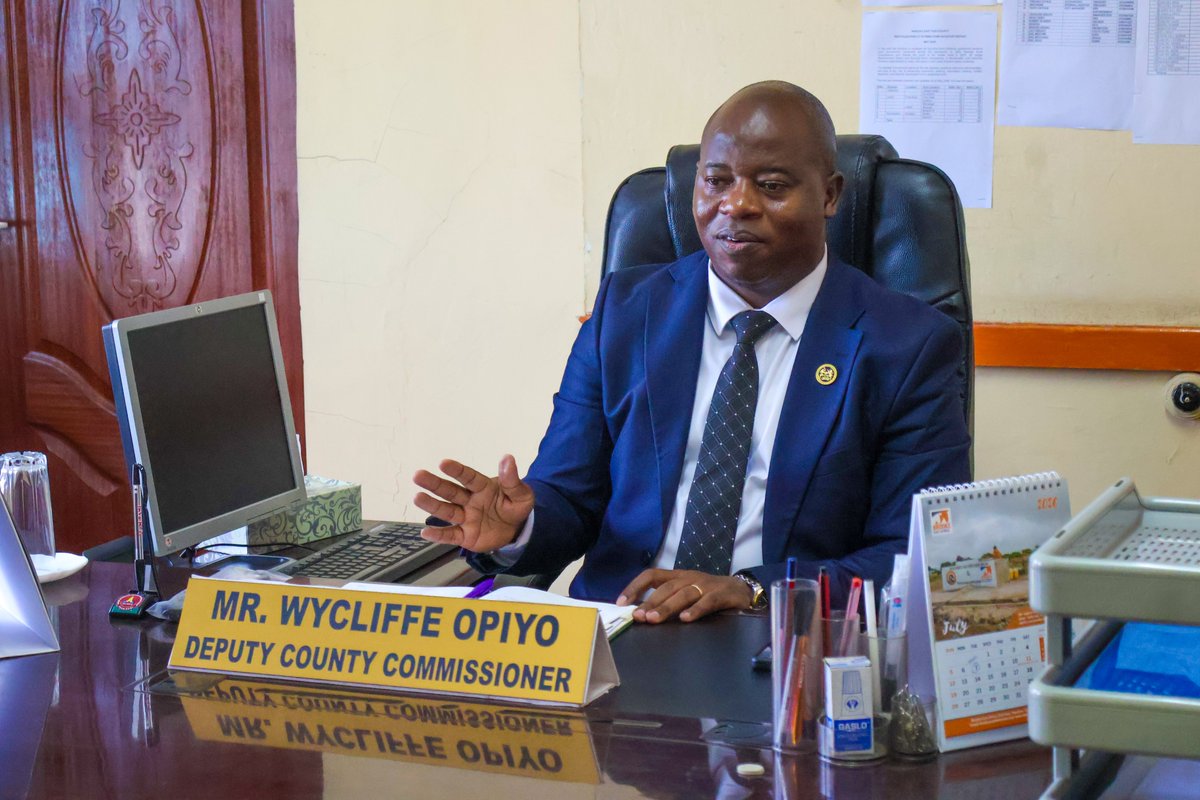
The courtesy visit to Nakuru Town East Deputy County Commissioner Wycliffe Opiyo reaffirmed that sustainable peace is built through authentic partnerships, coordinated leadership, and shared responsibility among state and non-state actors.
Bringing together MIDRIFT HURINET, Civil Peace Service (CPS) of GIZ, and the National Government Administration Officers (NGAO), the engagement highlighted the strength of an evolving partnership dedicated to advancing peace, accountability, and community engagement.
The discussions reflected on the progress of the Civil Peace Service (CPS) partnership, the importance of strengthening collaboration as the country prepares for the 2027 electoral cycle, and the value of evidence-based situational analysis in anticipating emerging risks.
The meeting also explored practical responses to urban refugee integration, youth vulnerabilities, drug and substance abuse, digital peace and security, and the growing challenge of organized youth violence, while emphasizing linkages to skills development, employment opportunities, and private-sector engagement.
Recognizing MIDRIFT HURINET's contribution to inter-communal peace processes across the Rift Valley, DCC Wycliffe Opiyo underscored the importance of multisectoral coordination forums, the technical support provided through the @ngaosKE structure, the rollout of the Early Warning Early Response (EWER) 107 App, strengthened electoral preparedness through multi-agency collaboration, and the role of village administrators in extending peace and security discussions to the grassroots.
@zfdnews
Active women groups in these areas were highlighted as beacons of hope, proving instrumental in driving initiatives that strengthen peaceful coexistence among the Pokot, Tugen, and Ilchamus communities. However, honest and transparent communication between the communities in this triangle remains wanting.
The leaders were challenged to act as true change agents by embracing cross-community collaboration and seizing every opportunity to transform their communities and to build a violence-free Baringo County.
@DIGNITY_INT@NPSOfficial_KE@ngaosKE@NCIC_Kenya@Baringo_county@NSCpeace@InteriorKE
The Peacebuilding and Collaborative Leadership Development Workshop in the second triangle between Tiaty East, Mukutani, and Marigat Sub-Counties in Baringo County brought together peace actors, women leaders, community elders, chiefs, and youth leaders.
While these areas are currently experiencing relative tranquillity, participants reflected on persistent peace and security challenges affecting community members, including:
💧Scarcity of water and grazing pastures continues to strain livelihoods and fuel competition among herders.
🐄Migration of herders in search of pastures disrupts stability and heightens tensions.
🍽️Food insecurity due to drought being experienced in the areas.
🛣️Poor road networks limit access to markets and essential services.
📚Frequent interruption of schools leaves young children vulnerable.
@DIGNITY_INT@NPSOfficial_KE@ngaosKE@NCIC_Kenya@Baringo_county@NSCpeace@InteriorKE
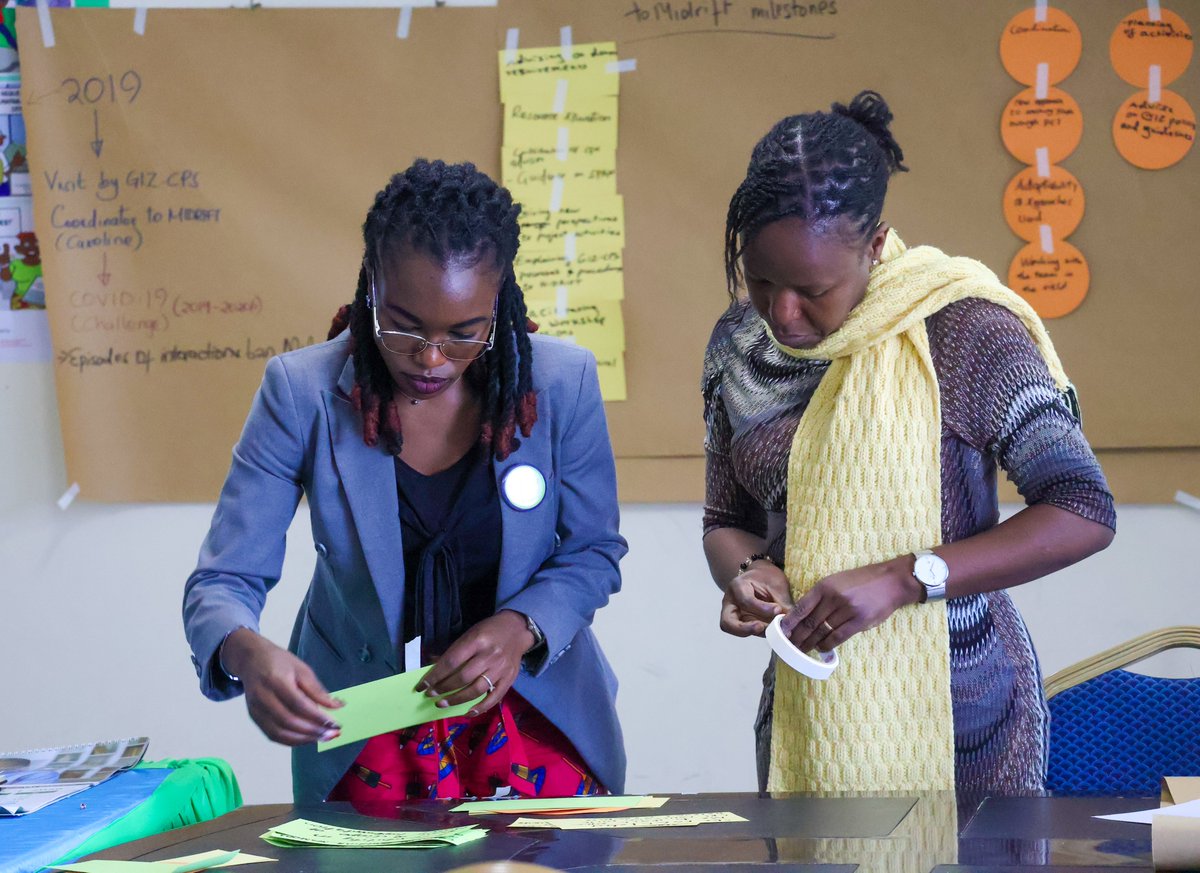
Day two of the engagement between MIDRIFT HURINET and Civil Peace Service (CPS) of GIZ shifted the focus from implementation to reflection, offering a comprehensive review of the partnership's institutional journey, strategic milestones, and collective impact in advancing peace, accountability, and community engagement in Nakuru Town East and Nakuru Town West.
Anchored in institutional memory, the session traced the collaboration's evolution since 2019, highlighting transformative initiatives such as the Peace and Security Programme; the introduction of Participatory Education Theatre (PET) as an advocacy tool; supporting multisectoral coordination forums on Peace and Security in Nakuru Town East and West; police–youth team-building initiatives; Mental Health and Psychosocial Support (MHPSS) partnerships; the launch of the Early Warning Early Response (EWER) App; PM+ training for CPS partners; governance capacity strengthening; police mental health initiatives; youth integration into accountability processes; the operationalization of the Rhonda Youth Friendly Centre; and the establishment of a Youth WhatsApp Peace Network that strengthened community reporting and early response.
The engagement also celebrated tangible outcomes, including increased youth representation in peace committees; enhanced civic participation; greater awareness of governance and women's political participation; responsible social media training for bloggers and journalists; and the cascading of civic education to community members at the grassroots level.
Reflecting on the journey, participants affirmed that inter-project collaboration, adaptive implementation, robust qualitative evidence, and the ability to respond to emerging peace and security challenges have become defining pillars of the partnership, reinforcing a shared commitment to institutional transformation, community ownership, and sustainable peacebuilding.
@zfdnews
Principal Deputy to the DIG– @APSKenya , Dr. Masoud Mwinyi, reminded peace monitors that the true value of learning is measured not in the training room, but in its application within the complex realities of the communities they serve.
Distinguishing theory and practice, he emphasized that while the principles of peacebuilding provide a strong foundation, every community presents unique dynamics that require sound judgment, professionalism, and informed discretion from officers on the ground.
He also challenged participants to embrace innovation by using the recently launched Early Warning Early Response (EWER) 107 App to prevent conflicts early and coordinate responses, and to share this knowledge with their fellow officers to strengthen institutional preparedness.
His remarks reinforced a defining message of the forum: building resilient communities for peace and conflict transformation depends on leaders who can translate knowledge into action, adapt to changing realities, and foster a culture of shared learning, accountability, and collaborative service.
@InteriorKE | @DignityDK
"What social connections are you bringing to the Service?"
https://t.co/tZdQ1amdJc
This strategic question, posed by Nairobi Region @APSKenya Commander John Amadadi during the Capacity Strengthening Forum, challenged peace monitors to reflect on one of the most valuable assets in peacebuilding: social capital.
Building cohesive communities for peace and conflict demands trusted relationships that connect law enforcement, communities, local leaders, and peace actors in a shared commitment to preventing conflict and strengthening social cohesion.
These social connections enhance information sharing, improve Early Warning and Early Response (EWER), foster accountability, and create space for inclusive dialogue before tensions escalate.
Deputy Inspector General of the Administration Police Service, Mr. Gilbert Masengeli, shows how purposeful engagement with communities strengthens public trust and reinforces the human face of policing.
His approach reflects the principle that lasting peace is built not only through institutional capacity, but through authentic relationships that transform trust into collective action, making communities and security institutions equal partners in safeguarding peace, justice, and sustainable development.
@DignityDK | @InteriorKE
United by a shared vision of a peaceful, cohesive, and empowered society, where accountable institutions, transformative leadership, and engaged communities work as trusted partners to prevent conflict, uphold human rights and justice, strengthen public trust, and advance sustainable peace, security, and inclusive development, 13 fellows from MIDRIFT HURINET and Civil Peace Service (CPS) of GIZ,German International Cooperation came together under a common agenda of games and experiential learning exercises that reflected the essence of their partnership.
The interactive sessions created a space for trust-building, collective reflection, and collaborative problem-solving, demonstrating that meaningful partnerships are strengthened through shared experiences.
These were part of the key lessons learnt during the exercise;
a)Lead with purpose, integrity, and accountability.
b)Build trust through meaningful relationships and community engagement.
c) Embrace adaptive leadership, reflection, and continuous learning.
d)Value every season of growth, change, and resilience.
e)Create lasting impact through partnerships and people-centred leadership.
@zfdnews
Day Two of the Peacebuilding and Collaborative Leadership Development workshop with local peace actors, community leaders and chiefs from Baringo North, Tiaty East, and Tiaty Central Sub-Counties of Baringo County.
Participants were guided into discussing the values and cultures of both the Tugen and Pokot communities, exploring how cultural norms and practices influence inter-communal conflict management. They also established that both emotional intelligence (EQ) and intelligence quotient (IQ) influence the values that guide conflict resolution or conversely contribute to violence. A key takeaway was that shared values should unite, foster cohesion and strengthen bonds among communities in the area.
Further discussions explored the powerful role of women in either encouraging or discouraging young men from participating in cattle raids. Among the Pokot, women wield significant influence; they can charge their husbands and sons towards engaging in raids and fueling conflicts, but when they oppose them, they remove symbolic paraphernalia such as beads from their necklaces or belts. This act instils fear and deters young men from joining raids, demonstrating the immense cultural power tied to these items.
The exercise of building a common purpose reinforced the importance of collaboration, highlighting how Tugen and Pokot community leaders can find common ground and work together to effectively address their shared challenges.
The development workshop concluded with leaders formulating a concrete action plan to address issues related to livestock movement and the establishment of grazing committees, with a firm commitment to include women in these solutions.
@DIGNITY_INT@InteriorKE@NPSOfficial_KE@NCIC_Kenya@ngaosKE@Baringo_county@NSCpeace
Building stronger communities begins with building transformative leaders.
At @Midrifthurinet, leadership and capacity strengthening programs are investments in a mindset that inspires accountability, a skill set that drives collaborative solutions, and a tool set that transforms systemic challenges into opportunities for peace.
When empowered leaders work alongside communities and institutions with purpose, trust becomes the currency of progress, cohesion becomes the foundation of society, and peace becomes a shared responsibility that shapes lasting conflict transformation.
@APSKenya | @DignityDK | @InteriorKE
Resilient communities are built every day through trust, shared responsibility, and meaningful partnerships.
Community-based policing embodies this vision by bringing citizens and law enforcement together to prevent conflict, strengthen accountability, and co-create lasting solutions.
When communities and security agencies work as partners, they transform trust into action, creating safer, cohesive societies where peace is sustained through dialogue, cooperation, and collective responsibility.
@APSKenya | @DignityDK | @InteriorKE
One chief from Kositei Location reminded participants: “Possessing stolen livestock is a curse. Those who engage in such criminality remain trapped in cycles of poverty and insecurity.”
The consensus was that collaboration is key in co-creating solutions to the insecurity challenges facing their communities and building a foundation for lasting peace in the county. This includes the inclusion of women in peace and security matters, reaching out to herders where they operate at an agreed time, and supporting each other as leaders in changing community mindsets.
@DIGNITY_INT@InteriorKE@ngaosKE@Baringo_county@tendasasa@denmarkinkenya@BenjaminCCheboi
Today we kicked off a weeklong Peacebuilding and Collaborative Leadership Development workshop with local peace actors, community leaders, and chiefs from Baringo North, Tiaty East and Tiaty West Sub-Counties of Baringo County. The goal is to strengthen their leadership capacities to prevent violence, foster peaceful coexistence, and lead locally owned peace initiatives, thanks to support from @DIGNITY_INT.
Participants reflected on challenges facing these areas, such as communities not talking with each other openly and genuinely; trust issues and resource-sharing tensions exacerbated by persistent drought and scarce pastures; overlapping boundaries and administrative units in Baringo North and Tiaty Central; and weak enforcement of livestock movement regulations. They also shared lived experiences from areas where collaboration and communication have successfully prevented cattle rustling.
@InteriorKE@ngaosKE@Baringo_county@tendasasa@denmarkinkenya@BenjaminCCheboi