So I don’t think issue tracking is actually dead. It's very much alive and well.
Bloated, human-era ticketing probably is dead though.
Coding agents don't kill the need for structure; they actually demand more of it. The faster the agent, the faster context rots and work sprawls.
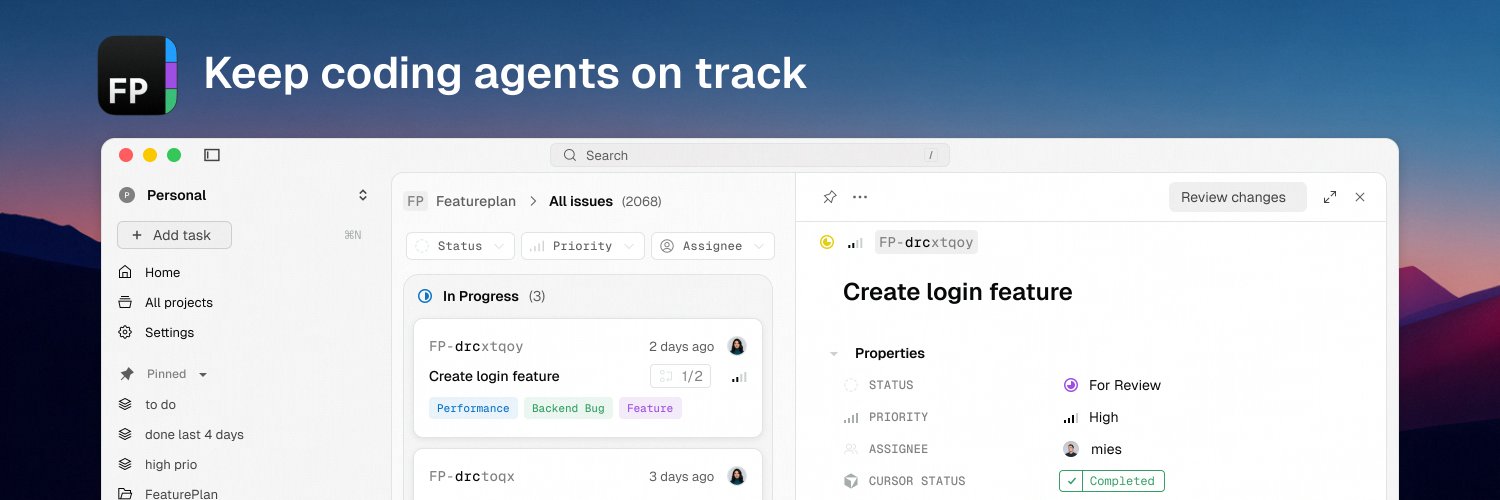
Scaffolding isn't optional anymore; it's the only thing keeping the wheels on this thing, and why we created https://t.co/jLtBD7y0gT
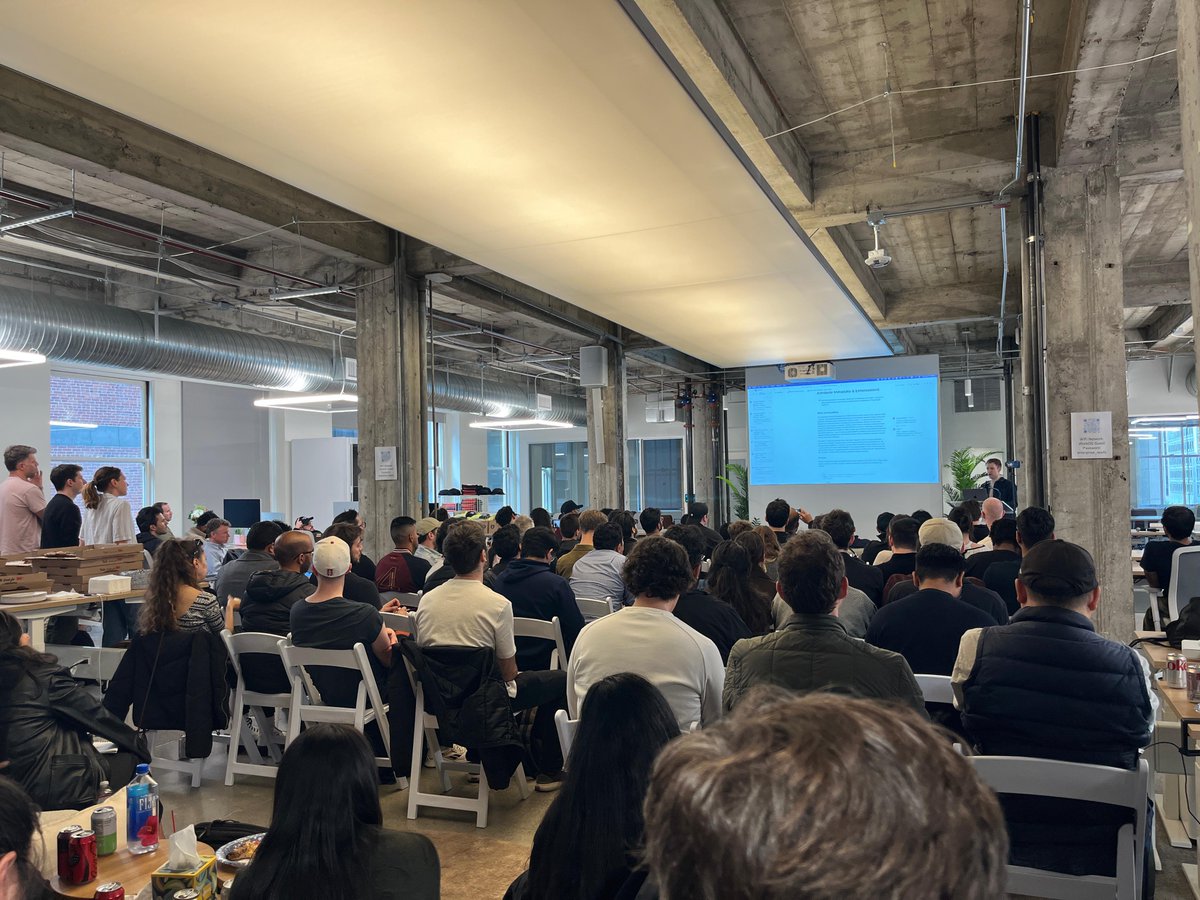
Shoutout to @daytonaio for organizing and @WorkOS for hosting a great night where builders gathered and of course giving us the opportunity to talk about how we're thinking about Autonomous Software Factories @fiberplane. Excellent conversations and new friends were made!
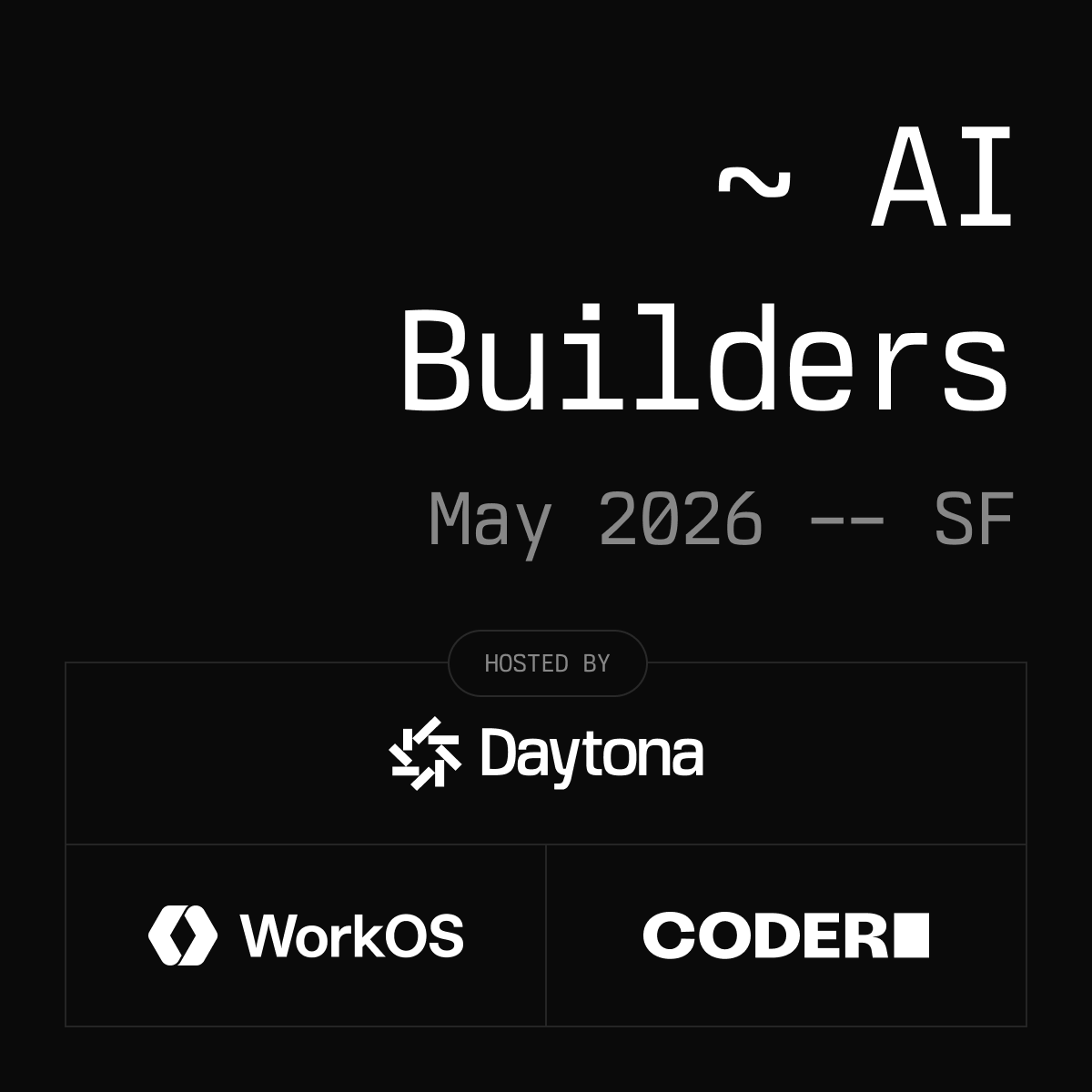
This Tuesday we hosted our monthly @daytonaio AI Builders Meetup in San Francisco in partnership with @WorkOS & @coderhq.
We had an incredible lineup of speakers covering topics from forkable sandboxes for long-running AI agents and self-driving codebases to scaling AI workflows in production, building reliable code review agents, generative UI patterns, and the infrastructure powering agentic software systems.
Thanks to our speakers 🎤
@muhashmii × @daytonaio@matt_md5 × @WorkOS
Jullian Pepito × @coderhq@HKrackDev × @coderabbitai@tyler_cpk × @CopilotKit@mies × @fiberplane
Thank you to everyone who joined us. See you tonight at UC Berkeley for the AI Researchers Meetup!
We've been running Claude Code autonomously on our codebase for months.
The trick: enforcement that prevents errors from compounding across commits.
- fp issue tracking with lifecycle hooks
- @EffectTS_ traces
- Drift-anchored QA scenarios
- Commit discipline before context compaction
How we built guardrails for agentic development
https://t.co/uHcWcK30Va
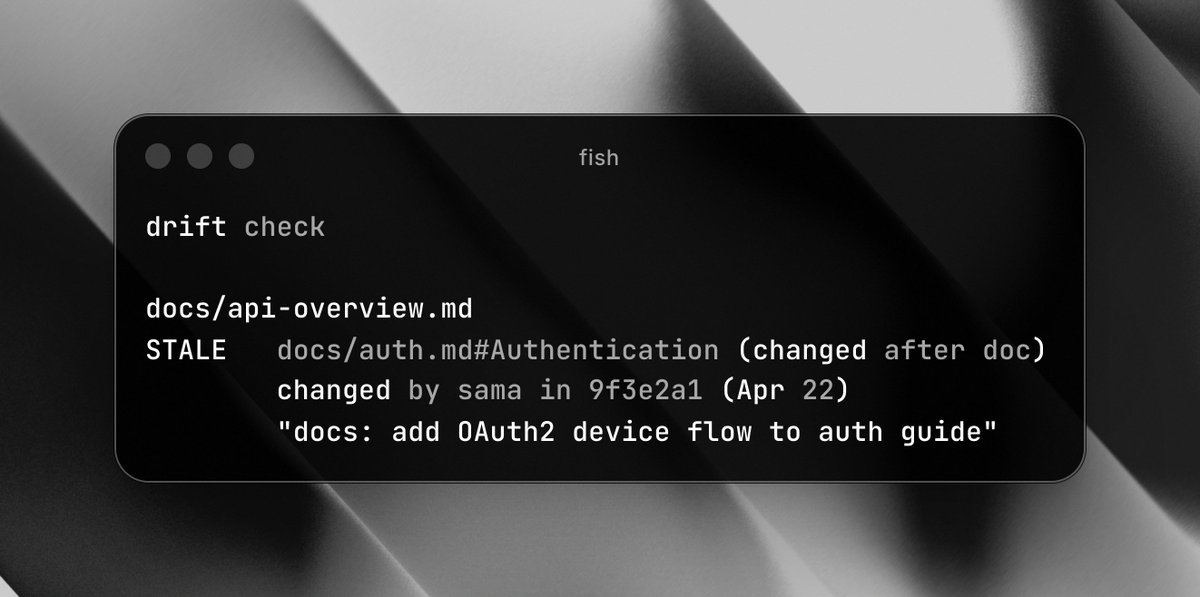
The overview is flagged because the anchored section drifted; not because someone fixed a typo in auth.md's unrelated "Rate Limits" section. The anchor is section-precise.
Drift is open source: https://t.co/gbXcBB3KxE
Turns out the dark software factory runs on markdown. CLAUDE.md, specs, plans, REFACTOR-V2-BRAINSTORM.md.
Agents read them as context and write more of them as output. When those docs drift from code, agents propagate the rot.
Drift is the integrity layer.
My favorite new drift feature is anchoring markdown to markdown.
So say you have a high-level docs/api-overview.md that tells developers "see the Authentication section for details."
You don't want to duplicate the auth flow, but
you do want to know when the auth docs change so you can update the overview.
@mitryc0 Linear is great for coordinating people. We’re building for a different loop: not team handoff tracking, but agent execution inside the repo.
If the work is happening in Claude Code/Codex and the repo, the issue tracker should live there too.
So I don’t think issue tracking is actually dead. It's very much alive and well.
Bloated, human-era ticketing probably is dead though.
Coding agents don't kill the need for structure; they actually demand more of it. The faster the agent, the faster context rots and work sprawls.
Scaffolding isn't optional anymore; it's the only thing keeping the wheels on this thing, and why we created https://t.co/jLtBD7y0gT
Issues and brainstorms as markdown. Local first, sync optional.
Our bet is simple: in an agent-native workflow, the issue stops being paperwork and actually becomes the control plane.
Plan the work. Bound the task. Keep the memory.
Check out https://t.co/rcD3D2j6cf