@BMeinl ‼️‼️ Look who’s shaking hands, smiling for cameras and cozying up to terrorist regime that has funded Houthis and Hamas and other terrorist groups across the region for the past 40 years.
https://t.co/LxgK7uRgXu
For the first time, the world can see the January massacre unfold in sequence, through the lenses of the brave Iranians who took to the streets and documented what happened around them, sometimes in their final moments.
Hours of previously unseen footage, gathered and preserved by @ManotoNews, reveal the scale of the Islamic Republic’s mass killing of protesters. There is no outside narrator. The Iranian people recorded their own courage, the regime’s brutality and the truth it tried to conceal.
https://t.co/NOOTlRYZ19
Read the investigation by @AndyJehring and @NatalieLisbona, and watch the four-part documentary This Is Our Story.
They risked everything to leave this evidence behind. The least the world can do is watch, share and refuse to let their voices be silenced.
Content warning: graphic and deeply distressing footage.
https://t.co/q4C99k9BWE
Tehran, January 9. The Islamic regime claims to speak for these people. Listen to whom they’re calling for: HRH Reza Pahlavi.
“Beloved King, come back to Iran, The turbaned rulers have destroyed our country.”
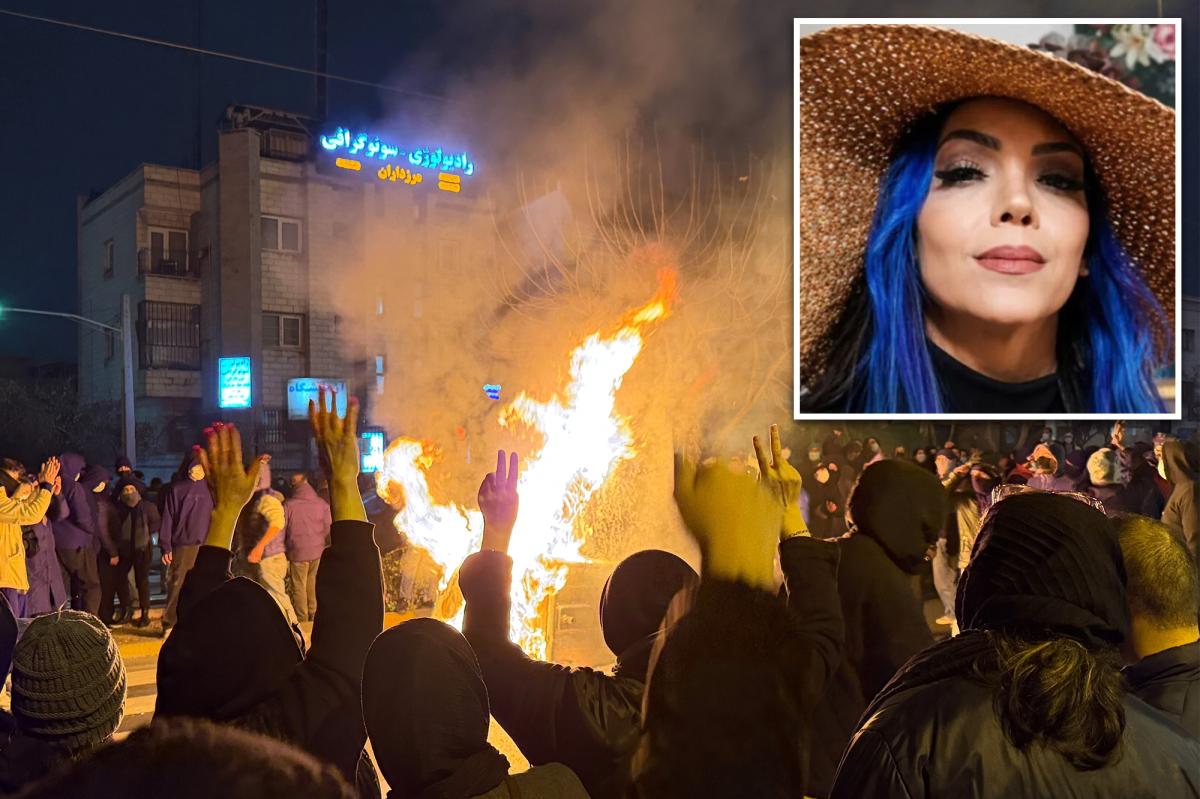
Inside Iran's bloodiest crackdown: How brave protesters defied regime until their dying breaths by capturing the massacre their leaders tried to hide https://t.co/gYkCjqPH75
🔴VIDEO: How it all started with Iran 47 years ago: For those of you who were not around in 1979, here is how it all started when the radical Mullahs overtook the Iranian people and took hostages at the U.S. Embassy in Tehran.
Thank you to Crown Prince @PahlaviReza for discussing how Canada can protect our country from IRGC terrorists and stand with the Iranian people in their fight for a free and democratic Iran.
Canada must expel terrorist regime operatives, protect our communities from threats and intimidation, and stand for freedom.
Iran's Rights in the Caspian Sea Are Not Negotiable.
The Islamic Republic, amid profound structural weakness and a deep crisis of legitimacy, is seeking to advance and implement the Convention on the Legal Status of the Caspian Sea (the Aktau Convention). This effort, undertaken without the mandate of the Iranian people and without a clear and comprehensive guarantee of Iran's historic rights, is deeply concerning and constitutes a serious threat to Iran's national interests.
Under the 1921 and 1940 treaties between Iran and the Soviet Union, the legal regime governing the Caspian Sea was founded on the parties' shared rights and the principles of mutual agreement and common interests.
Following the dissolution of the Soviet Union, the newly independent states reaffirmed, in the Alma-Ata Declaration (December 1991), their commitment to the treaties of the former Soviet Union and to fulfilling the international obligations arising from those agreements through the successor states.
Accordingly, any fundamental change to the legal status of this strategically vital body of water must be made with the agreement of all littoral states and with full respect for Iran's rights.
However, the Aktau Convention provides for the conclusion of bilateral and multilateral agreements among the littoral states concerning portions of the seabed and subsoil of the Caspian Sea, areas that were previously part of the shared waters of Iran and the Soviet Union.
This sets a dangerous precedent. By circumventing the principle of consensus among all littoral states, it effectively weakens Iran's historic position and diminishes the country's role in determining the future legal status of the Caspian Sea.
Since the signing of the Aktau Convention in 2018, I have repeatedly warned that "national interests cannot be safeguarded from a position of weakness." At the time, I also stressed that the criminal clique ruling the Islamic Republic sacrifices the interests of the Iranian nation and homeland for its own survival, and that its foreign policy repeatedly resorts to concessions and appeasement from a position of weakness.
My position on the current process remains unchanged. I consider the Islamic Republic's attempt to ratify this convention to be contrary to Iran's national interests.
No decision concerning Iran's resources, borders, or sovereign rights in this strategic body of water can possess legitimacy without the genuine participation and consent of the Iranian people. Iran's rights in the Caspian Sea are not negotiable, nor can they be relinquished. Any action that undermines these rights will be recorded in the historical memory of the Iranian nation, and those responsible will ultimately be held accountable by the people of Iran.
هممیهنانم،
امروز، سالروز امضای فرمان مشروطیت در ۱۴ مرداد ۱۲۸۵، برای ما یادآور یکی از بزرگترین جنبشهای تاریخ معاصر ایران است، جنبشی که از دل اندیشه و تلاش دهها سالهی ایراندوستانی برخاست که از عقبماندگی و نابسامانی ایران در دوران قاجار رنج میبردند.
آرمان مشروطیت بر سه اصل بنیادین استوار بود:
حاکمیت قانون،
حاکمیت ملی و اراده ملت،
و پیشرفت و ترقی ایران.
مشروطهخواهان بهخوبی دریافته بودند که بدون قانون، دادگستری مدرن و سامان اقتصادی، استقلال و پیشرفت کشور امکانپذیر نخواهد بود. شاید بتوان سخن ابوالحسنخان پیرنیا، نماینده تهران در جل��ه ۱۵ شهریور ۱۲۸۶ نخستین مجلس شورای ملی، را چکیده و تجلی خواست آنان دانست:
«ایرانیان را دیگر جان به لب رسیده است؛ دو چیز لازم داریم، یکی مالیه و یکی عدلیه.»
کتاب «یک کلمه» اثر میرزا یوسفخان مستشارالدوله نیز همین حقیقت را یادآور میشد: راز پیشرفت کشور در یک کلمه خلاصه میشود، قانون.
اما این مبارزه با مقاومت مشروعهخواهانی روبهرو شد که حاکمیت شرع و فقها را بر قانون و حاکمیت ملی برتری میدادند. آن جریان فکری، دههها بعد در قالب جمهوری اسلامی و ولایت فقیه بر ایران حاکم شد. تأسفبار آنکه امروز نیز برخی جریانهای سیاسی، هرچند با ظاهری متفاوت، همچنان با اصل حاکمیت ملت و پذیرش رأی مردم بهعنوان مرجع نهایی تعیین نظام سیاسی آینده ایران مخالفت میکنند.
اگرچه آشفتگیهای سالهای پایانی حکومت قاجار، و کارشکنی م��الفان مشروطه مانع از تحقق کامل آرمانهای این نهضت شد، اما بخش مهمی از آن آرمانها در دوره حکومت دو پادشاه پهلوی تحقق یافت و به اجرا درآمد، از جمله با تأسیس دادگستری مدرن، احداث راهآهن سراسری، نوسازی ارتش، تأمین امنیت کشور، بنیانگذاری بانک ملی، ساماندهی امور اقتصادی و مالی و ایجاد دیگر نهادهای بنیادین توسعه.
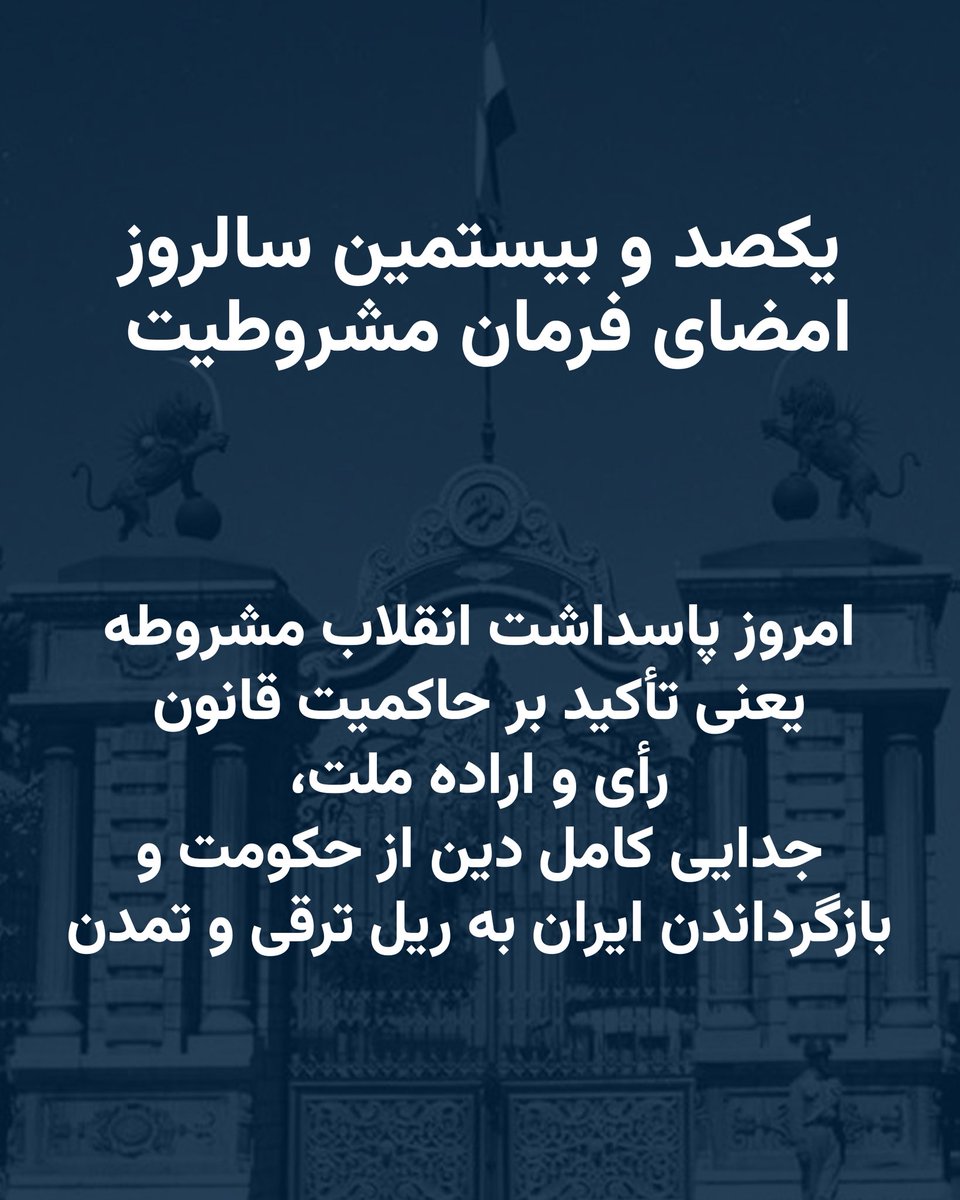
امروز پاسداشت انقلاب مشروطه یعنی تأکید بر حاکمیت قانون، رأی و اراده ملت، جدایی کامل دین از حکومت، و بازگرداندن ایران به ریل ترقی و تمدن.
بر همین اساس، برنامه من برای هدایت ایران در دوران گذار بر برگزاری انتخابات آزاد، حاکمیت رأی ملت، تشکیل مجلس مؤسسان برای تعیین مسیر آینده کشور و فراهم آوردن زمینه شکوفایی و رفاه برای همه ایرانیان تأکید دارد.
سالروز صدور فرمان مشروطیت گرامی باد و یاد همه تلاشگران راه آزادی، قانون و پیشرفت ایران جاودان.
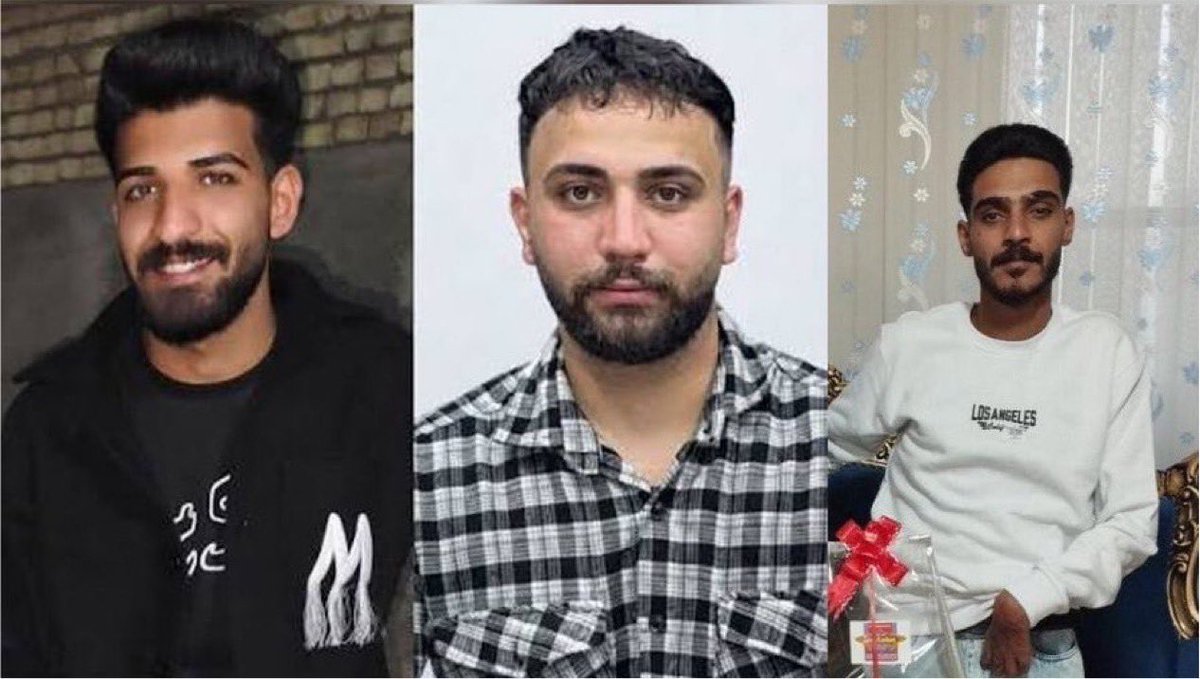
Neither President Trump nor the US government has acknowledged the Iranian regime’s public executions at Alikhani Square, Isfahan.
Say their names, Mr President:
• Abolfazl Sepahi
• Alireza Sepahi
• Amirhossein Safari
Do not let the Mullahs win. Free Iran! (@POTUS)