Among the hundreds of rescue dogs deployed to Venezuela after the devastating earthquakes, one four-legged heroine has made Peru incredibly proud. 🐕🦺❤️🇻🇪
She is called Kayra.
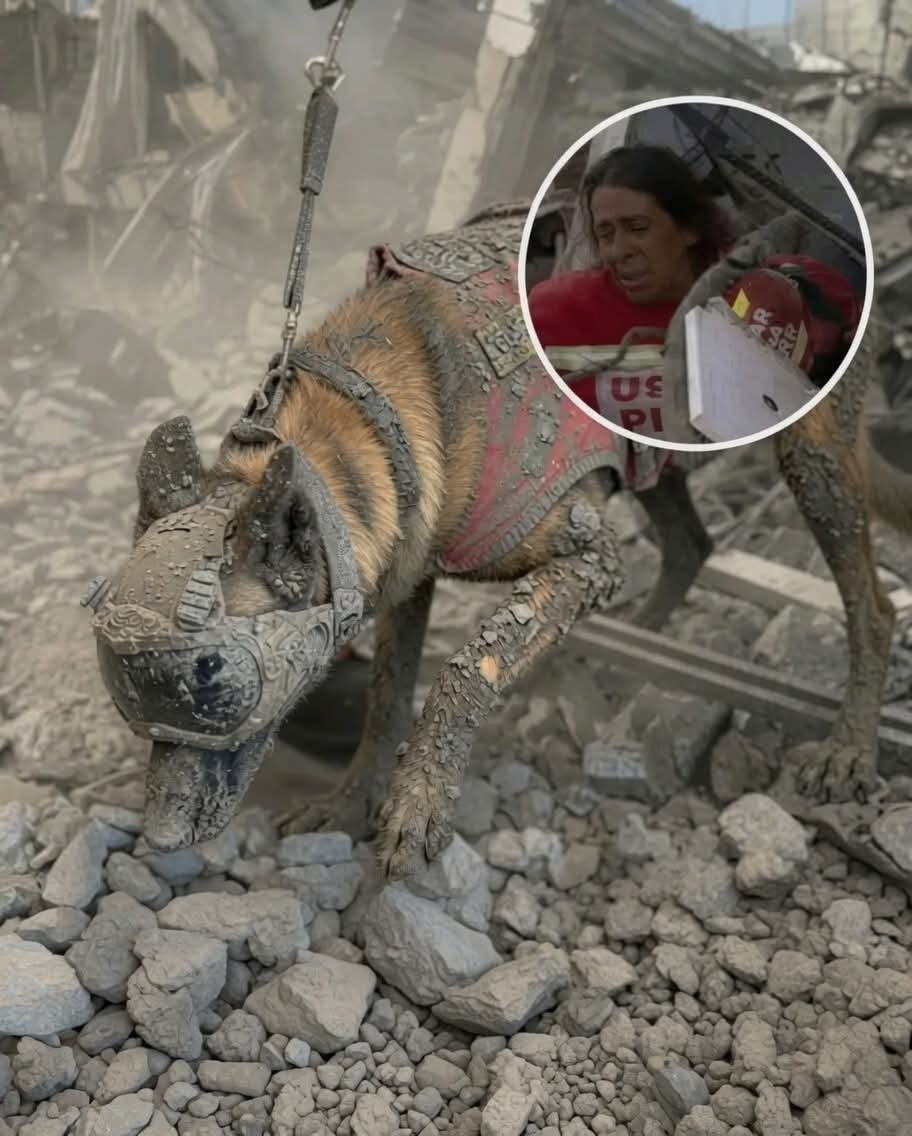
Kayra is a 4-year-old Belgian Malinois with Peru's Urban Search and Rescue (USAR) Fire Department. Trained to detect human scent beneath collapsed structures, she became one of the silent heroes working tirelessly in Venezuela after the devastating double earthquakes.
Amid the endless piles of shattered concrete in La Guaira, Kayra and her handler, Lieutenant Daniel Herrera, searched inch by inch, hoping to find signs of life beneath the rubble.
Then Kayra suddenly stopped.
She sniffed the ground repeatedly, scratched at the debris, and gave the unmistakable signal that someone was still alive below.
Trusting his four-legged partner, Herrera immediately directed the rescue team to begin digging.
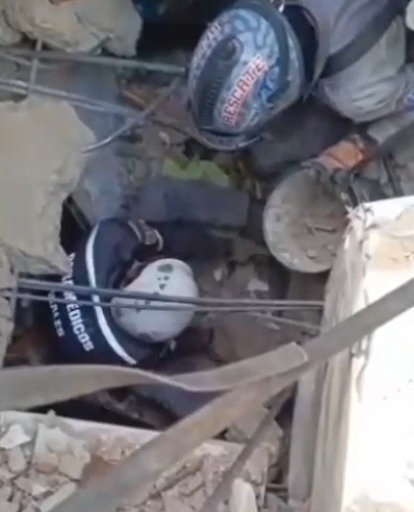
After hours of careful and exhausting work, rescuers pulled 60-year-old Belkys Barreto alive from the collapsed building after she had spent nearly three days trapped beneath the rubble.
It became one of the many rescues that brought hope amid a disaster that claimed thousands of lives.
But Kayra's work didn't end there.
She continued moving from one disaster site to another, searching through dust, extreme heat, and unstable ruins, because for a rescue dog, every new scent could mean another person waiting to be found.
Dogs like Kayra don't understand fame.
They don't know the world is calling them heroes.
They simply know that when their handler walks toward the rubble...
They follow.
Because that's what they were born to do.
Thank you, Kayra.
And thank you to every search-and-rescue dog using an extraordinary nose, unwavering courage, and unconditional loyalty to bring hope back to places where hope seems lost.
Sometimes, heroes don't need words.
Sometimes...
They simply stop, lower their nose to the ground, and lead rescuers to another life waiting to be saved. ❤️
Entre las tantas víctimas que sobrevivieron hay un grupo importante, tanto niños como adultos, que sufrieron amputaciones u otras lesiones que los dejaron con movilidad reducida. En el futuro próximo es primordial construir espacios públicos accesibles y normas de construcción
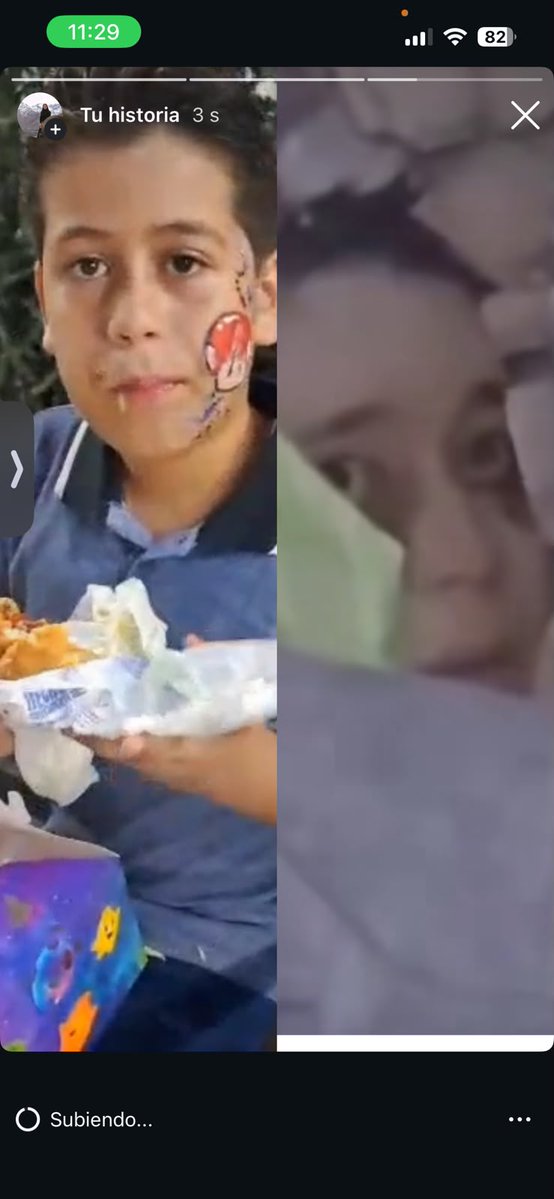
#Destacadas#10Julio#SOS Se solicita información sobre el grupo de rescatistas que participó en la extracción del niño Xavier Lovera Santander, de 9 años de edad ( tiene un lunar en el tobillo izquierdo). Asimismo, su abuelo, Antonio Santander, desea conocer quién grabó el video durante el operativo de rescate del día 29-06.
El abuelo ha visitado varios centros de salud en busca de información sobre su nieto. El menor se encontraba en su residencia, ubicada en la OPP 27, Torre B, piso 4, sector Los Cocos, Caribe, al momento del terremoto.
Cualquier información que pueda contribuir será de gran ayuda. Por favor, comunicarse al número telefónico 0424-8934494.
Antonio Santander, abuelo del menor. Foto y Video: A. Santander Vía: @briceida2010
Miren esto ..el.policia apoyado por qué está en grupo le quiere quitar el teléfono a un chamo por qué está grabando,pero que sucede la gente ve la injusticia y se les van encima ,allí es donde se cagan
YA BASTA DE TANTO ATROPELLO
HDPA!!
Yezidi mothers mourning their families killed by lSlS for refusing to convert to lsIam.
This is one of biggest mass graves in history of Iraq.
All eyes were closed on killing of 10K Yezidis, kidnapping and raping 7 Yezidis, Genocide of 500K Yezidis!
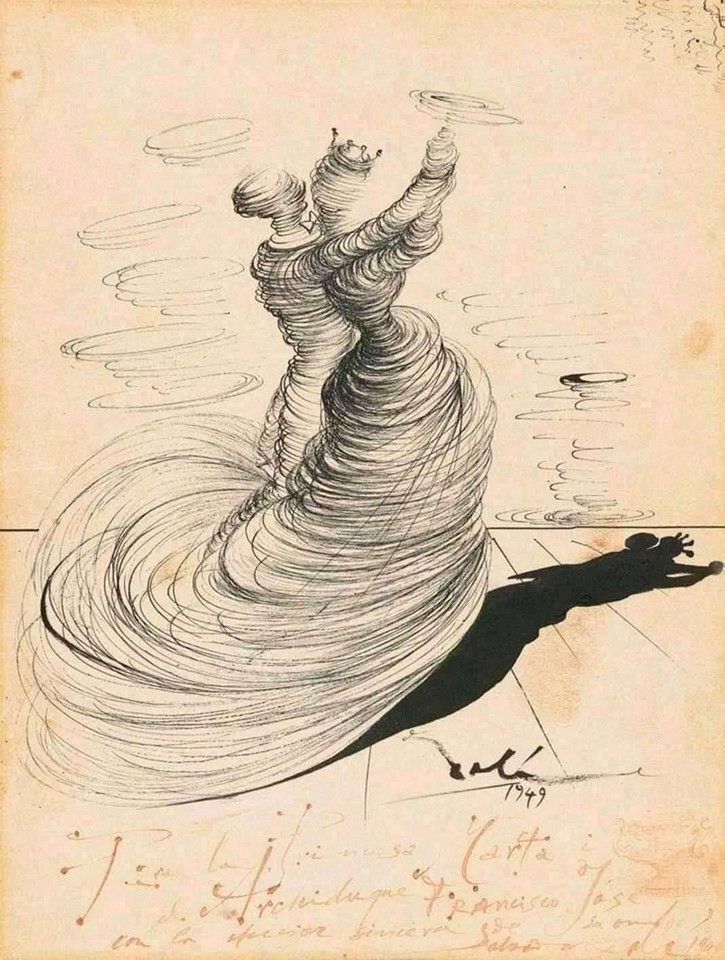
"El individuo ha luchado siempre para no ser absorbido por la tribu. Si lo intentas, a menudo estarás solo, y a veces asustado. Pero ningún precio es demasiado alto por el privilegio de ser uno mismo".
Friedrich Nietzsche
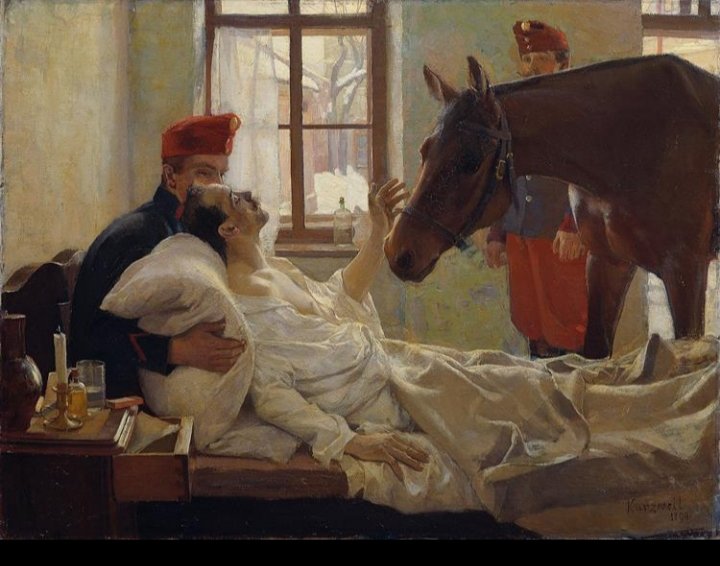
Este cuadro siempre me conmueve
Max Kurzweil, es uno de mis indiscutibles, por sus motivos, sus composiciones y su narrativa en la imagen.
"A dear visit"
Buenos días, queridos
A partir de hoy El Salvador instalará un hospital de campaña en Playa Grande 🇸🇻🇻🇪
📍Estará ubicado en la Avenida Principal de Playa Grande frente a lo que era el restaurante “Rompeolas” 🫂
Contará con los servicios de medicina general, psicología y veterinaria 🇸🇻🇻🇪
#DENUNCIA
Se hizo viral un video en el que el carpintero Guillermo Uzcanga denunciaba la desaparición de unas 200 urnas que él y su equipo habían fabricado para las víctimas del terremoto que azotó a Vargas. Tras la denuncia, Uzcanga publicó un nuevo video explicando que recibió un comunicado de Bolipuertos rechazando la ayuda humanitaria bajo el argumento de que las urnas "no eran tan bonitas".
Es indignante y miserable que se emita un comunicado así cuando abundan los videos que muestran cadáveres en descomposición tirados en el suelo durante días, mientras se les exige a los familiares que se los lleven como puedan. La mayoría de los afectados no tienen ni para comer porque lo perdieron todo; es una crueldad que las autoridades les arrebaten incluso la posibilidad de dar una sepultura digna a sus seres queridos
The aftermath of Third Servile War Spartacus's rebellion produced one of the most deliberately theatrical acts of mass terror in the ancient world, and the man who ordered it was not primarily a soldier but Rome's richest citizen: Marcus Licinius Crassus, who had taken command of the Roman forces after earlier commanders suffered humiliating defeats against the slave army.
Crassus defeated Spartacus in pitched battle in southern Italy in 71 BC, likely killing Spartacus himself in the fighting, though his body was never positively identified among the dead. The rebellion that had lasted nearly two years, ranged across much of the Italian peninsula, and inflicted multiple catastrophic defeats on Roman armies was over.
The practical question of what to do with the approximately 6,000 surviving rebels who had been captured presented Crassus with an opportunity that he evidently decided to use for maximum political and psychological effect.
He ordered them all crucified along Via Appia, Rome's most important and heavily traveled road, running approximately 350 miles from the city of Capua, near where the rebellion had begun, to Rome itself.
The crosses were deliberately spaced so that the bodies were visible as a continuous line along the road's entire length ancient sources suggest approximately one cross every 40m, creating an unbroken corridor that every traveler between Capua and Rome would be forced to walk through for as long as the bodies remained.
Ancient sources indicate that the bodies were left on the crosses and not permitted to be taken down, remaining visible along the road for a period of months.
The message was not addressed to potential foreign enemies. It was addressed to the approximately two to four million enslaved people living within Roman Italy a population that Spartacus had demonstrated, to Rome's considerable alarm, was capable of organized military resistance at a genuinely threatening scale. The 350-mile line of crosses was Rome's answer to that demonstration.
#archaeohistories