@mwineedgar@UNmigration Beyond the need by agencies not to alienate EU donor states following US cuts, 'return hubs' will likely heighten vulnerability of migrants & asylum seekers at the expense of legal pathways, more efficient asylum systems.
Will returnees move onward to UG, KE, GCC or to RSA?
Rwanda, Denmark, Germany, Greece and the Netherlands jointly exploring establishment of a migrant return hub in Rwanda with advice from @Refugees & @UNmigration
https://t.co/68igYB8EGu
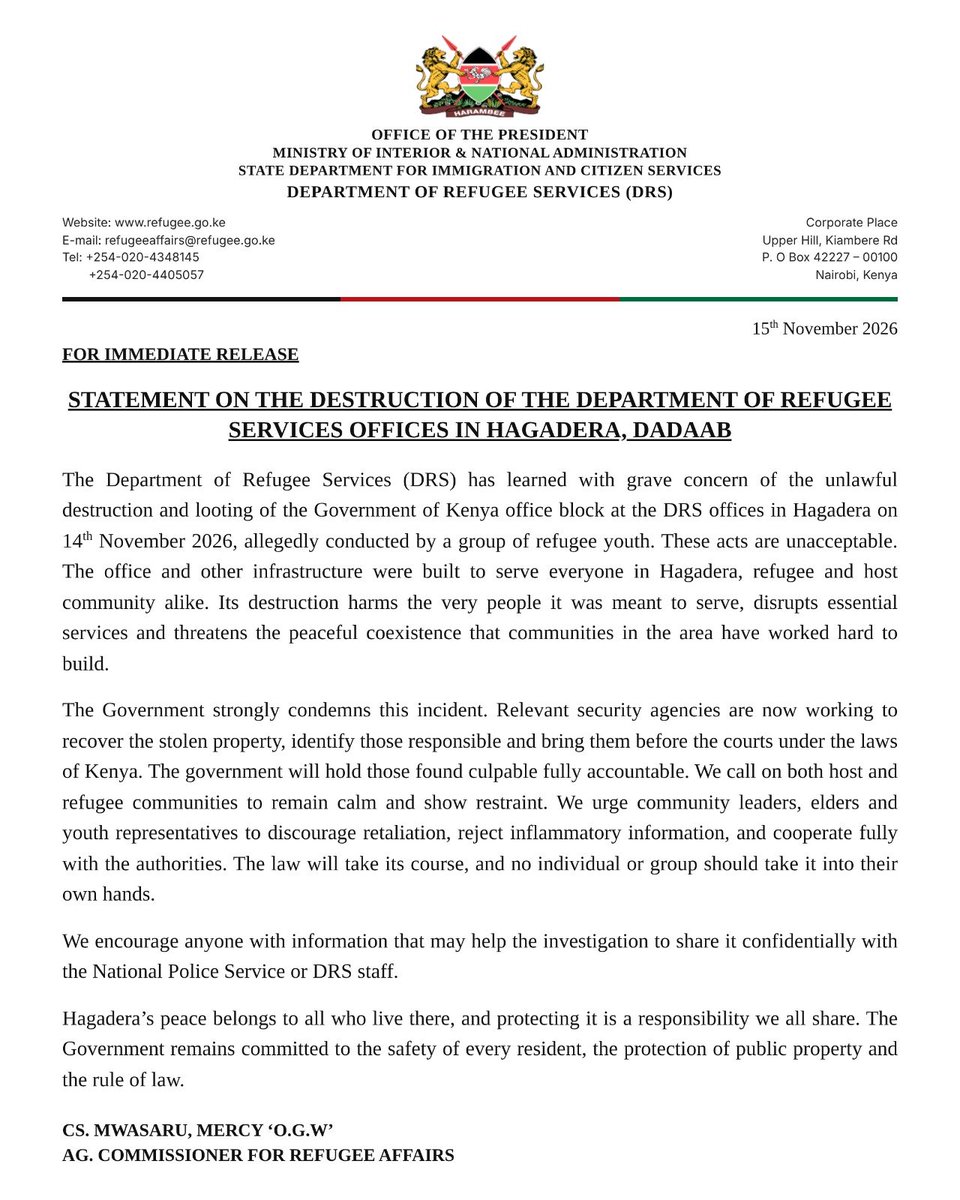
This development in #Kenya is likely test Art. 19 (2) & reg.45 of the refugee Act - a less known & rarely applied expulsion provision gazetted in 2021 & 2024
Articles 2 & 32 of the 1951 Convention expressly requires refugees to respect the laws & regulations of the host country
Key to note is that where expulsion is considered in respect of a refugee who has committed a serious
crime in the host State, the nature and gravity of the criminal conduct are important elements but, they are not, in themselves, determinative.
@JFCrisp "Burden- and responsibility-sharing among states must remain a matter of sovereign choice."
Difficult days ahead for refugee hosting operations in the 'global majority'.
This spending - at a time when more than 110 million people in Africa face acute food insecurity or worse & climate-related shocks exacerbating food insecurity, displacement and economic hardship - newly displacing 3.1 million between Feb-June 2026 @SIPRIorg@ituc_africa
Military spending in Africa rose by 8.5% to $ 58.2B fueling an arms race, while humanitarian needs face cuts.
Meanwhile, @UNOCHA reports that conflicts across Africa are intensifying humanitarian needs, with evolving warfare tactics & drone use, worsening civilian casualties.
Governments are expanding investments in military capabilities while reducing resources for poverty alleviation, humanitarian relief and sustainable development.
https://t.co/htD9inm3dY
In #Sudan, drone use significantly escalated the lethality of the conflict with deaths from drone attacks accounting for 80% of all conflict-related deaths as Africa records the sharpest decline globally in humanitarian access hindering aid delivery & access to essential services
How can Africa turn climate mobility commitments into action?
Join @_AfricanUnion, @ecowas_cedeao, @IGADsecretariat & @GIZAfricanUnion at #COP31 for a discussion on strengthening regional cooperation & protecting people on the move.
10 Nov | 14:30 | ECOWAS Pavilion.
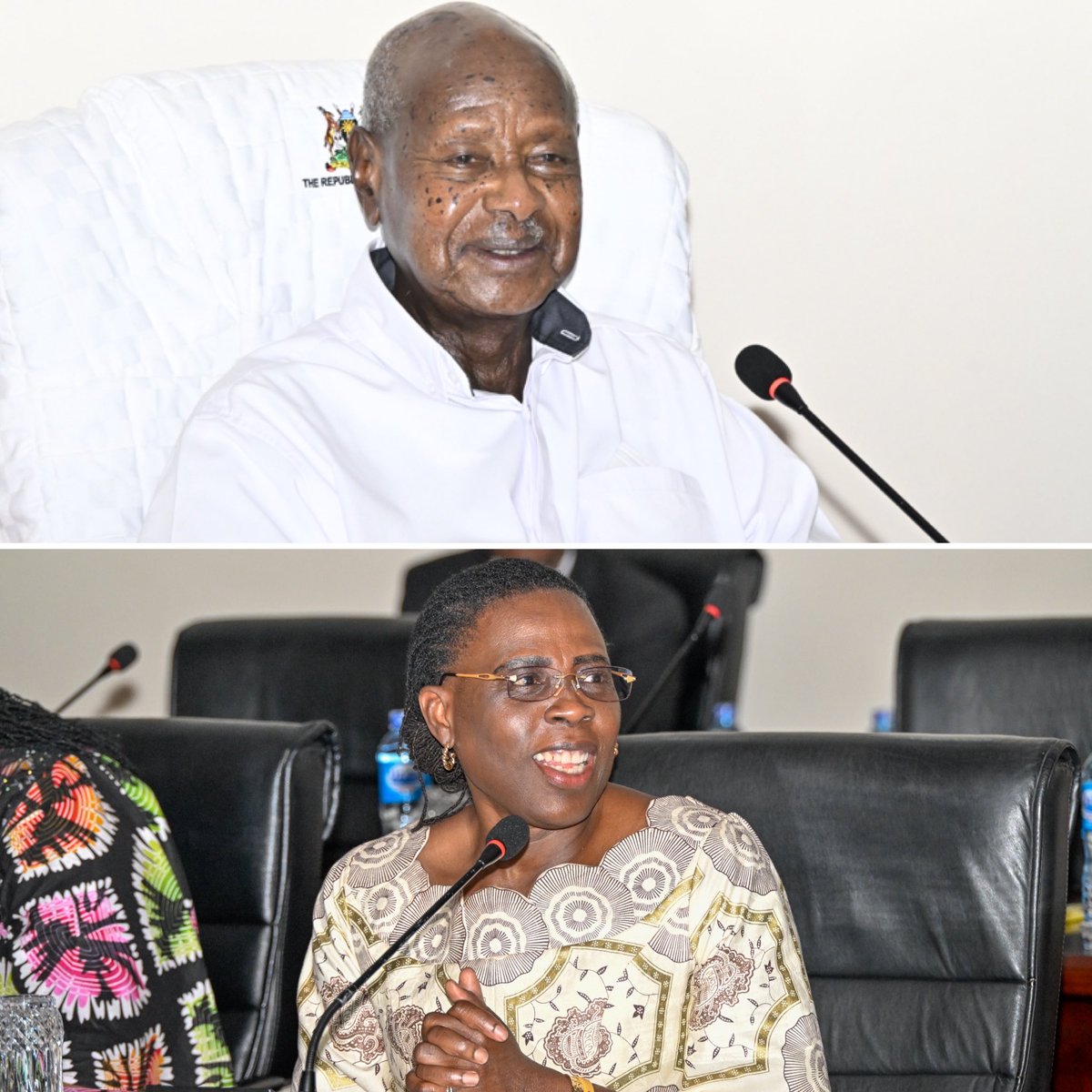
Today, Africa reached a significant milestone as @_AfricanUnion & Gov’t of Uganda🇺🇬 signed the Host Agreement for the African Humanitarian Agency #AfHA. President @KagutaMuseveni reaffirmed Uganda’s firm stance in leading Member States to successfully operationalise the Agency.
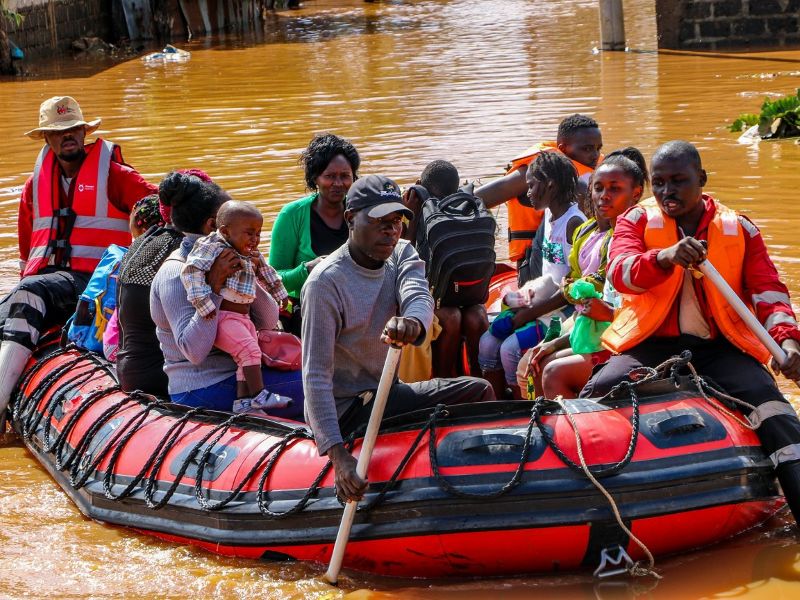
Commendable progress by the East African Community @jumuiya & @IGAD_CPAC on including climate mobility and displacement as a pillar of its anticipatory action & response plans to climate change and disasters.
A recognition that climate disasters do not stop at national borders.
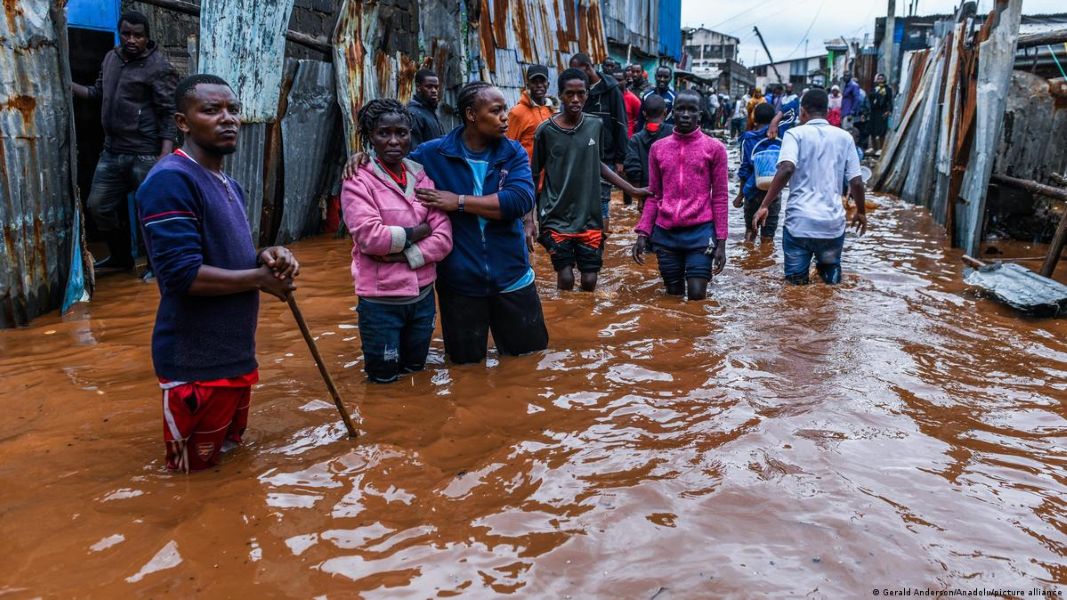
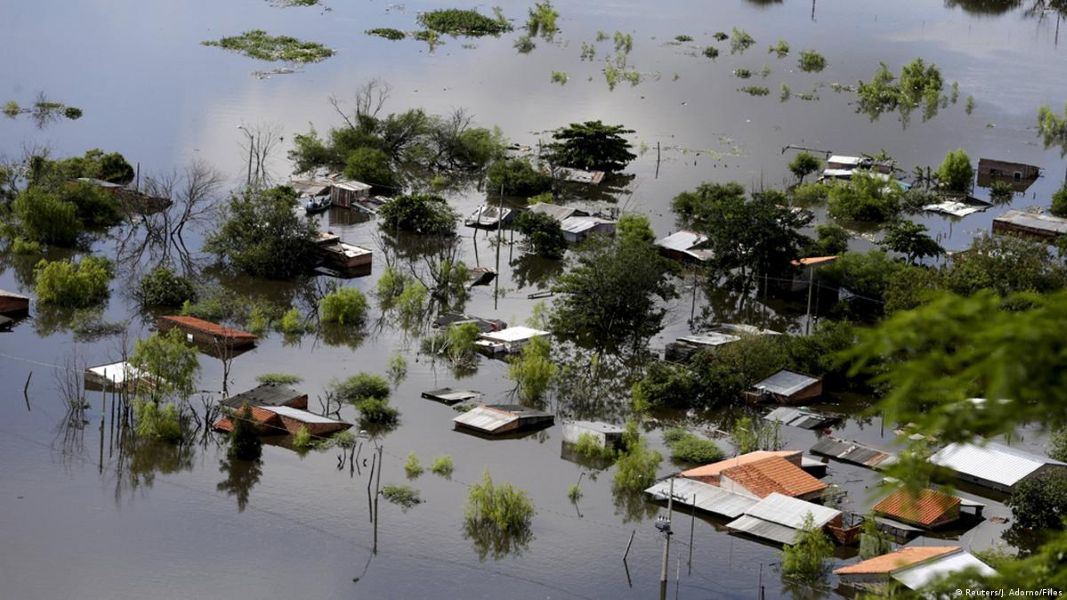
As climate experts warn of a potentially very strong El Niño event that could persist into 2027, the EAC has adopted a 𝐑𝐞𝐠𝐢𝐨𝐧𝐚𝐥 𝐄𝐥 𝐍𝐢ñ𝐨 𝐄𝐦𝐞𝐫𝐠𝐞𝐧𝐜𝐲 𝐏𝐫𝐞𝐩𝐚𝐫𝐞𝐝𝐧𝐞𝐬𝐬 𝐚𝐧𝐝 𝐑𝐞𝐬𝐩𝐨𝐧𝐬𝐞 𝐏𝐥𝐚𝐧 to coordinate action across all 8 Partner States.
The Plan aims to protect lives, livelihoods, critical infrastructure, and regional trade by strengthening early warning systems, health preparedness, food security, transport corridor resilience, and cross-border emergency response. It also prioritises support for communities most at risk from flooding, displacement, disease outbreaks, and other climate-related shocks.
Recognising that climate disasters do not stop at national borders, the EAC is advancing a unified regional approach to keep people safe, maintain the flow of goods and services, and safeguard the gains of regional integration.
The Plan will guide joint action in vulnerable hotspots across East Africa while enhancing information sharing, resource mobilization, and mutual assistance among Partner States.
🔗Read More: https://t.co/H9EqyBbvoD