Transforming the marketplace away from toxic chemicals and plastics harming our health.
Senior Director of Programs & Strategy - Toxic-Free Future
My opinions
Mounting pressure on @SallyBeauty after our @ToxFreeFuture research found hair products marketed to ppl of color contain cancer-linked formaldehyde releasers + siloxanes.
No one should risk their health to care for their hair. @WEACT@NY1
https://t.co/WU4Zete8Rw
A new peer-reviewed study by Toxic-Free Future, in collaboration with Seattle Children's Research Institute, Emory University, and others, found endocrine-disrupting chemicals in breast milk, including bisphenols and melamine, which are widely used, especially in plastics and food-contact materials.
Breastfeeding remains the healthiest choice for infants when possible.
But this study points to how the chemical industry has been allowed to produce large volumes of endocrine-disrupting chemicals, companies are still putting them in consumer products and plastics, and they are ending up in breast milk.
Endocrine-disrupting chemicals are linked to adverse health outcomes, including reproductive and developmental disorders, cancers, metabolic conditions like obesity and diabetes, and neurological problems. They are particularly dangerous to infants and children and can lead to lifelong harm, as early life is a time of sensitive hormone-driven development. Scientists are especially concerned about endocrine-disrupting chemicals because they have been found to be harmful at very low levels of exposure.
Policymakers, manufacturers, and retailers should act to protect parents, infants, children, and communities by preventing the use of endocrine-disrupting chemicals that can wind up in people and breast milk.
Parents shouldn't have to worry about toxic chemicals harming their children. Yet new research found toxic chemicals in U.S. breast milk. States are leading to prevent harm, but we must also protect #TSCA, our nation's primary chemical safety law.
https://t.co/aG5RjwRybk
Toxic chemicals affect us from infancy: Hormone-disrupting chemicals released during plastic production & subsequent plastic products pass from mother to child through breastmilk. Our health deserves strict chemical regulation #EnvironmentalJustice https://t.co/QxKDlABJK5
Experts warn that exposure to toxic PFAS ‘forever chemicals’ may be disrupting women's ability to breastfeed. Despite decades of evidence of harm, the government has failed to adequately address the issue and protect our health. https://t.co/bhbTdQkHMa
@PomTerkins at @guardian's piece highlights our latest study finding hormone-disrupting chemicals in breast milk.
It isn't on parents to solve this. Congress must protect #TSCA and uphold safeguards that keep dangerous chemicals out of everyday products.
https://t.co/ND4Q7SRqWY
Firefighters. Construction workers. Mechanics. Workers in these jobs face some of the highest toxic chemical exposures in the country.
This Father's Day, tell Congress: don't gut the law that protects them. #TSCA#FathersDay https://t.co/GA9c1XcomT
Jess Conard of Rail Watch joined us in DC last week to remind Congress why #TSCA matters.
After toxic vinyl chloride polluted her East Palestine community, she knows the consequences of weak chemical protections. Congress must protect our health—not polluters.
📸: Louis Tinsley
Dangerous hormone-disrupting chemicals found in US breast milk samples. A study of mothers in Seattle underscores the ‘widespread, systemic problem’ of chemical contamination, experts say. https://t.co/9ZJT9qvrYD
Dangerous hormone-disrupting chemicals found in US breast milk samples. endocrine disruptors are regularly added to everyday products across economy to serve number of purposes. anti-microbial triclosan is frequently included in some personal care products https://t.co/xWB7iFfzZ6
"The politics around pesticides are changing because the consequences have become impossible to ignore. People are saying 'enough' to rising rates of cancer, infertility and learning disabilities..." https://t.co/GSIrd14H8s @foe_us
The data we build together is what pushes companies to switch to reuse and refill systems, because public pressure backed by evidence is hard to ignore.
Sign up before June 30 at https://t.co/Vs6Db0HBoW
#WorldOceanDay2026#BreakFreeFromPlastic#SupermarketAudit
EPS plastic foam (styrofoam) used in appliance packaging is:
❌ Not recycled at scale
❌ Not compostable
❌ Made from crude oil & fossil gas
❌ Production emits dangerous carcinogens into the air
You CAN take action to get styrofoam outside the box: https://t.co/2q2pgOgoc4
Cancer. Immune system harm. Reproductive health concerns. These are real-world consequences when chemical policies are weakened.
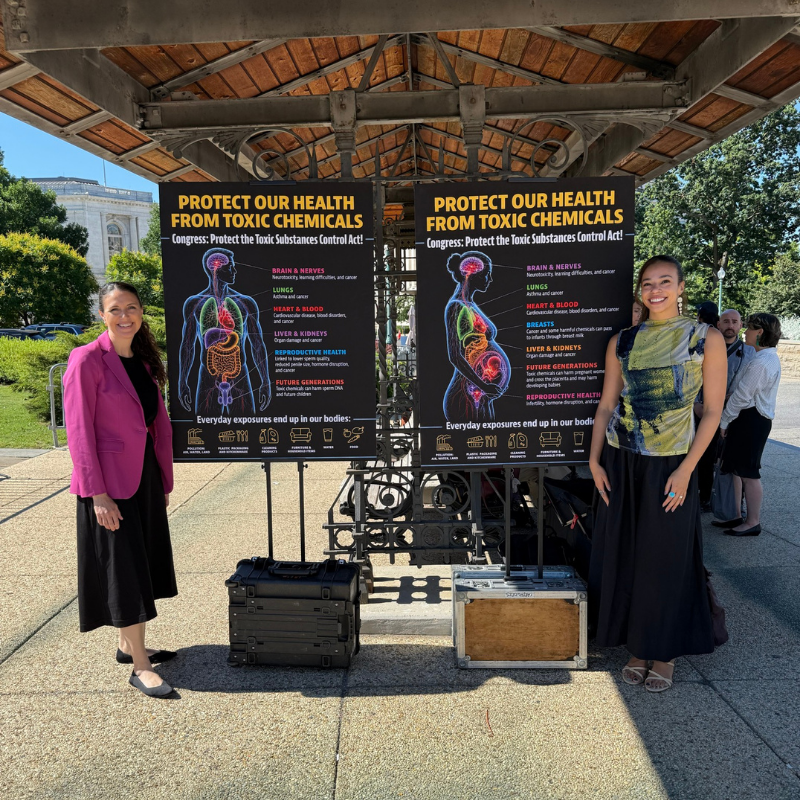
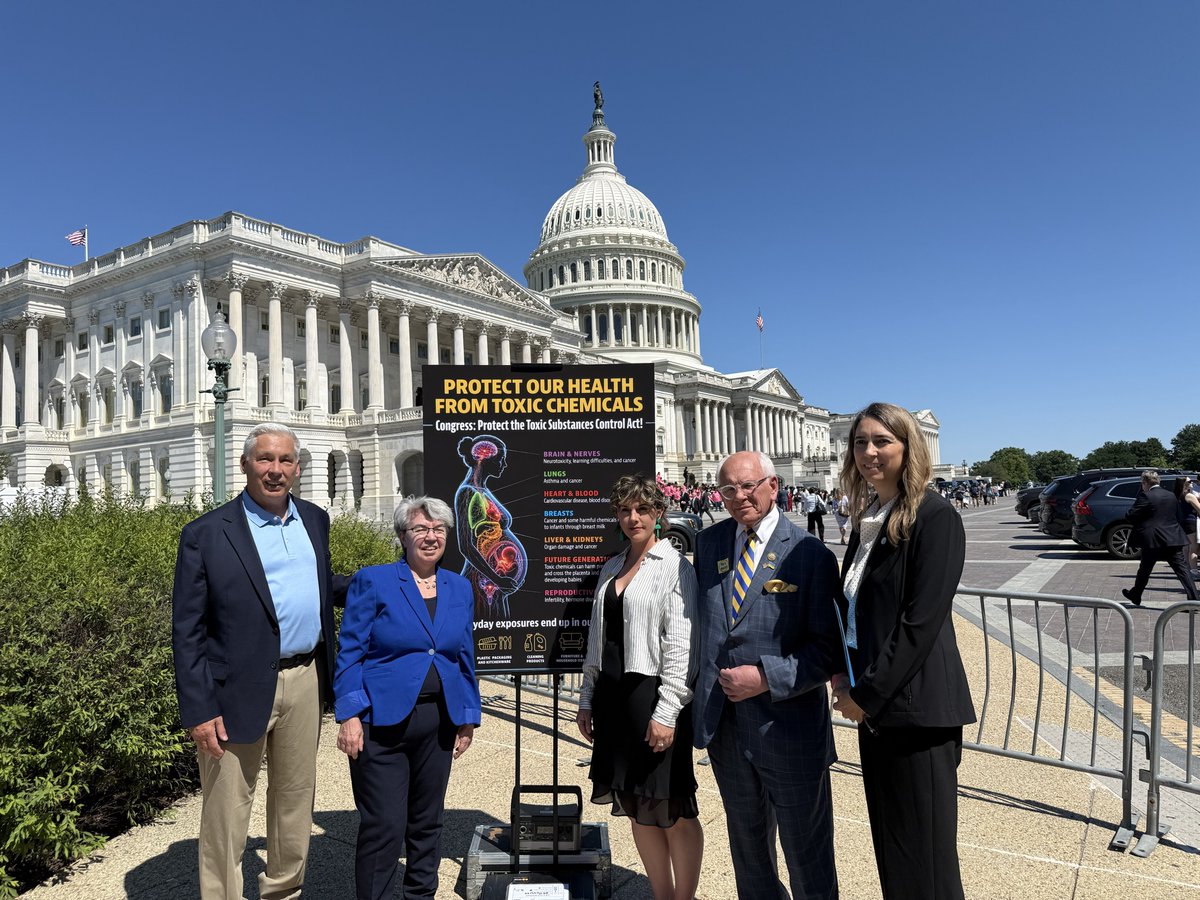
Today we're meeting with Congress alongside impacted communities from Spokane, WA and East Palestine, OH to urge lawmakers to protect #TSCA.
Everyone deserves clean water, safe products, and healthy communities. That's why advocates from the Alliance for Health and Safe Chemicals are on Capitol Hill urging Congress to protect #TSCA, our nation's main chemical safety law.
Everyone deserves clean water, safe products, and healthy communities.
That’s why advocates from the Alliance for Health and Safe Chemicals are on Capitol Hill urging Congress to protect #TSCA, our nation’s main chemical safety law.
This week, Spokane community leader John Hancock joins us in DC to share how #PFAS pollution has affected local families and why Congress must protect #TSCA.
People deserve clean water and protection from toxic chemicals before harm occurs.
Take action: https://t.co/mlGrjNv6pU
We joined partners from across the Salish Sea to kick off the 20th annual @Orca_Month and share how reducing toxic chemical pollution can protect both people and wildlife like orcas.
Here's to a month of celebrating and protecting these iconic animals!
https://t.co/OZwAbfYzOp
Pressure continues to grow on @HomeDepot to phase out toxic PVC plastics.
Going into today’s shareholder meeting, investors, frontline communities & public health advocates called on The Home Depot to phase out toxic PVC from its products. #MindTheStore
https://t.co/JvjvFBg8iP
Three years later, residents are still getting sick from toxic fallout related to the East Palestine, Ohio train derailment.
Can you join us in asking @HomeDepot to ban PVC plastic? Take action: https://t.co/5w5E1lzdGU
It's @HomeDepot's annual shareholder meeting and the perfect day to ask the store to ban PVC plastic — a dangerous, cancer-causing petrochemical with toxic hazards at every stage of its lifecycle. https://t.co/1zmxEHI5J4 @CenterEnvHealth#BanPVC#PoisonPlastic#WeAreHomeDepot