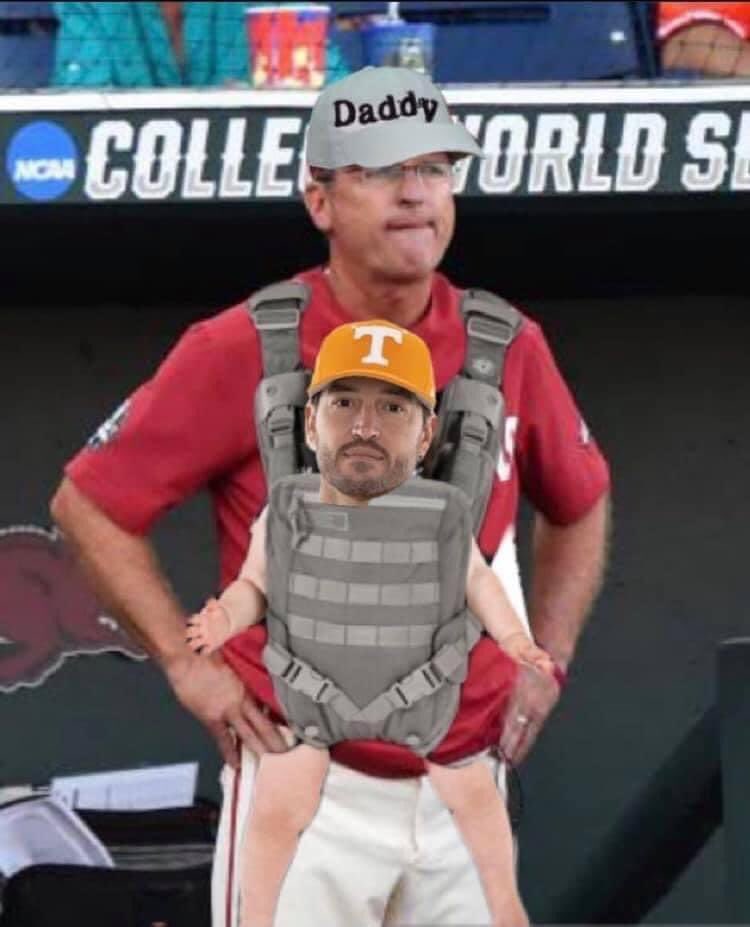
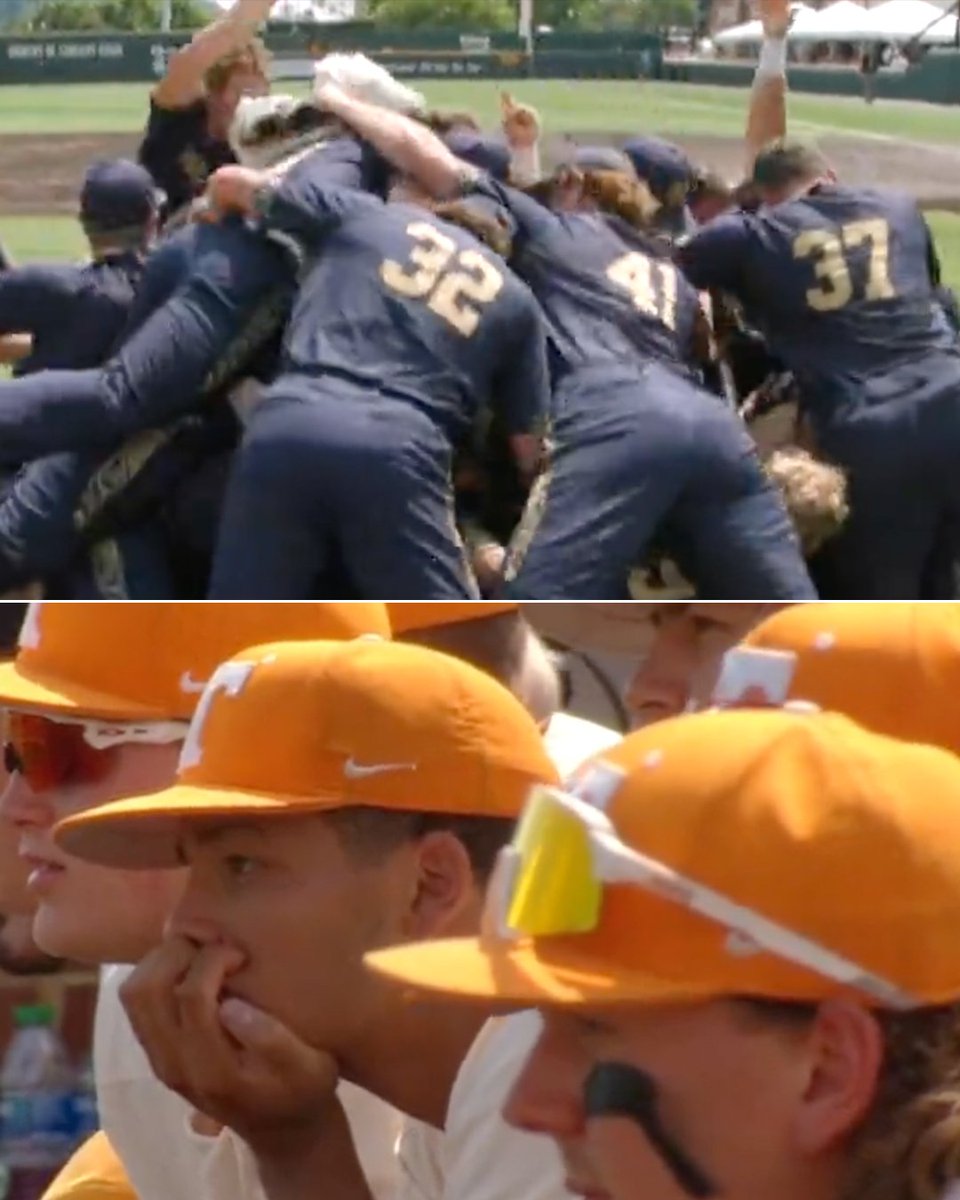
Me, a 30 year old man who grew up playing every single NCAA game, getting ready to completely annihilate a 12 year old who is playing for the first time.
The primary objective of this talk will be to summarize the current evidence in the literature regarding (or that can be extrapolated to) matching orthopaedic surgery as a DO. This includes board scores, research, research years, signaling, audition rotations, dual applying etc. I will also include a year by year breakdown on how to maximize your time and efforts as a medical student, and my thoughts regarding the current state of the match for DO students. I have been pretty engrained in this process for nearly 7 years, and hopefully you can gain something from this talk if you can make it! If you cannot feel free to hit me up, and I will be at @aoaodocs spring meeting in a couple weeks as well!
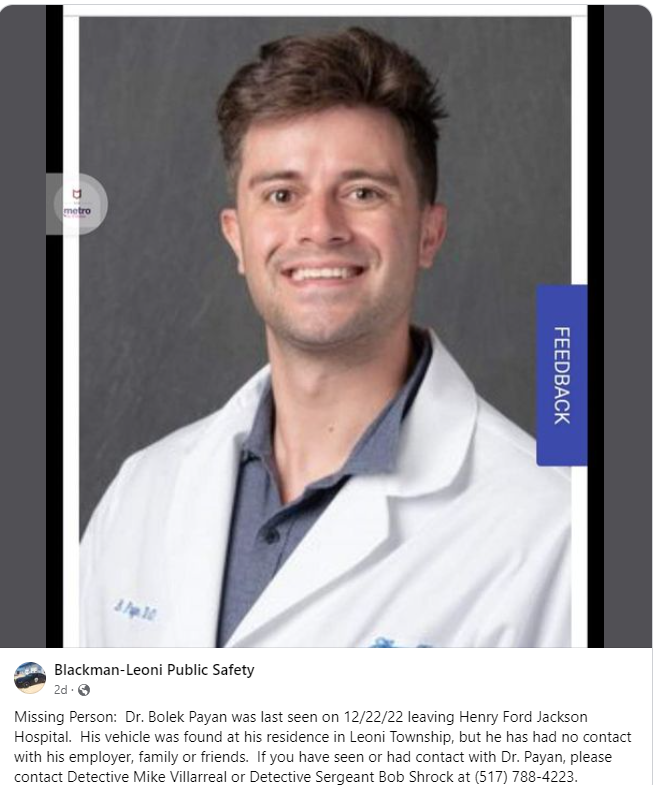
Our friend & former co-resident Dr. Bolek Payan is MISSING. Last seen on 12/22 leaving Henry Ford #Hospital in Jackson, MI😭
His vehicle was found at his residence, but he had no contact with his employer, family or friends. Keep his family in prayers🙏#Medtwitter#Cardiotwitter
Check out @mikeanders11 and I's most resent publication in the Journal of Shoulder and Elbow Surgery! We evaluated the completeness of Harms reporting in RTC trials. @JSESMedia Harms-Related Data are Poorly Reported Among Randomized Controlled Tri... https://t.co/fzqKMHLW8S
As an editor, I often read discussions that are long winded, meandering and fail to make an impact.
They feel like an after-thought rather than a key part of the paper.
Here are some tips to make your discussion better. Full credit to @sanjaysaint who taught me this years ago!
Check out our most recent publication in the Journal of Arthroplasty!
Great progress can be made in the way we report complications and negative outcomes in arthroplasty research.
Inadequate Reporting of Complications in Randomized Controlled Trials ... https://t.co/WjCRu7niTr