Can neutrality survive as conflict drags on in the Middle East?
Oman offers a fascinating case study.
Parley Policy's Frank Filler examines Oman’s longstanding policy of neutrality and quiet diplomacy as the Gulf state faces growing pressure from regional conflict, Iranian...
Why does Kim Jong Un keep snubbing Donald Trump?
Multiple invitations and overtures. Two APEC summits in a row without a meeting.
So, what gives?
In my latest for @nknewsorg , I explain how North Korea's preconditions for dialogue predate Trump's return to the...
President Lee Jae Myung's sweeping Cabinet and security reshuffle highlights three key developments:
1. A possible shift toward closer US ties
The departures of NIS Director Lee Jong-seok and Unification Minister Chung Dong-young, both associated with a faction advocating greater diplomatic autonomy for South Korea and independent engagement with North Korea, could shift the balance of influence toward officials prioritizing closer coordination with Washington.
The shake-up comes amid reported strains in intelligence sharing between Seoul and Washington over North Korea's nuclear facilities.
2. Trusted allies move into key posts
Lee has nominated several figures with close political or professional ties to him. Kang Kum-sil, tapped to become South Korea's first female spy chief, played senior roles in Lee's presidential campaigns. Three of the four Cabinet nominees have served in his presidential office.
3. Why Kang Kum-sil?
My take....At first glance, appointing a former justice minister to lead an intelligence agency seems unconventional.
But Kang's record offers an interesting parallel.
As the first justice minister under President Roh Moo-hyun, she challenged the prosecution service's deeply entrenched hierarchy and seniority-based personnel system, pushing for greater civilian oversight. Her reform efforts had mixed results, but she was a central figure in the administration's early push to overhaul the prosecution.
Lee may see similar qualities in Kang as he looks to strengthen democratic oversight of the NIS and adapt the agency to emerging security threats and a changing global environment.
Her appointment could also reflect Lee's willingness to put unconventional figures in charge of powerful institutions when he believes organizational change is needed.
Seen through that lens, Kang's nomination may be less surprising than it initially appears.
https://t.co/uqXRUpbKZG
I've mentioned this briefly in passing before, but I was asked by Helion and Company--publishers of my latest book--for a blog post related to the work and they posted it today. Stop by and check it out at:
The practical utility of peace agreements can be summarized in three words: Order, Options, and Costs.
***
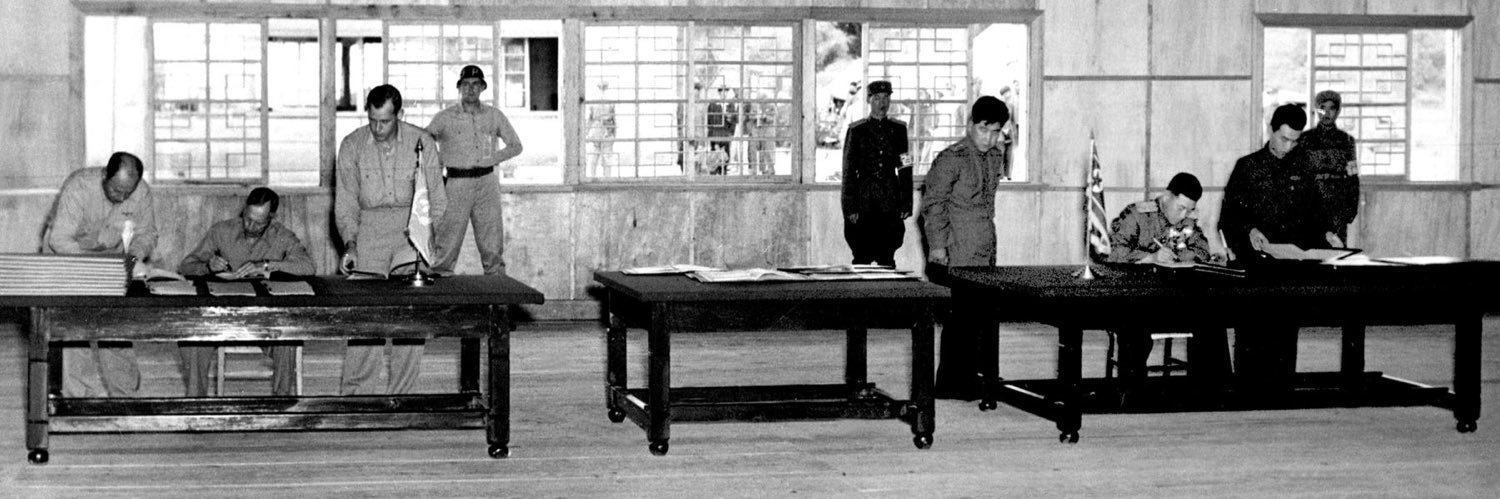
When I first started working at UNCMAC, one of the questions I was consistently asked was whether the Armistice Agreement actually had any practical utility.
So...
Order from the chaos of war through rule sets and mechanisms for maintaining and enforcing those rule sets.
Options other than the use of military force for responding to incidents and resolving disputes.
Costs associated with any decision to use military force.
This past week, U.S. military and Chinese People's Liberation Army-Navy officials convened in Shanghai from 18-20 November for a multiday meeting of the Military Maritime Consultative Agreement Working Group.
There was not a joint readout from the series of meetings; rather...
*Last chance to sign up*
Trying to make sense of why Kim Jong Un didn't accept overtures to meet Donald Trump in Shenzhen?
Looking for a better understanding of North Korea's foreign policy trajectory?
Join me in my online seminar:
"State of play in North Korean diplomacy"
@DCSneider@j3nnyt0wn Thank you 🙏
I concur that Trump will keep trying.
Question, since you always have better insight into the Washington discourse: what are Trump's main objectives with the DPRK?
Many pundits said the signs were pointed towards a Trump-Kim Jong Un meeting on the sidelines of the APEC summit. I said I'd eat my hat if it happened.
My hat remains safe and uneaten.
So, why didn't Kim Jong Un meet Trump in Shenzhen?
Let's break it down...
*Last chance to sign up*
Trying to make sense of why Kim Jong Un didn't accept overtures to meet Donald Trump in Shenzhen?
Looking for a better understanding of North Korea's foreign policy trajectory?
Join me in my online seminar:
"State of play in North Korean diplomacy"
...United Nations Command Military Armistice Commission tracking openings for potential engagement and analyzing the regime's interests, constraints, and restraints related to other partners.
Join me as I go beyond the headlines and share my insights.