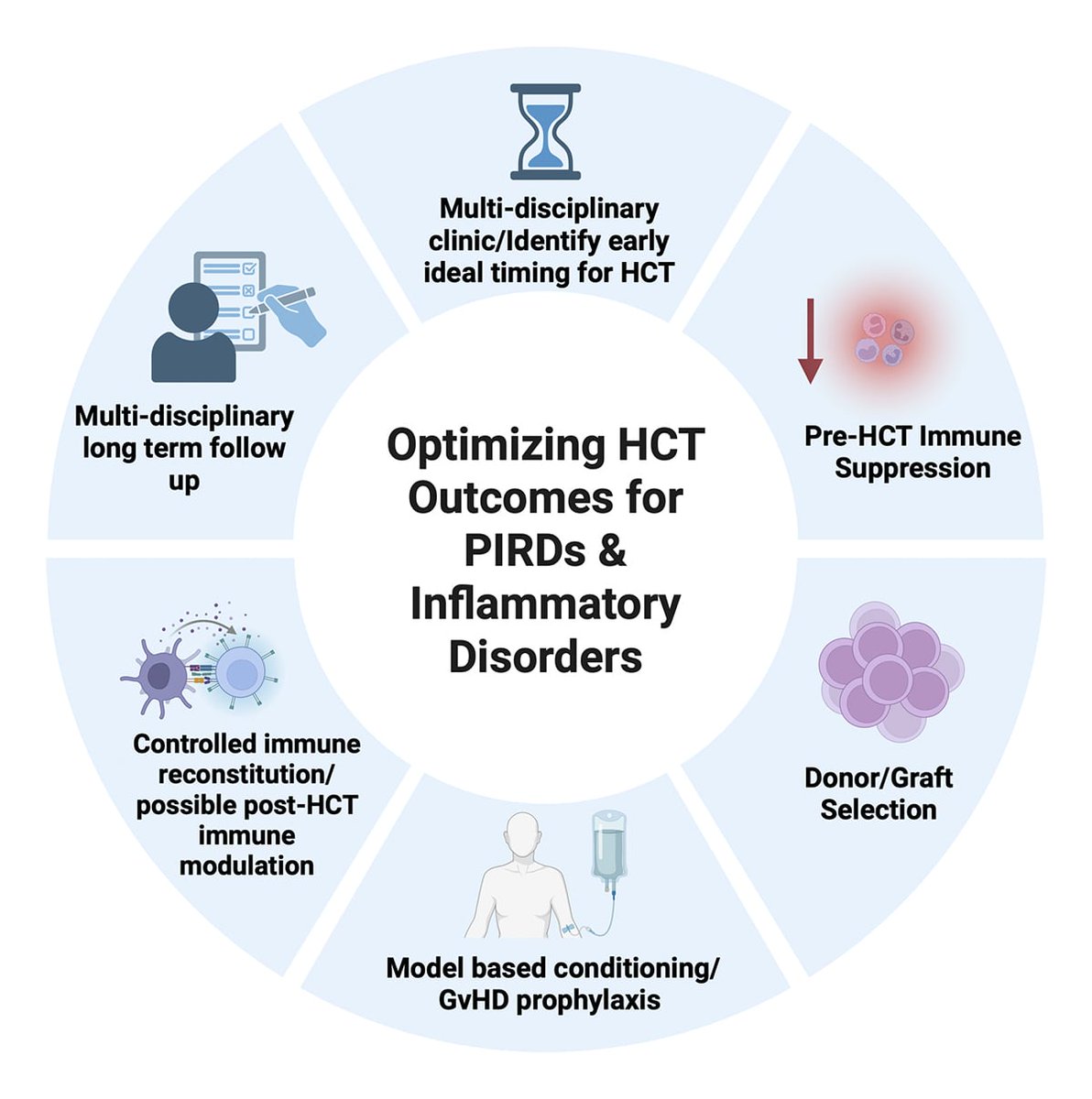
#HowITreat from Joseph Oved @ColumbiaMed: In primary immune regulatory diseases and inflammatory disorders, targeted immune modulation may control symptoms for some, but alloHCT remains the only cure for many patients. https://t.co/sCXTog8EGL
#Infections#autoantibodies
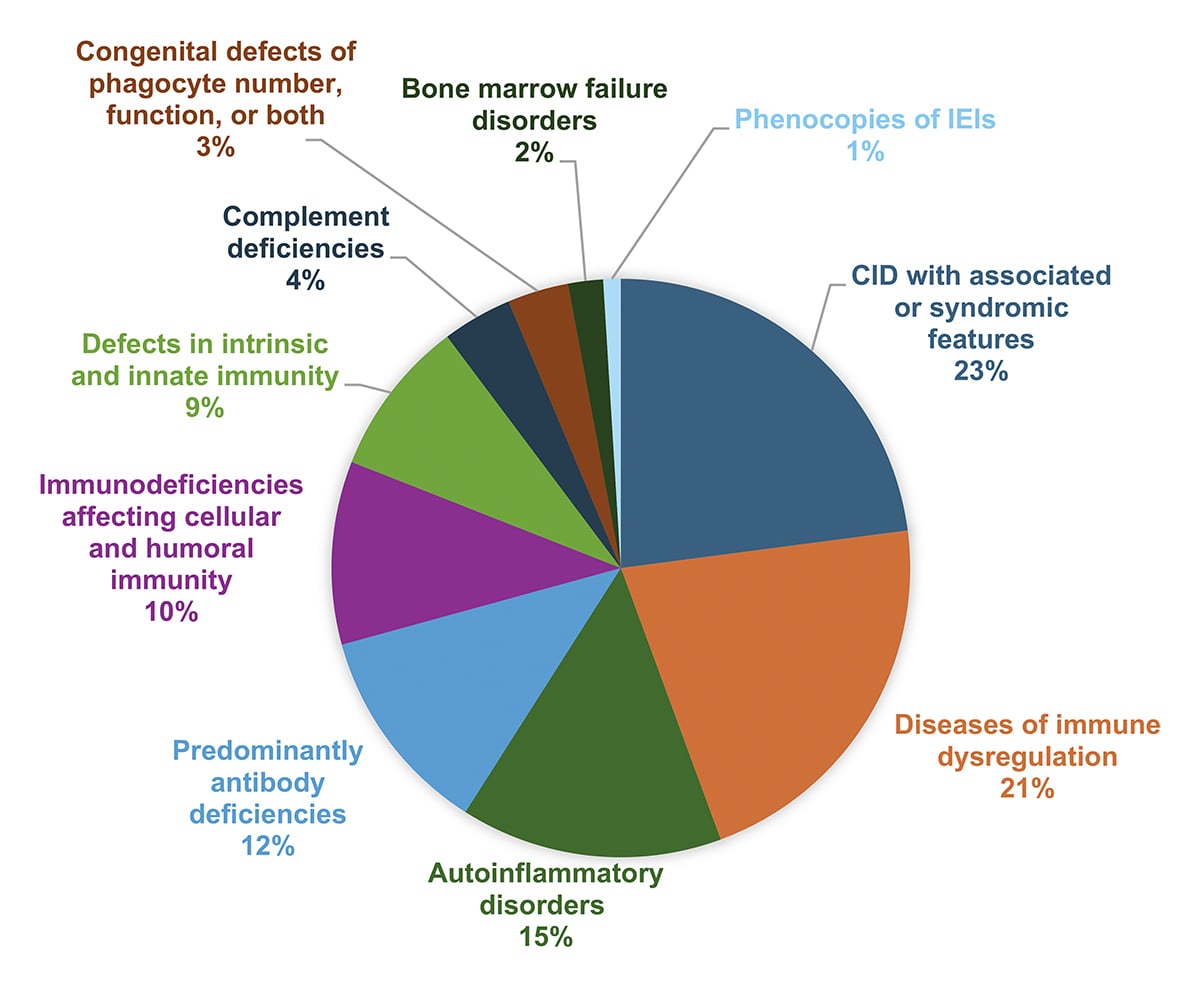
Swamy, @stutangye et al describe an Australian/New Zealand cohort where identification of monogenic #InbornErrorsOfImmunity through next-generation sequencing resulted in management change in 84% of cases incl. guiding #HSCT & initiating targeted treatment https://t.co/Xv9n6moGnM
Neurology meets immunology 🧠🤝🛡️
When the patient is so impressed of the diagnosis, that just can't let go of your hand. Literally: grip myotonia 😉
Fantastic interdisciplinary work led by the always brilliant @MikeRecher
Big thanks to the co-authors and patients!
Galli, Recher et al. describe two patients with hypogammaglobulinemia associated with #MyotonicDystrophy type 1 (DM1), a rare and underdiagnosed monogenic neuromuscular disorder and provide clues to aid clinical immunologists in making a correct diagnosis. https://t.co/nTUxfzOP3V
Patel, Cooper, Zimmerman et al. describe an elderly woman w/ severe chronic #neutropenia caused by mosaic #TLR8 GOF, broadening a primarily pediatric, male disease spectrum & highlighting somatic mosaicism as an important diagnostic consideration https://t.co/1WzxI2SUNj
#IEIs
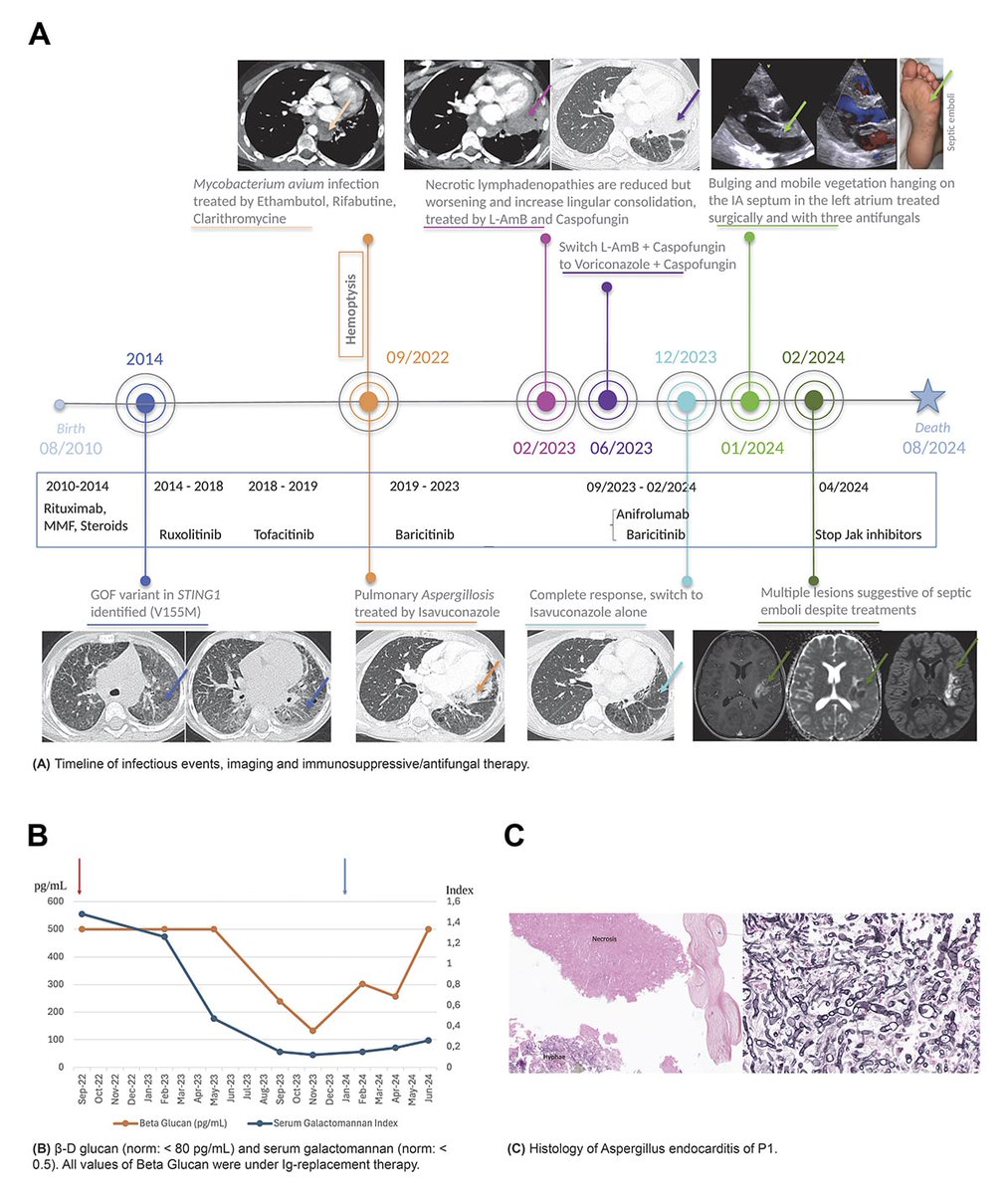
Dethier et al. describe a young girl w/ SAVI on prolonged JAK inhibitors who developed fatal Aspergillus endocarditis. They illustrate the major therapeutic challenges in STING1 gain-of-function disorders due to their intrinsic immunological abnormalities. https://t.co/zafKATvxEK
Adult-onset Still’s disease is challenging to diagnose. Chong et al. examine the clinical utility of skin biopsy, an inexpensive & widely available test, and show that dyskeratotic keratinocytes in the superficial layers are useful for diagnosing #AOSD. https://t.co/UnoiH7i8Iw
Endogenous and/or exogenous type I IFNs may contribute to the development of auto-Abs neutralizing type I IFNs:
High prevalence of autoantibodies neutralizing type I IFNs in Japanese patients with hepatitis C https://t.co/wqaytsEGui
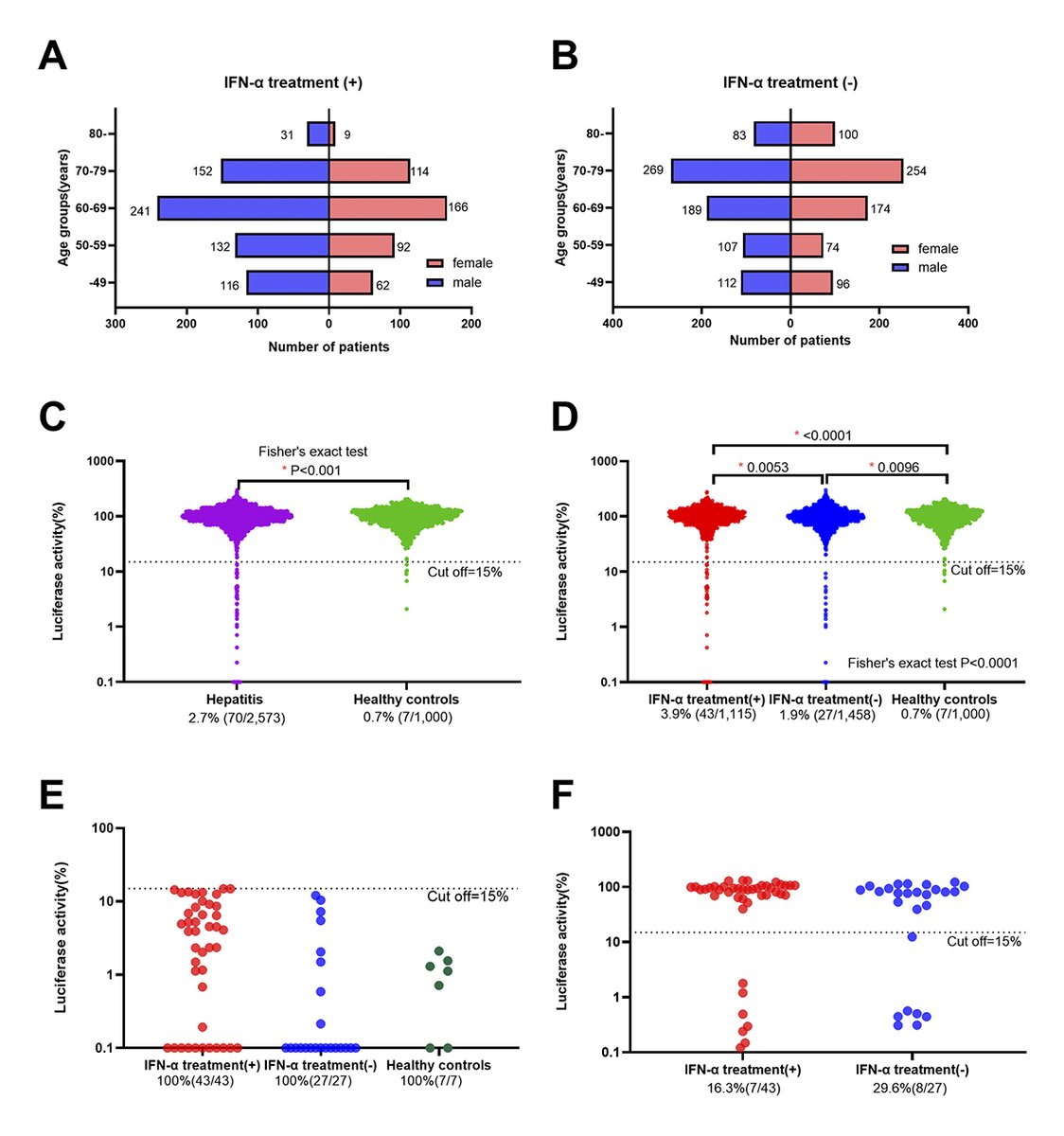
Taniguchi et al. find the prevalence of #autoantibodies neutralizing type I IFNs is significantly higher in Japanese patients w/ #hepatitis C than in age-matched healthy controls, and is even higher in those treated w/ IFN-α than in untreated individuals. https://t.co/mWQvxWYGVs
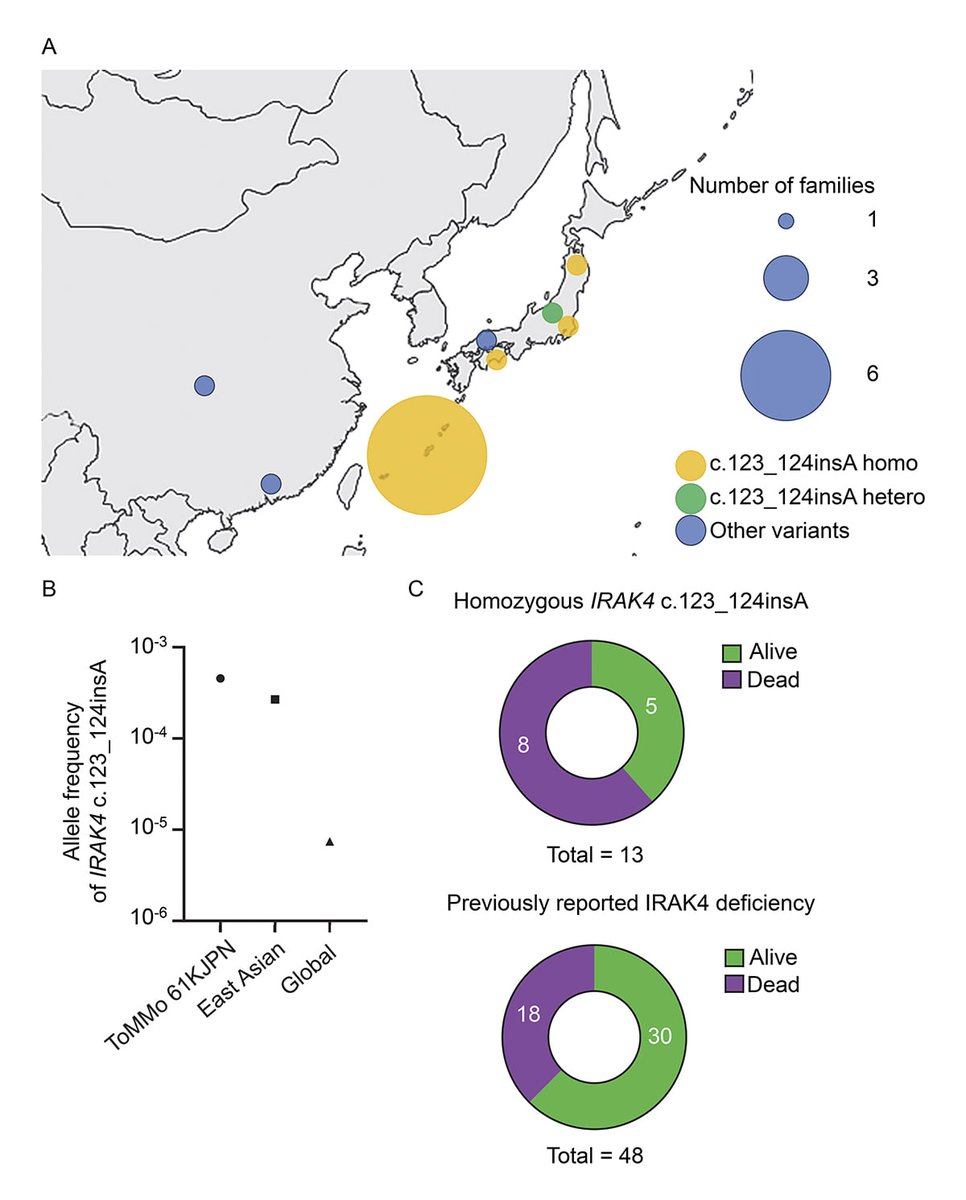
Tomomasa, Kanegane @sciencetokyo_ja and colleagues describe a clustering of patients w/ IRAK4 deficiency identified in Okinawa, Japan. (1/2): https://t.co/V8kvDFR3S4
1/ T cell immunotherapies are thought to require tumor-specific T cells. Very excited to share our work showing how T cells can eliminate tumors without tumor specificity via paracrine signaling. 🧵
https://t.co/p5QnmRtm3f
HLA-DQ2.5, the major genetic risk for celiac disease, is present across diverse populations. However, its linkage with HLA-B8 varies by genetic ancestry and contributes to differences in disease prevalence. A long effort in analyzing #allofus@alexbolze https://t.co/2DWvgk0W7I
Superb mechanistic insights into HYOU1 deficiency:
ER proteostasis failure in HYOU1 deficiency alters B cells, neutrophils, and interferon signalling https://t.co/3Hhe4UBPtS
Our September cover https://t.co/zXTf1DXnff shows flow-cytometric characterization of TCR Vδ2 cells from two healthy controls & a patient carrying a TCRγδ-specific somatic STAT5B gain-of-function mutation based on expression of 10 different surface markers https://t.co/vNmqhfZh0n
The presence of type I IFN-neutralizing antibodies is a life-threatening risk factor for multiple infectious diseases. Yang et al. report the prevalence of NAbs in #dengue patients & indicates that patients w/ NAbs may have a higher risk of cardiac injury. https://t.co/KoF8z4UwOU
#Exome sequencing can stratify the genetic risk of #CeliacDisease among first-degree relatives of affected individuals. Talha Asif, Xiao-Fei Kong et al. @UTSWMedCenter find that about 10% of first-degree relatives carry a particularly high genetic risk. https://t.co/nllaqgcZdX