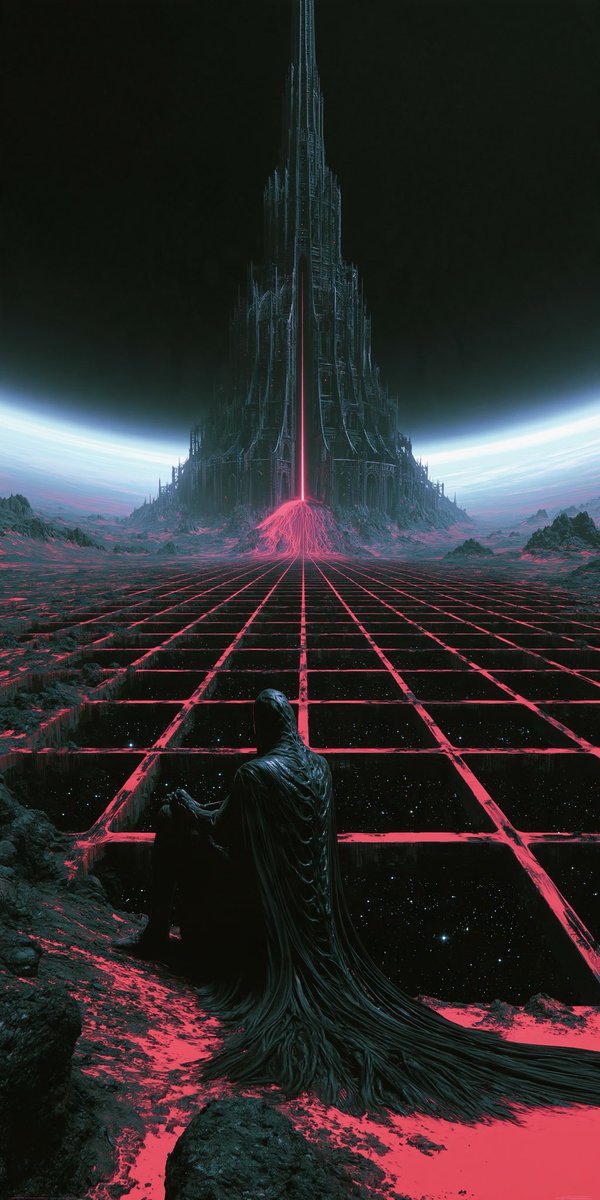
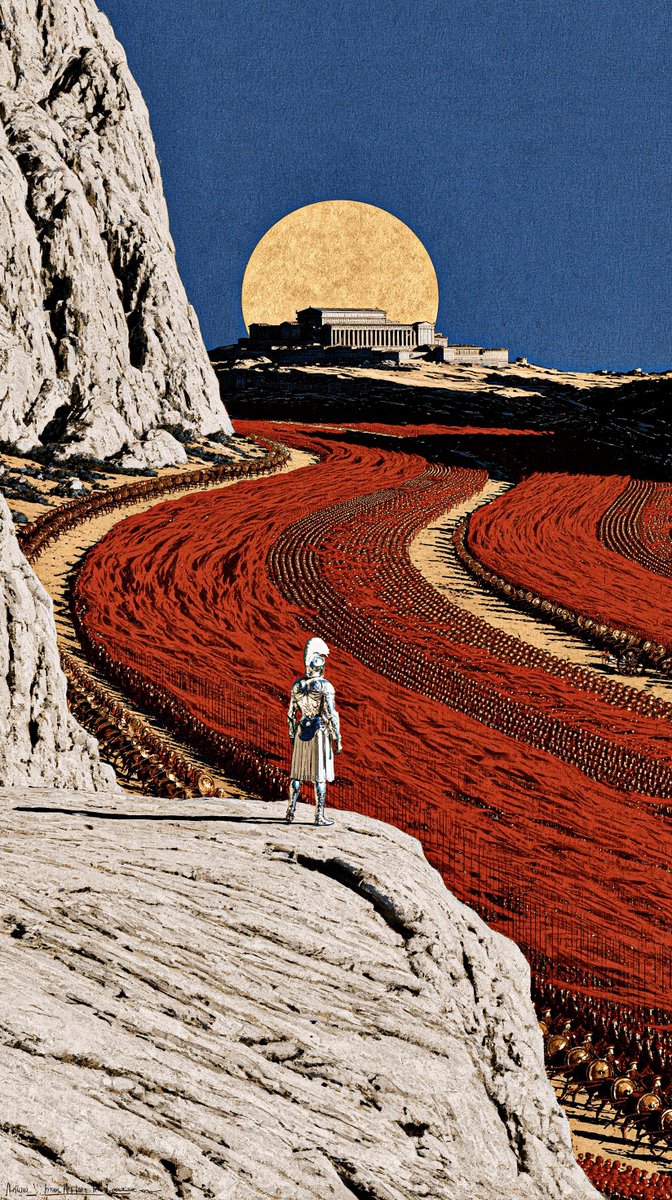
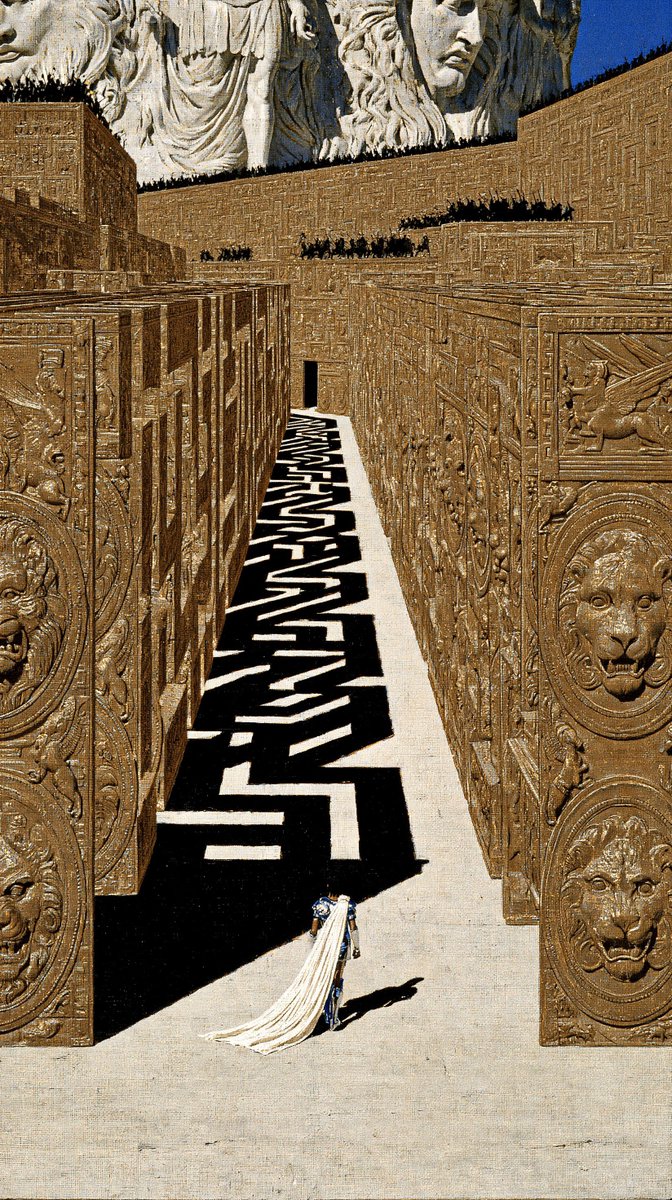
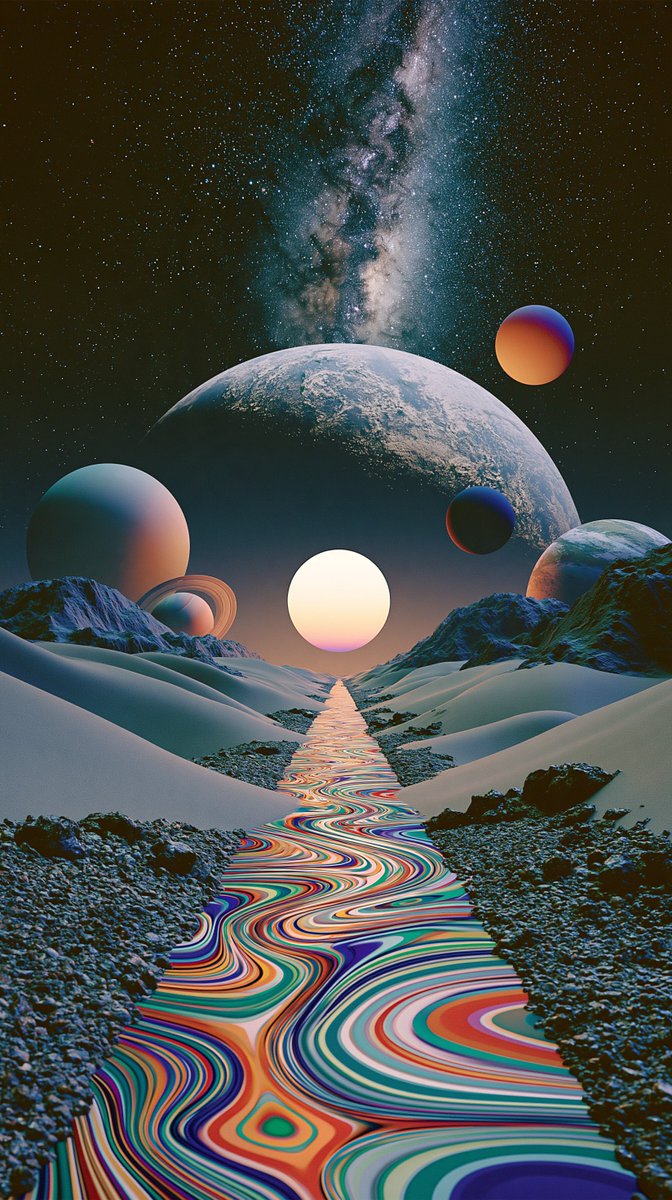
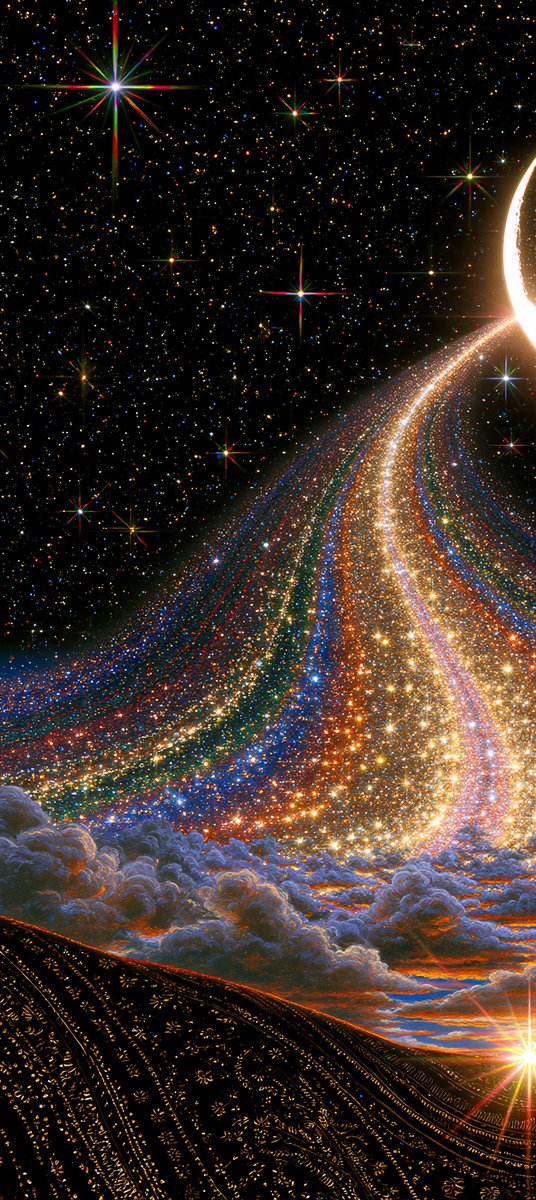
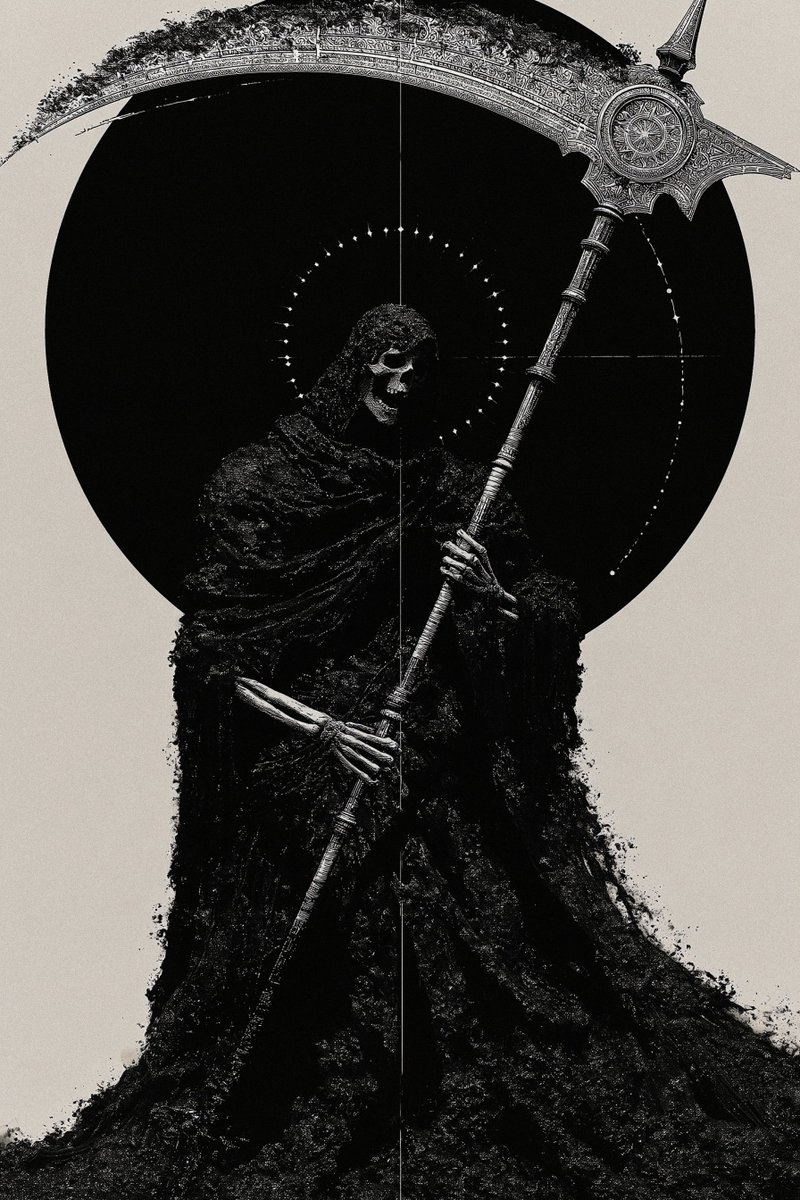
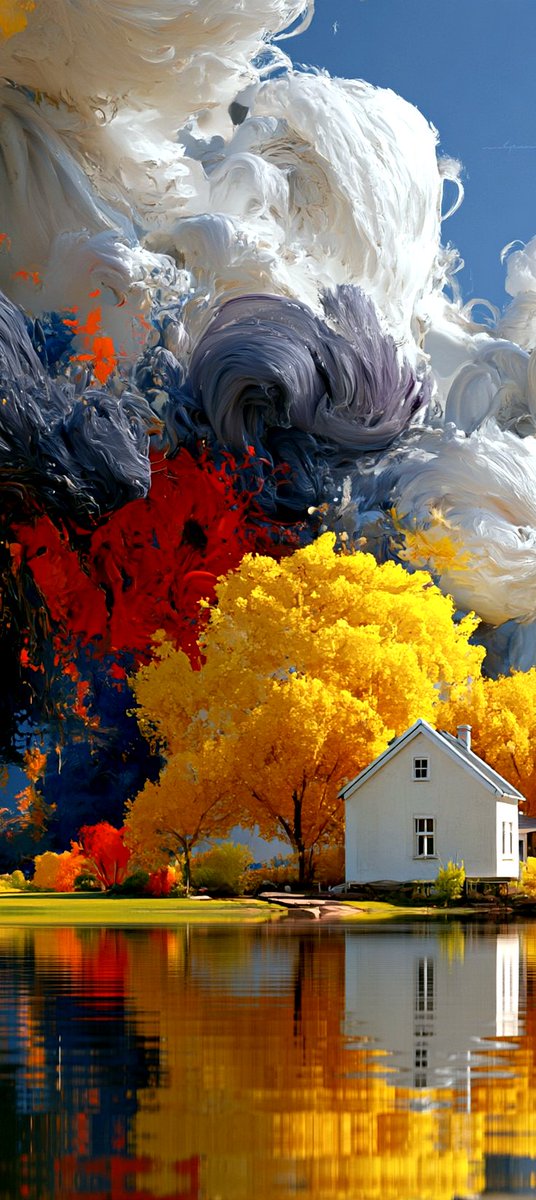
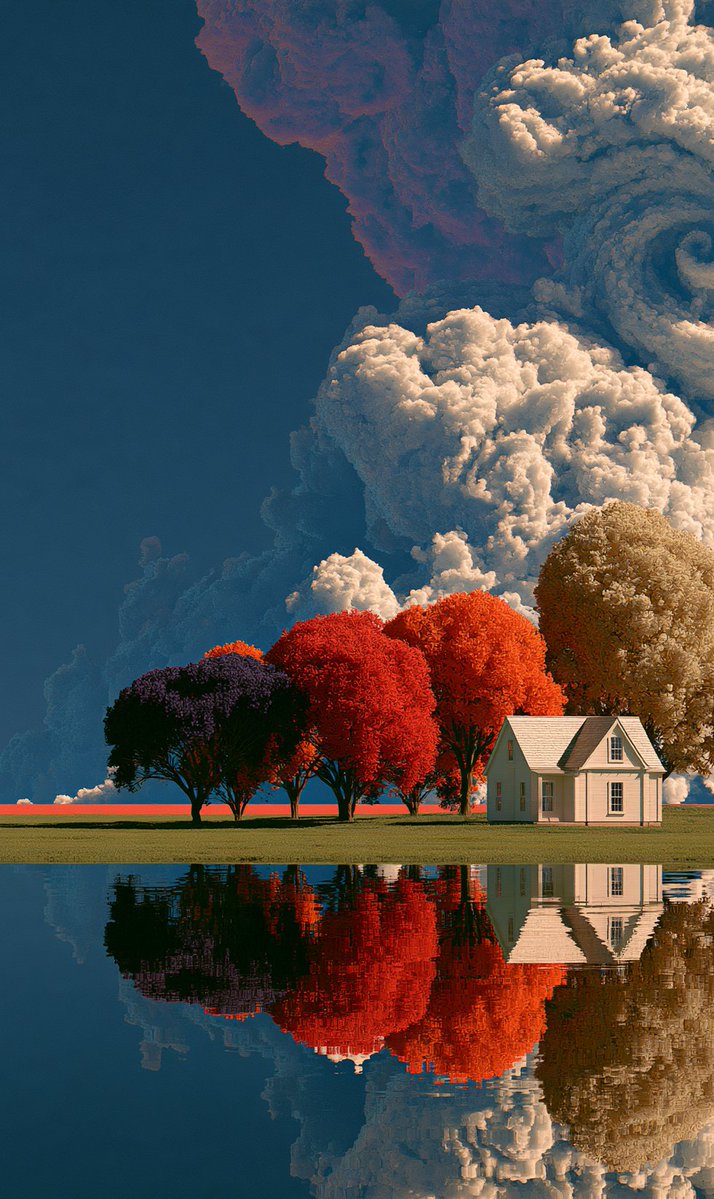
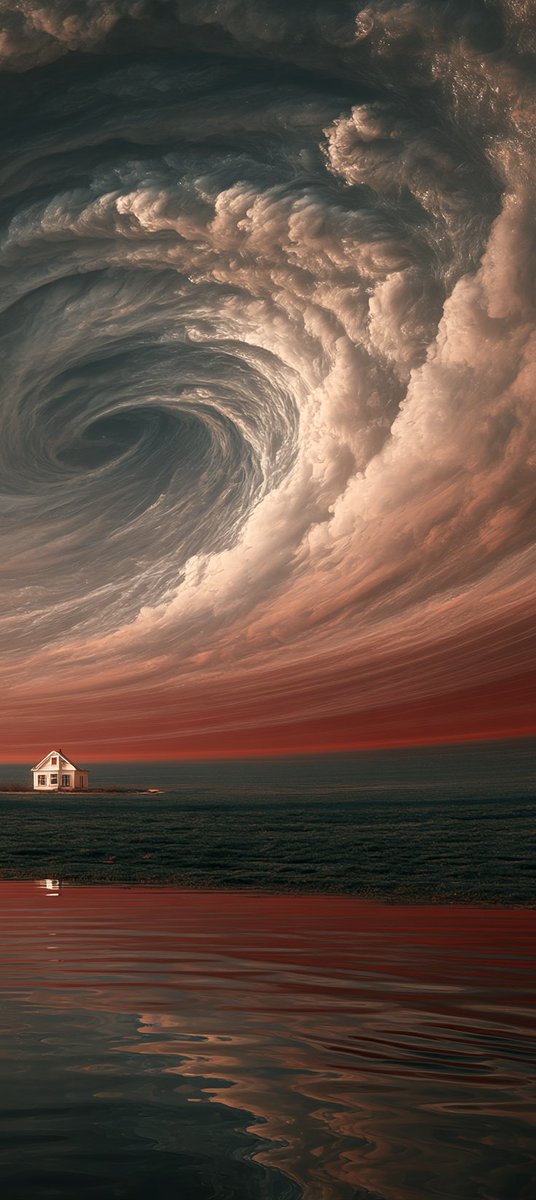
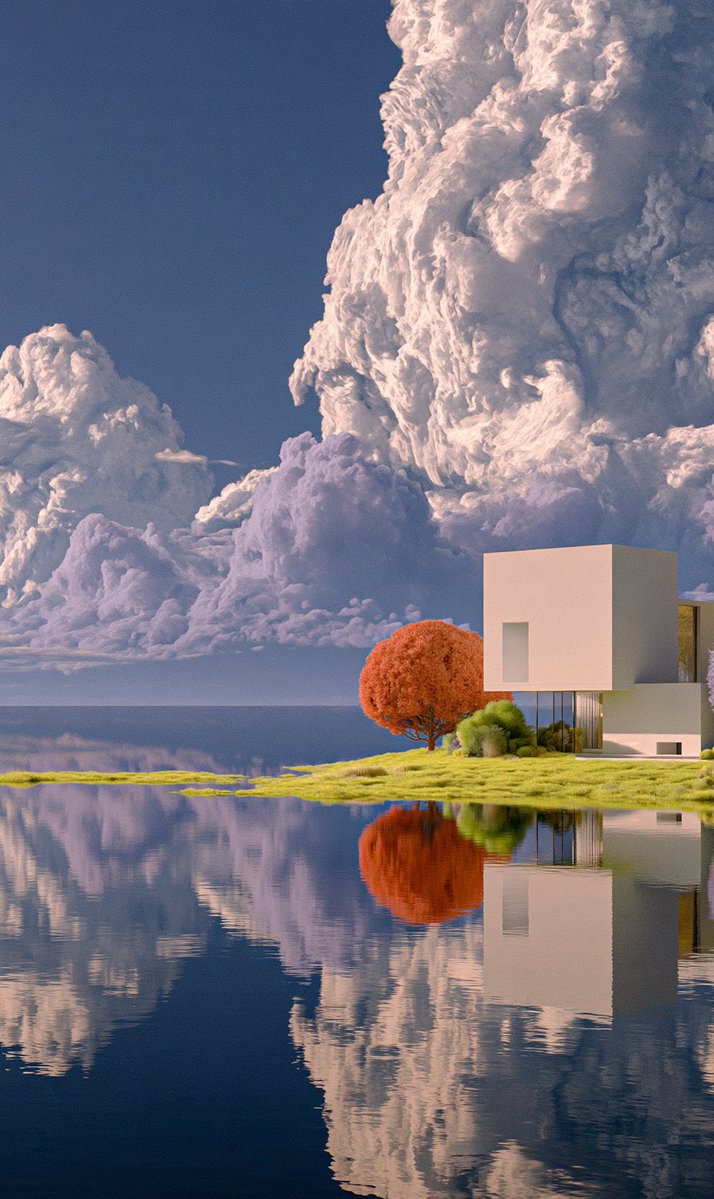
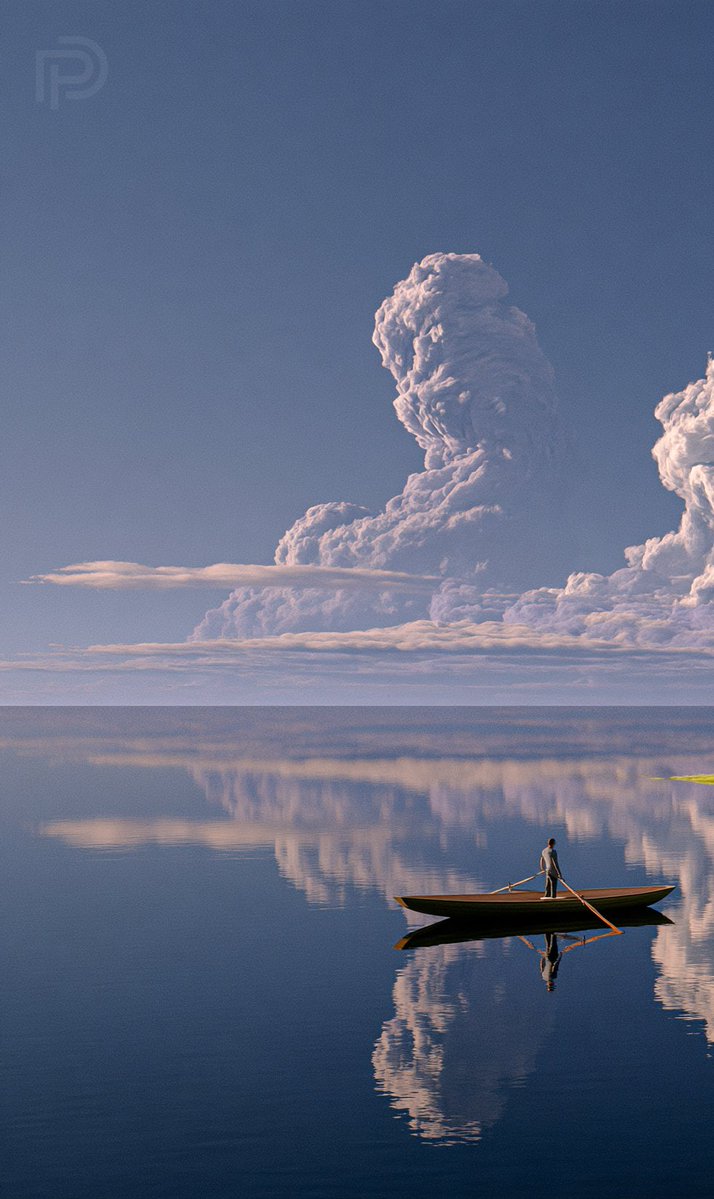
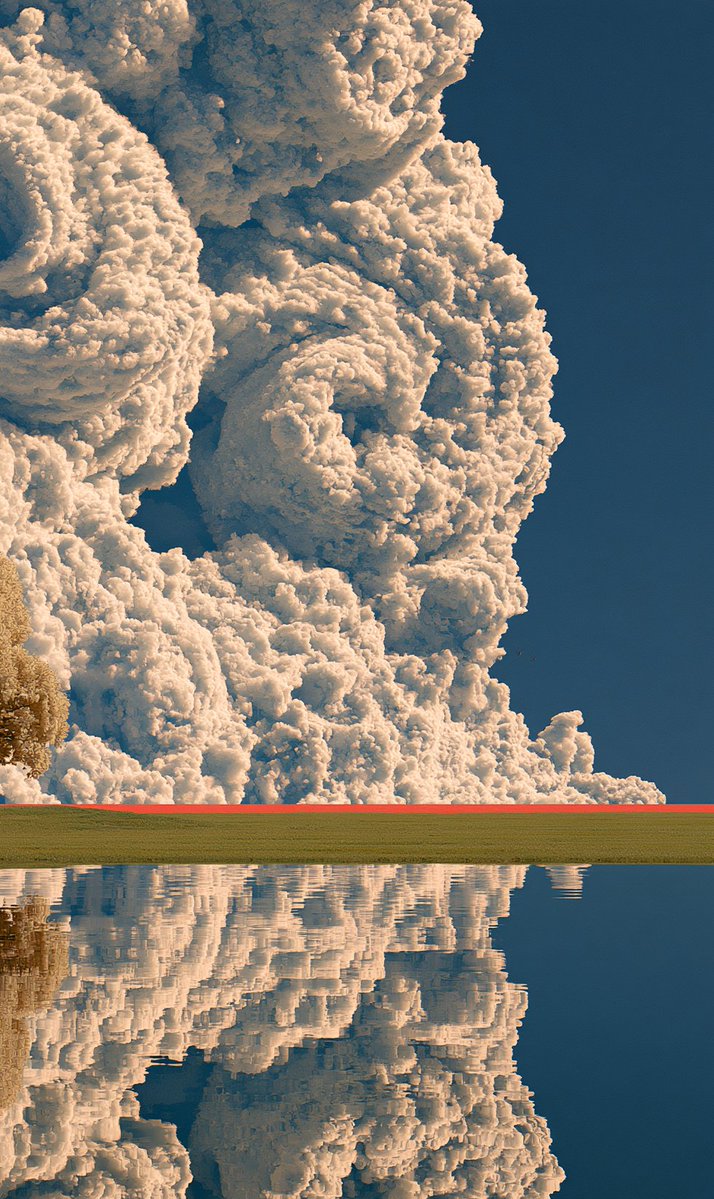
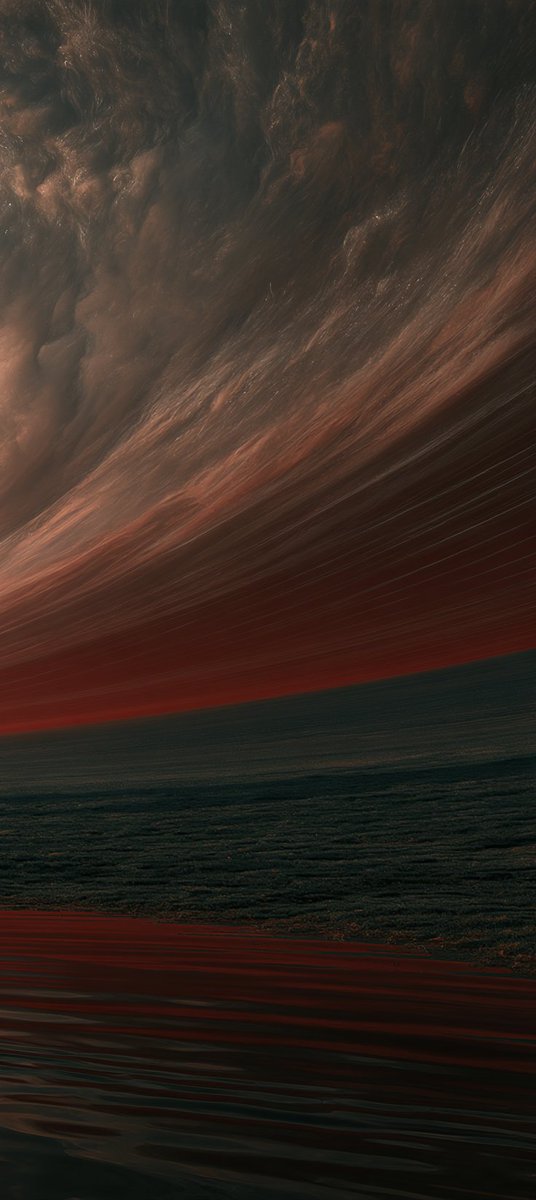
Art was never born from the brush, nor did it ever belong to the hands that held it.
It was born somewhere deeper, in the silent wilderness of imagination, where impossible worlds existed long before anyone found a way to bring them to life.
For centuries, imagination was bound by the limitations of execution. Countless visions lived and died unseen, not because they lacked beauty, but because the hands could not always translate what the mind could see.
And then, the tools began to change.
From stone to canvas, from brush to camera, from pixels to algorithms, every age found a new language for the same ancient desire: to give form to the invisible.
Then came AI.
And suddenly, the distance between a dream and its reflection grew remarkably small.
But AI did not arrive with an empty memory. Within its learned patterns echoes a vast inheritance of human creativity: the colors of forgotten painters, the textures of patient hands, the compositions of countless eyes, the visual discoveries of generations who spent their lives teaching the world new ways to see.
Every AI image carries traces of that collective artistic history. Not literally a thousand artists painting together, but something equally profound: centuries of human expression informing a new language of creation.
Their legacy deserves recognition, respect, and fairness.
And perhaps this is where art enters its most fascinating age.
When almost anyone can execute, imagination must rise beyond execution.
When images become infinite, vision becomes precious.
When beauty can be generated in seconds, the ability to recognize, refine, and give meaning to beauty becomes the artist's true signature.
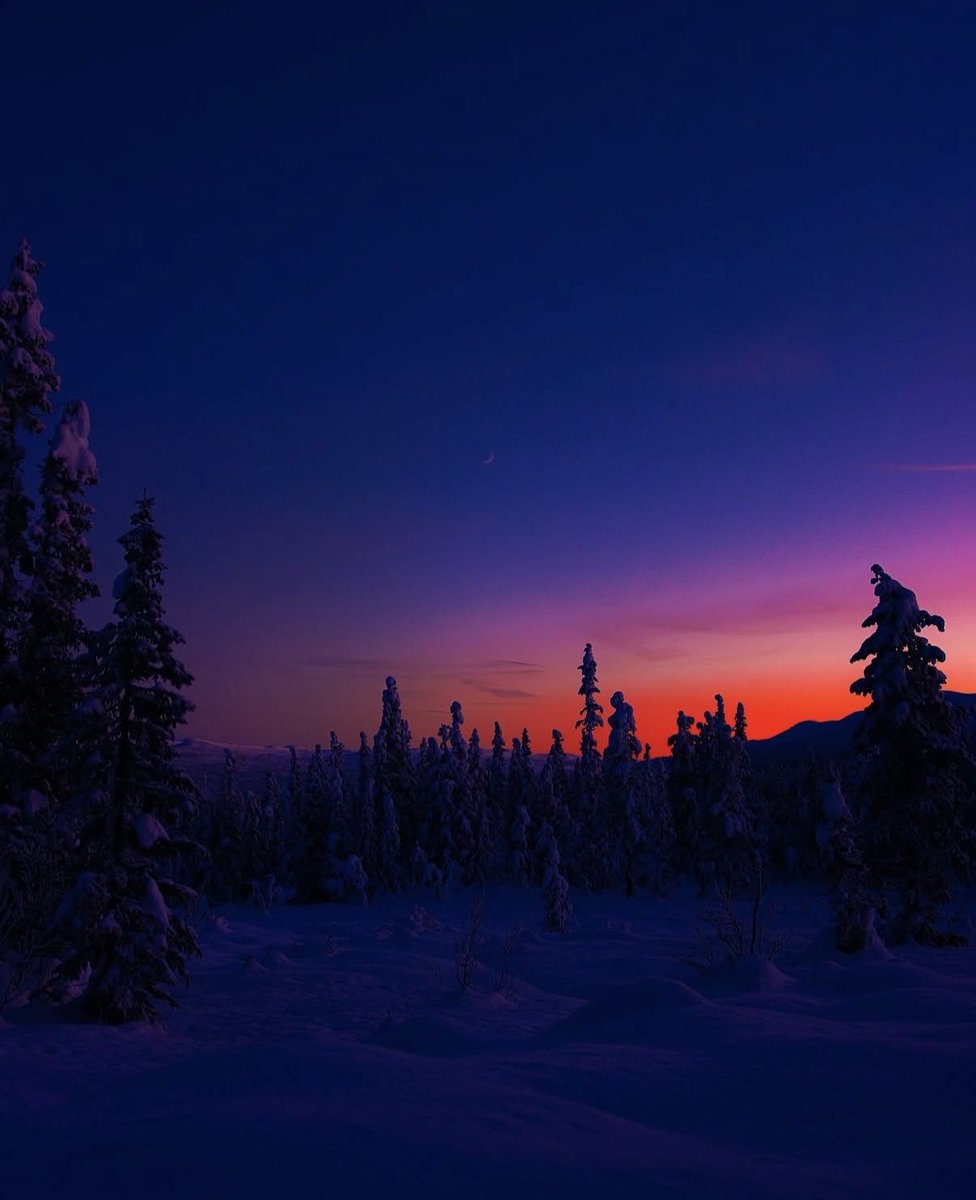
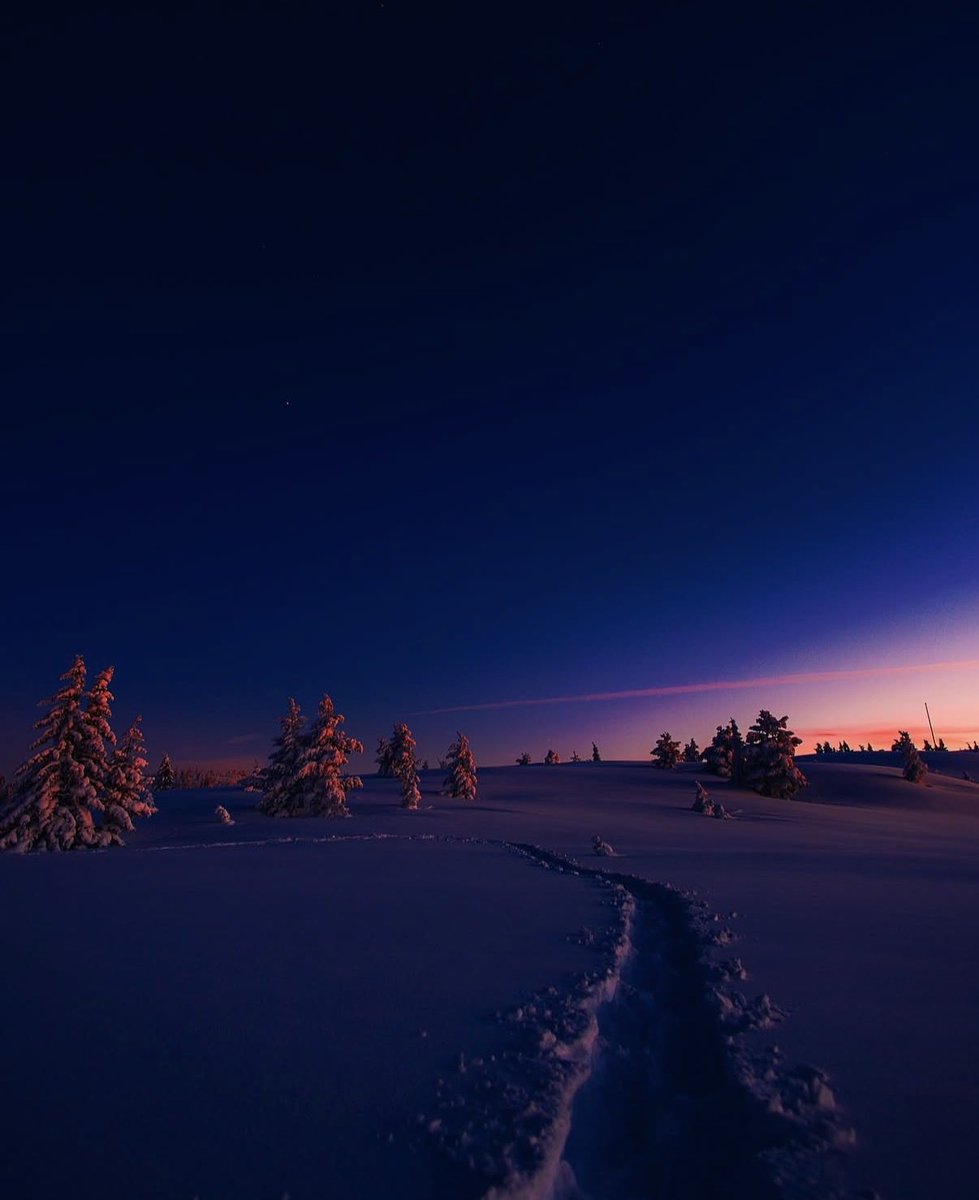
For the machine may offer a thousand skies, but only the dreamer knows which one holds the sunset they have been searching for.
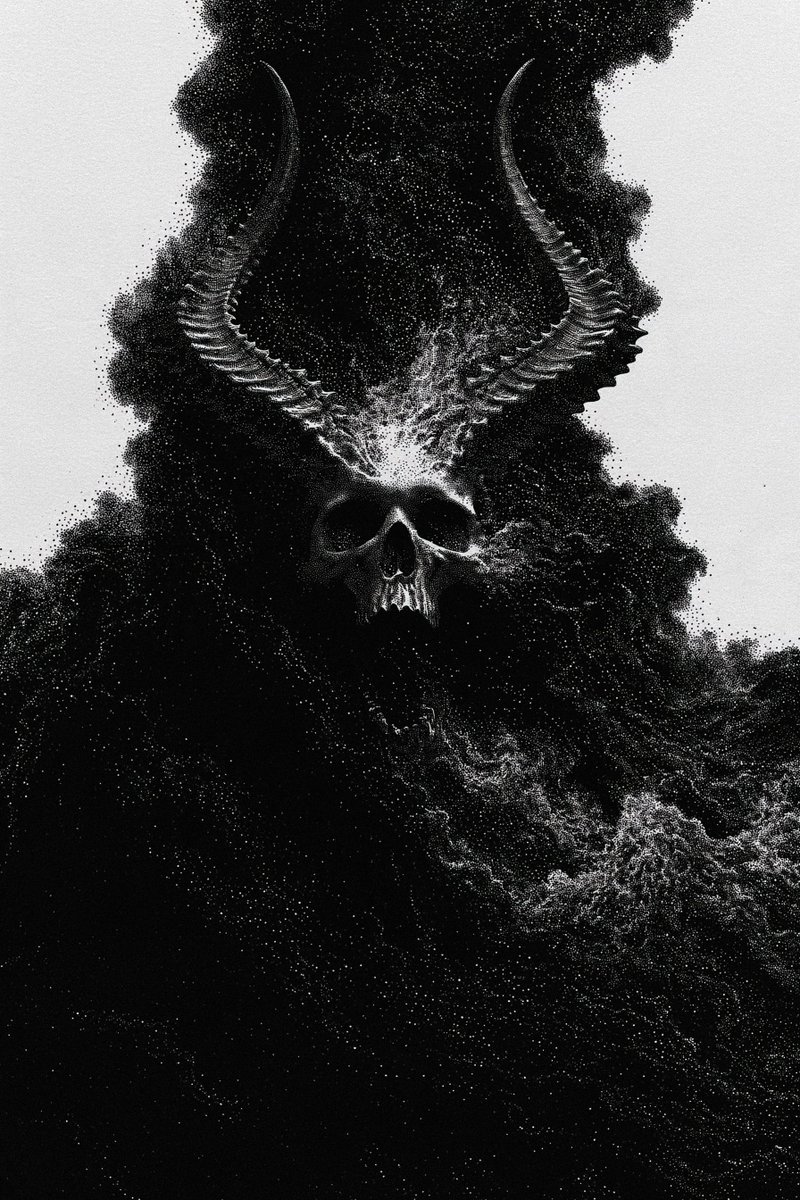
It may conjure a thousand worlds, but only imagination knows why one of them deserves to exist.
Art has never been the triumph of a tool over another tool. It is the endless journey from imagination to expression, and from expression toward perfection.
The brush will change. The canvas will change. Even the hands that execute may change.
But the dream will always belong to the dreamer.
And art will always begin where the visible world ends.