1/ Today @JulianVoeg and I published research on suspected China- and India-nexus espionage actors targeting Pakistani law enforcement. https://t.co/FLn6f8S4OC
[8/8] The standard and the harness are a starting point. We invite the community to try them, challenge them, and help develop them further.
https://t.co/IfpXcjrmvf
[1/8] Over the past year, the infosec community has had to adjust to the rapid adoption of AI tools and growing automation. LLMs can now reverse engineer binaries considerably faster and at a larger scale than manual analysis allows.
[7/8] We also release the VerifiedIDA harness as an open-source project, together with the standard’s specification and a user guide. The harness is a preliminary implementation of the standard and mediates the model’s access to an IDA database.
https://t.co/BtwiXIK205
AI can reverse engineer binaries, but how do we trust that analysis if we can't see the evidence?
@milenkowski and I wrote a standard and open-sourced VerifiedIDA to make analysis at scale something we can verify and improve.
https://t.co/M9NEAjbrpd
Dug into the freezer hacks for SentinelLABS: the timeline, how they work, and who might be behind them.
Russian-aligned groups have relevant history here. That’s not enough to say they did these attacks. Read more here:
https://t.co/oWycYl8OCj
Where does threat intelligence stand in the AI era?
SentinelLABS’ @TomHegel joined @DennisF on the @DecipherSec podcast to talk threat research, AI, and where the security industry is going.
Watch the full conversation:
https://t.co/3LdAP22L7U
Having previously posted that this was an interesting rabbit hole, a spam account liking that post a couple of weeks ago reminded me that I never actually explained why. So here's a brief version - maybe something we should blog about in more detail in the near future...
Latest from me and my colleague Carter Church - How to build agents from evaluations.
A short read if you are building an agent for your security program and have questions of where to start or how to measure success.
https://t.co/eq2GYUso9C
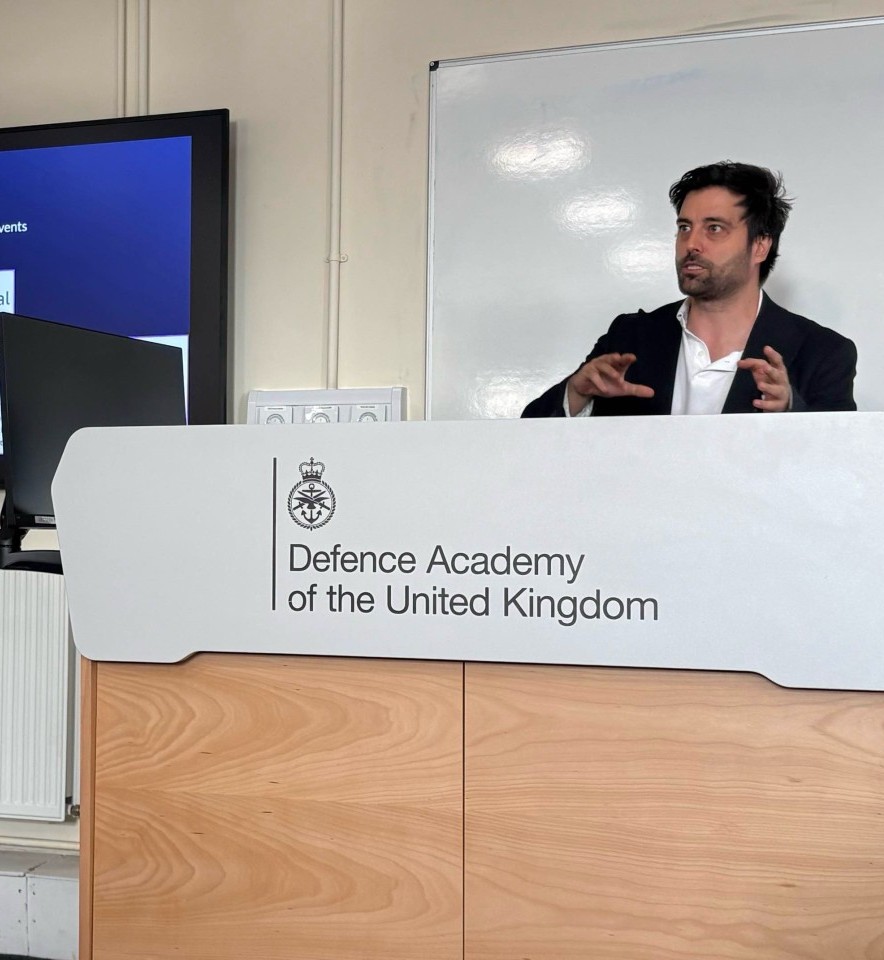
[2/2] I covered how states use them across these phases: disruption of critical systems, cyberespionage to gain strategic and operational advantage, and influence operations to shape perceptions at home and abroad.
I am grateful to the attendees for the engaging discussions.
[1/2] I had the pleasure of giving a lecture at the @DefAcUK / @CranfieldUni on "Cyber Operations In and Around Conflict." Cyber operations have become a common component of today's conflicts, conducted before, during, and after kinetic hostilities.
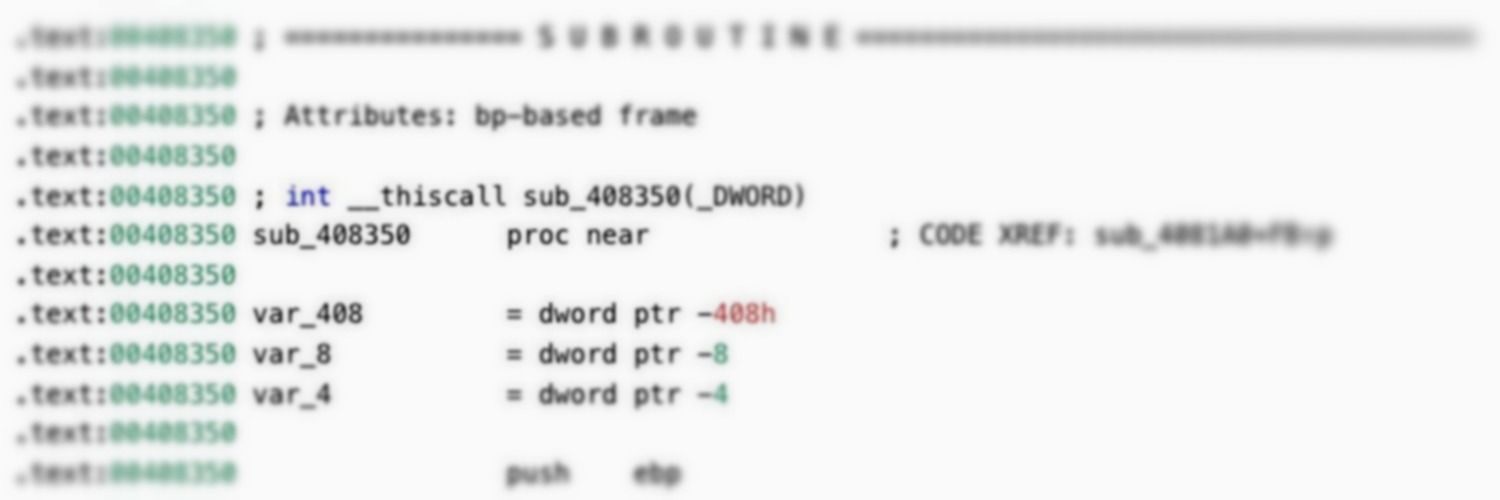
[1/6] Last week, @Gabeincognito and I presented at the very last @labscon_io on AI-assisted reverse engineering. Our work focuses on generating annotated disassembler databases (such as IDBs) as the output of LLM-driven analysis, instead of textual reports.
AI is becoming part of how we reverse malware. The investigation it leaves behind should be something others can inspect, challenge, and continue. https://t.co/KgspKJWwlt
[6/6] We released our initial implementation of the standard: An LLM harness for reverse engineering, currently supporting IDA.
Give it a try. We'd love to see what others build on top of it!
https://t.co/GEhNWEZxGG